




Background and Career Overview
Ryan Roslansky’s tenure at Microsoft spans nearly two decades, beginning with the 2008 acquisition of LinkedIn. Over 18 years, he rose from senior product roles to become LinkedIn’s CEO in 2020, steering the professional network through a period of rapid growth, monetisation, and deeper integration with Microsoft’s cloud services.
In 2023, Roslansky was promoted to head of Microsoft Office, a portfolio that includes the classic desktop suite, the cloud‑first Microsoft 365 subscription, and a growing ecosystem of AI‑enhanced productivity tools. Early in 2024, he added Microsoft Teams to his remit, overseeing the platform’s evolution from a video‑conferencing add‑on to a full‑featured collaboration hub.
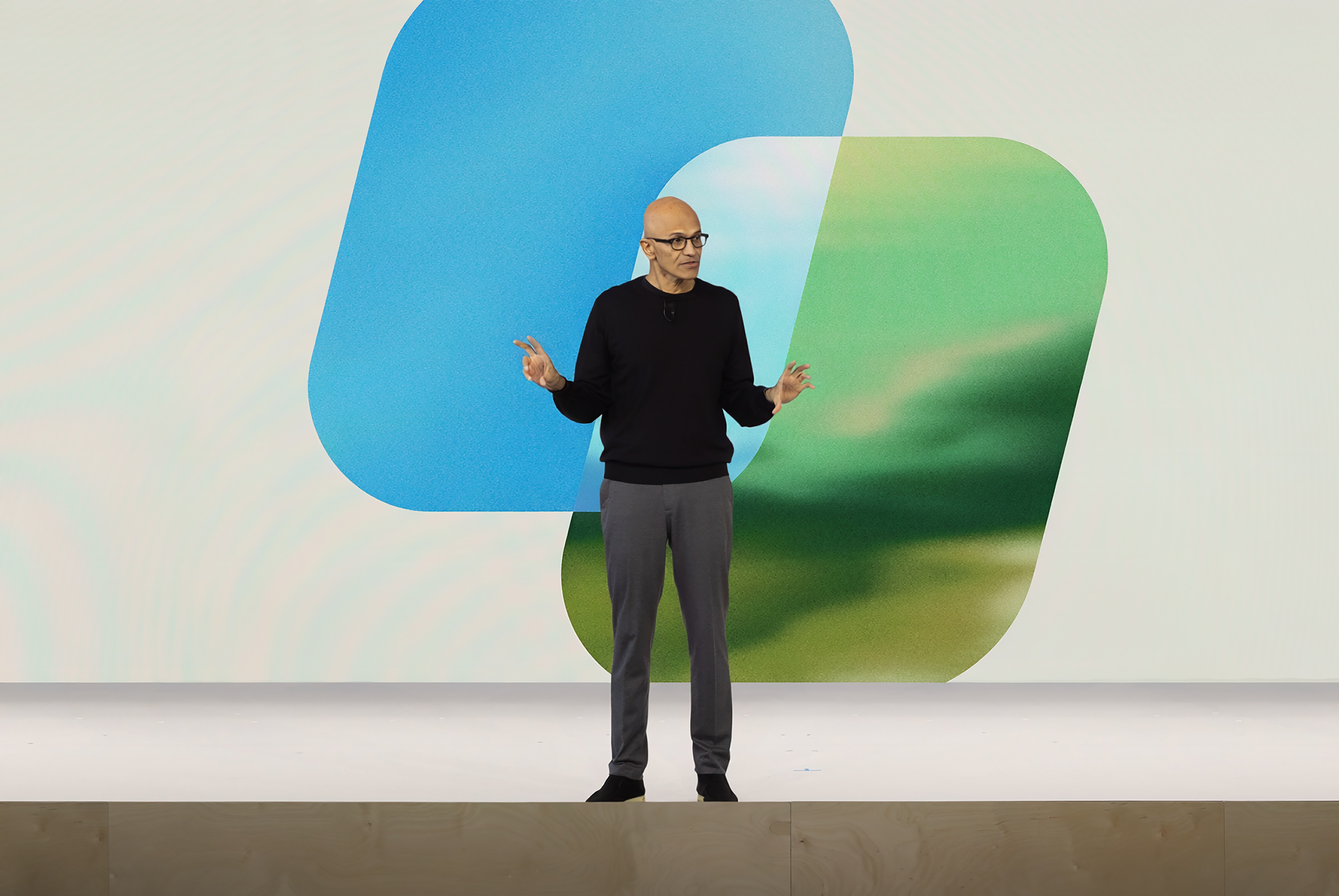
His departure, announced in an internal memo from Satya Nadella, marks the end of a “strong position” for the organization, according to the CEO’s exact words:
“Ryan leaves the organization in a strong position.”
The memo also highlighted Roslansky’s contribution to “critical work bringing together the product, engineering, and design foundations that have made this next phase possible.”
Understanding why this leadership change matters requires a look at the strategic importance of Office and Teams within Microsoft’s broader vision.
Impact on Microsoft Office
Product Roadmap Continuity
Office remains the cornerstone of Microsoft’s productivity revenue, contributing roughly 30 % of the company’s total earnings in recent fiscal years. Roslansky’s stewardship introduced several AI‑driven features—such as Copilot integrations across Word, Excel, and PowerPoint—that aim to differentiate Microsoft from Google Workspace.
With his exit, the immediate question is whether the AI roadmap will maintain momentum. The internal memo suggests that the “foundations” are already in place, implying that the engineering teams have the autonomy to continue development without a major strategic pivot. However, leadership transitions can affect:
- Prioritisation of feature releases – New leadership may re‑evaluate timelines for upcoming AI capabilities.
- Resource allocation – Budgetary decisions could shift if the successor favours other Microsoft divisions.
- Partner ecosystem – ISVs that have built add‑ons for Office may see changes in integration support.
Organizational Stability
Office’s product group is a massive matrix of engineering, design, and sales functions. Roslansky’s background in both product strategy and large‑scale organisational change helped align these silos. His departure could create a temporary vacuum, but Microsoft’s succession planning typically involves appointing an interim leader from within the existing senior team. This approach mitigates disruption and preserves the continuity of ongoing projects.
Implications for Microsoft Teams
Competitive Pressure from Zoom and Slack
Teams competes directly with Zoom, Slack, and emerging collaboration platforms. In the past year, Zoom disclosed a series of security flaws, including an annotation exploit that was patched after an AI‑prompt attack. The details are covered in the article “ Zoom Annotation Flaw Patched After AI‑Prompt Exploit ”. Those incidents have heightened scrutiny on the security posture of all video‑conferencing tools, including Teams.
Roslansky’s leadership helped Teams integrate deeper AI features—real‑time transcription, meeting summarisation, and intelligent task extraction. Maintaining this pace is crucial as enterprises evaluate the total cost of ownership between Teams and its rivals. A leadership change could:
- Accelerate security hardening – New leadership may double‑down on compliance and privacy, especially after Zoom’s high‑profile breaches.
- Refocus on integration – Teams may see tighter coupling with Office 365, reinforcing Microsoft’s “single‑pane‑of‑glass” narrative.
- Influence pricing strategy – Adjustments to tiered plans could be made to retain customers wary of security incidents.
Product‑Design Synergy
The memo’s reference to “product, engineering, and design foundations” underscores a holistic approach that Roslansky championed. Teams’ UI/UX has been iteratively refined to reduce friction for hybrid work. Continued investment in design is essential for user adoption, especially as competitors like Zoom introduce new UI paradigms (see “ Zoom Zero‑Day Exploit: Remote Takeover of iPhone & Mac ”). The cross‑pollination of design insights between Office and Teams will likely remain a priority, regardless of who assumes the helm.
Leadership Shuffle and Organizational Strategy
Immediate Succession Plan
Microsoft rarely leaves senior roles vacant for long. The internal memo hinted at a “leadership shuffle,” suggesting that existing executives will absorb Roslansky’s responsibilities temporarily. Potential candidates include senior vice presidents from the Cloud + AI division, given the increasing convergence of AI across Office and Teams.
Strategic Alignment with Cloud Computing
Both Office and Teams are now core consumption drivers for Microsoft’s Azure cloud platform. By bundling AI services (Azure OpenAI, Cognitive Services) directly into the productivity suite, Microsoft creates a virtuous cycle: higher SaaS adoption fuels cloud revenue, which funds further AI research. The leadership change could be an opportunity to tighten this alignment, especially as the company pushes “AI‑first” across all product lines.
Risk Management
Leadership turnover can expose a company to operational risk. Microsoft’s risk mitigation tactics include:
- Clear hand‑off documentation – Ensuring that ongoing projects have updated roadmaps.
- Stakeholder communication – Maintaining transparency with enterprise customers to avoid churn.
- Talent retention programs – Offering incentives to key engineers who might consider leaving during uncertainty.
Industry Reaction and Competitive Landscape
The tech press has largely framed Roslansky’s exit as a “natural evolution” after a period of rapid growth. Analysts note that Microsoft’s productivity suite remains the market leader, but the margin for error is shrinking as AI democratization lowers entry barriers for competitors.
- Google Workspace continues to embed generative AI, positioning itself as a direct challenger to Microsoft’s Copilot‑driven vision.
- Zoom is leveraging its recent security patches to reassure enterprise buyers, while also expanding its “Zoom Apps” marketplace to compete with Teams’ extensibility model.
- Apple is rumored to be integrating AI‑enhanced collaboration tools into its ecosystem, potentially reshaping the cross‑platform dynamics.
The two Zoom articles referenced earlier illustrate how security incidents can quickly shift market sentiment. Microsoft’s ability to demonstrate robust security, combined with seamless AI integration, will be decisive in retaining its enterprise base.
Future Outlook
Short‑Term (Next 12 Months)
Leadership Stabilisation – Expect an interim leader to be announced within weeks, followed by a permanent
permanent appointment within the next quarter, likely drawn from the senior ranks of the Cloud + AI division, to ensure continuity of the AI‑driven roadmap.
AI‑Feature Delivery – The next set of Copilot enhancements slated for Word and Excel (e.g., “Contextual Data Insights” and “Dynamic Drafting”) are expected to ship on schedule, as the engineering teams have already locked down the underlying model integrations.
Teams Security Hardening – In response to recent industry‑wide scrutiny, Microsoft will roll out a suite of security updates (including end‑to‑end encryption for all meeting types and enhanced conditional‑access policies) within the next two releases, reinforcing its compliance posture for regulated sectors.
Medium‑Term (12‑24 Months)
Unified Collaboration Experience – With a stable leadership team, Microsoft aims to blur the lines between Office and Teams further, delivering a “single‑pane‑of‑glass” experience where documents, chats, and meetings are contextually linked. Early prototypes of “Co‑authoring Sessions” that automatically spawn a Teams meeting when multiple users edit a file are already in private preview.
Monetisation Tweaks – Expect subtle adjustments to the Microsoft 365 pricing tiers, particularly for enterprise customers who heavily leverage AI. A new “Copilot‑Premium” add‑on may be introduced, offering higher‑quota token usage and priority access to the latest OpenAI models.
Talent Retention Initiatives – To guard against attrition during the transition, Microsoft will expand its “AI Innovators” program, granting top‑performing engineers equity grants and dedicated research budgets for experimental features within Office and Teams.
Long‑Term Outlook (24 Months +)
AI‑First Productivity Suite – By 2028, the vision articulated by Satya Nadella – a productivity suite where AI is the default interface rather than a bolt‑on – should be largely realized. This includes predictive workflow automation, real‑time multilingual translation in Teams, and “Zero‑Click” document generation powered by large language models.
Competitive Differentiation – As Google Workspace and emerging AI‑centric platforms mature, Microsoft’s deep integration of Azure AI services will remain its moat. The ability to run Copilot workloads on a customer’s private Azure cloud (via Azure OpenAI Service) could become a decisive factor for highly regulated industries.
Strategic Partnerships – Microsoft may deepen collaborations with ISVs to build industry‑specific Copilot extensions (e.g., legal‑document drafting, financial‑model analysis), further entrenching Office and Teams as the backbone of enterprise digital transformation.
Conclusion
Ryan Roslansky’s departure marks the end of a pivotal chapter for Microsoft’s productivity empire, but the structures he helped cement – AI‑centric product foundations, a tightly knit engineering‑design‑product triad, and a clear cloud‑first strategy – are poised to endure. The immediate leadership shuffle is unlikely to derail the roadmap; instead, it offers an opportunity for fresh perspectives to accelerate the integration of AI across Office and Teams. As the market watches, Microsoft’s ability to maintain momentum on security, feature delivery, and pricing will determine whether it can keep its dominant position in the increasingly crowded productivity landscape.
Frequently Asked Questions
Q: Who is the likely successor to Ryan Roslansky?
A: While Microsoft has not confirmed a name, insiders suggest the role will go to a senior vice president from the Cloud + AI division—potentially the current head of Azure AI or the leader of the Microsoft 365 Engineering group.
Q: Will the AI roadmap for Office be delayed?
A: The internal memo indicates that the core AI foundations are already in place. Most analysts expect only minor schedule adjustments, if any, with major Copilot features still on target for release within the fiscal year.
Q: How will Teams’ security roadmap change?
A: Microsoft has committed to rolling out end‑to‑end encryption for all meeting types, expanded conditional‑access controls, and a new “Secure Meeting Mode” that isolates meeting content from external apps. These updates are slated for the next two major Teams releases.
Q: Should customers be concerned about pricing changes?
A: Any pricing adjustments are expected to be incremental and focused on premium AI capabilities. Existing Microsoft 365 subscriptions will retain their current feature sets, with optional add‑ons for advanced Copilot usage.
Q: What does this leadership change mean for LinkedIn?
A: Roslansky’s exit from Microsoft does not directly affect LinkedIn’s current leadership, as he had already stepped down as CEO in 2022. LinkedIn continues under its present executive team, focusing on professional networking and talent solutions.
Q: How does this affect Microsoft’s competition with Google Workspace?
A: The continuity of AI development in Office and Teams keeps Microsoft ahead in generative‑AI integration. Google Workspace is accelerating its own AI features, but Microsoft’s tighter coupling with Azure AI services and its enterprise‑grade security posture provide a strong competitive edge.
Source: Original Article