






What the Study Reveals
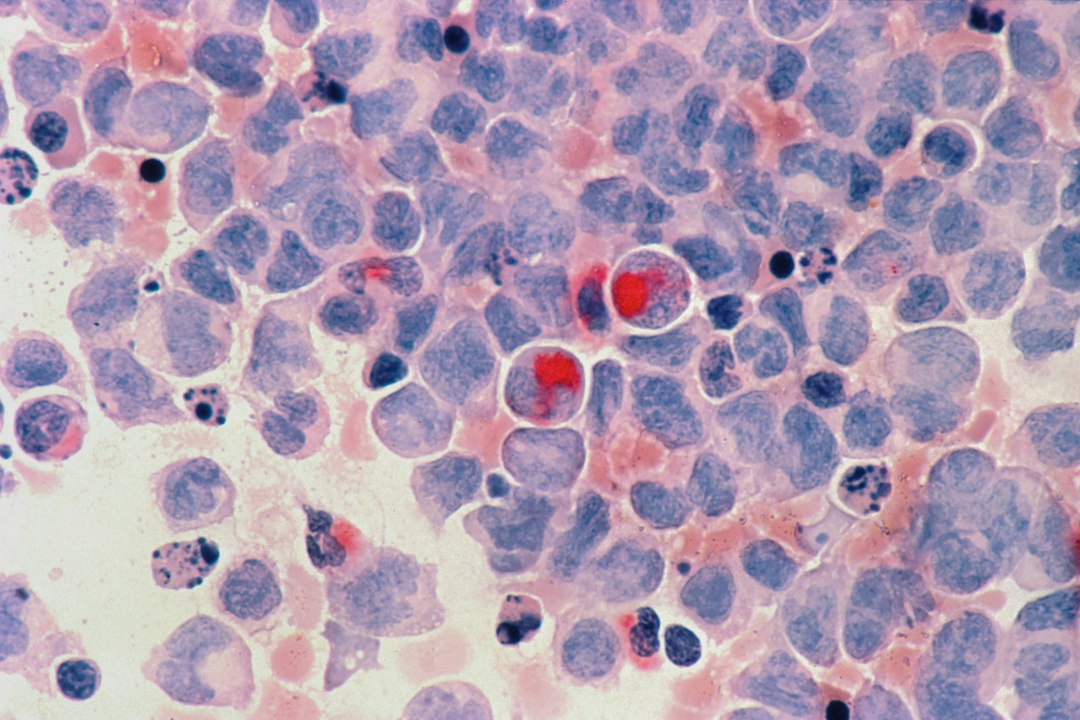
A collaborative team from Columbia University and UC Berkeley has upended a long‑standing belief that microplastics are chemically inert once they reach the microscale. Published in Nature, the research demonstrates that ordinary water—without any sunlight, heat, or catalytic additives—can activate the surface of plastic fragments as small as a few micrometers. The activation produces hydroxyl radicals (·OH), a highly reactive form of reactive oxygen species (ROS). When mouse red blood cells were exposed to these water‑activated particles, the cells underwent hemolysis, confirming that the radicals can directly damage biological membranes.
Key quotes from the investigators underscore the novelty of the finding:
- “As plastic fragments into smaller and smaller particles, its surface area increases enormously,” said Professor Wei Min of Columbia University.
- “These are textbook examples of the kinds of molecules that can damage animal and human tissue,” added postdoctoral researcher Naixin Qian from UC Berkeley.
The correlation between particle size, surface reactivity, and cellular damage suggests a mechanistic link that has been missing from previous epidemiological studies linking microplastic exposure to oxidative stress.
Chemical Mechanism Behind Water‑Activated Microplastics
Surface Area Amplification
When a macro‑plastic object breaks down, the total surface area expands dramatically. For a spherical particle, surface area scales with the square of the radius, while volume scales with the cube. Reducing the radius by a factor of ten therefore increases surface area by a factor of one hundred while decreasing mass by a factor of one thousand. This geometric shift creates a disproportionate number of reactive sites per unit mass.
Water‑Induced Electron Transfer
The researchers propose that water molecules adsorb onto the newly exposed polymer chains, forming a thin hydration layer. Within this layer, hydrogen bonding can facilitate electron transfer from the polymer to dissolved oxygen, generating •OH radicals via the Fenton‑like pathway:
[ \text{Polymer–H}_2\text{O} + \text{O}_2 \rightarrow \text{Polymer}^{\bullet+} + \cdot\text{OH} + \text{HO}_2^{\bullet} ]
No external catalysts are required; the polymer itself acts as a donor because the high curvature of nanoscale fragments destabilizes the carbon backbone, making it more prone to oxidation.
Dominance of Hydroxyl Radicals
Hydroxyl radicals are among the most potent ROS, capable of abstracting hydrogen atoms from lipids, oxidizing amino acid side chains, and cleaving DNA backbones. Their short lifetime (nanoseconds) limits diffusion, meaning damage is highly localized to the immediate vicinity of the microplastic particle—a perfect recipe for membrane disruption.
Biological Implications and Cellular Damage
Hemolysis as a Sensitive Indicator
Red blood cells (RBCs) lack nuclei and most organelles, making them especially vulnerable to membrane perturbations. In the study, RBCs incubated with water‑activated microplastics displayed:
- Shape deformation (echinocytosis) within minutes.
- Increased membrane permeability, leading to ion imbalance.
- Complete rupture (hemolysis) at higher radical concentrations.
The degree of hemolysis scaled with the measured hydroxyl radical yield, confirming causality rather than a coincidental toxic effect of the plastic polymer itself.
Oxidative Stress Beyond Antioxidant Capacity
Human tissues maintain a delicate balance between ROS production and antioxidant defenses (e.g., glutathione, superoxide dismutase). When ROS generation outpaces neutralization, oxidative stress ensues, triggering lipid peroxidation, protein carbonylation, and activation of inflammatory pathways. The study’s findings imply that circulating microplastics could act as “mobile ROS factories,” overwhelming local antioxidant reserves and potentially contributing to chronic conditions such as atherosclerosis, neurodegeneration, or autoimmune disorders.
Broader Environmental and Health Impact
From Oceans to Bloodstreams
Microplastics are ubiquitous: they have been detected in seawater, drinking water, soil, and even atmospheric dust. The new mechanism suggests that once these particles cross physiological barriers—via ingestion, inhalation, or dermal contact—they could become chemically active in the aqueous environments of blood, interstitial fluid, or lymph.
Parallels with Technological Vulnerabilities
Just as software bugs can be silently exploited without obvious external triggers, water‑activated microplastics represent a hidden chemical vulnerability that manifests under normal physiological conditions. This analogy is reminiscent of the way security researchers uncovered latent flaws in widely used platforms, such as the Zoom Annotation Flaw Patched After AI‑Prompt Exploit ( https://ltdeveloperblogs.github.io/posts/zoomsday-hack-uncovered-using-fewer-than-20-ai-prompts ) and the Zoom Zero‑Day Exploit: Remote Takeover of iPhone & Mac ( https://ltdeveloperblogs.github.io/posts/zoom-flaw-let-an-attacker-take-over-your-device-including-iphone-and-mac ). In both cases, seemingly benign environments harbored dangerous agents that required deep investigation to reveal.
Implications for Public Health Policy
Regulatory frameworks have traditionally focused on the physical presence of microplastics (e.g., size limits, concentration thresholds). The discovery that water alone can trigger harmful chemistry calls for a reassessment of safety standards, possibly incorporating:
- Surface chemistry metrics (e.g., radical generation rate) alongside particle count.
- Guidelines for acceptable exposure in medical devices that may come into contact with blood, echoing concerns raised in the HTC Vive Eagle Smart Glasses Put Privacy First article ( https://ltdeveloperblogs.github.io/posts/htc-made-smart-glasses-that-are-way-more-private ) about unintended side effects of emerging tech.
Future Research Directions and Policy Implications
Expanding the Chemical Landscape
Future work should map the reactivity of different polymer types (polyethylene, polystyrene, polyvinyl chloride, etc.) under aqueous conditions. Some plastics may generate other ROS (e.g., superoxide, singlet oxygen) or even release metal ions that catalyze radical formation.
In‑Vivo Validation
Animal models that mimic chronic low‑dose exposure will be essential to determine whether the observed hemolysis translates into systemic pathology. Longitudinal studies could track biomarkers of oxidative stress (malondialdehyde, 8‑oxo‑dG) in populations with high microplastic intake.
Engineering Safer Plastics
If surface activation is driven by specific functional groups, polymer chemists could design additives that suppress electron transfer or promote rapid radical quenching. This mirrors strategies in cybersecurity where code hardening reduces exploitability.
Regulatory Action
Agencies such as the EPA and FDA may need to incorporate chemical reactivity assays into their microplastic risk assessments. Public‑health advisories could also emphasize filtration technologies that remove not just particles but also reactive species generated in situ.
Frequently Asked Questions
Q: Are all microplastics equally reactive?
A: Reactivity depends on polymer composition, particle size, and surface morphology. Smaller particles with higher surface‑to‑volume ratios tend to generate more radicals, but some polymers may be intrinsically less prone to electron transfer.
Q: Does boiling water neutralize the radicals?
A: Hydroxyl radicals have nanosecond lifetimes; they recombine or react almost instantly. Boiling may reduce the concentration of dissolved oxygen, potentially lowering radical formation, but it does not “neutral
…neutralize the radicals already formed; they have already reacted within nanoseconds. Boiling also does not alter the intrinsic surface chemistry of the particles, so once the water cools, radical generation can resume.
Practical Takeaways for Consumers
| Situation | Recommendation |
|---|---|
| Tap water | Use activated‑carbon or reverse‑osmosis filters that can capture particles down to 0.1 µm. While these systems do not “destroy” radicals, they prevent the particles from entering the body in the first place. |
| Bottled water | Choose brands that publish microplastic testing results. Some manufacturers now employ ultrafiltration (≤ 0.02 µm) to meet stricter standards. |
| Cooking | Avoid re‑using plastic cookware at high temperatures; heat can exacerbate surface oxidation, creating additional reactive sites that persist after cooling. |
| Personal care products | Opt for “microplastic‑free” exfoliants and toothpaste. Many products still list polyethylene (PE) or polypropylene (PP) beads that can be ingested. |
Emerging Detection Technologies
Detecting water‑activated microplastics and their associated radicals in real‑time remains a technical hurdle. Researchers are exploring:
- Electron paramagnetic resonance (EPR) spectroscopy – Directly measures unpaired electrons, providing a fingerprint of •OH radicals in situ.
- Fluorescent probe assays – Molecules such as terephthalic acid react with •OH to emit a measurable fluorescence signal, enabling high‑throughput screening of water samples.
- Nanoparticle tracking analysis (NTA) coupled with surface‑enhanced Raman scattering (SERS) – Offers simultaneous size distribution and chemical fingerprinting, crucial for distinguishing polymer types.
These tools could soon be integrated into portable water‑quality monitors, allowing regulators and consumers to assess not just particle counts but also reactive potential.
Policy Outlook: From Counting Particles to Measuring Reactivity
The study’s implications push policymakers to rethink the metrics that define “safe” levels of microplastics. Possible regulatory shifts include:
- Incorporating a “reactivity index” – A standardized test that quantifies radical generation per unit mass of plastic under physiological conditions.
- Setting size‑dependent limits – Recognizing that particles below 10 µm pose a disproportionate chemical risk, agencies may impose stricter caps for the nano‑fraction.
- Mandating disclosure of polymer composition – Similar to ingredient labeling on foods, manufacturers could be required to list the exact polymer blend, enabling risk‑based assessments.
- Funding longitudinal epidemiological studies – To correlate blood‑borne microplastic loads with biomarkers of oxidative stress and disease outcomes.
Such measures would align microplastic regulation with the broader framework used for other chemical hazards, where both exposure concentration and intrinsic toxicity are evaluated.
Future Research Priorities
| Area | Key Questions |
|---|---|
| Polymer‑specific reactivity | Which common polymers (PE, PET, PS, PVC) generate the most •OH under physiological pH and ionic strength? |
| Biological fate | How long do water‑activated particles persist in circulation before clearance by the reticuloendothelial system? |
| Synergistic effects | Do co‑exposures (e.g., heavy metals, endocrine disruptors) amplify ROS production from microplastics? |
| Mitigation strategies | Can surface coatings (e.g., silanization, antioxidant grafting) suppress electron transfer without compromising material performance? |
| Human exposure assessment | What are realistic dose‑response curves for chronic low‑level ingestion versus acute high‑dose exposure? |
Addressing these gaps will help translate laboratory findings into actionable public‑health guidance.
Conclusion
The discovery that ordinary water can turn inert‑looking microplastic fragments into potent sources of hydroxyl radicals overturns a cornerstone assumption in environmental toxicology: that size reduction alone makes plastics chemically harmless. By demonstrating a clear mechanistic link between surface‑area‑driven electron transfer, radical formation, and red‑blood‑cell hemolysis, the Columbia‑Berkeley team provides the missing piece that connects microplastic exposure to oxidative‑stress–related disease pathways.
In practical terms, the findings urge a shift from merely counting particles in water, air, and food to evaluating their chemical reactivity. Consumers can reduce personal risk through improved filtration, mindful product choices, and avoiding high‑temperature plastic use. Meanwhile, regulators and industry stakeholders face a new mandate: develop standards that account for the hidden “reactive” nature of microplastics and invest in safer polymer designs.
As the world grapples with ever‑increasing plastic production, recognizing that water itself can weaponize these fragments adds urgency to the call for a circular‑economy approach—designing, using, and disposing of plastics in ways that prevent them from ever reaching the nanoscale, let alone becoming microscopic ROS factories inside our bodies.
Frequently Asked Questions (continued)
Q: Can the body’s natural antioxidants neutralize the radicals produced by microplastics?
A: Antioxidants such as glutathione can scavenge •OH, but their capacity is limited. When radical production outpaces these defenses—especially in localized microenvironments near the particle—the resulting oxidative stress can cause damage before antioxidants intervene.
Q: Are there any known health conditions directly linked to microplastic‑induced ROS?
A: Direct causation in humans has not yet been established, but elevated oxidative‑stress markers have been observed in populations with high dietary microplastic intake. Ongoing cohort studies aim to clarify these associations.
Q: Do cooking oils or acidic foods affect the reactivity of microplastics?
A: Acidic or lipid‑rich environments can alter surface chemistry, potentially enhancing electron transfer. However, the current study focused on aqueous media; further research is needed to map reactivity across different bodily fluids.
Q: How reliable are current laboratory methods for measuring hydroxyl radicals from microplastics?
A: Techniques like EPR and fluorescent probe assays are considered gold standards, but they require careful calibration to distinguish particle‑generated radicals from background ROS. Standardized protocols are still under development.
Q: Could wearing plastic‑based medical devices (e.g., catheters) pose a similar risk?
A: Yes, any implanted or blood‑contacting polymer could, in theory, generate radicals if its surface becomes sufficiently activated. Manufacturers are already exploring antioxidant‑coated polymers to mitigate this risk.
Q: What steps can policymakers take right now while research continues?
A: Interim measures include tightening filtration standards for drinking water, requiring microplastic reporting on product labels, and funding interdisciplinary studies that bridge materials science, toxicology, and epidemiology.
The authors thank the research teams at Columbia University and UC Berkeley for their groundbreaking work, and they acknowledge the peer reviewers at Nature for their rigorous evaluation.
Source: Original Article