

Introduction: Meta Enters the Smart‑Glasses Arena with Its Own Brand
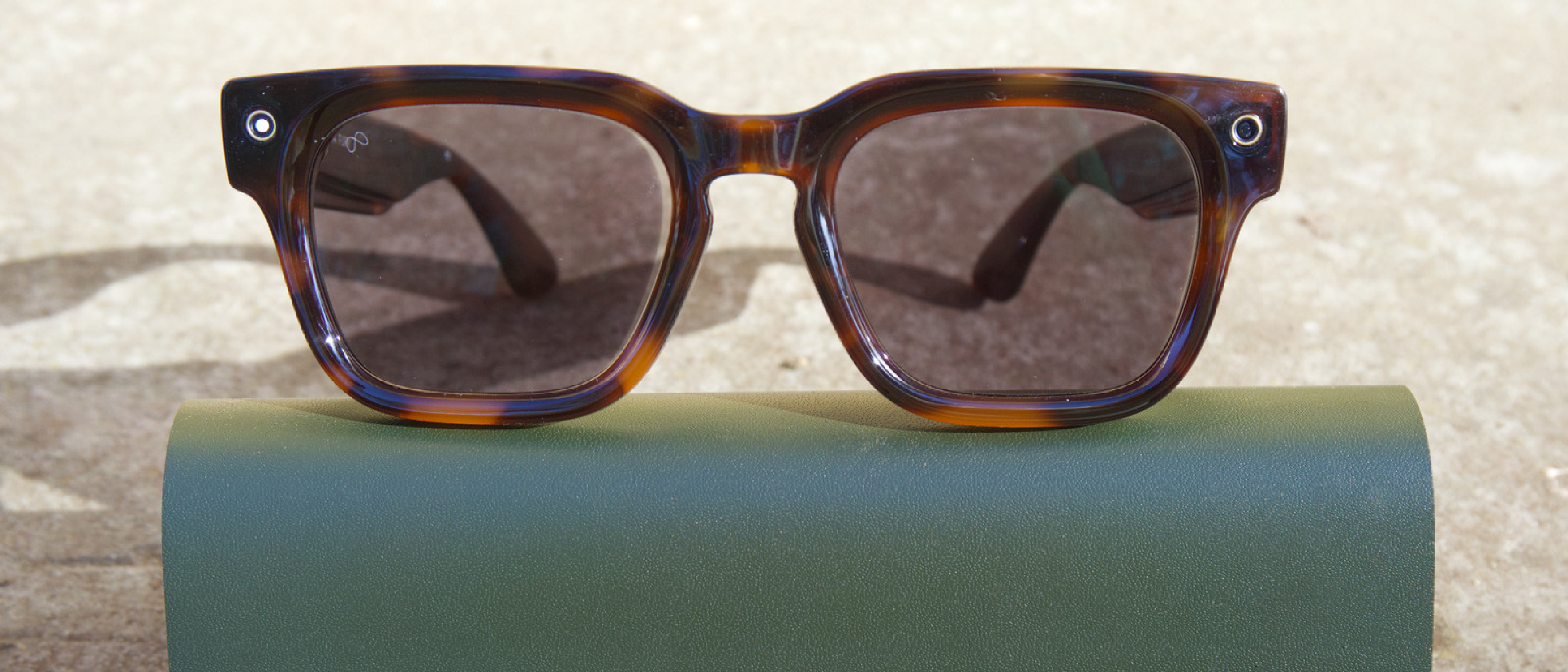
Meta has taken a decisive step away from its previous collaborations with Ray‑Ban and Oakley by unveiling Meta Glasses, a line of branded smart spectacles that promise the same core functionality as the earlier models but at a markedly lower entry price. Priced from $299, the new frames—Adventurer, Starfire (co‑designed with Kylie Jenner), and Fury—aim to broaden adoption among consumers who were previously deterred by the $399‑plus price tag of Ray‑Ban Meta devices.
The launch arrives amid a crowded wearables market where Apple’s Vision Pro, Google’s Pixel Glasses, and a host of niche AR headsets compete for attention. Meta’s strategy is clear: democratize smart‑glasses by offering a more affordable hardware platform while retaining the essential camera, microphone, and AI‑driven software stack that defines the Meta ecosystem.
Technical Breakdown: What’s Inside the Meta Glasses?
Core Hardware Specs
| Component | Specification |
|---|---|
| Camera | 12‑megapixel sensor, fixed focus |
| Audio | Dual‑mic array with noise‑reduction |
| Processor | Meta‑optimized SoC (same generation as Gen 1 Ray‑Ban) |
| Battery | Approx. 5‑hour mixed‑use life (camera + AI) |
| Connectivity | Bluetooth 5.2, Wi‑Fi 6, optional 5G via paired phone |
| Frames | Polycarbonate (Adventurer, Fury) or acetate (Starfire) |
| Lenses | Transition lenses; prescription options via Optics line |
The camera remains the most talked‑about hardware element. While the 12 MP sensor matches the resolution of the Gen 1 Ray‑Ban models, Meta has refined the image processing pipeline, delivering sharper live captures and a new Dynamic Capture mode that mimics a live‑photo effect. The Action button—a tactile, programmable control on the temple—lets users assign shortcuts such as “quick snap,” “voice memo,” or “activate navigation.”
Software Features
- Live AI: Real‑time object recognition that overlays minimal visual cues (e.g., “person,” “car”) on the user’s view. Currently a novelty demo, it hints at future contextual AR.
- Conversation Focus: A rate‑limited feature that isolates a speaker’s voice in noisy environments. Requires a Meta One subscription, positioning the service as a recurring revenue stream.
- Pedestrian Navigation: Audio‑only turn‑by‑turn cues that guide users without visual distraction. The feature is present in firmware but not yet enabled, suggesting a staged rollout.
- Firmware Safeguards: A mandatory update disables the camera if the LED indicator is tampered with, a move Meta frames as a privacy‑first device.
Prescription and Optics
Meta’s Optics line extends the platform to users who need corrective lenses. While the base price starts at $299, prescription versions carry a premium due to custom lens grinding and coating. Transition lenses automatically darken in bright conditions, a convenience feature that aligns the glasses with everyday eyewear expectations.
Why It Matters: The Strategic Rationale Behind Meta’s Move
Lowering the Barrier to Entry
The $80‑plus price gap between the Adventurer/Fury models and the newer Ray‑Ban frames is significant for price‑sensitive consumers. By offering a sub‑$300 entry point, Meta hopes to capture a broader demographic, especially younger users who are early adopters of AR and social media integration.
Consolidating the Ecosystem
Meta’s previous reliance on third‑party fashion brands created a fragmented product line. Owning the brand outright simplifies supply chain logistics, firmware distribution, and future hardware iterations. It also allows Meta to embed its Meta One subscription services directly into the device without negotiating revenue splits with partner brands.
Data and AI Feedback Loop
Every snap, voice memo, or navigation request feeds anonymized data back to Meta’s AI models. The Live AI and Conversation Focus features are early experiments that benefit from large‑scale usage data. By expanding the user base, Meta accelerates the training of these models, potentially unlocking more sophisticated AR overlays in later generations.
Social Perception and Privacy Concerns
Reviewer Karissa Bell’s candid quote—“A bit less polish, a lot more baggage”—captures the mixed reception. While the hardware is more accessible, the social stigma surrounding wearable cameras persists. Bell’s second remark—“I don’t think it’s fair to label anyone who wears smart glasses a ‘creep’ or ‘pervert,’ but it’s hard not to think about it at times.”—highlights the privacy debate that Meta must navigate through transparent policies and hardware safeguards.
Industry Impact: How Competitors and the Market May React
Competitive Pricing Pressure
Meta’s price point forces rivals to reassess their own cost structures. Apple’s Vision Pro, priced well above $3,000, targets a premium segment, but the emergence of a $299 smart‑glasses option could spur mid‑range competitors like Google and Snap to introduce more affordable variants.
Partnerships and Fashion Credibility
The Starfire frame, co‑designed with Kylie Jenner, demonstrates Meta’s continued interest in fashion collaborations. However, the move away from Ray‑Ban and Oakley may encourage other eyewear giants to negotiate exclusive deals, potentially creating a new tier of “designer” smart glasses that sit above Meta’s baseline offering.
Regulatory Scrutiny
The mandatory firmware lock that disables the camera if the LED is tampered with may appease regulators concerned about covert recording. Yet, the Conversation Focus subscription model could attract antitrust attention if Meta leverages its platform dominance to lock users into a paid ecosystem.
Related Coverage
Meta’s broader strategic moves are discussed in its India investment story, which underscores the company’s appetite for ecosystem expansion: Meta Bets Big on India: WhatsApp’s New Chief & $900M CRED Deal . Additionally, the AI‑centric features of Meta Glasses echo concerns raised in the AI safety discourse: Anthropic’s Fable 5: The AI Safety Crisis . Finally, the hardware design choices—especially the emphasis on acoustic isolation—parallel trends in consumer audio tech: Noise Canceling Tech .
Future Outlook: What to Expect from Meta’s Smart‑Glasses Roadmap
- Software Maturation: Expect incremental firmware releases that unlock the pedestrian navigation audio cues and refine the Dynamic Capture algorithm. Meta’s subscription model suggests a steady stream of premium features.
- Hardware Iterations: The current SoC is already a generation behind the latest AR chips. Future versions may incorporate dedicated neural processing units (NPUs) for on‑device AI, extending battery life while delivering richer overlays.
- Ecosystem Integration: Deeper ties with Meta’s social platforms (Instagram, Threads) could enable seamless story sharing directly from the glasses, reinforcing the “social camera” narrative.
- Regulatory Alignment: As privacy legislation tightens globally, Meta may introduce hardware‑level privacy toggles (e.g., a physical shutter) to pre‑empt legal challenges.
- Form‑Factor Evolution: While the current frames are conventional sunglasses, a slimmer, more “invisible” design could appear in the next two years, targeting professional and enterprise use cases.
Frequently Asked Questions
Q: Do Meta Glasses work with any smartphone?
A: Yes. They pair via Bluetooth and require the Meta app on iOS 15+ or Android 12+. Full functionality is unlocked when linked to a Meta account.
Q: Is the 12 MP camera sufficient for professional use?
A: The camera is optimized for casual snapshots and AI‑enhanced previews. For high‑resolution photography or video production, dedicated devices remain superior.
Q: Can I use the glasses without a Meta One subscription?
A: Core features—camera, audio recording, and basic AI overlays—are free. Advanced services like Conversation Focus require a paid Meta One plan.
Q: Are the prescription lenses interchangeable with the standard frames?
A: Prescription lenses are custom‑ordered for each frame style through the Optics line. They are not interchangeable across different frame models.
Q: How does the mandatory firmware update affect privacy?
A: The update disables the camera if the LED indicator is physically altered, preventing covert recording. This hardware safeguard aligns with Meta’s stated privacy commitments.
Conclusion
Meta Glasses represent a calculated pivot toward mass‑market adoption of smart eyewear. By stripping away the premium price of Ray‑Ban collaborations and delivering a capable hardware suite at $299, Meta is betting that affordability will outweigh lingering privacy concerns. The inclusion of AI‑driven features, a subscription‑based service layer, and fashion‑forward frame options positions the product at the intersection of technology, style, and social media.
Whether the market embraces this “less polished, more baggage” approach will hinge on how effectively Meta can address privacy anxieties, deliver compelling software upgrades, and sustain a compelling ecosystem that justifies the Meta One subscription. If successful, Meta Glasses could set a new baseline for affordable AR wearables, prompting competitors to follow suit and accelerating the mainstream acceptance of smart glasses.
Source: Original Article