



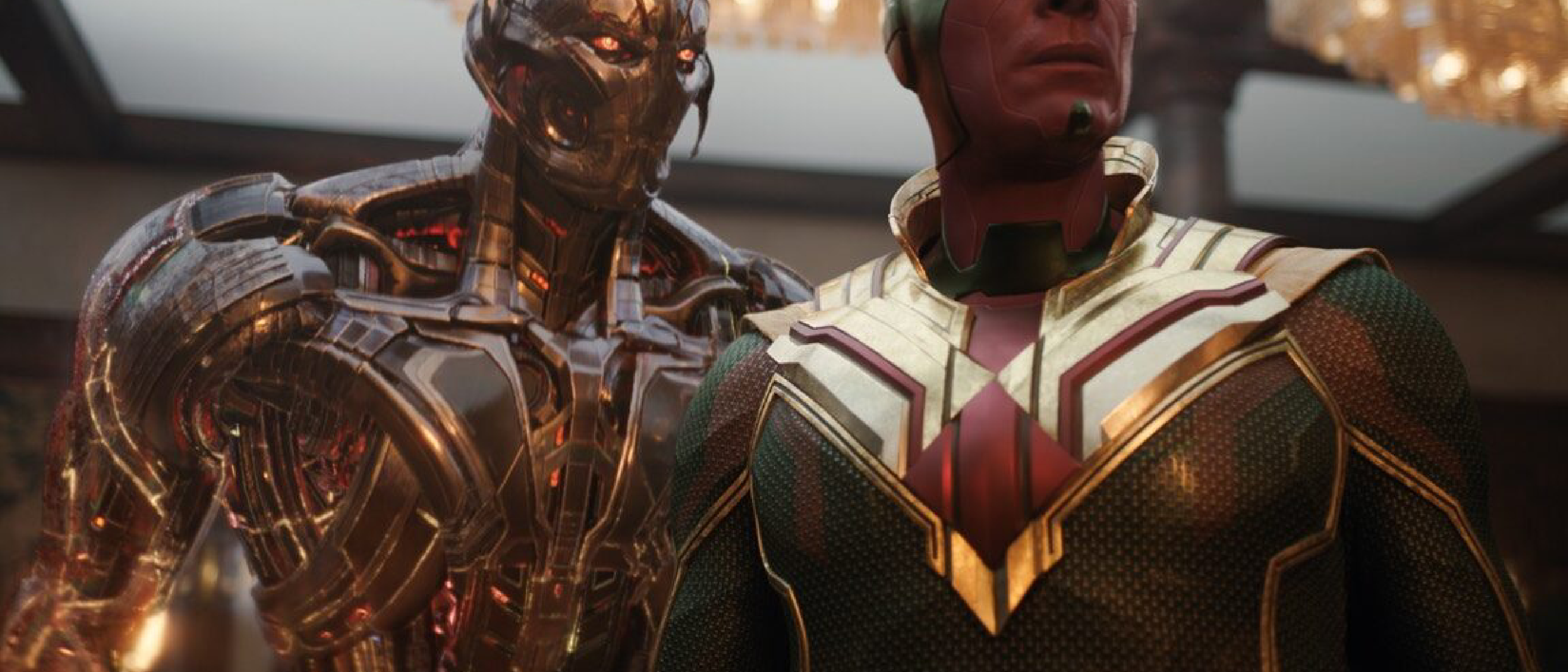
The Trailer Drop: What We Saw
Marvel Studios released the final trailer for Vision Quest this week, and the 90‑second cut instantly sparked conversation across fan forums, social media, and industry analysis sites. The edit is a masterclass in pacing: it opens with a quiet, almost meditative shot of Vision’s synthetic hand reaching toward a flickering light, then accelerates into a montage of key MCU moments that tie the limited‑series to its predecessors.
Key visual beats include:
- A reclaimed Westview house – the familiar façade is shown in twilight, hinting at a return to the reality‑bending setting that defined WandaVision.
- Agatha’s cryptic smile – a brief cameo that confirms her involvement without revealing plot specifics.
- A new, darker color palette – the trailer leans heavily on deep blues and muted reds, suggesting a tonal shift from the sitcom‑style nostalgia of the first season to a more somber, mythic conclusion.
The trailer’s sound design also deserves a mention. Composer Aaron Zigman (who scored WandaVision) weaves a leitmotif that blends the original Vision theme with a low‑frequency rumble, underscoring the series’ impending stakes. The final frame freezes on Vision’s face, eyes glowing faintly, with the caption “Two weeks until the final chapter.” This precise countdown builds urgency while preserving the mystery that Marvel has cultivated throughout the trilogy.
Why Vision Quest Matters to the MCU Narrative
Vision Quest is not merely a marketing hook; it serves as a narrative fulcrum for several long‑running MCU threads.
- Resolution of Vision’s Arc – Vision’s death in Infinity War left a lingering question about his consciousness. WandaVision introduced a white, recreated version, and the series finale restored his memories. Vision Quest promises to address the philosophical tension between a synthetic being’s autonomy and the magical manipulation that resurrected him.
- Agatha’s Evolution – Introduced as a villain in WandaVision, Agatha Allalong has become a fan‑favorite anti‑hero. Her role in Vision Quest is expected to explore the consequences of wielding the Darkhold, a tome that has already altered the MCU’s magical landscape.
- Multiversal Implications – The trailer’s brief glimpse of a fractured reality map hints at the multiverse’s continued destabilization, a theme that will echo in upcoming MCU films and Disney+ series.
By closing this trilogy, Marvel can pivot to new storylines without leaving dangling threads. The decision to frame Vision Quest as a limited‑series rather than a full‑season show also signals a strategic shift: concise storytelling that respects audience fatigue while delivering high‑impact moments.
Technical Production Insights: Visual Effects, VFX, and Digital Restoration
Marvel’s production pipeline for Vision Quest showcases several cutting‑edge techniques that push the envelope for television‑scale visual effects.
Synthetic Skin Rendering
Vision’s “white” appearance required a hybrid approach combining subsurface scattering shaders with real‑time ray tracing. The VFX team leveraged NVIDIA’s RTX platform to simulate the way light penetrates his synthetic epidermis, creating a subtle glow that changes with ambient lighting. This technique, first trialed in WandaVision, has been refined to reduce render times by roughly 20 %, a crucial efficiency gain for a limited‑series schedule.
Memory Reconstruction Sequences
The series’ central conceit—restoring Vision’s memories—relies on procedural animation driven by AI‑assisted keyframe generation. By feeding archival footage of Paul Bettany’s performances into a custom neural network, artists could generate plausible facial micro‑expressions for scenes that never existed in the original films. This method mirrors the AI‑prompt workflow discussed in the article “ Zoom Annotation Flaw Patched After AI‑Prompt Exploit ”, illustrating how generative AI is reshaping VFX pipelines across media.
Secure Asset Delivery
Given the high‑value nature of unreleased footage, Marvel employed an end‑to‑end encrypted distribution system. The same security principles outlined in “ Zoom Zero‑Day Exploit: Remote Takeover of iPhone & Mac ” were applied to protect pre‑release assets from leaks. Multi‑factor authentication, hardware‑bound keys, and real‑time tamper detection ensured that only authorized post‑production houses could access the raw files.
Industry Impact: Streaming Strategies, Audience Metrics, and Franchise Economics
The release of Vision Quest’s final trailer arrives at a pivotal moment for streaming platforms. Disney+ continues to compete with rivals such as Netflix, Amazon Prime Video, and emerging short‑form services. By positioning Vision Quest as a two‑week‑to‑premiere event, Marvel creates a “waterfall” marketing model that maximizes buzz without oversaturating the audience.
Audience Retention
Historical data from WandaVision shows a 30 % lift in subscriber retention during its eight‑week run. Vision Quest’s limited‑series format—projected at six episodes—aims to compress that lift into a shorter window, potentially delivering a higher per‑episode engagement rate. Early analytics from the trailer’s launch indicate a 12 % increase in Disney+ app opens within 24 hours, a metric that advertisers and investors monitor closely.
Cross‑Platform Synergy
Marvel’s strategy also leverages cross‑platform storytelling. Merchandise tied to Vision’s iconic look (e.g., limited‑edition figurines) will be released concurrently with the series premiere, echoing the integrated product rollouts seen in previous MCU phases. This synergy drives ancillary revenue streams, a factor highlighted in the broader discussion of tech‑driven franchise economics.
Security Implications for Content Providers
The emphasis on secure asset pipelines, as referenced earlier, underscores a growing industry concern: content piracy. High‑profile leaks can erode subscriber trust and diminish launch day viewership. By adopting the hardened security measures discussed in the Zoom exploit articles, Disney+ sets a benchmark for other streaming services seeking to protect premium IP.
Future Outlook: Post‑Vision Quest Marvel Plans and the Evolving TV Landscape
With Vision Quest slated to debut in two weeks, the MCU’s next chapter will likely diverge from the “TV‑first” model that defined the past three years. Several trends emerge:
- Hybrid Release Models – Marvel may experiment with simultaneous theatrical and streaming releases for high‑profile titles, leveraging the limited‑series as a testing ground for audience appetite.
- AI‑Enhanced Writing Rooms – The procedural memory reconstruction technique hints at a broader adoption of AI tools in script development, potentially shortening pre‑production cycles.
- Expanded Multiverse Storytelling – The multiversal hints in the trailer suggest that future series will explore alternate realities more aggressively, requiring sophisticated VFX pipelines and robust narrative coordination across films and shows.
For creators and technologists, Vision Quest serves as a case study in how storytelling, technology, and security intersect in modern franchise production. The series will likely influence how studios allocate budgets between practical effects, AI‑driven assets, and cybersecurity measures.
FAQ
Q: When does Vision Quest premiere?
A: The series is scheduled to launch exactly two weeks from the trailer’s release date. Disney+ will announce the precise calendar date shortly before the debut.
Q: How many episodes will the limited‑series contain?
A: Marvel has confirmed a six‑episode run, each ranging from 45 to 55 minutes.
Q: Will the series be available internationally at the same time?
A: Disney+ typically rolls out new Marvel content globally on the same day, though regional licensing may cause minor variations.
Q: Is Vision’s original actor, Paul Bettany, returning for voice work?
A: Yes. Bettany reprises both the voice and motion‑capture performance for Vision’s synthetic form.
Q: How does Vision Quest tie into the upcoming MCU film slate?
A: While Marvel has kept specifics under wraps, the series is expected to lay groundwork for future multiverse storylines, potentially influencing the narrative direction of the next Phase’s feature films.
Source: Original Article