





Background of the 20th‑Anniversary Claims
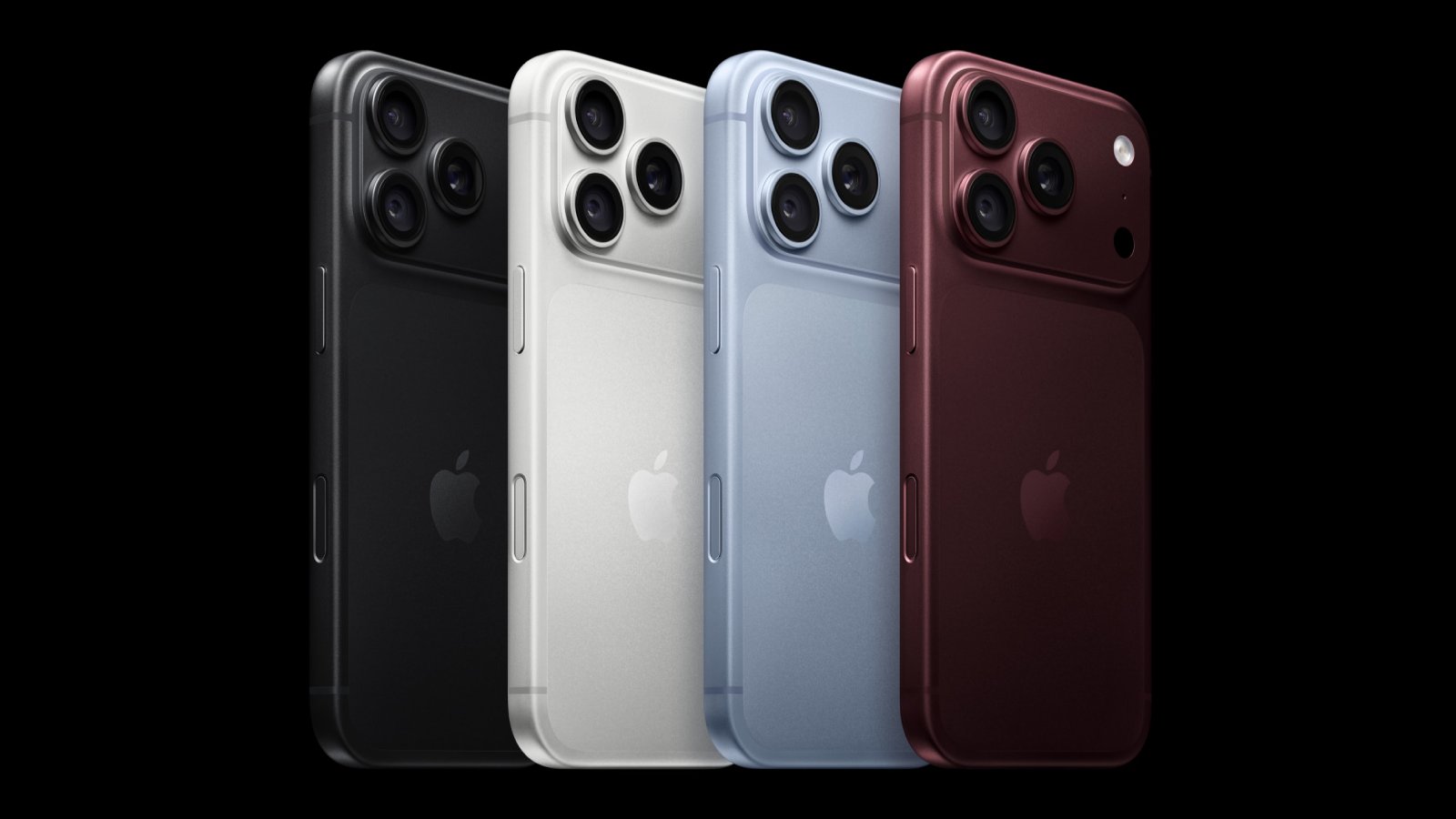
Apple unveiled the first iPhone in June 2007, setting a benchmark for consumer smartphones. Two decades later, the tech press is awash with speculation about a “20th‑anniversary” device that would celebrate the milestone. Unlike previous launches, the current rumor ecosystem is unusually fragmented:
- Supply‑chain leaks – Taiwanese manufacturers have hinted at a new “A‑series” chip with a 5‑nanometer‑plus process.
- Analyst briefings – Market research firms have published slide decks suggesting a larger 6.7‑inch display and a per‑camera sensor upgrade.
- Patent filings – Apple’s recent patents reference “under‑display Touch ID” and “dual‑frequency 5G”.
The coexistence of these sources has produced contradictory headlines: some claim a “iPhone 20 Pro Max” with a 48 MP main sensor, while others argue the device will retain a 12 MP camera but focus on a new “satellite‑link” feature. The lack of an official announcement amplifies the noise, prompting journalists to sift through the data with a forensic mindset.
Why the Reports Conflict
1. Divergent Source Types
| Source | Typical Reliability | Reason for Variance |
|---|---|---|
| Tier‑1 suppliers (e.g., Foxconn) | High – they handle component assembly | May discuss future prototypes that never ship |
| Analyst firms (e.g., IDC, Counterpoint) | Medium – rely on market surveys | Forecasts can be influenced by client expectations |
| Patent publications | Low for product specs – focus on concepts | Patents protect ideas, not final implementations |
When a supplier mentions a “new A‑chip”, the information may refer to a test silicon used internally, not the silicon that will be mass‑produced. Analysts, on the other hand, often extrapolate from previous year‑over‑year trends, which can lead to over‑optimistic spec sheets.
2. Translation and Metric Mismatches
International reporting adds another layer of confusion. A Japanese outlet quoted a “6.9‑inch” screen, but the original metric was 6.9 cm of diagonal glass thickness—a detail that was lost in translation. Similarly, “48 MP” can refer to effective pixel count after pixel‑binning, not the raw sensor resolution.
3. Intentional Misdirection
Apple has a history of seeding “false trails” to protect upcoming features. The 2018 “iPhone XS” rumors about a “dual‑camera” system were deliberately vague, allowing Apple to surprise the market with a triple‑camera array. Some of the current conflicting reports may be the result of strategic leaks designed to keep competitors guessing.
Technical Breakdown of the Leaked Specs
Processor and Architecture
Multiple supply‑chain sources point to an “A‑16 Bionic” successor built on an enhanced 5‑nm process. Key technical expectations include:
- Increased transistor density – Roughly 15 % more transistors than the current A‑15, enabling higher peak performance.
- Hybrid CPU cores – A mix of high‑performance and efficiency cores, similar to the architecture introduced with the M1 chip.
- Integrated Neural Engine – Projected to reach 30 TOPS (trillion operations per second), supporting on‑device AI for photography and AR.
These details align with Apple’s broader push toward on‑device machine learning, a trend also highlighted in the Zoom Zero‑Day Exploit analysis, where sophisticated AI‑driven detection mechanisms are becoming essential for security (see https://ltdeveloperblogs.github.io/posts/zoom-flaw-let-an-attacker-take-over-your-device-including-iphone-and-mac ).
Display and Form Factor
Conflicting reports list both 6.7‑inch and 6.9‑inch OLED panels. The variance can be explained by:
- Aspect‑ratio experiments – Apple may be testing a 20:9 ratio for better media consumption.
- Under‑display camera technology – A thinner bezel could accommodate an under‑display Touch ID sensor, a feature hinted at in recent patents.
If the under‑display sensor materializes, it would replace the notch while preserving Face ID’s depth‑mapping capabilities, a move that could reduce the front‑panel thickness by up to 0.5 mm.
Camera System
The most polarizing rumor concerns the primary sensor resolution. Some leaks claim a 48 MP sensor, while others maintain a 12 MP sensor with larger pixel size. Technical considerations include:
- Pixel‑binning – A 48 MP sensor can combine four pixels into one, delivering a 12 MP output with superior low‑light performance.
- Lens redesign – A larger sensor would require a wider aperture lens, potentially increasing the module’s thickness—something Apple has historically avoided.
Given Apple’s recent emphasis on computational photography, the safer bet is a 12 MP sensor paired with an upgraded image‑signal processor (ISP) that leverages the new Neural Engine for real‑time HDR and night‑mode enhancements.
Connectivity
A recurring theme is “dual‑frequency 5G” and “satellite‑link” capabilities. The former is already present in the iPhone 14 series, but a second 5G band (mmWave + sub‑6 GHz) would improve global coverage. Satellite connectivity, first introduced for emergency SOS, may be expanded to basic messaging—a feature that would require new antenna designs and firmware updates.
Industry Impact and Market Reaction
Competitive Landscape
If Apple delivers a device with a larger display, under‑display Touch ID, and a more powerful Neural Engine, competitors will need to accelerate their own AI‑centric roadmaps. Samsung’s Galaxy S series already showcases a 200 MP sensor; a 48 MP iPhone would force a direct comparison on image quality, pushing Samsung to emphasize its own computational gains.
Supply‑Chain Ripple Effects
A shift to a new 5‑nm+ process could strain existing fab capacity at TSMC, potentially affecting other high‑end smartphones and even automotive chips. Historically, Apple’s volume orders have driven fab upgrades; a larger chip could accelerate TSMC’s transition to 3‑nm production.
Security Considerations
The introduction of an under‑display sensor raises new attack vectors. Researchers have demonstrated that hidden cameras can be used to infer touch patterns, a concern explored in the Mac Antivirus Intego One article ( https://ltdeveloperblogs.github.io/posts/your-mac-isnt-immune-to-viruses-surveillance-tools-intego-one-is-here-to-help ). Apple will likely reinforce secure enclave protections and introduce additional biometric liveness checks.
Consumer Expectations
The hype surrounding a “20th‑anniversary” model sets a high bar for design novelty. Consumers now expect not just incremental upgrades but a clear narrative—whether that’s a celebration of legacy (e.g., a retro color palette) or a leap forward (e.g., satellite messaging). Brands that fail to meet these narrative expectations risk losing premium market share.
Future Outlook and What to Expect
- Official Announcement Timeline – Apple traditionally unveils flagship iPhones in September. Given the volume of rumors, a formal reveal is likely to occur in early September 2027, aligning with the anniversary year.
- Potential Feature Set – Based on the technical analysis, the most plausible configuration includes:
- A‑16 Bionic chip with a 30 TOPS Neural Engine
- 6.7‑inch OLED with 120 Hz ProMotion
- Under‑display Touch ID alongside Face ID
- 12 MP primary camera with advanced computational photography
- Expanded satellite messaging
- Post‑Launch Ecosystem – Expect a wave of iOS 18 updates that unlock new AI‑driven features, such as on‑device translation and real‑time video upscaling. Developers will need to adopt the latest Vision and Core ML APIs to leverage the enhanced Neural Engine.
- Market Forecast – Analysts predict a 5‑10 % premium over the previous generation, driven by the novelty factor and the “anniversary” branding. Early‑adopter sales will likely be bolstered by pre‑order incentives, a strategy Apple has refined over the past decade.
For journalists covering this story, the challenge lies in separating signal from noise. The article When Tech News Is Empty: How to Fill the Void offers useful tactics for building a narrative when primary sources are scarce ( https://ltdeveloperblogs.github.io/posts/ios-27-beta-5-adds-option-to-upgrade-icloud-subscription-for-more-ai ). Applying those tactics—cross‑checking multiple supply‑chain reports, consulting patent databases, and contextualizing historical launch patterns—will produce a more reliable story.
Frequently Asked Questions
Q1: Will the 20th‑anniversary iPhone finally replace the notch?
A: Rumors of an under‑display Touch ID suggest Apple aims to eliminate the notch while retaining Face ID. However, the final design may retain a minimal cut‑out for the front‑camera array.
Q2: Is the rumored 48 MP sensor real?
A: The consensus among hardware analysts is that Apple will continue using a 12 MP sensor paired with advanced pixel‑binning and AI processing, rather than a raw 48 MP sensor.
Q3: How will the new Neural Engine affect app performance?
A: Developers can expect up to a 30 % speed increase for on‑device ML tasks, enabling smoother AR experiences, real‑time video effects, and more responsive Siri interactions.
Q4: Will satellite messaging be available worldwide?
A: Initial rollout is expected to focus on regions with limited cellular coverage, similar to the emergency SOS feature. Full global availability will depend on regulatory approvals and carrier partnerships.
**Q5
Q5: What are the biggest risks Apple faces with this launch? A: The primary risks include:
- Supply chain bottlenecks: A 5-nm+ process shift could strain TSMC’s capacity, leading to production delays.
- Feature overpromising: If the “anniversary” branding raises expectations beyond what the hardware can deliver (e.g., under-display Touch ID failing to match Face ID’s reliability), backlash could erode trust.
- Security vulnerabilities: New biometric sensors and satellite connectivity introduce attack surfaces that could be exploited before patches are deployed.
- Market saturation: With iPhone upgrade cycles lengthening, Apple may struggle to justify a premium price unless the device offers perceptible generational leaps in battery life, AI, or form factor.
The Broader Implications for Apple’s Ecosystem
Software and Services Synergy
The 20th-anniversary iPhone is poised to act as a catalyst for Apple’s broader ecosystem. The rumored 30 TOPS Neural Engine aligns with Apple’s push toward on-device AI, a strategy that reduces reliance on cloud processing and enhances privacy. Key software integrations to watch include:
- iOS 18’s AI features: Real-time language translation, contextual Siri suggestions, and AI-powered photo/video editing tools (e.g., automatic object removal or style transfer).
- App Store policies: Developers may face stricter requirements to optimize apps for the new Neural Engine, potentially accelerating the adoption of Core ML and Vision frameworks.
- Services monetization: Satellite messaging could evolve into a subscription-based service (e.g., “iMessage Global”), while AI-driven features might be gated behind iCloud+ tiers.
Environmental and Ethical Considerations
Apple’s environmental commitments will face scrutiny with this launch. The shift to a 5-nm+ process could increase energy consumption during manufacturing, while the potential inclusion of rare-earth minerals (e.g., for the Neural Engine) may conflict with Apple’s 2030 carbon-neutral goals. Expect:
- Recycled materials: A renewed emphasis on aluminum and rare-earth recycling in the device’s construction.
- Repairability trade-offs: Under-display Touch ID and thinner bezels could reduce repairability scores, drawing criticism from right-to-repair advocates.
- Carbon footprint disclosures: Apple may preemptively release a lifecycle assessment report to address sustainability concerns.
Competitive Counter-Moves
Apple’s rivals are unlikely to remain passive. Anticipated responses include:
- Google: Accelerating the development of its Tensor G4 chip to match Apple’s on-device AI capabilities, possibly integrating satellite connectivity into the Pixel 9.
- Samsung: Doubling down on foldable displays (e.g., Galaxy Z Fold 6) to differentiate from Apple’s “traditional” form factor, while leveraging its 200 MP sensor as a marketing advantage.
- Chinese OEMs: Brands like Xiaomi and Oppo may prioritize under-display camera technology to close the gap with Apple’s front-panel design.
Conclusion: Separating Hype from Reality
The 20th-anniversary iPhone rumors encapsulate the challenges of modern tech journalism: a deluge of fragmented data, intentional misdirection, and the pressure to deliver a coherent narrative before an official announcement. While the conflicting reports may seem chaotic, they reflect Apple’s deliberate strategy of testing multiple prototypes and controlling the hype cycle.
For consumers, the key takeaway is to focus on tangible improvements—battery life, camera performance, and AI-driven features—rather than speculative design changes. For developers, the priority should be optimizing apps for the Neural Engine and preparing for iOS 18’s AI-centric APIs. And for the industry at large, this launch serves as a bellwether for the next decade of smartphone innovation, where hardware advancements are increasingly tied to software intelligence and ecosystem integration.
As the September 2027 unveiling approaches, one thing is certain: Apple’s 20th-anniversary iPhone will be more than just a device—it will be a statement about the future of personal computing, connectivity, and AI. Whether it lives up to the hype will depend on Apple’s ability to balance nostalgia, innovation, and practicality in a single package.
Additional Resources
- For Developers: Apple’s Core ML Documentation
- For Journalists: How to Verify Tech Leaks
- For Consumers: iPhone Camera Comparison Guide
Source: Original Article