


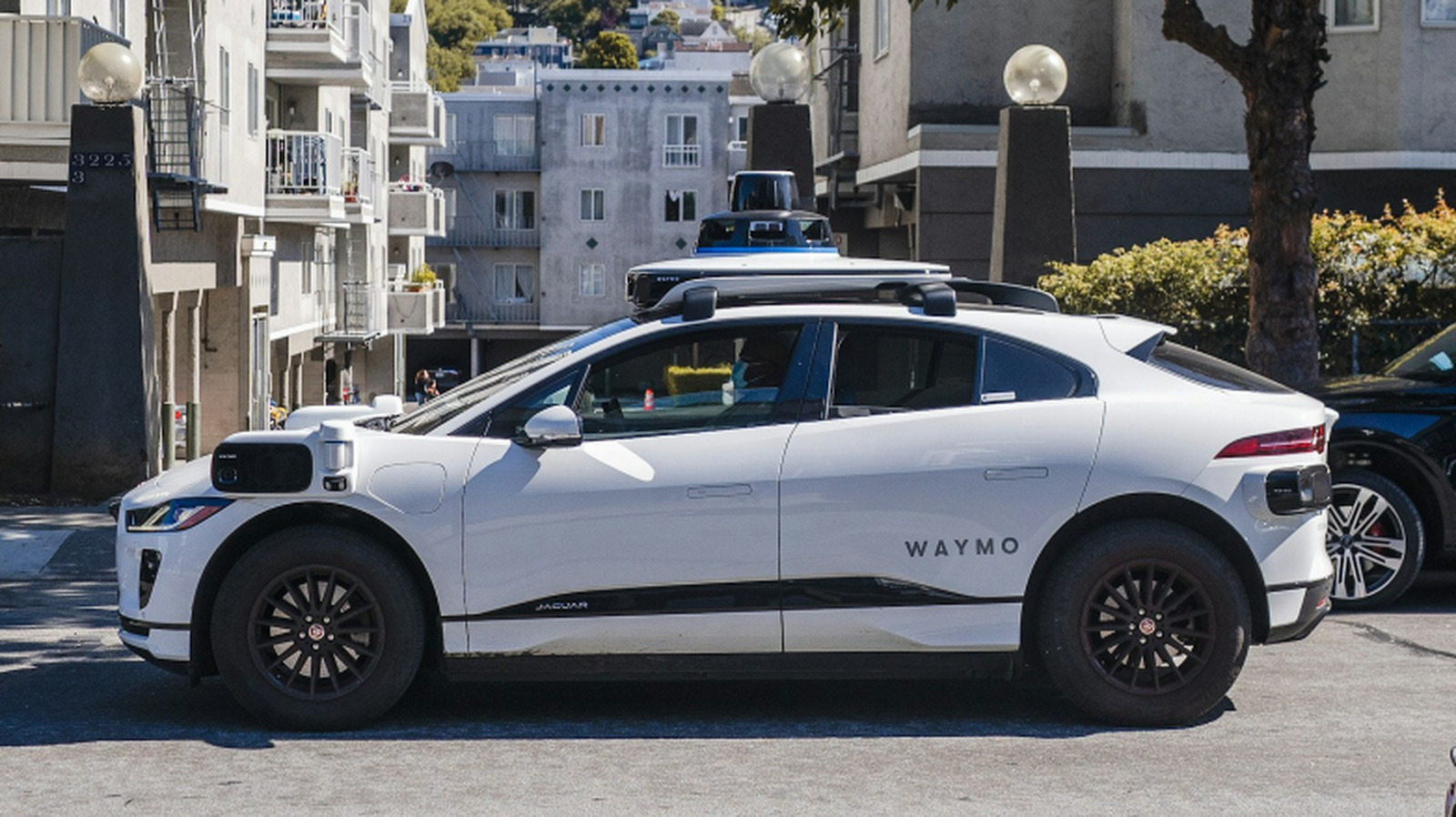





Why the Nashville Rollout Matters
The integration of Waymo’s self‑driving fleet into Lyft’s consumer‑facing app is more than a local experiment; it signals a decisive shift in how large‑scale ride‑hail platforms will balance human and robot drivers. Nashville is the first U.S. market where Lyft riders can request a Waymo robot directly from the Lyft interface, a capability previously limited to Waymo’s own app launched in April.
Key implications include:
- Consumer Trust Building – By offering the robot option alongside traditional rides, Lyft can gauge rider comfort levels without forcing a full transition.
- Driver Relations – Executive Vice President Jeremy Bird emphasizes transparent communication with drivers, positioning the partnership as a collaborative evolution rather than a threat.
- Regulatory Footprint – Operating in a city with a relatively progressive stance on autonomous vehicle testing gives Lyft and Waymo a template for future expansions into the 13 other Waymo metros.
The move also underscores the competitive pressure from Uber, which has been quietly testing its own autonomous solutions. Lyft’s “hybrid network” narrative aims to keep human drivers engaged while gradually scaling robot capacity.
Industry Impact: A New Competitive Landscape
Disruption of Traditional Ride‑Hail Economics
Autonomous vehicles promise lower per‑mile costs once the capital expense of the fleet is amortized. Lyft’s partnership allows the company to:
- Reduce Driver Payouts – Robot rides eliminate the need for driver commissions, potentially increasing Lyft’s margin on each trip.
- Offer Predictable Pricing – Waymo’s fleet operates with tightly controlled energy consumption, enabling more stable fare structures.
- Expand Service Hours – Robot taxis can operate 24/7 without fatigue, filling gaps in low‑demand periods that human drivers often avoid.
Ripple Effects Across the Mobility Ecosystem
- Vehicle Manufacturers – OEMs that supply Waymo’s hardware (e.g., Chrysler Pacifica Hybrid) gain a larger, recurring revenue stream.
- Insurance Providers – Liability models will shift from driver‑centric policies to fleet‑level risk assessments.
- Telecommunications – Reliable low‑latency connectivity is essential for real‑time sensor data. Waymo’s reliance on high‑bandwidth links mirrors the needs highlighted in the Starlink Mini Home Use: Costs, Speed & What’s Next article, where satellite broadband is discussed as a potential back‑haul for autonomous fleets.
Technical Breakdown: How Waymo Rides Fit Into Lyft’s Stack
Architecture Overview
Ride Request Layer (Lyft App)
- User selects “Waymo Robotaxi” as a service option.
- The request is routed to Lyft’s dispatch microservice, which tags the trip as autonomous.
Dispatch & Matching Engine
- Lyft’s existing matching algorithm is extended with a “robotic fleet” pool.
- Waymo’s fleet management API receives the request, evaluates vehicle availability, and returns a vehicle ID.
Vehicle Control Interface
- Waymo’s on‑board computer runs a proprietary perception stack (LiDAR, radar, cameras).
- The vehicle receives the destination via a secure TLS channel, independent of Lyft’s UI.
Telemetry & Monitoring
- Real‑time telemetry (speed, location, sensor health) streams to Waymo’s operations center.
- Lyft receives a summarized status for rider updates, preserving the familiar “driver en route” experience.
Safety and Redundancy
- Sensor Fusion – Waymo’s vehicles combine 360° LiDAR, high‑resolution cameras, and radar to achieve centimeter‑level accuracy.
- Fail‑Safe Braking – Redundant braking systems engage automatically if perception confidence drops below a threshold.
- Cybersecurity – The communication channel is hardened against man‑in‑the‑middle attacks, a concern echoed in the Zoom Zero‑Day Exploit: Remote Takeover of iPhone & Mac analysis, which stresses the importance of end‑to‑end encryption for critical vehicle commands.
Hardware Considerations
Waymo’s fleet relies heavily on high‑speed data interfaces. Modern autonomous platforms often use USB‑C connectors for power delivery and sensor data aggregation, a topic explored in depth in the USB‑C on Your Phone:
Waymo’s fleet relies heavily on high‑speed data interfaces. Modern autonomous platforms often use USB‑C connectors for power delivery and sensor data aggregation, a topic explored in depth in the [USB‑C on Your Phone: What It Means for Future Devices article. In Waymo’s case, each vehicle houses a central compute chassis that ingests raw sensor streams over multiple USB‑C‑based PCIe lanes, allowing the perception stack to process up to 2 TB/s of data in real time. This architecture not only reduces latency but also simplifies maintenance: technicians can hot‑swap sensor modules via standardized connectors, minimizing vehicle downtime.
Operational Workflow for a Lyft Rider
- Booking – The rider opens the Lyft app, selects “Waymo Robotaxi,” and confirms pickup.
- Confirmation – Lyft’s UI displays a stylized Waymo logo and an estimated time‑of‑arrival (ETA) that updates every 5 seconds, mirroring the experience of a human‑driver request.
- Vehicle Arrival – The Waymo vehicle pulls up to the curb, lights up a “Ready” indicator on its roof, and a short audio cue announces the rider’s name.
- Ride Initiation – Once the rider is seated, the vehicle’s interior display shows the route, expected travel time, and safety information. The rider can tap “Cancel” within the first 30 seconds without penalty, a policy designed to build confidence.
- In‑Transit Updates – Lyft pushes periodic status messages (“Your Waymo robotaxi is 2 minutes away”) while Waymo streams telemetry to its own operations center.
- Drop‑off & Feedback – At the destination, the vehicle doors open automatically. The rider is prompted to rate the experience on a 5‑star scale and can optionally leave comments about comfort, safety, or any anomalies.
Driver Perspective: Transitioning to a Hybrid Network
Jonathan Baines, who moved from a traditional driver role to fleet operations lead at the Nashville depot, describes the shift as “the best operations job he’s ever had, more fun than retail.” For drivers still on the road, Lyft has introduced several support mechanisms:
- Driver‑Assist Dashboard – A real‑time view of robotaxi demand in the vicinity, allowing human drivers to position themselves strategically for high‑value trips that robots cannot yet handle (e.g., pet‑friendly rides, wheelchair assistance).
- Revenue‑Sharing Incentives – Drivers earn a “robot‑partner” bonus for each autonomous ride they hand off to a Waymo vehicle, encouraging collaboration rather than competition.
- Reskilling Programs – Lyft partners with community colleges to offer certifications in fleet logistics, vehicle diagnostics, and remote monitoring—skills that are increasingly valuable as the network evolves.
Baines notes, “As much as I love to talk to people, to be able to be in the car and relax and not have an obligation to talk with anyone is a nice feature.” This sentiment is echoed by many drivers who appreciate the option to step back during low‑demand periods while still earning through the hybrid model.
Regulatory Landscape in Nashville
Nashville’s municipal government has been proactive in shaping a framework for autonomous mobility:
- Safety Audits – The city’s Department of Transportation conducts quarterly safety audits of Waymo’s fleet, focusing on sensor calibration, software updates, and incident response times.
- Data Transparency Ordinance – Operators must submit anonymized trip data (including pick‑up/drop‑off coordinates and ride duration) to a public dashboard, fostering community trust.
- Insurance Requirements – Autonomous operators are required to carry a minimum of $50 million in liability coverage, a figure that exceeds traditional driver insurance but aligns with industry standards for AV fleets.
Lyft’s legal team worked closely with Nashville officials to ensure that the integration complies with both state and local statutes, positioning the city as a testbed for future nationwide rollouts.
Future Outlook: Scaling Beyond Nashville
While Nashville serves as the launchpad, both companies have outlined a roadmap for expansion:
- Phase 2 – Multi‑City Deployment (Q2 2027) – Target markets include Austin, TX; Denver, CO; and Charlotte, NC, all of which already host Waymo testing programs.
- Phase 3 – Integrated Mobility Hubs – Lyft plans to co‑locate Waymo robotaxis with its bike‑share and scooter fleets at designated “mobility hubs,” enabling seamless multimodal trips.
- Phase 4 – Full‑Day Autonomous Service – By 2029, the goal is to achieve 24/7 autonomous coverage in at least three major metros, with human drivers handling only specialty services (e.g., large‑group rides, premium experiences).
Jeremy Bird emphasizes that this is a “gradual, data‑driven journey.” He adds, “We’ve got to make sure we’re honest, we’re open. We have conversations with drivers and bring them into the journey with proactive communication. We’re embracing the transformation in the future of AVs, but we’ll do it together.”
Frequently Asked Questions
Q: Will Lyft drivers lose their jobs once Waymo expands?
A: Lyft’s hybrid model is designed to keep human drivers on the platform. Drivers can continue to earn by serving rides that require a human touch, by providing vehicle‑to‑vehicle support for robotaxis, or by participating in the incentive programs tied to autonomous trips.
Q: How safe are Waymo robotaxis compared to human‑driven cars?
A: Waymo’s vehicles have logged over 30 million miles on public roads with a disengagement rate of less than 0.01 % per mile, significantly lower than the national average for human drivers. Continuous safety audits and real‑time monitoring further enhance reliability.
Q: What happens if a Waymo vehicle encounters a situation it can’t handle?
A: In such events, the vehicle initiates a safe stop, alerts Waymo’s remote operations team, and notifies the rider via the Lyft app. A human driver from Lyft’s fleet can be dispatched to the location within minutes, ensuring the rider reaches their destination.
Q: Are there any additional costs for riders opting for a robotaxi?
A: Lyft has kept pricing competitive with traditional rides. In most cases, the fare is comparable, with occasional promotional discounts to encourage early adoption.
Q: How does Lyft protect rider data when sharing it with Waymo?
A : All data exchanged between Lyft and Waymo is encrypted using TLS 1.3, and personally identifiable information (PII) is tokenized before transmission. Both companies adhere to GDPR‑style privacy standards, even though the service operates in the United States.
Conclusion
The Lyft‑Waymo partnership marks a pivotal moment in the evolution of on‑demand mobility. By embedding autonomous rides within Lyft’s familiar consumer interface, the companies are testing a balanced approach that respects driver livelihoods while delivering the efficiencies of robotaxis. Nashville’s progressive regulatory environment, combined with transparent communication strategies, provides a blueprint for other cities to follow.
As the hybrid network matures, the industry will watch closely to see whether the promised benefits—lower costs, extended service hours, and enhanced safety—materialize without eroding the human element that has defined ride‑hailing from its inception. If the early signals from Nashville prove positive, the roadmap laid out by Lyft and Waymo could reshape urban transportation across the United States within the next decade.
Source: Original Article