Why It Matters
Apple’s decision to roll out four distinct iPhone 20 models—two Pro and two Pro Max variants—signals a strategic pivot that could reshape the company’s flagship strategy. Historically, Apple has limited its flagship line to a single Pro and a Pro Max, offering a clear, streamlined choice for consumers. By expanding the lineup, Apple may be testing the market’s appetite for differentiated performance tiers within the same generation, a move that could influence pricing, feature sets, and supply chain logistics.
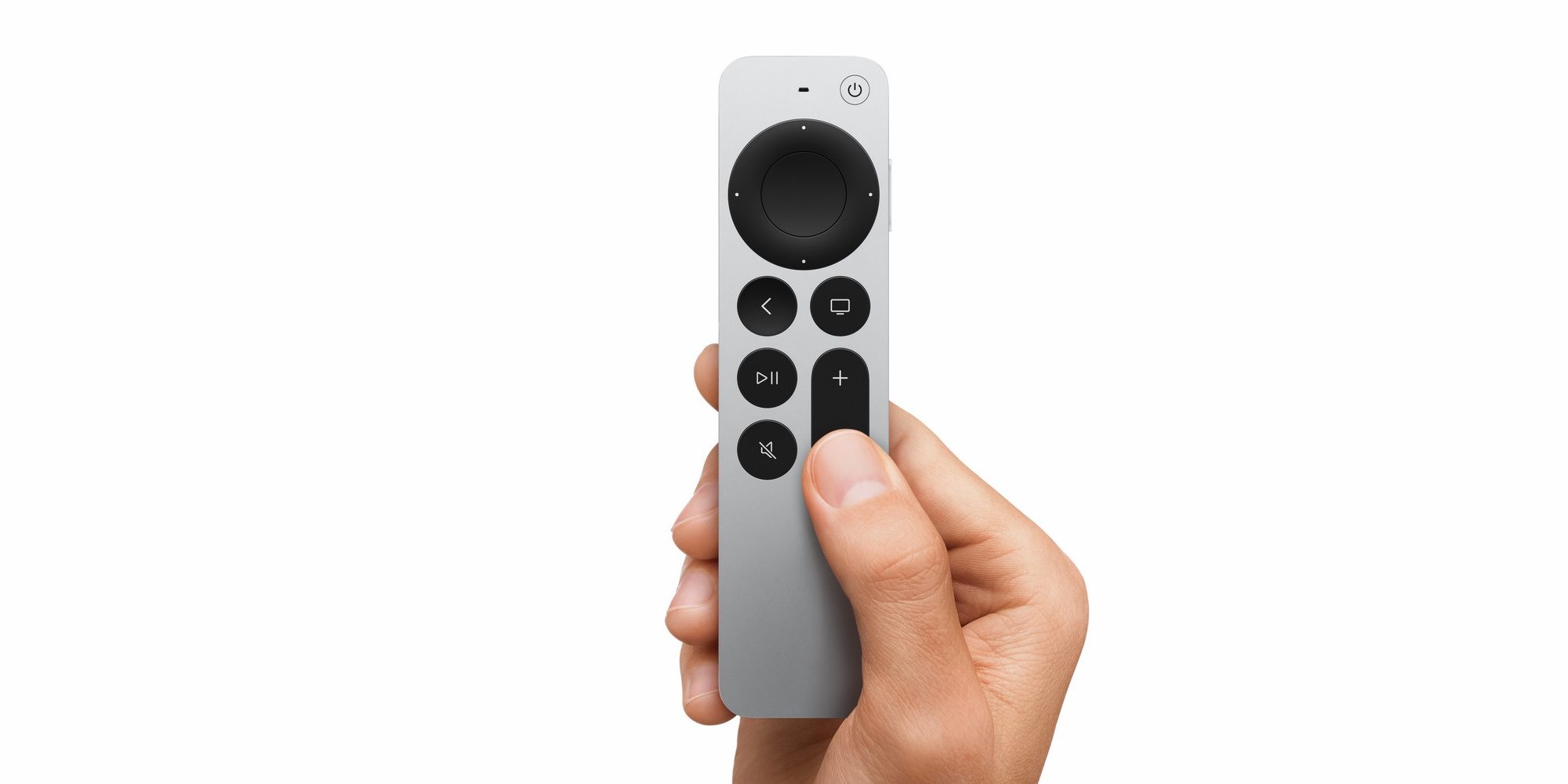
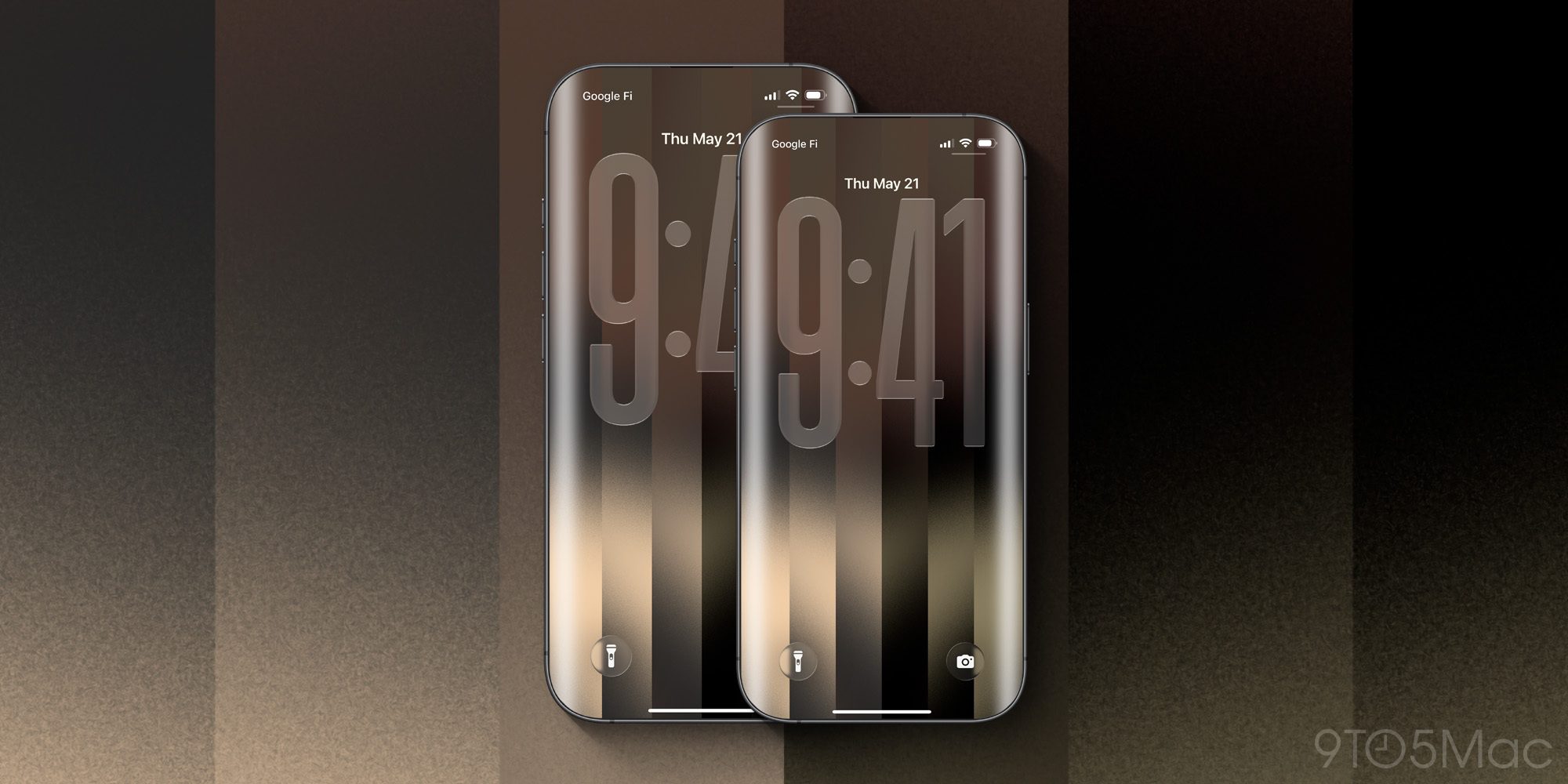
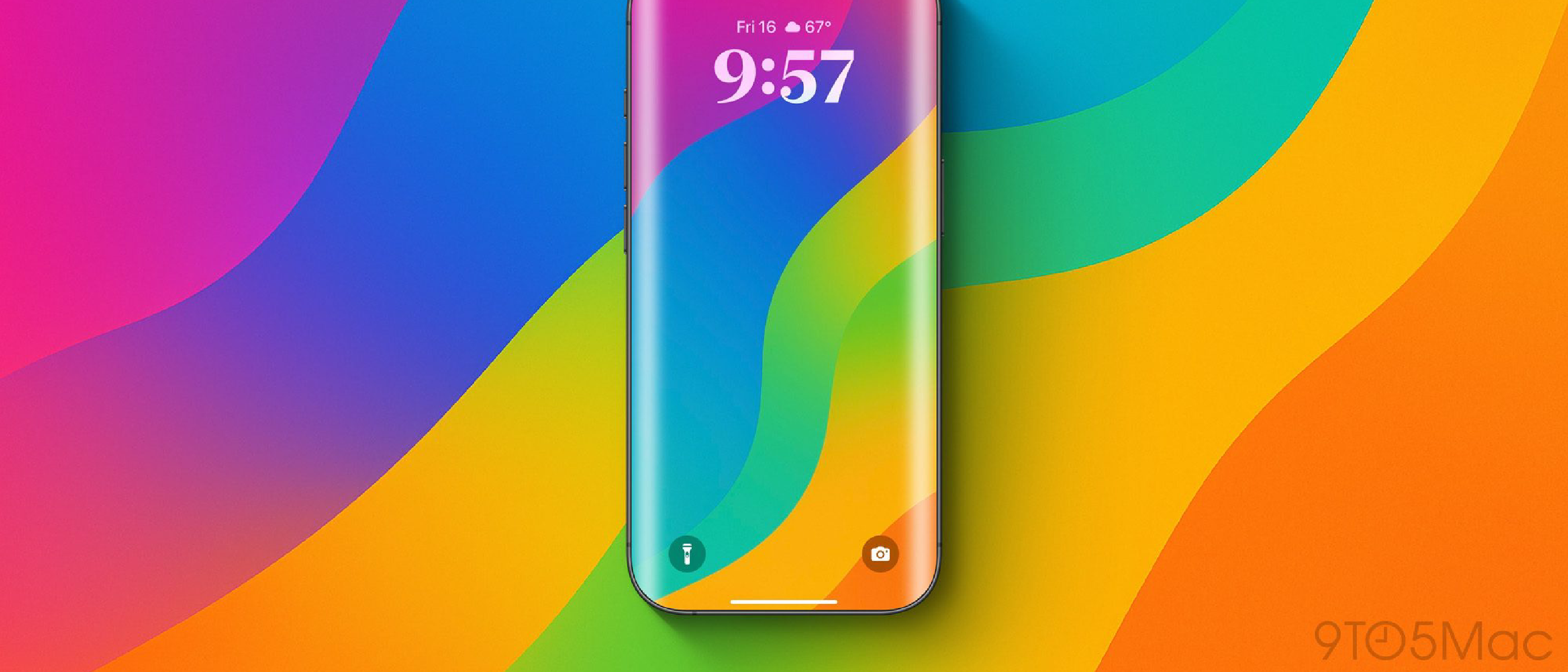
The announcement also underscores Apple’s commitment to a radical all‑glass design. While glass has been a staple of iPhone aesthetics, the company’s emphasis on a fully glass chassis hints at advances in material science and manufacturing that could improve durability, heat dissipation, and the overall user experience. This design philosophy aligns with Apple’s broader trend of pushing the envelope on form factor, as seen in the recent firmware update for the Apple TV 4K Siri Remote, which introduced new touch‑sensitive controls and a sleeker look Apple TV 4K Siri Remote Gets Crucial Firmware Update.
Industry Impact
Market Segmentation
By offering two Pro and two Pro Max models, Apple is effectively creating a tiered performance spectrum within a single generation. This could:
- Increase consumer choice: Users can select a device that balances performance, battery life, and price more precisely.
- Drive competition: Rival manufacturers may feel pressured to introduce more granular tiering in their flagship lines.
- Influence pricing strategy: The presence of multiple high‑end models could justify higher price points, potentially boosting margins.
Supply Chain and Manufacturing
An all‑glass chassis demands new manufacturing processes. Apple’s existing supply chain, which relies heavily on precision glass fabrication, may need to scale up or partner with new suppliers. This could:
- Elevate production costs: More complex assembly lines and stricter quality controls.
- Accelerate innovation: The need for stronger, more flexible glass could spur research into new composites, benefiting other product lines.
Ecosystem Synergy
The iPhone 20’s rumored hardware upgrades will likely dovetail with software innovations. Apple’s recent focus on AI and machine learning, highlighted in the Yvonne Bajela’s $17M Fund Targets EU AI Startups article, suggests that Apple may integrate advanced on‑device AI capabilities into the new iPhones Yvonne Bajela’s $17M Fund Targets EU AI Startups. This synergy could enhance photography, AR experiences, and battery optimization.
Technical Breakdown
| Feature | Expected Specification | Implications |
|---|---|---|
| All‑glass chassis | Ultra‑strong tempered glass, possibly with a new coating | Improved durability, potential for slimmer bezels |
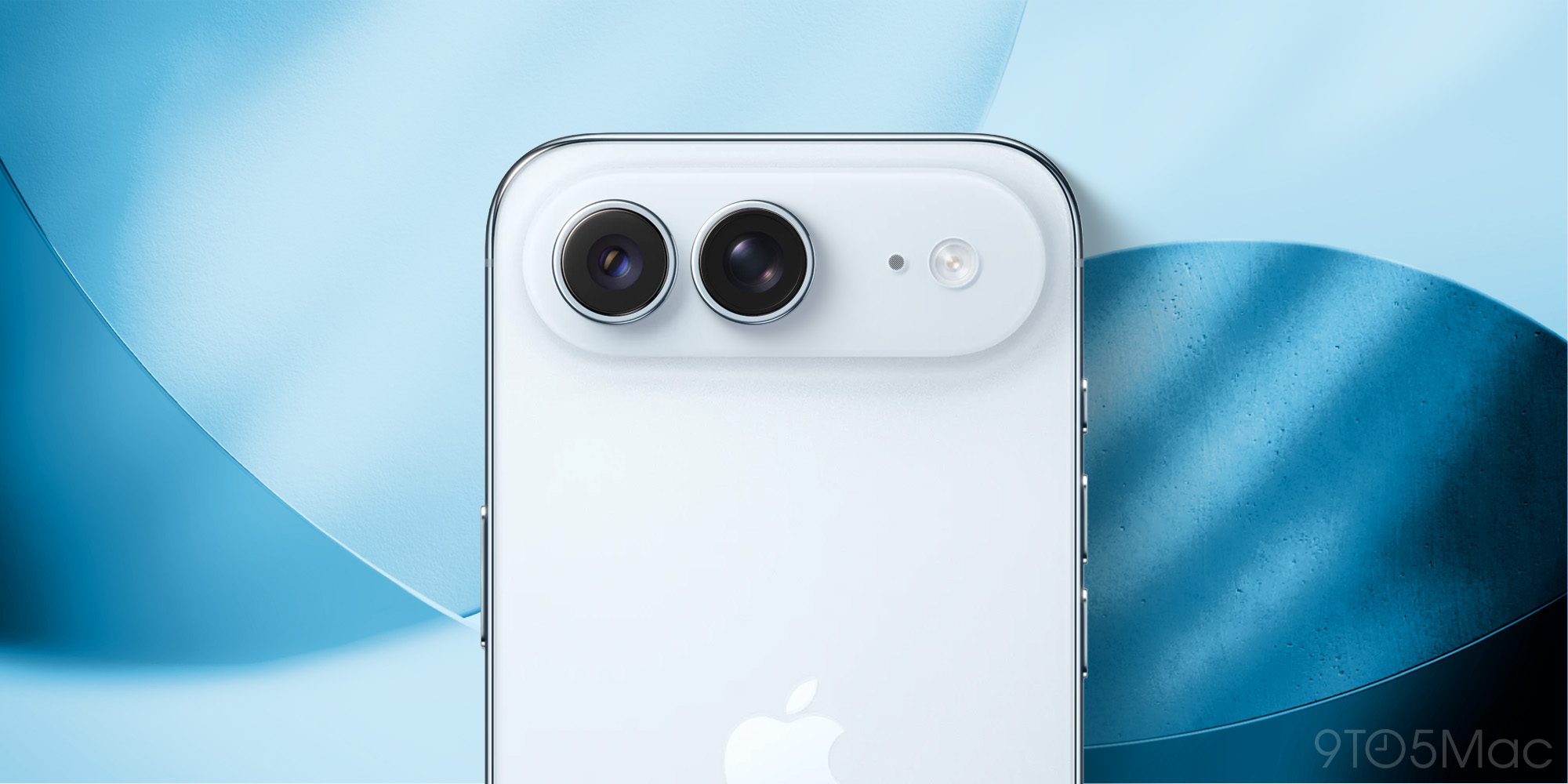
| Pro vs. Pro Max | Dual‑camera systems with varying sensor sizes | Pro Max may offer superior low‑light performance |
| Dual Pro variants | Different processor configurations (e.g., A18 vs. A18X) | Allows Apple to test performance thresholds |
| Battery | 4000 mAh (Pro) vs. 5000 mAh (Pro Max) | Extended usage for larger models |
| Display | 6.7‑inch OLED (Pro Max) vs. 6.1‑inch OLED (Pro) | Higher resolution and refresh rates |
All‑Glass Innovation
Apple’s rumored use of a new glass composite could reduce weight while maintaining structural integrity. This aligns with the company’s recent push for environmentally friendly materials, potentially lowering the carbon footprint of each device.
Processor Variants
The dual Pro models suggest Apple may be experimenting with processor scaling. By offering a base Pro and a higher‑end Pro, the company can gauge consumer willingness to pay for marginal performance gains, informing future chip design decisions.
Camera Architecture
The Pro Max’s larger sensor size could provide better depth perception and low‑light performance, while the Pro’s sensor may prioritize speed and power efficiency. This differentiation could also affect the photographic stack and software processing pipelines.
Future Outlook
Apple’s strategy to release four iPhone 20 models may set a new precedent for flagship releases. If the market responds positively, we could see:
- Increased model diversity: Future iPhones might feature more granular tiers (e.g., Pro Mini, Pro Ultra).
- Cross‑product integration: Enhanced compatibility with Apple’s ecosystem, such as the Apple TV 4K and upcoming AR glasses.
- Sustainability focus: Continued investment in recyclable materials and energy‑efficient manufacturing.
The next year will be critical. Apple’s ability to balance innovation with cost will determine whether the iPhone 20 becomes a benchmark for future flagship designs or a cautionary tale of over‑segmentation.
FAQ
Q1: Will the iPhone 20 be available worldwide in 2024? A1: While Apple typically launches globally, the exact release dates for each variant remain unconfirmed. Leaker Ice Universe has not disclosed region‑specific timelines.
Q2: How does the all‑glass design affect durability? A2: Apple’s use of advanced tempered glass and potential coatings should mitigate common issues like scratches and cracks, but real‑world durability will depend on manufacturing consistency.
Q3: Are there any software changes announced? A3: No official software updates have been linked to the iPhone 20. However, Apple’s focus on AI suggests potential enhancements in on‑device machine learning.
Q4: Will the Pro and Pro Max variants differ in battery life? A4: The Pro Max is expected to house a larger battery (≈5000 mAh) compared to the Pro (≈4000 mAh), offering longer usage times, especially for power‑intensive tasks.
Q5: How does this compare to Apple’s previous anniversary editions? A5: Past anniversary editions, such as the iPhone 12, offered a single Pro and Pro Max. The iPhone 20’s four‑model approach marks a significant shift toward more nuanced market segmentation.
Source: Original Article