

The Current Landscape of Foldable Smartphones
Foldable smartphones have moved from niche prototypes to mainstream contenders in just a few years. Samsung’s Galaxy Z series set the early benchmark, demonstrating that flexible OLED panels can survive daily use while offering a tablet‑like experience in a pocket‑sized device. The market now includes multiple form factors—vertical hinges, horizontal book‑style folds, and even rollable concepts.
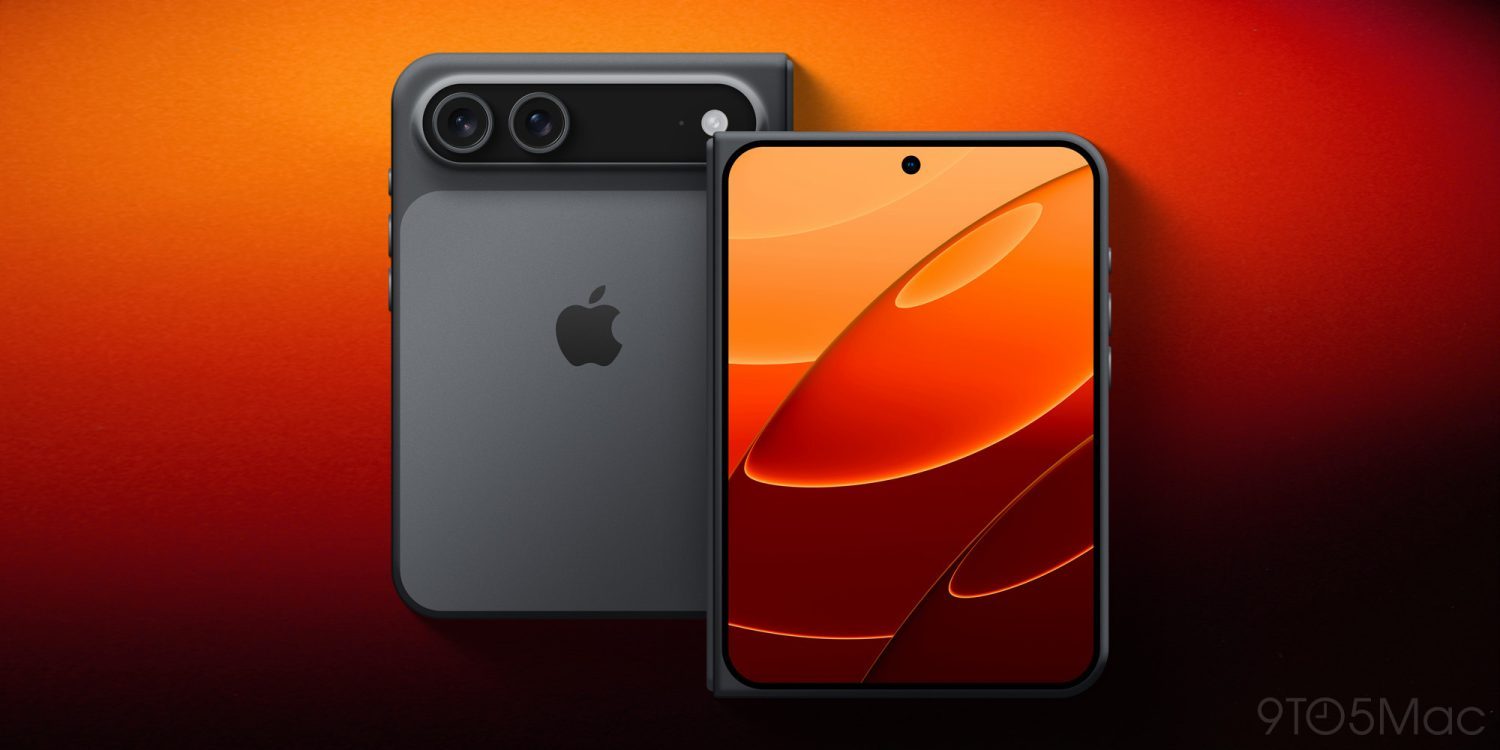
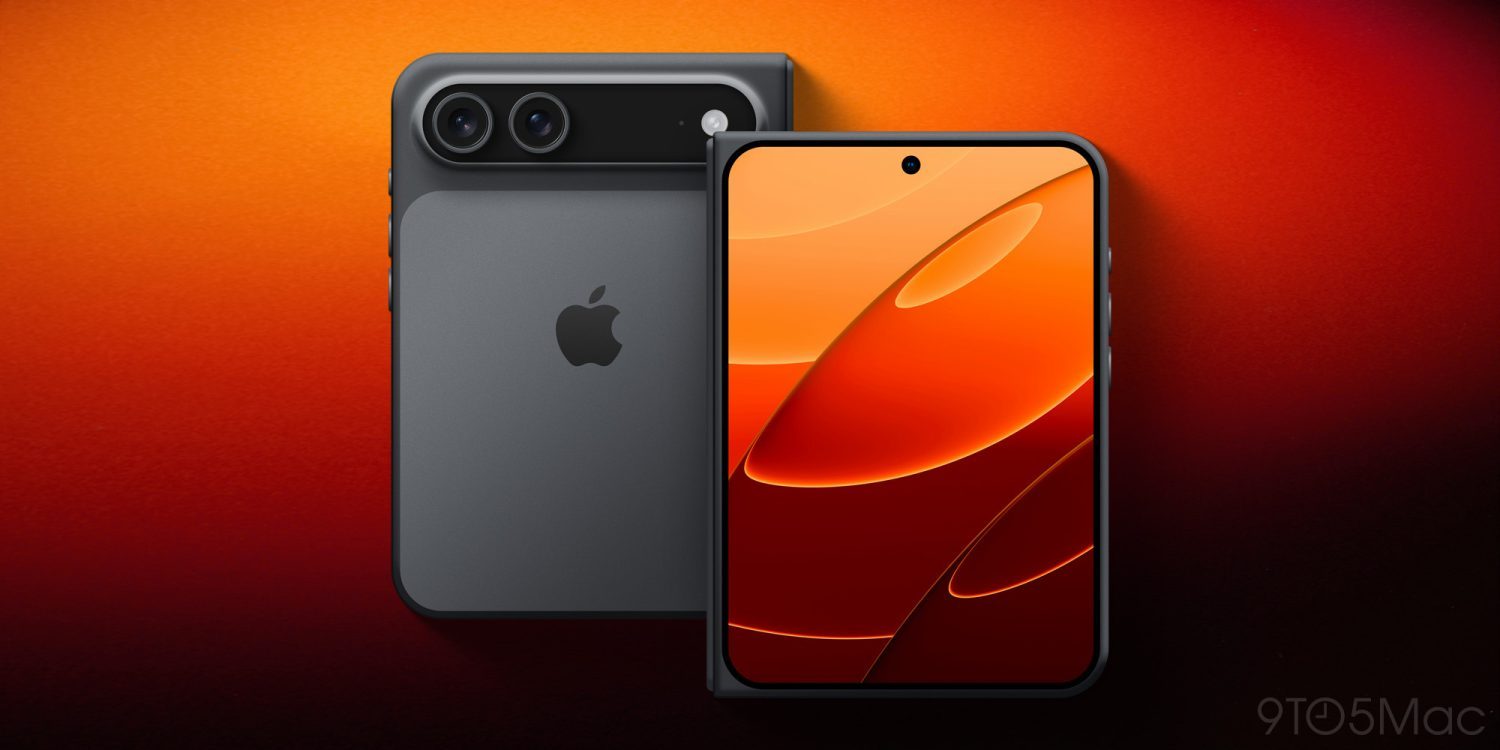
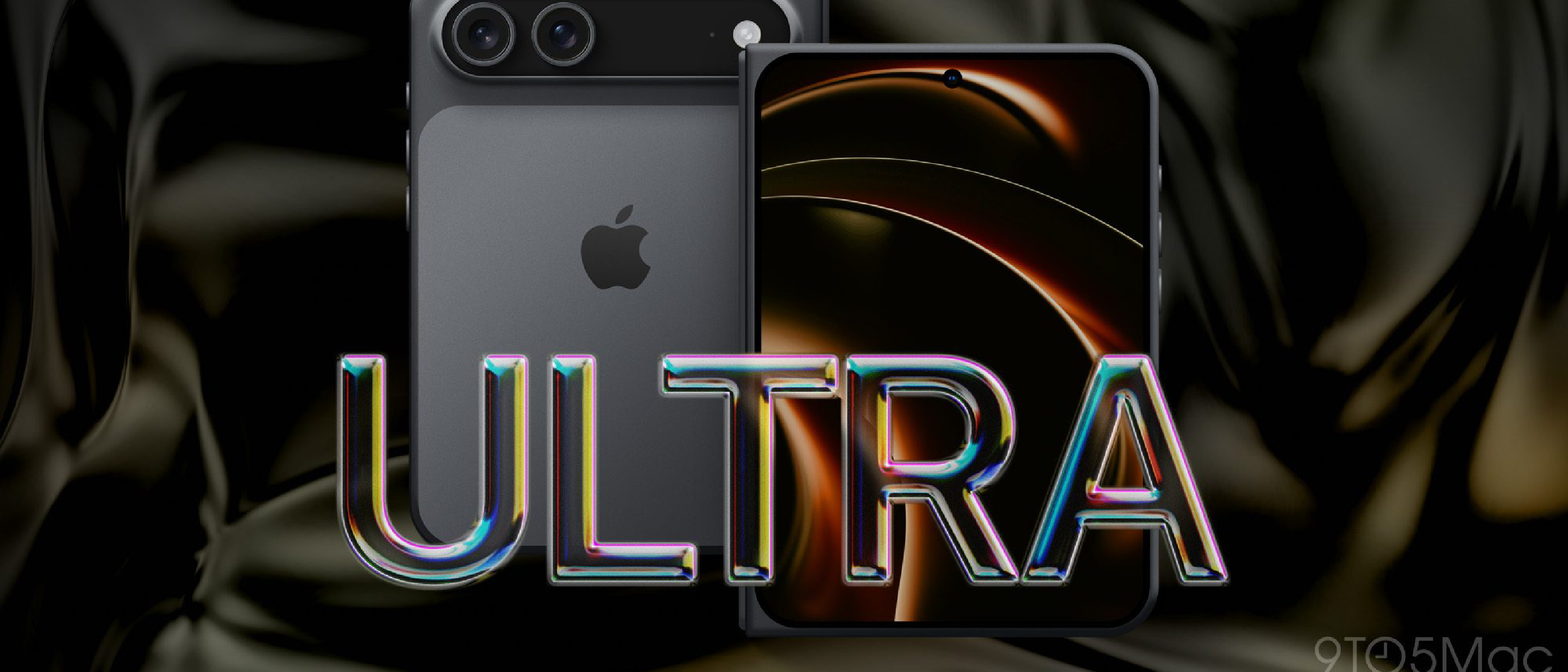
Apple’s rumored iPhone Duo has amplified public interest, because the brand’s entry would validate the technology for a broader audience. Even without an official announcement, speculation has generated a flood of articles, social‑media chatter, and YouTube analyses. The excitement is palpable, yet many pieces lack the technical depth needed to inform consumers and industry observers alike.
Why Articles Often Lack Substance
1. Reliance on Leaks Over Official Data
Most coverage of upcoming foldables leans heavily on anonymous leaks. Without a press kit, engineers cannot verify claims about hinge durability, crease resistance, or software optimization. Journalists therefore resort to repeating unverified numbers, which erodes credibility over time.
2. Tight Publication Deadlines
Tech news sites operate on a “first‑to‑publish” model. When a rumor surfaces, editors push writers to produce a story within hours. The result is a skeleton article that lists rumored specs, adds a generic quote, and moves on.
3. Limited Access to Prototype Units
Manufacturers rarely allow media to handle working prototypes. When Samsung warned Apple about “build quality” concerns in a recent interview, the details were vague because the devices were not physically examined. The article on Samsung’s advice can be read here: https://ltdeveloperblogs.github.io/posts/samsung-advice-to-apple-suggests-it-fears-the-build-quality-of-the-iphone-duo
4. SEO‑Driven Content Strategies
Websites chase keyword rankings for terms like “iPhone Duo price” or “foldable iPhone specs.” This incentivizes short, keyword‑rich copy rather than deep technical analysis.
Technical Breakdown of Foldable Challenges
Hinge Mechanics
- Stress Concentration: The hinge must absorb repeated flex cycles without fatigue. Engineers use finite‑element analysis (FEA) to model stress points, but those results rarely appear in public articles.
- Dust Ingress: Even microscopic particles can jam a hinge. Samsung’s recent patents describe a sealed‑bearing design that mitigates this risk.
Flexible Display Technology
- Ultra‑Thin Glass (UTG): Corning’s UTG offers higher durability than plastic but adds weight. The trade‑off between rigidity and flexibility is a core engineering decision.
- Crease Visibility: OLED layers can develop a visible line after thousands of folds. Software compensation—dynamic pixel shifting—helps mask the crease, but it consumes extra GPU cycles.
Software Adaptation
Operating systems must detect the fold state instantly and re‑layout UI elements without flicker. Apple’s upcoming AI‑driven recap feature for the Watch Series 12 illustrates how sensor data can be processed on‑device, a capability that will be essential for seamless fold transitions. See the recap article for context: https://ltdeveloperblogs.github.io/posts/the-new-apple-watch-will-use-microphone-and-other-sensors-to-generate-ai-recaps-of-your-day
Battery and Thermal Management
A larger screen area demands higher capacity cells, yet the thin chassis limits space. Engineers employ graphene‑based supercapacitors and adaptive power gating to keep temperatures in check.
Market Impact of Sparse Coverage
Consumer Confusion
When articles omit critical reliability data, buyers hesitate. The iPhone Duo rumor cycle shows a spike in pre‑order speculation, followed by a sharp drop once the lack of concrete information becomes apparent.
Investor Sentiment
Analysts monitor media sentiment as a proxy for market demand. A series of shallow articles can depress stock forecasts, even if the underlying technology is sound.
Competitive Dynamics
Samsung’s public warning to Apple about build quality (see the Samsung article linked above) highlights how one brand can leverage media gaps to position itself as the more reliable option.
Ecosystem Development
Developers need clear APIs for foldable UI states. Without detailed technical disclosures, SDK documentation lags, slowing app adoption.
Strategies for Better Reporting
Prioritize Primary Sources
- Request technical whitepapers directly from OEMs.
- Attend industry conferences (e.g., MWC) where engineers present real data.
Include Comparative Benchmarks
- Use standardized bend‑test results to compare hinge durability across brands.
Leverage Expert Interviews
- Talk to materials scientists about UTG versus polymer substrates.
Add Contextual Links
- Readers benefit from related coverage, such as the price‑hike analysis of the iPhone 18 Pro: https://ltdeveloperblogs.github.io/posts/new-iphone-18-pro-price-rises-perhaps-not-as-bad-as-some-feared
Create Visual Aids
- Diagrams of hinge geometry and heat‑map overlays of display stress improve comprehension.
By implementing these practices, tech publications can transform from rumor mills into authoritative resources, fostering consumer confidence and encouraging healthy competition.
Frequently Asked Questions
Q1: How many fold cycles can current foldable phones endure?
A: Most flagship models are rated for at least 200,000 folds, equivalent to roughly 10 years of daily use. The exact number varies based on hinge design and material quality.
Q2: Will the iPhone Duo use the same UTG technology as Samsung?
A: Apple has not confirmed its display supplier. Industry analysts suspect a partnership with Corning, but the final implementation may differ to meet Apple’s durability standards.
Q3: Does a foldable phone consume more battery than a traditional slab phone?
A: The larger screen area typically increases power draw, but manufacturers offset this with more efficient processors and adaptive refresh rates (e.g., 120 Hz when unfolded, 60 Hz when folded).
Q4: Are there any security concerns unique to foldables?
A: The hinge introduces a physical attack surface; tampering with the hinge could expose internal components. Manufacturers are integrating tamper‑detect sensors to trigger secure lock‑down.
Q5: When can we expect mainstream adoption of foldables?
A: Adoption hinges on price reductions and proven durability. As production yields improve and media coverage becomes more technically robust, a broader consumer base is likely within the next 2‑3 years.
Conclusion
The excitement surrounding foldable smartphones, especially the speculative iPhone Duo, underscores a pivotal moment in mobile hardware evolution. However, the current wave of superficial reporting does a disservice to consumers, investors, and developers alike. By demanding deeper technical insight, leveraging primary sources, and linking related analyses—such as Samsung’s cautionary note and Apple’s AI‑driven Watch features—journalists can elevate the discourse. Robust coverage not only clarifies the capabilities and limitations of foldables but also accelerates market confidence, ultimately shaping a more informed and innovative ecosystem.
Source: Original Article