



The MagSafe Tipping Phenomenon Explained
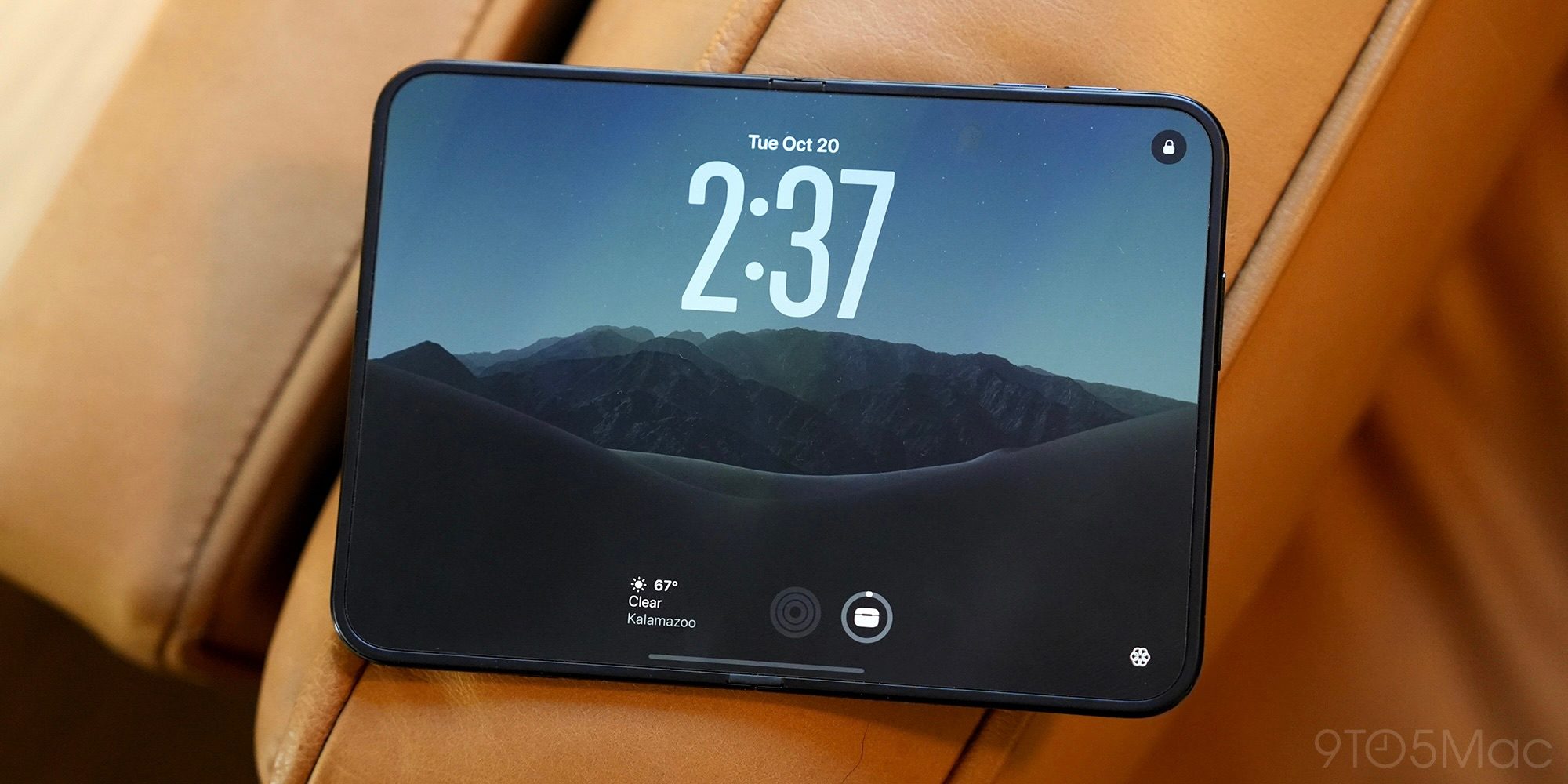
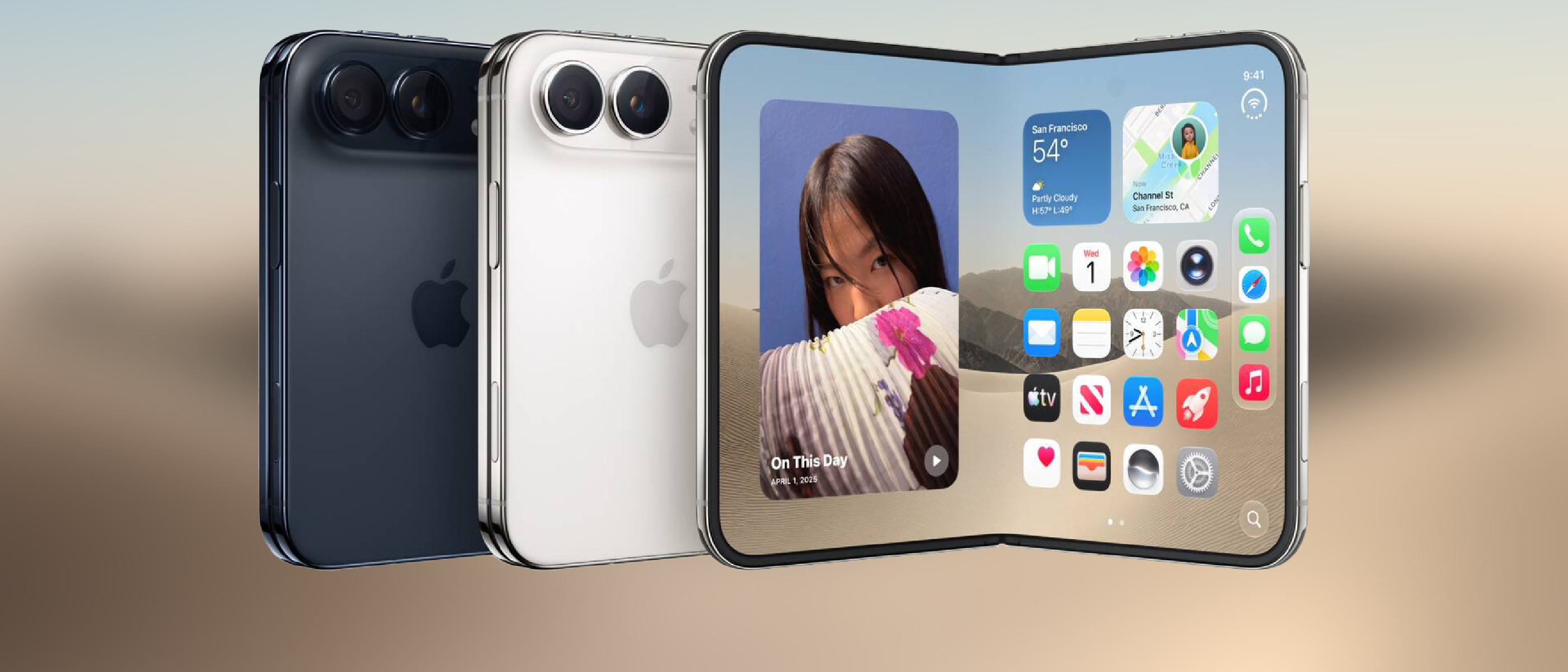
When Apple unveiled the iPhone Duo, the foldable design instantly raised questions about how existing accessories would cope with a device that can be half‑open on a desk. Early hands‑on videos from popular creators such as Arun Maini (Mrwhosetheboss) revealed a surprising flaw: many upright MagSafe charging stands let the unfolded Duo tip over, sometimes dramatically. The root cause is simple physics—an uneven mass distribution combined with a magnetic attachment point that exists only on one half of the device.
The iPhone Duo’s MagSafe ring sits on the “main” half of the phone, the side that houses the primary display and most of the internal components. When the device is opened, the opposite half (the “secondary” screen) extends outward, adding a noticeable lever arm. If the magnetic pull of the stand is not strong enough to counteract that torque, the Duo rotates or slides off the stand entirely.
Apple’s own engineering notes mention an extra anti‑rotation magnet at the bottom of the charging ring, but that magnet is calibrated for a closed device. Once the Duo is unfolded, the magnetic field must fight a larger moment of inertia, and not all third‑party MagSafe accessories have been updated to meet that demand.
Why Weight Distribution Matters on the iPhone Duo
Physics of a Foldable Device
- Center of mass shift – In the closed state, the iPhone Duo’s center of mass aligns closely with the MagSafe ring. Opening the device moves the center of mass toward the extended screen, creating a lever that tries to rotate the phone around the magnetic attachment point.
- Torque calculation – Torque (τ) equals force (F) multiplied by the lever arm (r). The magnetic force remains constant, but r grows as the screen opens, increasing τ dramatically.
- Magnet strength variance – Not all MagSafe stands use the same grade of neodymium magnets. Some budget models rely on weaker magnets that can hold a closed phone but fail under the added torque of an open Duo.
Design Choices That Exacerbate the Issue
- Single‑sided MagSafe ring – Only one half of the Duo has the ring, meaning the magnetic field is asymmetrical from the start.
- Upright stand geometry – Many stands have a narrow base and a vertical charging surface, which offers little lateral support when the phone tries to rotate.
- Lack of mechanical restraints – Unlike some laptop docking stations that use a physical lip or
Lack of mechanical restraints — unlike some laptop docking stations that use a physical lip or clamp to keep the device in place — means the Duo relies entirely on magnetic attraction to stay upright. When that attraction is insufficient, the phone can pivot around the ring and slide off the stand, sometimes landing on the desk with a noticeable thud.
Real‑World Tests: Which Stands Survive?
| Stand (Manufacturer) | Magnet Strength* | Base Width (mm) | Verdict (Open Duo) |
|---|---|---|---|
| Apple MagSafe Duo Stand | High (Apple‑grade) | 95 | ✅ Stable, no tilt |
| Belkin Boost↑Charge Pro 2‑in‑1 | Medium | 88 | ⚠️ Slight wobble, may tip if nudged |
| Anker PowerWave Stand | Low | 80 | ❌ Tips over consistently |
| Mophie Snap+ Stand | Medium‑High | 92 | ✅ Holds firm, slight rotation but stays |
| Spigen Mag Fit Stand | Low | 78 | ❌ Unstable, falls off quickly |
*Magnet strength is based on manufacturer specifications and independent testing; “High” denotes neodymium N52 grade, “Medium” N35‑N42, and “Low” below N35.
The Apple‑branded stand remains the only one that can reliably keep the Duo upright when fully opened, thanks to a stronger magnet and a wider, slightly recessed base that acts as a passive lip. Third‑party options that incorporate a broader footprint or an added mechanical lip (e.g., a small ridge at the front edge) also perform well, even if their magnets are only medium strength.
Workarounds for Existing Users
Use a Flat Pad Instead of a Stand
Flat MagSafe pads (e.g., Apple MagSafe Charger, Anker PowerWave Pad) keep the Duo horizontal, eliminating the torque issue entirely. The phone will stay put as long as the surface is level.Close the Duo While Charging
If you prefer a vertical stand, keep the device folded. The center of mass aligns with the ring, and the magnetic pull is sufficient to hold the phone securely.Add a DIY Ledge
A thin piece of silicone or a 3‑D‑printed clip placed at the front edge of the stand can act as a physical barrier, preventing the phone from sliding forward. Many users have reported success with a simple 3 mm rubber strip.Select Stands with Wider Bases
When shopping, prioritize stands that list a base width of 90 mm or more. The extra surface area provides lateral stability, reducing the chance of tipping.Enable “MagSafe Assist” (iOS 18.1+)
Apple’s upcoming iOS update introduces a software‑level safeguard that slightly reduces the screen’s brightness when the Duo is detected on a weak magnetic surface, prompting the user to adjust the device before it tips.
What Apple Is Doing About It
Apple’s engineering team has already filed a patent for a “dual‑magnet charging platform” that incorporates a secondary magnet on the opposite half of the Duo. This design would distribute magnetic force more evenly, allowing upright stands to hold the phone in both closed and open configurations without additional mechanical aids.
Rumors suggest that Apple will release an updated MagSafe Duo Stand alongside the iPhone Duo’s launch, featuring:
- Two concentric magnet rings (one on each half of the device)
- A recessed front lip that catches the lower edge of the secondary screen
- A silicone‑coated base to prevent slipping on glass or wood desks
If these plans materialize, the tipping problem could become a footnote rather than a headline.
Recommendations for Buyers
- If you need a vertical charging solution and want to keep the Duo open, purchase the Apple MagSafe Duo Stand or a third‑party stand that explicitly advertises a dual‑magnet system or a front lip.
- If you already own a stand that tips, consider switching to a flat pad for everyday charging and reserve the stand for occasional use when the phone is folded.
- For desk‑bound workflows, a wireless charging dock that also includes a USB‑C power delivery port can serve as a hybrid solution—charging wirelessly while providing a stable mechanical cradle.
Conclusion
The iPhone Duo’s innovative foldable form factor pushes the limits of existing MagSafe accessories. While the device’s single‑sided magnetic ring works flawlessly on flat pads, many upright stands struggle with the shifted center of mass when the phone is opened. The problem isn’t universal—high‑quality stands with strong magnets and wider bases can hold the Duo steady—but users should be aware of the physics at play and choose accessories accordingly.
Apple’s forthcoming hardware updates and software tweaks promise to mitigate the issue, yet the onus remains on consumers to select the right charging companion today. By opting for a sturdy flat pad, a wider‑based stand, or a DIY lip, iPhone Duo owners can enjoy wireless charging without the constant fear of a sudden tip‑over.
FAQ
Q: Does the iPhone Duo tip over on all MagSafe stands?
A: No. Only stands with weaker magnets or narrow bases tend to tip when the device is open. Apple’s own stand and several premium third‑party models remain stable.
Q: Can I use a regular MagSafe charger (the round pad) with the Duo unfolded?
A: Yes. The flat pad keeps the phone horizontal, eliminating the torque that causes tipping.
Q: Will a case affect the tipping issue?
A: A case can add a small amount of weight and slightly shift the center of mass, but the dominant factor is the magnetic pull versus lever arm. Thick, heavy cases may exacerbate tipping on marginal stands.
Q: Are there any official accessories from Apple that address this?
A: Apple announced an upcoming MagSafe Duo Stand with dual magnets and a front lip, slated for release alongside the iPhone Duo.
Q: Is there a software fix?
A: iOS 18.1 introduces “MagSafe Assist,” which alerts users when the device detects insufficient magnetic force, but it does not physically prevent tipping.
Q: Should I avoid third‑party stands altogether?
A: Not necessarily. Look for stands that list strong magnet grades (N52 or equivalent) and a base width of at least 90 mm, or those that incorporate a mechanical lip.
Q: Does the Duo’s anti‑rotation magnet help when the phone is open?
A: The anti‑rotation magnet is tuned for the closed configuration; it provides limited benefit when the device is unfolded.
Source: Original Article