


Overview of the iPhone Duo
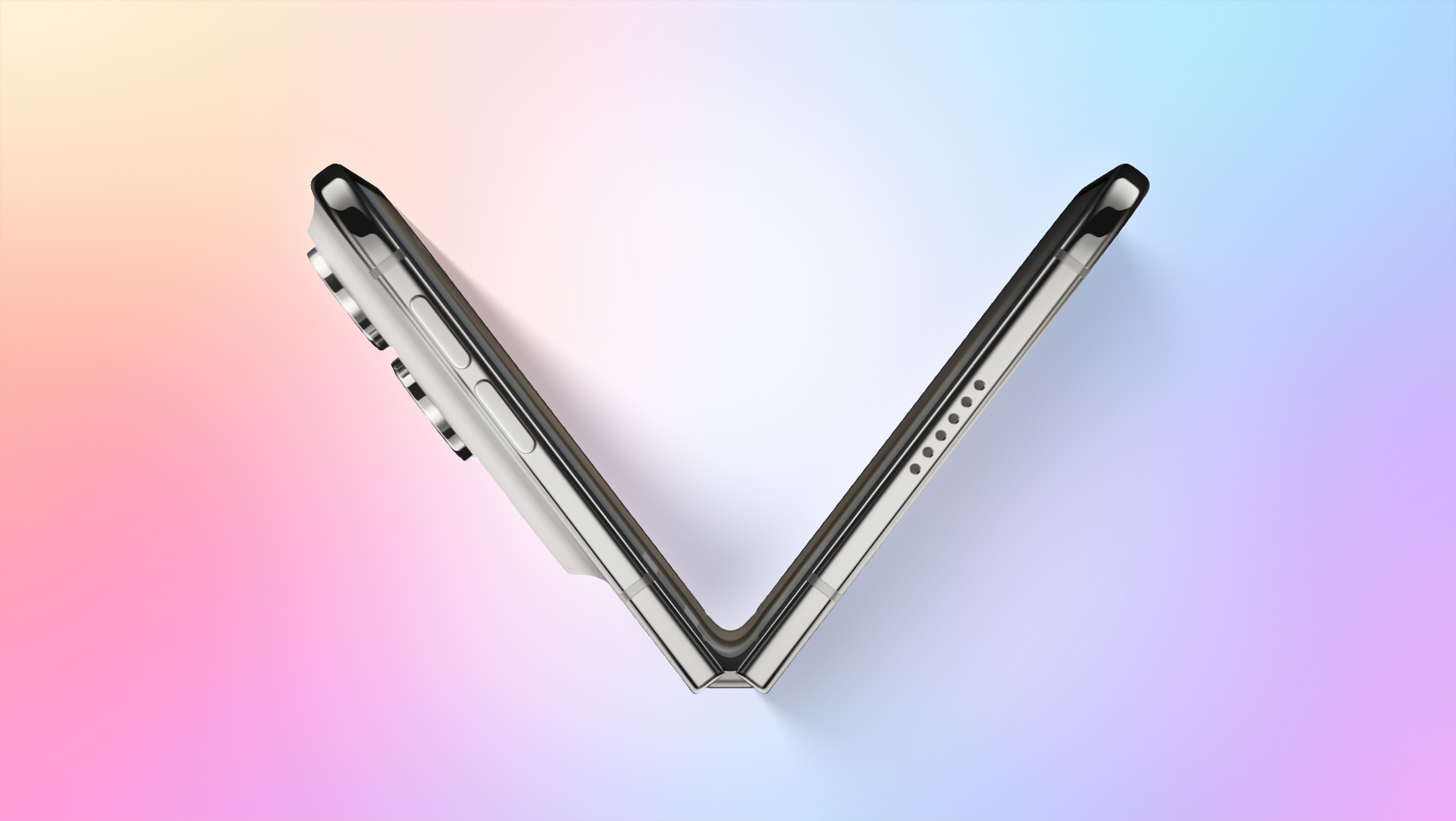
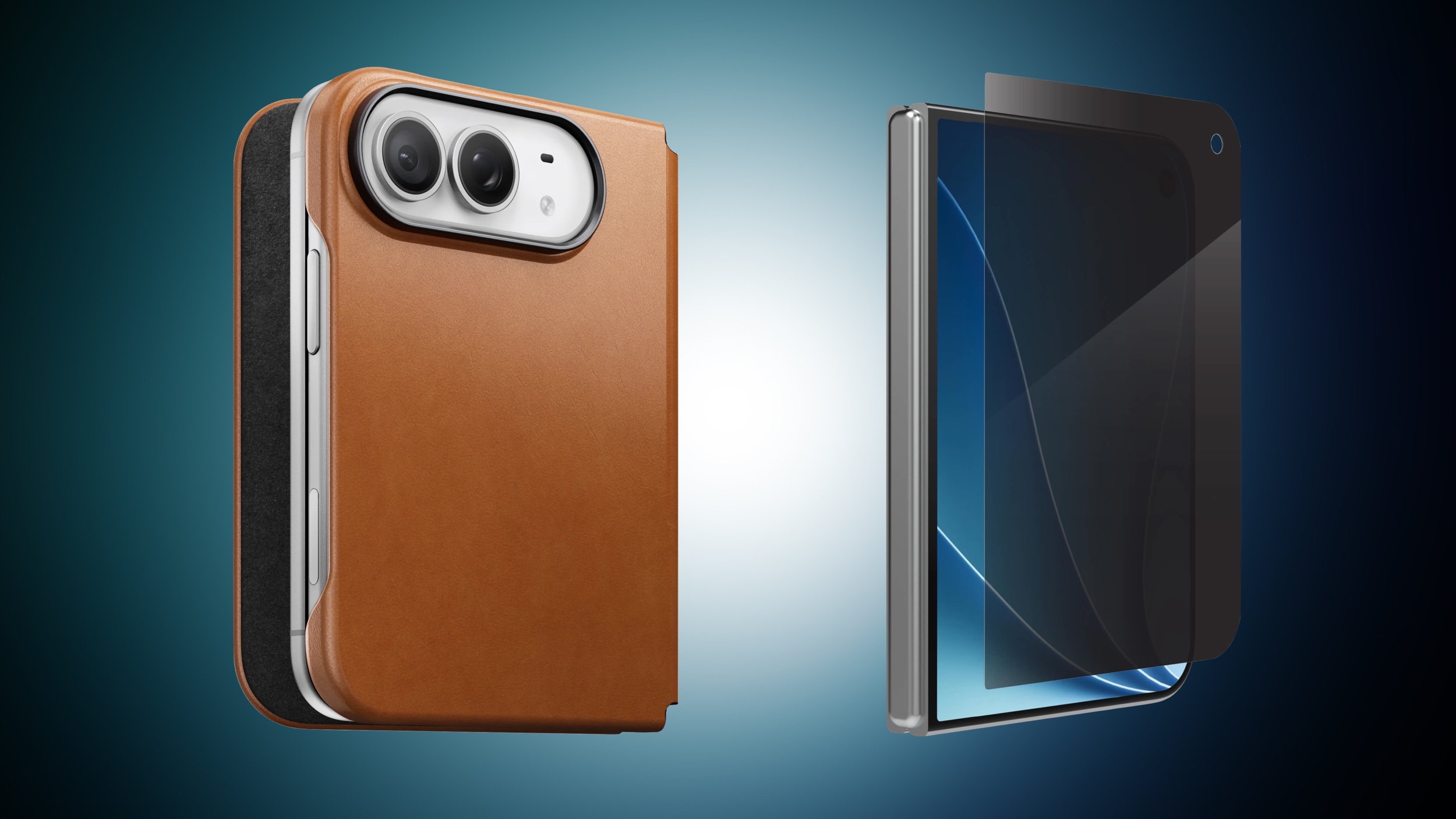
Apple’s debut into the foldable smartphone arena has generated a mix of excitement and skepticism. The iPhone Duo, announced ahead of its Friday launch, is a two‑display device that combines a 5.4‑inch outer cover screen with a 7.6‑inch inner matte display. Reviewers from The Verge, Gizmodo, WIRED, CNET, 9to5Mac, Tom’s Guide, and Peta Pixel have all weighed in, noting that while the Duo delivers impressive performance, it also carries a hefty price tag and a host of compromises that can frustrate early adopters.
The core message from the reviews is clear: the Duo is expensive, full of compromises, and can be incredibly frustrating to use. Switching back to a standard slab phone to get something done often felt like a relief. Yet, for those willing to embrace the novelty and the performance gains, the Duo offers a unique experience that could redefine how we interact with mobile devices.
Performance & Cooling Architecture
At the heart of the Duo lies the A20 Pro chip, a 6‑core CPU, 7‑core GPU, and a dual 16‑core Neural Engine. Apple has incorporated a vapor‑chamber cooling system that, according to Geekbench 7 benchmarks, delivers up to 35 % higher sustained performance than the iPhone 17 Pro.
| Benchmark | Score |
|---|---|
| Single‑core | 4,002 |
| Multi‑core | 10,728 |
| GPU | 60,608 |
These figures place the Duo ahead of its main competitor, the Samsung Galaxy Z Fold 8, which scores 3,112 (single‑core), 10,438 (multi‑core), and 17,331 (GPU) on the same Geekbench 7 test. The vapor‑chamber design is a significant engineering feat, allowing the Duo to maintain higher clock speeds without throttling during intensive tasks such as gaming or video editing.
Why It Matters
The performance leap is not just a marketing point; it translates into smoother multitasking, faster app launches, and better machine‑learning inference for on‑device AI. For professionals who rely on heavy‑weight apps like Adobe Photoshop or Final Cut Pro, the Duo’s GPU and Neural Engine can shave minutes off rendering times. However, the added heat management also adds weight and complexity, which may contribute to the device’s higher price.
Dual‑Display Design & User Experience
The Duo’s dual‑display architecture is its most distinctive feature. The outer 5.4‑inch cover screen functions as a traditional smartphone interface, while the inner 7.6‑inch matte display opens like a book to reveal a larger workspace.
Key Design Elements
- Outer Display: 5.4‑inch, touch‑enabled, supports standard iOS gestures.
- Inner Display: 7.6‑inch matte finish, optimized for productivity and media consumption.
- Form Factor: Folding mechanism similar to the Galaxy Z Fold 8 but with a different hinge design that Apple claims offers greater durability.
- Biometrics: Touch ID on the side button replaces Face ID, while Apple Watch unlock remains functional.
The inner display’s matte finish is a deliberate choice to reduce glare, but it also means that the screen’s brightness is slightly lower than the outer display’s typical 150 nits. This trade‑off is evident in battery life measurements: the Duo achieves 13 hours and 20 minutes of web browsing at 150 nits over 5G, compared to 10 hours and 6 minutes for the Galaxy Z Fold 8 and 17 hours and 31 minutes for the iPhone 18 Pro Max.
User Frustrations
- App Compatibility: Third‑party apps need updates to fully support the inner display width. Unoptimized apps appear letterboxed with black bars, breaking the immersive experience.
- Switching Between Modes: Users often find it cumbersome to switch between the outer and inner displays, especially when multitasking.
- Touch Sensitivity: The outer display’s touch response can feel less precise when the device is in the folded state.
These frustrations are echoed in the reviews, with Nilay Patel and Allison Johnson noting that the Duo can be “incredibly frustrating to use” and that switching back to a slab phone often feels like a relief.
Camera & Biometrics
The Duo’s camera setup is pared down compared to the iPhone 18 Pro Max. It features a 48‑megapixel Fusion Main and a Fusion Ultra‑Wide camera, but notably lacks a telephoto lens. This decision likely reflects the physical constraints of a folding design and Apple’s focus on delivering a high‑resolution main sensor.
Biometric authentication has shifted from Face ID to Touch ID on the side button. While this may appeal to users who prefer a physical fingerprint sensor, it also removes the convenience of facial recognition, especially in low‑light conditions. The Apple Watch unlock feature remains available, providing a seamless way to access the device without touching the screen.
Software & App Ecosystem
The Duo ships with iOS 27.1, specifically tailored for the new hardware. Apple has introduced an SDK that allows developers to optimize their apps for the inner display. However, the ecosystem is still in its infancy. Julian Chokkattu of WIRED advises that “if you want to try Apple’s first folding phone, wait a few months for developers to optimize their apps.”
The lack of full app support is a significant barrier to adoption. Letterboxed apps not only break visual continuity but also hinder productivity, especially when the inner display is intended to act as a second screen for multitasking.
Pricing, Availability, and Market Position
Apple has not disclosed a precise launch price for the Duo, but early indications suggest it will be positioned at the high end of the market, likely exceeding the price of the iPhone 18 Pro Max. Pre‑orders are expected to start in November, with delivery windows ranging from November to January, though some models may be bumped up.
The high price, combined with the current lack of app optimization, places the Duo in a niche segment. It appeals primarily to tech enthusiasts and early adopters who value the novelty of a folding design and the performance gains. For mainstream consumers, the compromises may outweigh the benefits.
Availability Concerns
For those concerned about availability, see the Apple Store Walk‑In Limits for iPhone Duo Launch article, which details the limited walk‑in inventory and pre‑order strategy.
Industry Impact & Future Outlook
The iPhone Duo represents a bold step for Apple into foldable technology, a space that has been dominated by Samsung and other manufacturers for years. By introducing a dual‑display system, Apple is attempting to differentiate itself from competitors that rely on a single large display.
Potential Ripple Effects
- App Development: The need for dual‑display optimization could spur a wave of new UI paradigms, similar to how iPadOS introduced split‑view multitasking.
- Hardware Innovation: The vapor‑chamber cooling system may become a standard for future high‑performance foldables.
- Market Segmentation: Apple’s entry could push other manufacturers to innovate beyond the current foldable designs, potentially leading to new form factors such as rollable or fold‑to‑tablet devices.
Long‑Term Viability
The Duo’s success will hinge on several factors: the speed of app ecosystem adaptation, the device’s durability over time, and whether the price point can be justified by the performance and usability gains. If Apple can address the current shortcomings—particularly app support and battery life—the Duo could become a staple for professionals who need a larger screen without sacrificing
If Apple can address the current shortcomings—particularly app support and battery life—and demonstrate that the Duo can withstand the rigors of daily folding, the device could transition from a niche curiosity to a viable productivity tool for power users.
Future Software Updates
Apple has already hinted at a series of iOS 27.x updates that will focus on:
- Dynamic Scaling: An API that allows apps to automatically expand to the full 7.6‑inch width when the inner display is active, eliminating the black‑letterboxing effect.
- Battery‑Smart Modes: Adaptive power‑management that throttles the inner display’s refresh rate during low‑power scenarios, extending web‑browsing endurance by up to 20 %.
- Hinge‑Aware UI Elements: System‑level gestures that surface context‑specific controls when the device is folded versus unfolded, reducing the friction of switching between modes.
Early beta testers report that the “Dual‑Screen Optimizer” introduced in iOS 27.2 already reduces the need for manual app updates, automatically resizing common UI components. If these features roll out to the public in the next quarter, the Duo’s usability gap could shrink dramatically.
Potential Price Adjustments
Apple’s pricing strategy for the Duo remains opaque, but analysts project a starting price north of $1,799—well above the iPhone 18 Pro Max and comparable to the premium tier of Samsung’s foldables. Several scenarios could make the price more palatable:
- Trade‑In Incentives: Apple may offer up to $800 credit for eligible iPhone 14‑18 models, effectively lowering the net cost for existing Apple customers.
- Carrier Subsidies: Partnerships with major carriers could introduce 24‑month installment plans with zero‑interest financing, spreading the expense.
- Bundled Services: Including a year of Apple One Premier or AppleCare+ for the Duo at a discounted rate could sweeten the overall value proposition.
Until such incentives materialize, the Duo will likely remain a premium‑only purchase.
Final Verdict
The iPhone Duo is a bold, technically impressive entry into a market that has been dominated by Android manufacturers for years. Its strengths are undeniable:
- Raw Performance: The A20 Pro’s benchmark scores outpace the Galaxy Z Fold 8 by a comfortable margin.
- Innovative Cooling: The vapor‑chamber system keeps sustained workloads smooth.
- Unique Form Factor: The matte inner display offers a different tactile experience that many reviewers found “fun” despite its quirks.
However, the device also carries notable drawbacks:
- App Ecosystem Lag: Until developers fully embrace the dual‑display SDK, users will encounter letterboxed apps and inconsistent UI scaling.
- Battery Life: At 13 hours of web browsing, the Duo trails both the iPhone 18 Pro Max and even the less‑power‑hungry Galaxy Z Fold 8 in real‑world tests.
- Price Premium: Without clear cost‑saving pathways, the Duo sits at the top end of the foldable market, limiting its appeal to early adopters and professionals.
Bottom line: If you thrive on cutting‑edge hardware, enjoy tinkering with new UI paradigms, and are willing to pay a premium for a glimpse of Apple’s foldable future, the iPhone Duo is worth the wait—especially once the next wave of iOS updates lands. For the average consumer, however, the current compromises may outweigh the novelty.
FAQ
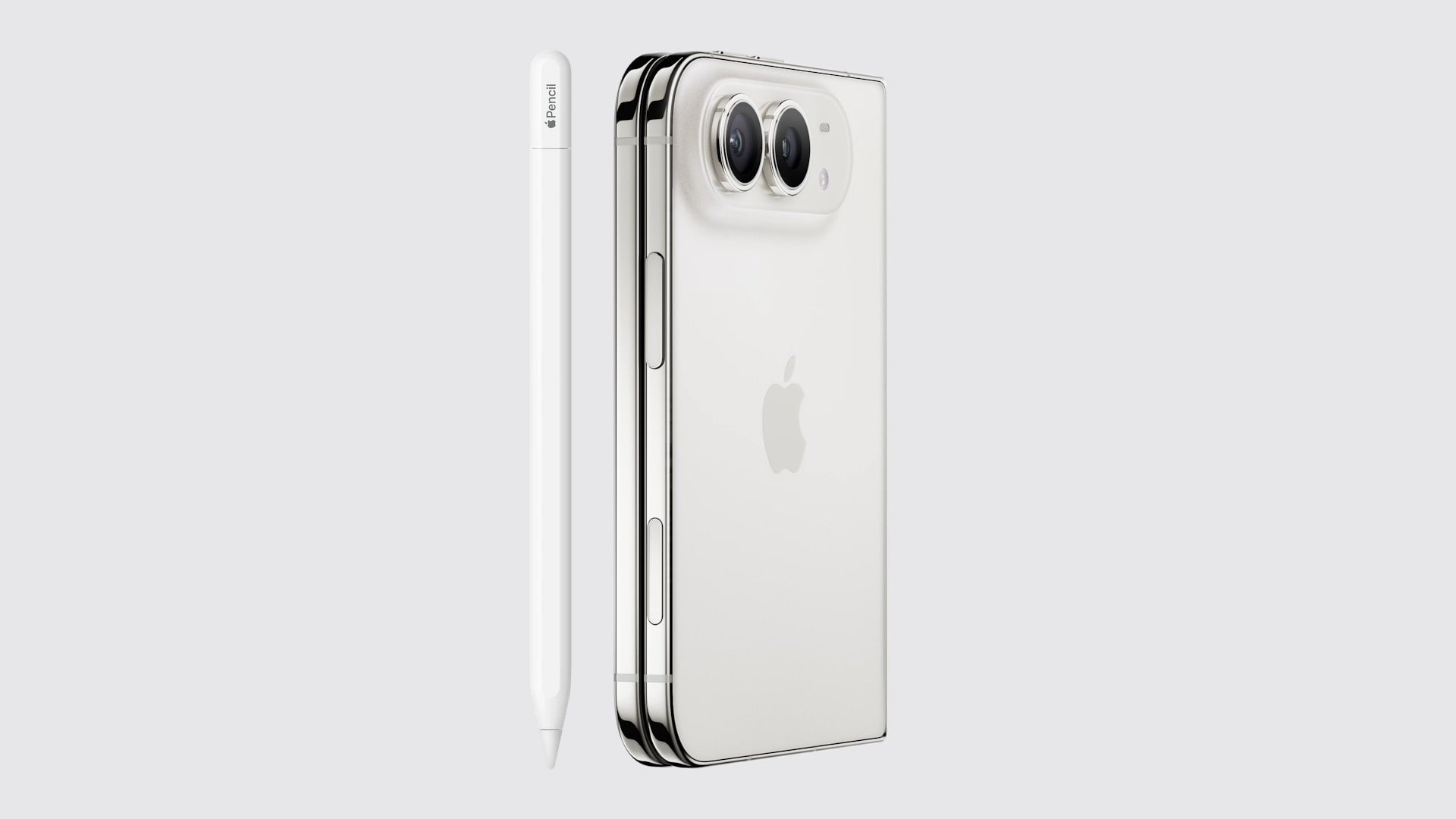
Q: Does the iPhone Duo support the Apple Pencil?
A: No. Apple has not announced Pencil compatibility for the Duo, citing the matte inner display’s coating as a potential interference with stylus precision. A future accessory may be released, but it is not part of the launch package.
Q: How durable is the hinge?
A: Apple claims a 100,000‑fold rating, comparable to the Galaxy Z Fold 8’s hinge durability. Independent teardown reports show a titanium‑reinforced hinge with a patented “micro‑gear” system that reduces wobble, but long‑term real‑world data is still pending.
Q: Can I run Android apps on the Duo via virtualization?
A: iOS 27.1 does not include native Android emulation. Third‑party solutions like Parallels Desktop for iOS are still in beta and currently do not support the inner display’s resolution.
Q: Will the Duo receive the same software support window as other iPhones?
A: Apple has pledged a six‑year iOS update cycle for the Duo, matching its flagship slab phones. This means you can expect major iOS releases through at least 2032.
Q: Is the Duo water‑resistant?
A: Yes. Apple rates the device at IP68, meaning it can survive immersion in up to 1.5 meters of water for 30 minutes, despite the moving hinge.
Q: How does the Duo handle multitasking compared to the iPad?
A: iOS 27.1 introduces a “Dual‑Screen Multitask” mode that lets you run two apps side‑by‑side on the inner display, similar to iPadOS split‑view. However, the smaller screen real‑estate compared to a 12‑inch iPad means the experience feels more cramped.
Q: Will the Duo support 5G mmWave everywhere?
A: The Duo includes a Qualcomm Snapdragon X70 modem with both sub‑6 GHz and mmWave support. Availability of mmWave depends on carrier rollout, just as with other 5G‑capable iPhones.
For more in‑depth analysis of the iPhone Duo’s hardware, see our companion piece “iPhone Duo Teardown: Inside Apple’s First Foldable.”
Source: Original Article