



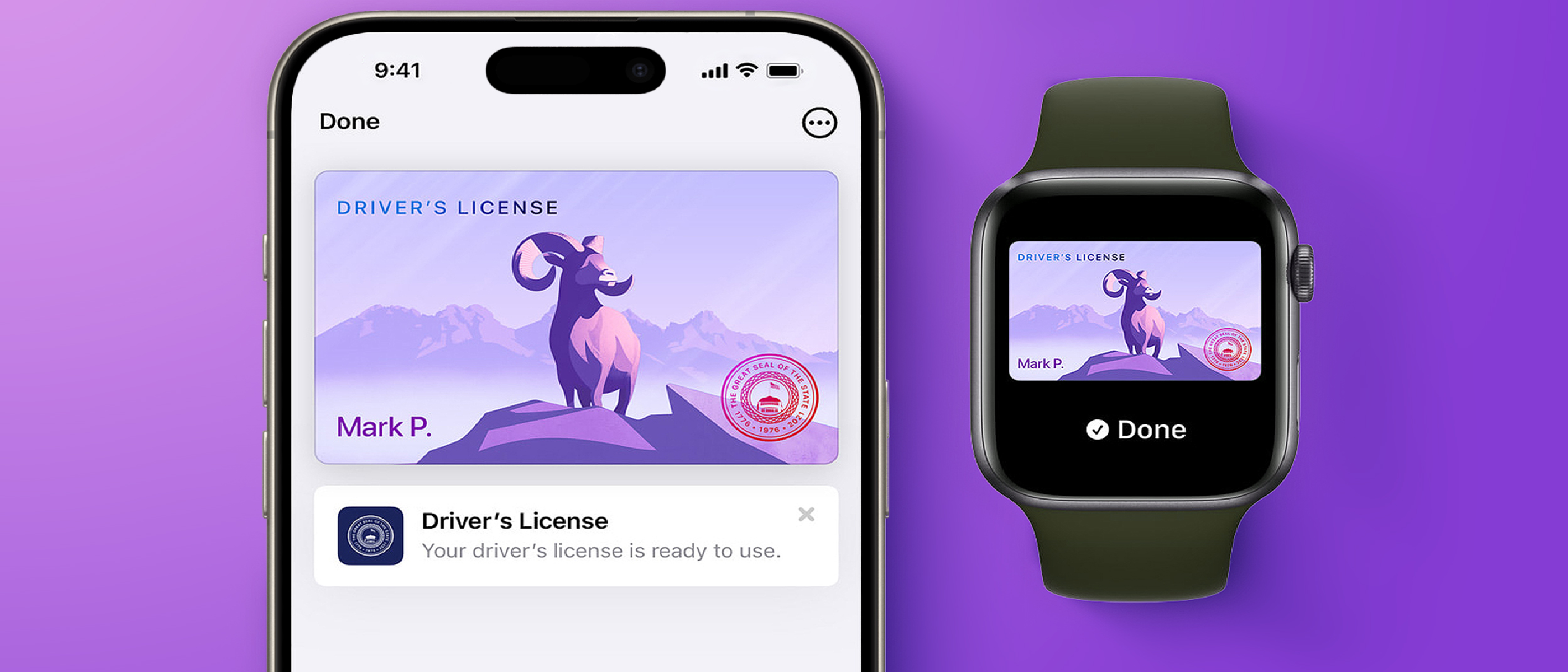
Overview of the New Digital Driver’s License Feature
Starting today, Apple Wallet users in the 16th United States state to adopt the digital driver’s license (DDL) can add their state‑issued ID directly to the Wallet app. The rollout follows a year‑long pilot program that began with Arizona, Georgia, and a handful of other states. Apple’s implementation leverages the Secure Enclave, NFC, and the newly introduced Wallet ID Framework to store and present credentials in a way that satisfies both state regulations and user privacy expectations.
Key points of the launch:
- Immediate Availability: Users can tap Add to Wallet from their state’s Department of Motor Vehicles (DMV) portal or scan a QR code provided on a printed license.
- Cross‑State Compatibility: While the feature is state‑specific, the underlying architecture is designed to support any jurisdiction that adopts the ISO 18013‑5 standard for mobile driving licenses.
- Privacy‑First Design: No personal data leaves the device unless the user explicitly shares it via Apple’s Share with API.
This marks the most significant expansion of Apple’s identity ecosystem since the introduction of Apple Pay, and it signals a broader shift toward mobile‑first government services.
Technical Breakdown: How Apple Makes a Digital License Secure
Secure Enclave and Cryptographic Isolation
Apple stores the DDL payload inside the Secure Enclave, a dedicated coprocessor isolated from the main OS. Each credential is encrypted with a device‑unique key that never leaves the hardware. When a law‑enforcement officer scans the NFC tag, the Secure Enclave performs a one‑time cryptographic handshake, presenting only the data required for verification.
Wallet ID Framework
The new framework provides developers (in this case, state DMVs) with a set of APIs to:
- Request Credential Issuance – A signed request from the DMV is sent to the device, containing the user’s personal data and a cryptographic nonce.
- Validate Presentation – The framework validates that the presenting device is genuine and that the credential has not been tampered with.
- Revocation Management – If a license is suspended or revoked, the DMV can push a revocation list that the device checks in real time.
Apple’s documentation for the framework is publicly available to state partners, ensuring a transparent integration path.
NFC Interaction Model
The NFC interaction mirrors Apple Pay’s contactless flow:
- Reader Mode: The officer’s scanner initiates a short‑range NFC session.
- Token Generation: The device generates a time‑limited token containing the user’s name, photo, license number, and expiration date.
- Verification: The token is signed with the device’s private key and sent back to the reader, which validates it against the state’s public key infrastructure (PKI).
Because the token expires after a few seconds, replay attacks are effectively mitigated.
Integration with Existing iOS Features
The DDL works seamlessly with other iOS capabilities:
- Face ID/Touch ID – Users must authenticate before the credential is displayed, adding a biometric layer.
- Apple Wallet Settings Shortcut – Users can quickly manage their digital IDs via the shortcut described in Quickly Open the Current iPhone App’s Settings .
- Health & Safety Apps – The same secure channel can be leveraged by emergency services, echoing the life‑saving potential highlighted in Apple Watch Alerts Saved a Life: Amanda’s Story .
Why It Matters: User Experience and Privacy Gains
Streamlined Verification
Traditional ID checks require physical cards, which can be lost, damaged, or forged. A digital license eliminates the need for a physical card while still providing a verifiable credential. For everyday scenarios—checking into a hotel, renting a car, or boarding a domestic flight—the process becomes a matter of tapping the phone.
Enhanced Privacy Controls
Apple’s approach ensures that only the data required for a specific transaction is shared. For example, a bar that only needs to confirm age can request a date‑of‑birth field without exposing the user’s full name or address. This granular consent model aligns with the privacy principles championed by Apple’s broader ecosystem.
Accessibility Improvements
Visually impaired users can rely on VoiceOver to read the credential aloud, and the integration with Siri Shortcuts enables hands‑free presentation. Moreover, the digital format can be updated instantly if a user’s address changes, removing the bureaucratic lag associated with reissuing physical cards.
Industry Impact: Ripple Effects Across Sectors
Government Digital Services
State governments now have a proven, scalable model for issuing secure mobile credentials. The success of the 16th state’s rollout is likely to accelerate adoption in the remaining 34 states, potentially creating a de‑facto national standard for mobile IDs.
Automotive and Mobility
Car‑sharing platforms and ride‑hailing services can integrate the DDL for driver verification, reducing onboarding friction. The automotive industry, already familiar with Apple’s CarPlay ecosystem, may explore deeper integration, such as unlocking a vehicle with a verified digital license.
Financial Services
Banks and fintech firms can leverage the same verification flow for Know‑Your‑Customer (KYC) processes, cutting down on manual document collection. This aligns with trends discussed in the broader fintech community, where digital identity is a cornerstone of rapid onboarding.
Competitive Landscape
Google’s Google Wallet has been experimenting with digital IDs in select markets, but Apple’s hardware‑centric security model gives it a distinct advantage. The move also pressures other platform providers to prioritize secure enclave‑based credential storage.
Future Outlook: What’s Next for Digital Identity on iOS?
Expansion to Other Credential Types
Apple has hinted at extending the Wallet ID Framework to passports, health insurance cards, and university IDs. Each new credential type will require coordination with issuing authorities and compliance with international standards such as ICAO 9303 for e‑passports.
Cross‑Platform Interoperability
While the current implementation is iOS‑only, Apple’s participation in the FIDO Alliance suggests future support for cross‑device verification, potentially allowing Android devices to read Apple‑issued DDLs via standardized NFC protocols.
Legislative and Policy Considerations
State legislatures will need to address data retention policies, liability in case of credential misuse, and the legal standing of a digital license in court. Apple’s role as a technology provider will be scrutinized, especially regarding the balance between security and governmental access.
Developer Opportunities
Third‑party developers can build apps that request verified identity data without storing it locally, using Apple’s Share with API. This opens avenues for secure check‑in services, age‑restricted content platforms, and more.
Frequently Asked Questions
Q1: Do I need a new iPhone model to use the digital driver’s license?
A: The feature requires an iPhone with a Secure Enclave and NFC capability, which includes iPhone XS and later models running iOS 18 or newer.
Q2: Can I still carry my physical driver’s license?
A: Yes. While many jurisdictions accept the digital version for most transactions, a physical card remains a legal backup in case of device failure.
Q3: How does revocation work if my license is suspended?
A: The DMV can push a revocation notice to the device instantly. The credential will be marked as invalid, and the NFC token will no longer be generated.
Q4: Is the digital license accepted by federal agencies?
A: As of today, federal acceptance is limited to TSA PreCheck and certain law‑enforcement checkpoints that have updated their scanners. Wider federal adoption is expected as standards mature.
Q5: Will this affect the resale value of my iPhone?
A: The feature adds a functional benefit but does not directly influence resale value. However, buyers may appreciate the added capability.
Conclusion
Apple’s launch of digital driver’s licenses in the Wallet app represents a watershed moment for mobile identity. By marrying the Secure Enclave’s hardware‑level protection with a developer‑friendly framework, Apple delivers a solution that is both secure and user‑centric. The immediate benefits—streamlined verification, heightened privacy, and broader accessibility—are already evident in the 16th state’s rollout. As more states join the program and additional credential types become available, the ecosystem will likely reshape how governments, businesses, and consumers think about identity in the digital age. The ripple effects across automotive, financial, and health sectors underscore the strategic importance of this move, positioning Apple not just as a hardware leader but as a pivotal player in the emerging digital‑ID landscape.
Source: Original Article