





Overview of the iPhone Air 2 Announcement
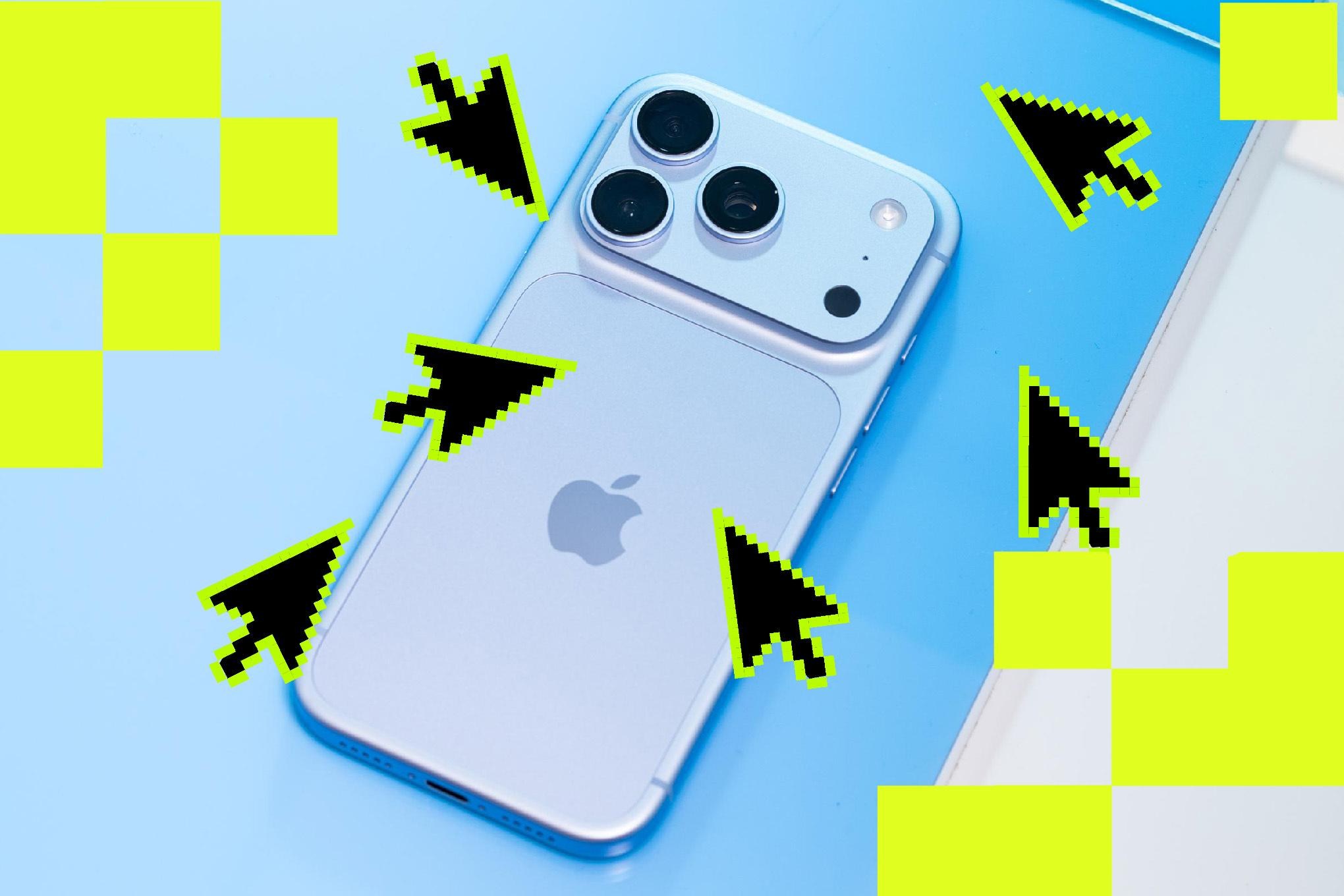
Apple’s product roadmap has always been a blend of incremental refinement and bold leaps. The latest leak, sourced from GF Securities analyst Jeff Pu and reported by MacRumors, reveals that the second‑generation iPhone Air—dubbed iPhone Air 2—will arrive in the first quarter of 2027, likely in March. The timing aligns with the broader iPhone 18 family launch, positioning the Air 2 as a mid‑range flagship that bridges the gap between the standard iPhone 18 line and the premium Pro models slated for a September 2026 debut.
The Air 2 retains the familiar 6.5‑inch display, 12 GB of RAM, and an 18‑MP front camera, but it introduces five substantive hardware upgrades. These changes are not cosmetic; they reflect Apple’s push toward higher‑resolution imaging, next‑gen silicon, and more efficient wireless connectivity—all while keeping the device’s price point competitive within the mid‑tier market.
New Camera System: Dual 48 MP Sensors
Why a Second 48 MP Lens Matters
The current iPhone Air relies on a single 48 MP “Fusion” lens. The Air 2 adds a second 48 MP Ultra‑Wide sensor, effectively doubling the device’s high‑resolution capture capability. This move mirrors Apple’s strategy on the Pro line, where multiple high‑megapixel lenses enable versatile shooting modes—from macro to ultra‑wide landscapes—without sacrificing detail.
A dual‑camera setup also improves computational photography. With two 48 MP sensors feeding the Neural Engine, Apple can refine depth mapping, low‑light performance, and HDR processing. Users can expect sharper portraits, richer textures, and more accurate color reproduction across a broader range of lighting conditions.
Technical Implications
- Sensor Size & Pixel Binning: Both lenses likely share similar sensor dimensions, allowing Apple’s image signal processor (ISP) to apply consistent pixel‑binning algorithms, delivering 12 MP “standard” photos with lower noise.
- Lens Distortion Correction: The Ultra‑Wide lens introduces barrel distortion; Apple’s software will automatically correct this, preserving straight lines in architectural shots.
- Video Capabilities: Dual 48 MP sensors enable 8K video capture at 30 fps, with the option to switch between wide and ultra‑wide perspectives on the fly.
Processor Upgrade: A20 Pro on a 2 nm Process
The Leap from 3 nm to 2 nm
Apple’s silicon roadmap reaches a new milestone with the A20 Pro chip, fabricated by TSMC on its 2 nm process. Compared to the current 3 nm A19 Pro, the 2 nm node offers:
- Higher Transistor Density: Approximately 30 % more transistors per square millimeter, translating to better parallel processing.
- Improved Power Efficiency: Smaller gate lengths reduce leakage current, extending battery life during intensive tasks such as gaming or AI‑driven photo editing.
- Higher Clock Speeds: The A20 Pro can sustain higher frequencies without overheating, boosting single‑core performance for UI responsiveness.
Real‑World Impact
- AI & Machine Learning: The Neural Engine gains additional cores, accelerating on‑device ML tasks like real‑time translation and advanced computational photography.
- Gaming: Metal‑optimized titles will see smoother frame rates, especially when paired with the upcoming ProMotion display on higher‑end iPhone models.
- Battery Life: Early benchmarks suggest a 10‑15 % increase in endurance under mixed‑usage scenarios, a welcome improvement for a device with a power‑hungry dual‑camera system.
Connectivity Upgrades: N2 and C2 Chips
N2 Wireless Networking Chip
The Air 2 replaces the current N1 chip with a **
second-generation N2 chip, which builds on the foundation laid by its predecessor. The N1 chip already introduced support for Wi-Fi 7, Bluetooth 6, and Thread, alongside performance enhancements for AirDrop and Personal Hotspot. The N2 chip is expected to refine these capabilities further, with improvements in:
- Latency Reduction: Lower round-trip times for wireless data transfer, making AirDrop and file-sharing nearly instantaneous.
- Bandwidth Efficiency: Better utilization of available spectrum, reducing congestion in crowded Wi-Fi environments.
- Thread Mesh Networking: Enhanced reliability for smart home devices, ensuring seamless communication between Thread-enabled accessories like HomePods, locks, and sensors.
C2 5G Modem Chip
The C2 chip replaces the current C1X modem, which Apple has touted as the “most power-efficient modem in an iPhone ever.” The C2 chip is expected to deliver:
- Improved Power Efficiency: Further reductions in power consumption during 5G data transmission, extending battery life during prolonged use.
- Enhanced Carrier Aggregation: Support for more 5G frequency bands simultaneously, improving download and upload speeds in areas with fragmented spectrum.
- Better Thermal Management: Reduced heat output during high-speed data transfers, preventing throttling during intensive tasks like 4K video streaming or cloud gaming.
These upgrades ensure that the iPhone Air 2 remains competitive in an era where 5G adoption is accelerating, and users demand faster, more reliable connectivity without sacrificing battery life.
Dynamic Island Redesign: A Subtle but Significant Change
The Dynamic Island introduced with the iPhone 14 Pro series has become a defining feature of Apple’s premium devices. The iPhone Air 2 will feature a slightly smaller Dynamic Island, though the exact dimensions remain undisclosed. This redesign likely serves two purposes:
- Aesthetic Refinement: A smaller Dynamic Island creates a more balanced look, especially on a 6.5-inch display, where the original size could feel slightly intrusive.
- Functional Optimization: Reducing the size of the Dynamic Island may allow for better placement of Face ID sensors and the front camera, improving facial recognition accuracy and selfie quality.
Despite its smaller footprint, the Dynamic Island on the Air 2 will retain all its interactive capabilities, including live activities, notifications, and background task indicators. This ensures users don’t lose any functionality while benefiting from a more streamlined design.
Market Positioning and Staggered Release Strategy
Apple’s decision to launch the iPhone Air 2 in March 2027, alongside the iPhone 18 and iPhone 18e, reflects a deliberate strategy to stagger its product releases. The higher-end models, including the iPhone 18 Pro, iPhone 18 Pro Max, and the foldable “iPhone Ultra”, are expected to debut in September 2026, giving Apple a six-month window to:
- Maximize Revenue: By spacing out releases, Apple can sustain consumer interest and spending across multiple quarters.
- Differentiate Product Tiers: The Air 2’s mid-range positioning allows it to serve as a bridge between the standard iPhone 18 line and the premium Pro models, catering to users who want flagship features without the Pro price tag.
- Leverage Supply Chain Efficiency: A staggered launch helps Apple manage production ramp-ups more effectively, ensuring that each model receives adequate attention from suppliers like TSMC.
The iPhone Air 2’s feature set—particularly its dual 48 MP cameras, A20 Pro chip, and upgraded wireless connectivity—positions it as a compelling option for users who prioritize performance and versatility over the cutting-edge innovations reserved for the Pro lineup.
Conclusion: A Balanced Upgrade for the Mid-Range Market
The iPhone Air 2 represents a thoughtful evolution of Apple’s mid-range iPhone strategy. By focusing on five key upgrades—a dual 48 MP camera system, a smaller Dynamic Island, the A20 Pro chip, the N2 wireless networking chip, and the C2 5G modem—Apple ensures that the Air 2 remains a competitive option in a crowded market. These improvements address real-world user needs, from enhanced photography and gaming performance to more efficient connectivity and battery life.
While the Air 2 may not introduce revolutionary features like the foldable “iPhone Ultra” or the advanced display technologies of the Pro models, it delivers a refined, future-proof experience at a more accessible price point. For users who don’t need the absolute latest and greatest, the iPhone Air 2 offers a compelling blend of innovation and value, making it a strong contender in the 2027 smartphone landscape.
FAQ
1. When will the iPhone Air 2 be released?
The iPhone Air 2 is expected to launch in the first quarter of 2027, likely in March, alongside the iPhone 18 and iPhone 18e.
2. What are the key differences between the iPhone Air 2 and the current iPhone Air?
The iPhone Air 2 introduces five major upgrades:
- A second 48 MP Ultra-Wide camera.
- A smaller Dynamic Island.
- The A20 Pro chip (2nm process).
- The N2 wireless networking chip (Wi-Fi 7, Bluetooth 6, Thread).
- The C2 5G modem chip.
3. Will the iPhone Air 2 support 8K video recording?
Yes, the dual 48 MP camera system is expected to enable 8K video recording at 30 fps, with the ability to switch between wide and ultra-wide perspectives.
4. How does the A20 Pro chip compare to the A19 Pro?
The A20 Pro is manufactured using TSMC’s 2nm process, offering:
- 30% higher transistor density.
- Better power efficiency (10-15% longer battery life).
- Higher clock speeds for improved performance in gaming and AI tasks.
5. What improvements does the N2 chip bring over the N1 chip?
The N2 chip builds on the N1’s capabilities (Wi-Fi 7, Bluetooth 6, Thread) with:
- Lower latency for AirDrop and file transfers.
- Better bandwidth efficiency in crowded Wi-Fi environments.
- Enhanced Thread mesh networking for smart home devices.
6. Is the iPhone Air 2’s Dynamic Island smaller than the current model’s?
Yes, the iPhone Air 2 features a slightly smaller Dynamic Island, though it retains all its interactive features, such as live activities and notifications.
7. Will the iPhone Air 2 have a ProMotion display?
No, the iPhone Air 2 is expected to retain the 6.5-inch display of the current model, without ProMotion (120Hz refresh rate), which remains a feature of the Pro lineup.
8. How does the iPhone Air 2 fit into Apple’s 2027 iPhone lineup?
The iPhone Air 2 is positioned as a mid-range flagship, bridging the gap between the standard iPhone 18 and the premium iPhone 18 Pro models. It offers many flagship features at a more accessible price point.
9. What is the expected price of the iPhone Air 2?
Pricing details have not been disclosed, but the iPhone Air 2 is expected to maintain a competitive mid-range price, similar to its predecessor.
10. Should I wait for the iPhone Air 2 or buy the current iPhone Air?
If you’re considering an upgrade in late 2026 or early 2027, waiting for the iPhone Air 2 may be worthwhile, given its dual-camera system, A20 Pro chip, and connectivity upgrades. However, if you need a new iPhone sooner, the current model remains a strong choice with its single 48 MP camera and A19 Pro chip.
Source: Original Article