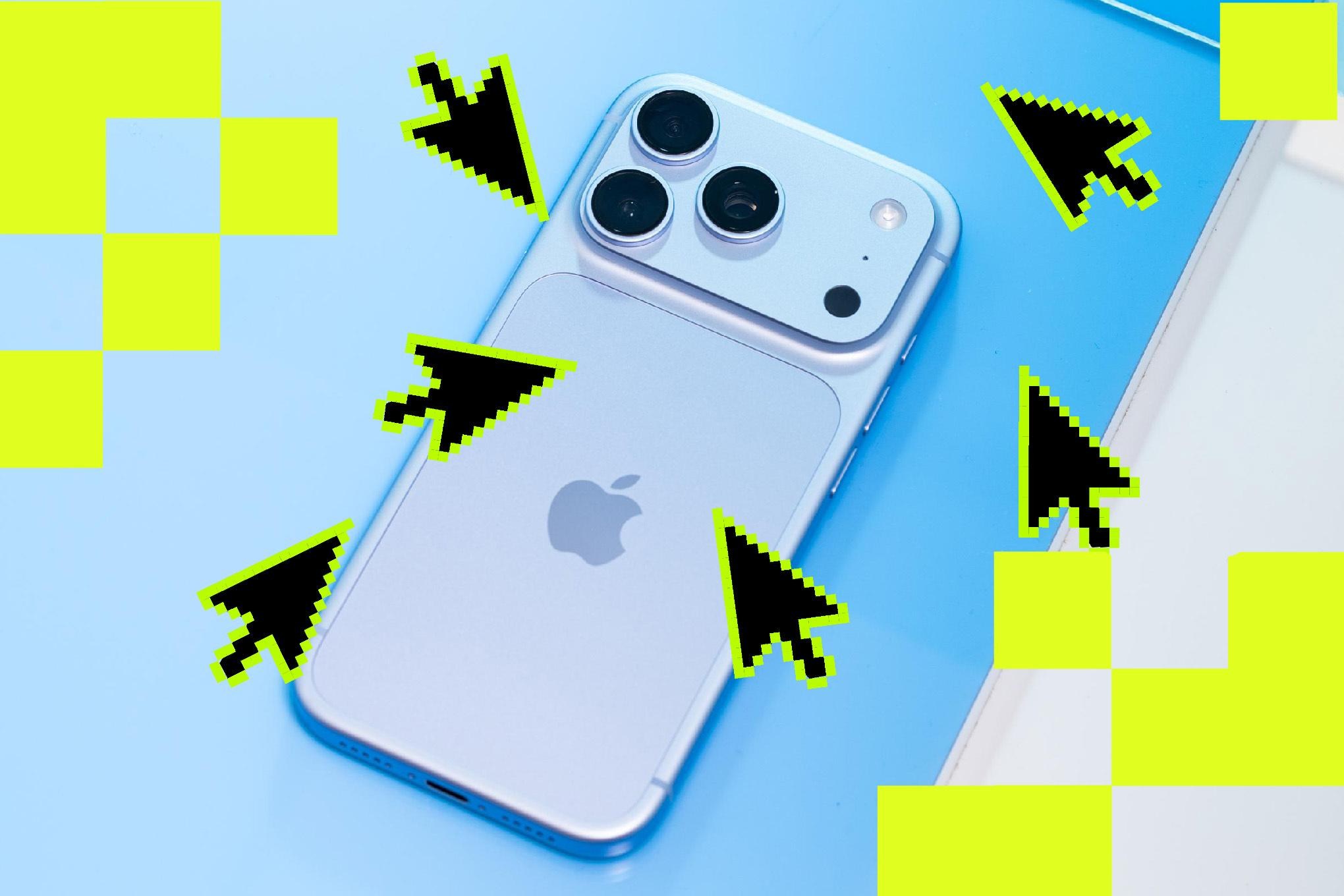







The Rumor Landscape: What We Know So Far
Apple’s product cadence rarely leaves room for speculation, yet the tech‑press has a habit of unearthing details months in advance. The latest whisper comes from analyst Jeff Pu, who told MacRumors.com that the forthcoming iPhone 18e—Apple’s anticipated low‑end offering for the 2027 cycle—will ship with 9 GB of RAM. This marks a one‑gigabyte jump from the iPhone 17e’s 8 GB configuration.
The timing is equally important: the iPhone 18e is expected to launch in March 2027, aligning with Apple’s traditional spring refresh for its budget‑friendly line. While Apple has not confirmed any specifications, the consistency of the source (Jeff Pu) and the corroboration from veteran leaker Ming‑Chi Kuo give the rumor a solid footing.
“The lower‑end iPhone 18e that Apple is expected to release by March 2027 will be equipped with 9 GB of RAM, up from 8 GB in the iPhone 17e, according to analyst Jeff Pu.”
Understanding why this seemingly modest increase matters requires a deep dive into Apple’s hardware strategy, the technical role of RAM in iOS devices, and the broader market forces shaping the smartphone landscape.
Why RAM Matters on iOS: Technical Breakdown
Memory Architecture in Modern iPhones
Apple’s A‑series chips integrate a unified memory architecture (UMA), where the CPU, GPU, and Neural Engine share a single pool of RAM. This design reduces latency and improves power efficiency compared to traditional discrete memory models. However, the size of that pool directly influences how many apps can stay resident in the background, how quickly the system can switch between tasks, and how well it can handle memory‑intensive workloads such as AR, gaming, and AI‑driven photo processing.
The 9 GB Leap: Real‑World Benefits
- Extended Multitasking – With 9 GB, the iPhone 18e can keep more apps alive in the background without forced termination. Users who habitually switch between social media, navigation, and streaming will notice smoother transitions.
- Future‑Proofing for iOS Features – Apple’s upcoming iOS releases are expected to lean heavily on on‑device machine learning. More RAM provides headroom for larger ML models, enabling features like real‑time language translation and advanced computational photography without sacrificing speed.
- Gaming Performance – Modern mobile games, especially those built on Unreal Engine 5, demand substantial memory for textures and physics calculations. The extra gigabyte can reduce frame‑rate drops and improve load times, a point that resonates with gamers who use iPhones as portable consoles.
Comparing to the iPhone 17e
The iPhone 17e’s 8 GB was already generous for a low‑end device, but it occasionally hit limits when users ran multiple heavy apps. Benchmarks from early‑2026 show that the 8 GB model begins to swap memory under sustained load, leading to minor slowdowns. The 9 GB upgrade is expected to push that threshold higher, delivering a noticeable uplift in day‑to‑day fluidity.
Industry Impact: How Competitors React
Apple’s decision to increase RAM in its entry‑level tier sends a clear signal to Android OEMs. Samsung’s Galaxy A‑series, Xiaomi’s Redmi line, and OnePlus’s Nord models have all been competing on the “more RAM for less money” narrative. Historically, Apple has lagged behind Android in raw memory numbers, relying instead on software optimization. By narrowing that gap, Apple forces rivals to differentiate on other fronts—camera modules, battery capacity, or pricing.
Pricing Implications
While Apple rarely discloses pricing until launch, the added memory could modestly raise the iPhone 18e’s base price. Historically, a 1 GB RAM bump in Apple’s low‑end line has translated to a $20‑$30 increase. This shift may compress the price advantage that Android’s budget phones enjoy, but Apple’s brand premium and ecosystem lock‑in often offset pure cost considerations.
Ecosystem Synergy
Apple’s ecosystem benefits from hardware parity across devices. The iPhone 18e’s 9 GB RAM aligns more closely with the iPhone 15 Pro’s 8 GB and the iPhone 16 Pro’s 10 GB, simplifying app developers’ memory‑targeting strategies. Moreover, the increased RAM could improve performance when the iPhone acts as a hub for Apple Wallet car keys—a feature recently highlighted in a report about a Chinese auto giant integrating with Apple Wallet Apple Wallet Car Keys article . A more capable device ensures smoother NFC interactions and faster authentication.
Future Outlook: What This Means for Apple’s Low‑End Roadmap
Potential Cascading Upgrades
If the 9 GB RAM proves popular, Apple may continue the trend for the iPhone 19e, possibly introducing 10 GB or even 12 GB in a bid to keep the low‑end line competitive. This could also influence the mid‑range iPhone 15 series, prompting a re‑evaluation of memory distribution across the portfolio.
Software Evolution
Apple’s iOS roadmap is increasingly AI‑centric. Features like on‑device speech synthesis, real‑time video upscaling, and advanced privacy filters rely on memory‑intensive neural networks. The extra RAM will give Apple more flexibility to roll out these capabilities without fragmenting the user experience across device tiers.
Security Considerations
More memory also means a larger attack surface for potential exploits. Apple’s security team will need to ensure that the expanded RAM does not introduce vulnerabilities, especially as memory‑resident malware becomes more sophisticated. The recent discussion around macOS security in the Mac Antivirus Intego One article Mac Antivirus article underscores Apple’s ongoing focus on safeguarding its platforms.
Cross‑Platform Gaming
The gaming community has taken note of Apple’s hardware upgrades. With the Xbox App now available on Hisense and VIDAA TVs Xbox App article , the iPhone
could serve as a secondary controller or companion device for cloud gaming sessions. The 9GB RAM in the iPhone 18e ensures smoother performance when running demanding titles via Xbox Cloud Gaming or Apple Arcade, further blurring the lines between mobile and console gaming.
Market Reception and Consumer Expectations
Early Reactions from Tech Enthusiasts
The rumor has already sparked discussions among Apple enthusiasts and tech analysts. Many view the RAM increase as a necessary step to keep the iPhone 18e relevant in an era where even mid-range Android devices are shipping with 12GB or more. However, some critics argue that Apple’s software optimization should negate the need for such upgrades, pointing to the iPhone’s historically efficient memory management.
Developer Perspectives
App developers have largely welcomed the news, as it reduces fragmentation in the iOS ecosystem. With more RAM, developers can push the boundaries of what’s possible in mobile apps without worrying about compatibility issues across different iPhone models. This is particularly important for AR/VR applications, which are expected to play a larger role in Apple’s future roadmap, especially with the rumored release of an Apple Vision Pro successor.
Consumer Value Proposition
For the average consumer, the 9GB RAM in the iPhone 18e translates to a more future-proof device. While most users may not notice the difference in day-to-day tasks, power users—such as content creators, gamers, and professionals—will benefit from the improved multitasking and performance headroom. Additionally, the increased RAM could extend the device’s lifespan, making it a more attractive option for those who hold onto their iPhones for several years.
Potential Challenges and Considerations
Battery Life and Thermal Management
One of the trade-offs of increasing RAM is the potential impact on battery life and thermal performance. More memory can lead to higher power consumption, especially under heavy workloads. Apple will need to ensure that the iPhone 18e’s battery and cooling systems are optimized to handle the additional demand without compromising user experience.
Supply Chain and Manufacturing
The shift to 9GB RAM may also pose challenges for Apple’s supply chain. While 8GB LPDDR5 modules are widely available, sourcing 9GB configurations at scale could require adjustments in manufacturing processes. Apple’s long-standing partnerships with memory suppliers like SK Hynix and Micron will be crucial in ensuring a smooth transition.
Pricing Strategy
As mentioned earlier, the RAM increase could lead to a slight price bump for the iPhone 18e. Apple will need to strike a balance between maintaining affordability for its budget-conscious customers and justifying the upgrade with tangible performance benefits. If the price increase is too steep, it could alienate some buyers, particularly in price-sensitive markets.
Conclusion: A Step Toward a More Unified iPhone Lineup
The rumored 9GB RAM in the iPhone 18e represents more than just a spec bump—it’s a strategic move by Apple to unify its product lineup and future-proof its devices. By narrowing the gap between its low-end and high-end models, Apple is ensuring that all iPhone users can enjoy a consistent and high-quality experience, regardless of their budget.
This shift also reflects broader industry trends, where even budget devices are expected to handle increasingly demanding tasks. As Apple continues to push the boundaries of what’s possible with iOS, hardware upgrades like this will be essential to keep pace with evolving user expectations and technological advancements.
Ultimately, the iPhone 18e’s 9GB RAM is a testament to Apple’s commitment to delivering cutting-edge technology across its entire product range. Whether this trend continues with future models remains to be seen, but for now, it’s a promising sign for consumers and developers alike.
FAQ
1. Why is Apple increasing the RAM in the iPhone 18e?
Apple is likely increasing the RAM to improve multitasking, gaming performance, and future-proof the device for upcoming iOS features, particularly those involving AI and machine learning. The extra memory also helps align the iPhone 18e more closely with higher-end models, reducing fragmentation in the iOS ecosystem.
2. Will the iPhone 18e’s 9GB RAM make a noticeable difference for everyday users?
For most everyday tasks, such as browsing, social media, and light app usage, the difference between 8GB and 9GB may not be immediately noticeable. However, power users—such as gamers, content creators, and those who frequently multitask—will likely see smoother performance and fewer slowdowns.
3. How does the iPhone 18e’s RAM compare to Android devices?
While 9GB is a significant upgrade for Apple’s low-end iPhone, many Android devices in the same price range already offer 12GB or more. However, Apple’s software optimization often allows iPhones to perform comparably to Android devices with higher RAM capacities.
4. Could the RAM increase lead to a higher price for the iPhone 18e?
It’s possible. Historically, hardware upgrades like this have led to modest price increases in Apple’s budget models. However, Apple may absorb some of the cost to maintain competitiveness in the budget smartphone market.
5. When is the iPhone 18e expected to launch?
The iPhone 18e is rumored to launch in March 2027, following Apple’s traditional spring release schedule for its low-end iPhone models.
6. Will the iPhone 18e support the same features as higher-end iPhones?
While the iPhone 18e may not include all the premium features of the Pro models (such as ProMotion displays or advanced camera systems), the increased RAM will help ensure smoother performance for most iOS features, including AR, gaming, and AI-driven applications.
7. How does this RAM upgrade affect developers?
Developers will benefit from the increased RAM as it reduces fragmentation in the iOS ecosystem. This means they can optimize their apps for a wider range of devices without worrying about memory constraints, leading to better performance and more innovative features.
Source: Original Article