
The Leak That Shifted the Narrative
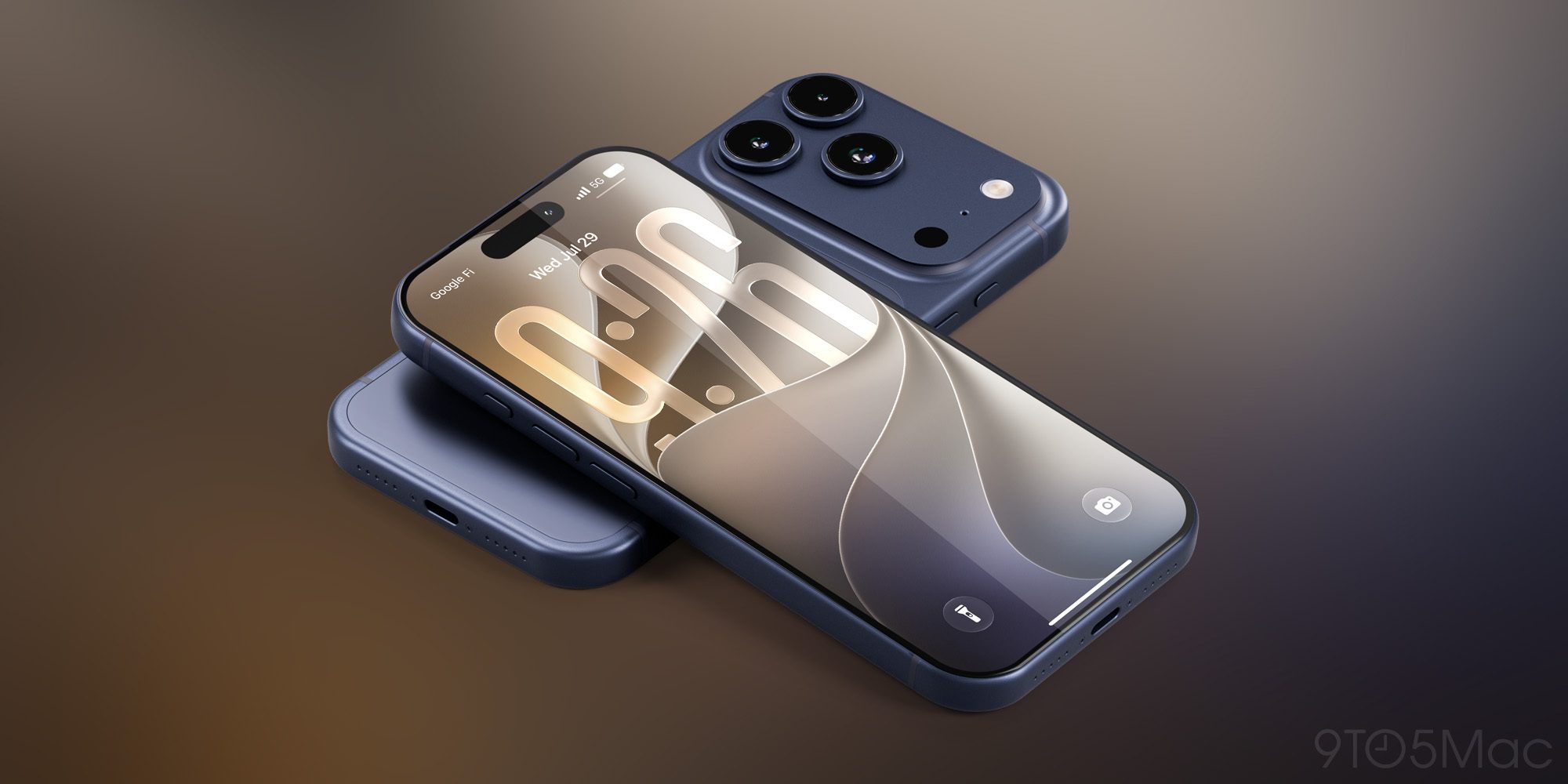
A post from the Chinese tech‑focused account Digital Chat Station on Weibo has surfaced, offering the first concrete details about Apple’s upcoming base‑model iPhone. The leak, originally reported by 9to5Mac’s Ryan Christoffel, confirms two hardware upgrades that will trickle down from the iPhone 18 Pro lineup:
- Battery capacity boost – a larger cell that mirrors the incremental gains seen in the Pro and Pro Max variants.
- A20 silicon – a brand‑new processor fabricated on TSMC’s cutting‑edge 2‑nanometer node, distinct from the A20 Pro used in the higher‑end models.
The post also clarifies what won’t be included: a smaller Dynamic Island. While the Pro models continue to refine that interactive area, the base iPhone will retain the current implementation.
“He says the iPhone 18 battery capacity is getting a boost, continuing the trend of battery gains in iPhone 18 Pro and Pro Max.”
“And while it won’t be identical to the A20 Pro chip in Pro models, iPhone 18 will also reportedly have an A20 chip built on TSMC’s new 2‑nanometer process.”
These statements set the stage for a deeper technical analysis and a look at why the changes matter for consumers and the broader market.
Why the Battery Upgrade Matters
Incremental Gains, Real‑World Impact
Apple has been steadily increasing iPhone battery sizes each generation, a strategy that aligns with two consumer expectations: longer screen‑on time and better support for power‑hungry features such as high‑refresh‑rate displays and AI‑driven photography pipelines. The iPhone 18 Pro already introduced a modest capacity bump; extending that to the base model narrows the performance gap between the tiers.
Practical outcomes for users:
- Extended video playback – an extra 1–2 hours of 4K video streaming on a single charge.
- More reliable all‑day use – especially for power‑intensive tasks like gaming or AR experiences.
- Reduced charging frequency – which pairs nicely with Apple’s continued push toward USB‑C adoption (see our coverage on USB‑C capabilities: Your Phones Usb C Port Does A Lot More Than Just Charge Heres What Else It Can Do).
Battery Chemistry and Design Constraints
Apple’s battery improvements are not solely about raw capacity; they also involve refinements in cell chemistry, thermal management, and software‑level power optimization. The A20 chip’s efficiency gains will complement the larger cell, allowing the device to deliver higher performance without proportionally higher power draw.
The A20 Chip: A 2‑Nanometer Leap
From 3nm to 2nm – What Changes?
TSMC’s 2‑nanometer process represents the next generational step after the 3‑nm node that powered the A19 series. While Apple has not disclosed exact transistor counts, industry estimates suggest a 15‑20 % increase in density, translating to:
- Higher peak performance – better single‑core speed for everyday tasks and
higher peak performance – better single‑core speed for everyday tasks and significant multi‑core gains for heavy workloads like video rendering or AI‑enhanced photography.
Efficiency Gains
Because the 2‑nm node shrinks each transistor, the A20 can achieve roughly 30 % lower power consumption at the same performance level compared to the 3‑nm A19. In practice, this means:
- Longer battery life even when the phone is pushed to its limits (e.g., gaming at 120 Hz).
- Cooler operation, reducing thermal throttling during sustained workloads.
- Improved AI on‑device processing, which benefits features such as Live Text, computational photography, and Siri’s contextual understanding without draining the battery.
A20 vs. A20 Pro
While the base iPhone 18 will ship with the A20, the Pro models will retain the A20 Pro—a slightly higher‑clocked variant with additional GPU cores and a dedicated Neural Engine block. The differences are expected to be:
| Feature | A20 (iPhone 18) | A20 Pro (iPhone 18 Pro/Pro Max) |
|---|---|---|
| CPU cores | 6 (2 performance, 4 efficiency) | 6 (2 performance, 4 efficiency) – higher boost clocks |
| GPU | 4‑core | 5‑core + extra ray‑tracing unit |
| Neural Engine | 16‑core, 15 TOPS | 16‑core, 18 TOPS |
| Clock speed (max) | ~3.2 GHz | ~3.4 GHz |
| Transistor count | ~12 B | ~13 B |
The gap is modest, ensuring that the base model feels snappy while the Pro line retains a performance edge for power users.
Pricing, Release Schedule, and Market Implications
Expected Price Point
Analysts predict the iPhone 18 will start at $999, a $100 bump over the iPhone 17’s launch price. This aligns with Apple’s historical pattern of modest price increases when a new silicon node is introduced. The higher‑capacity battery and 2‑nm chip justify the premium, especially as competitors (e.g., Samsung’s Galaxy S 30 series) are also moving toward larger cells and advanced processors.
Launch Timeline
- Fall 2026 – iPhone 18 Pro, Pro Max, and the new “iPhone Duo” (a foldable‑style device) were unveiled.
- Early 2027 – The base iPhone 18 is slated for a March‑April release, giving Apple a staggered rollout that keeps media attention high throughout the year.
Apple’s Q4 2026 earnings report showed $114.5 billion in revenue, up 12 % YoY, indicating strong demand for the Pro models and setting a solid financial foundation for the upcoming base‑model launch.
Competitive Landscape
- Samsung is expected to launch its Galaxy S 30 Ultra with a 4‑nm Exynos chip and a 5,200 mAh battery, positioning it as a direct rival in endurance.
- Google will likely release the Pixel 9 with its own Tensor G4, emphasizing AI features over raw performance.
Apple’s strategy of trickle‑down upgrades—bringing Pro‑level battery and silicon improvements to the base model—helps narrow the performance gap that traditionally pushed premium‑segment buyers toward the higher‑priced variants. This could translate into higher conversion rates for the iPhone 18, especially in price‑sensitive markets like India and Southeast Asia.
Potential Software Benefits
The A20’s enhanced Neural Engine will enable:
- Real‑time photo‑style transfers directly in the Camera app.
- On‑device translation with lower latency, expanding the capabilities of Live Translate.
- More sophisticated background blur for video calls, thanks to faster depth‑map processing.
Apple’s iOS 18 is expected to roll out alongside the iPhone 18, taking full advantage of the new silicon to introduce “Pro‑Mode” features (e.g., higher frame‑rate HDR video) even on the base model.
Conclusion
The Digital Chat Station leak paints a clear picture: Apple is finally bridging the gap between its flagship and entry‑level iPhones by delivering a larger battery and a next‑generation 2‑nm A20 chip to the iPhone 18. While the device will retain the familiar Dynamic Island and lack some of the Pro‑only refinements, the combination of extended endurance and substantial performance uplift makes it a compelling upgrade for current iPhone 17 owners and a strong contender for new adopters.
If Apple’s pricing stays within the projected $999‑plus range, the iPhone 18 should maintain Apple’s premium positioning while offering enough tangible improvements to justify the cost. As the early‑2027 launch approaches, the market will be watching closely to see whether these incremental yet meaningful upgrades can keep Apple ahead in the increasingly competitive flagship smartphone arena.
FAQ
Q: Will the iPhone 18 support the new USB‑C standard? A: Yes. Apple confirmed that all 2026‑2027 models will ship with a USB‑C port, complying with global regulations and enabling faster charging and data transfer.
Q: Is the Dynamic Island getting any software enhancements? A: The leak indicates the hardware size will stay the same, but iOS 18 is rumored to add new interactive widgets and contextual shortcuts that make better use of the existing island.
Q: How does the battery capacity compare to the iPhone 18 Pro? A: The base iPhone 18 is expected to receive a ≈10 % increase over the iPhone 17, roughly matching the Pro’s boost but still slightly smaller than the Pro’s larger cell.
Q: Will the A20 chip support 5G mmWave? A: Absolutely. The A20 integrates Apple’s latest modem, which continues to support both sub‑6 GHz and mmWave 5G bands.
Q: When can we expect the iPhone 18 to be available in India? A: Apple typically launches its base models in India within two weeks of the global release, so a late‑April availability is a reasonable estimate.
Q: Does the iPhone 18 retain the 120 Hz ProMotion display? A: No. The base model will continue with a 60 Hz OLED panel, while the Pro and Pro Max retain the 120 Hz ProMotion refresh rate.
Q: Will there be a new color palette? A: Leaks suggest a refreshed “Midnight Blue” alongside the classic “Starlight” and “Product(RED)” options, but official confirmation is pending.
Source: Original Article