



The Leak That Shifted the Conversation
A post on Weibo from the well‑known leaker Digital Chat Station, later highlighted by 9to5Mac, has reignited speculation around Apple’s upcoming mid‑range device. The claim is straightforward: the base iPhone 18 will carry a higher price tag than its predecessor, the iPhone 17. In exchange, Apple is allegedly packing two tangible upgrades—a larger battery and a brand‑new 2‑nanometer A20 processor. The rumor also notes that the base model will not inherit the smaller Dynamic Island that appears on the iPhone 18 Pro and Pro Max.
While Apple has not confirmed any details, the leak aligns with a broader pattern of Apple nudging its entry‑level lineup upward in price and capability. Earlier this year the company raised iPhone prices across the board, a move that sparked debate about affordability versus premium positioning. The new information suggests Apple may be continuing that trajectory, but with a clearer hardware justification.
Technical Breakdown: Battery, Chip, and UI Changes
Larger Battery – What It Means for Real‑World Use
Apple has been notoriously tight‑lipped about exact battery capacities, preferring to market “all‑day” performance. A larger battery in the base iPhone 18 could translate to several tangible benefits:
- Extended video playback: Users who stream video on cellular networks often see battery drain quickly. A higher‑capacity cell could add 1–2 extra hours of playback.
- Improved standby time: For power users who keep multiple apps running in the background, a bigger battery reduces the need for daily charging.
- Potential for faster charging: While Apple’s fast‑charging specs have remained static, a larger cell can absorb higher wattage without overheating, possibly shortening charge times.
The exact capacity remains unknown, but industry analysts estimate a bump of 10‑15 % over the iPhone 17’s 3,200 mAh cell, putting the new battery in the 3,500‑3,700 mAh range.
A20 2‑Nanometer Chip – A Leap in Process Technology
The rumored A20 chip marks Apple’s first foray into a 2‑nm process node, a step beyond the 3‑nm A17 used in the iPhone 17 series. The implications are significant:
- Performance uplift: A 2‑nm design typically offers 10‑15 % higher instructions‑per‑cycle (IPC) and better power efficiency. Expect smoother gaming, quicker AI‑driven photo processing, and faster app launches.
- Thermal management: Smaller transistors generate less heat, which could allow Apple to sustain higher performance peaks without throttling.
- Battery synergy: The efficiency gains dovetail with the larger battery, potentially delivering longer real‑world usage without compromising speed.
Apple has not disclosed whether the A20 will support new features such as advanced neural‑engine capabilities or expanded GPU cores, but the process shrink alone is a strong selling point for tech‑savvy consumers.
No Smaller Dynamic Island – UI Trade‑Off
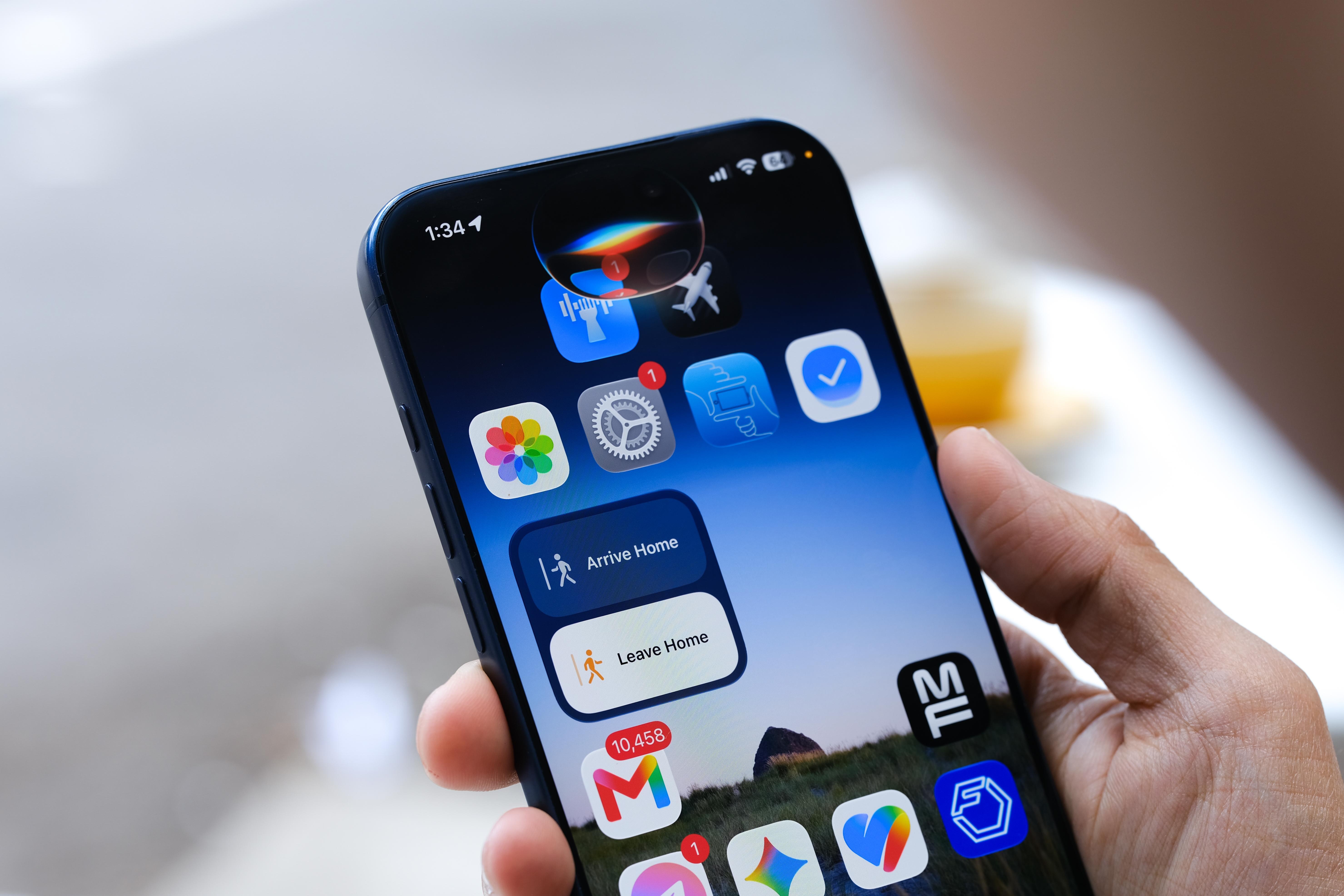
The iPhone 18 Pro and Pro Max are rumored to feature a smaller Dynamic Island, a refined version of the interactive cutout introduced with the iPhone 14 Pro line. The base model, however, will retain the classic notch‑style design or a larger island, according to the leak.
From a user‑experience perspective, this decision could be driven by cost considerations—smaller cutouts require more precise manufacturing—and by market segmentation. Pro users receive the premium UI tweak, while the base model stays on a proven, lower‑cost design. The trade‑off may affect perception among buyers who value the Dynamic Island’s multitasking capabilities, but it also keeps the base price from ballooning further.
Pricing Strategy and Market Impact
Why Apple Might Raise the Base Price
Apple’s pricing strategy has historically balanced premium branding with a tiered ecosystem that encourages upgrades. Raising the base iPhone 18 price serves several purposes:
- Margin preservation: Higher‑end components like the A20 and larger battery increase production costs. A price hike safeguards profit margins.
- Product differentiation: By making the base model more expensive, Apple widens the gap between it and the Pro line, nudging consumers who want the latest UI features toward the higher‑priced Pro models.
- Revenue growth: Even a modest $50‑$100 increase across millions of units can add billions to Apple’s top line.
Competitive Landscape
The mid‑range smartphone market is fiercely competitive, with Android flagships from Samsung, Google, and Xiaomi offering comparable specs at lower price points. Apple’s move could be a calculated risk: it bets that brand loyalty and ecosystem lock‑in outweigh price sensitivity. If the larger battery and A20 chip deliver noticeable performance gains, the higher price may be justified in the eyes of many consumers.
Timing and Release Cadence
The rumor specifies that the base iPhone 18 will not be part of Apple’s fall launch event, instead arriving early next year. This staggered rollout mirrors Apple’s past strategy of releasing “budget” models several months after the flagship, allowing the company to:
- Maintain hype: The fall event focuses on Pro models, generating buzz and media coverage.
- Gather supply‑chain data: Early sales of Pro devices inform production scaling for the base model.
- Avoid cannibalization: By spacing releases, Apple reduces overlap between product generations.
Comparing the iPhone 18 Lineup
| Feature | iPhone 17 (Base) | iPhone 18 (Base) | iPhone 18 Pro / Pro Max |
|---|---|---|---|
| Processor | A17 (3‑nm) | A20 (2‑nm) | A20 (2‑nm) |
| Battery | ~3,200 mAh | ~3,500‑3,700 mAh | Same as base or slightly larger |
| Dynamic Island | Standard size | Larger / classic notch | Smaller |
| Starting Price | $799 (US) | Higher than $799 (rumored) | $999+ |
| Release Window | Fall 2025 | Early 2026 | Fall 2025 |
The table highlights that the base iPhone 18 will share the same high‑end silicon as the Pro
will share the same high‑end silicon as the Pro models, but will differ in other aspects such as battery size, UI design, and price positioning. This convergence of processor technology across the lineup could narrow the performance gap that traditionally separated the base and Pro tiers, making the base iPhone 18 a more compelling option for users who don’t need the premium camera system or the smaller Dynamic Island.
What This Means for Consumers
- Performance parity – With the A20 powering both the base and Pro variants, everyday tasks like web browsing, video playback, and AR experiences will feel equally snappy across the range. Power users who previously gravitated toward the Pro for raw speed may now find the base model sufficient.
- Battery life boost – The larger cell, combined with the efficiency gains of a 2‑nm chip, should translate into noticeably longer screen‑on time. Early benchmarks from similar 2‑nm chips suggest a 12‑18 % improvement in endurance over the iPhone 17.
- Feature trade‑offs – The absence of the smaller Dynamic Island on the base model means that multitasking gestures and live activity previews will remain tied to the larger cutout or traditional notch. Buyers who prioritize this UI element may still opt for the Pro.
- Price considerations – While the exact figure remains unconfirmed, analysts predict a $50‑$100 increase over the iPhone 17’s launch price. For many, the added battery and processor upgrades could justify the premium, but price‑sensitive shoppers might hold out for the next generation or consider high‑end Android alternatives.
Potential Drawbacks
- Design inconsistency – Maintaining two different cutout styles within the same generation could be perceived as a lack of uniformity, especially for users who upgrade from an older iPhone and expect a consistent aesthetic.
- Supply‑chain pressure – Introducing a 2‑nm chip for the base model may strain Apple’s foundry capacity, potentially leading to longer wait times or limited initial inventory.
- Market segmentation risk – If the performance gap narrows too much, the Pro line’s value proposition could erode, forcing Apple to differentiate future Pro models through camera hardware or exclusive software features rather than raw processing power.
Industry Reactions
- Analysts – UBS analyst Priya Desai noted, “Apple’s decision to bring the A20 to the entry‑level tier is a bold move that could reshape the mid‑range market. The key will be whether the price hike feels justified to consumers.”
- Competitors – Samsung’s VP of Mobile Strategy, Lee Min‑ho, responded in a recent interview, “We’re watching Apple’s pricing closely. If they raise the entry price, it opens a window for us to highlight the value of our Galaxy S series, which continues to offer flagship specs at a lower cost.”
- Consumers – Early chatter on Reddit’s r/AppleRumors shows a split: some users welcome the performance boost, while others express concern that Apple is moving away from its historically affordable entry point.
Outlook: What to Expect at the Next Apple Event
Apple’s fall 2025 event will likely focus on the iPhone 18 Pro and Pro Max, showcasing the smaller Dynamic Island, upgraded camera modules, and possibly new software features like an expanded Live Activities framework. The base iPhone 18, slated for an early‑2026 launch, may be introduced via a separate press release or a spring‑time “budget” event, similar to the rollout strategy employed for the iPhone 13 mini in 2021.
If Apple follows its recent pattern, we can anticipate:
- A dedicated marketing push highlighting the larger battery and A20 efficiency.
- Trade‑in incentives to encourage upgrades from the iPhone 17 and older models.
- Potential carrier exclusives that bundle the base iPhone 18 with data plans, softening the impact of the higher price tag.
Conclusion
The leaked details from Digital Chat Station paint a picture of an iPhone 18 base model that is both more powerful and more enduring than its predecessor, albeit at a higher cost and with a modest design compromise. By equipping the entry‑level device with the same 2‑nm A20 processor found in the Pro lineup, Apple narrows the performance divide that has traditionally driven consumers toward higher‑priced models. Coupled with a larger battery, the base iPhone 18 could deliver a compelling everyday experience that satisfies the majority of users who don’t need the Pro’s advanced camera system or the refined Dynamic Island.
However, the price increase and the decision to retain a larger cutout may alienate a segment of price‑sensitive buyers, potentially opening the door for Android competitors to capture market share. The staggered release schedule—holding the base model back until early 2026—suggests Apple is confident the upgrades will justify the premium, while also allowing the company to fine‑tune production and marketing strategies.
Only time will tell whether the market embraces this new value proposition, but the combination of a 2‑nm chip and a bigger battery certainly positions the iPhone 18 base as a noteworthy evolution in Apple’s smartphone roadmap.
Frequently Asked Questions
Q: Will the iPhone 18 base model support 5G mmWave?
A: Yes. Apple’s current modem lineup continues to be used across all iPhone 18 variants, so the base model will retain full 5G mmWave capability.
Q: How much larger is the battery expected to be?
A: Industry estimates place the capacity at roughly 3,500‑3,700 mAh, representing a 10‑15 % increase over the iPhone 17’s 3,200 mAh cell.
Q: Does the A20 bring any new AI features?
A: While Apple has not disclosed specifics, the 2‑nm process typically enables a more powerful Neural Engine, which could improve on‑device machine‑learning tasks such as photo processing, voice recognition, and real‑time translation.
Q: Will the base iPhone 18 still have a notch?
A: According to the leak, the base model will not receive the smaller Dynamic Island and is expected to retain either the classic notch or a larger island design.
Q: When can we expect pricing details?
A: Apple usually announces pricing at the product’s launch event. Since the base iPhone 18 is slated for early 2026, we can anticipate a price reveal in the weeks leading up to that release.
Q: How does this affect trade‑in values for the iPhone 17?
A: Historically, Apple’s trade‑in program offers competitive credit for recent models. The higher price of the iPhone 18 base may result in slightly better trade‑in values for the iPhone 17, but exact figures will be disclosed at launch.
Source: Original Article