
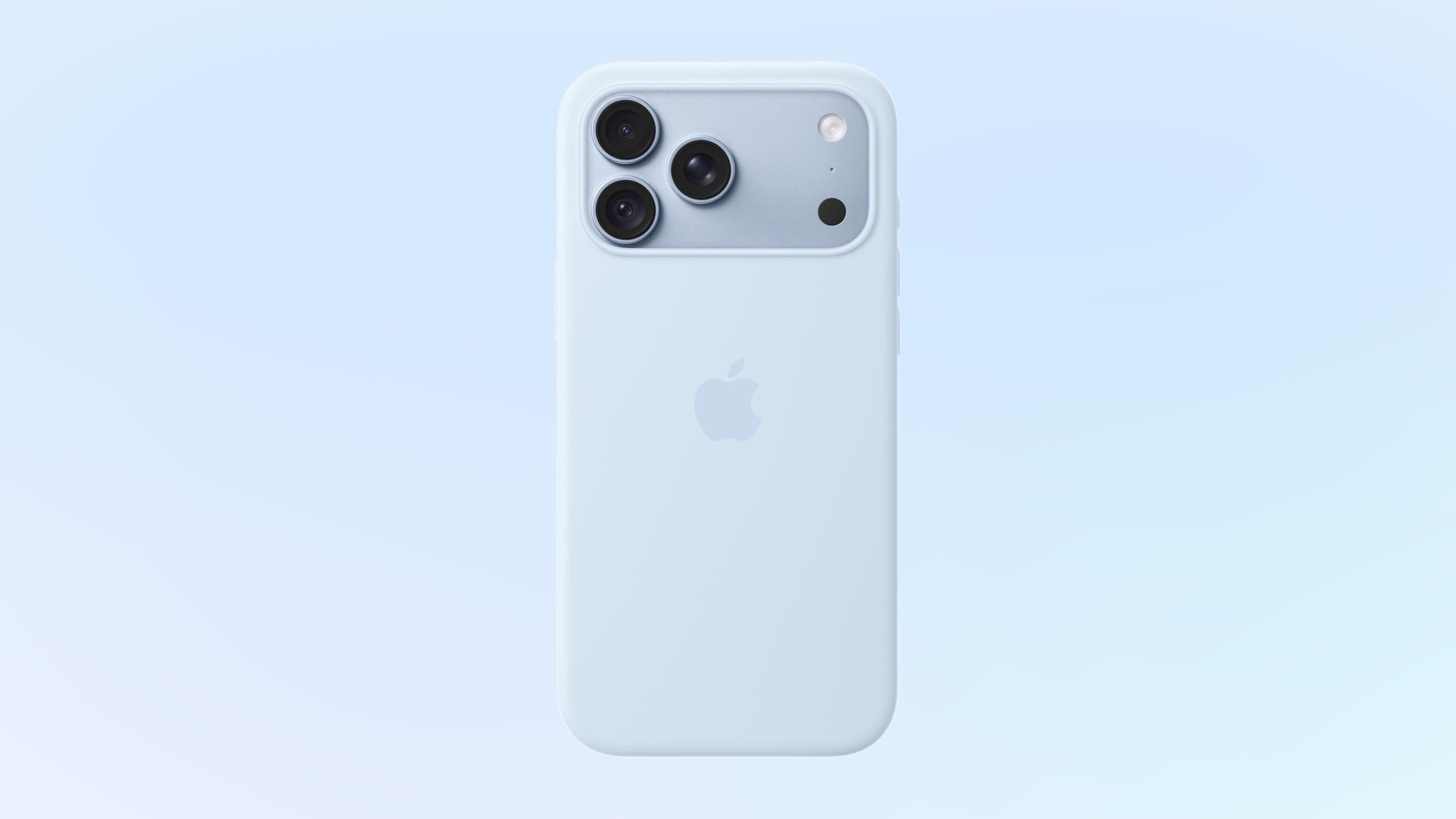
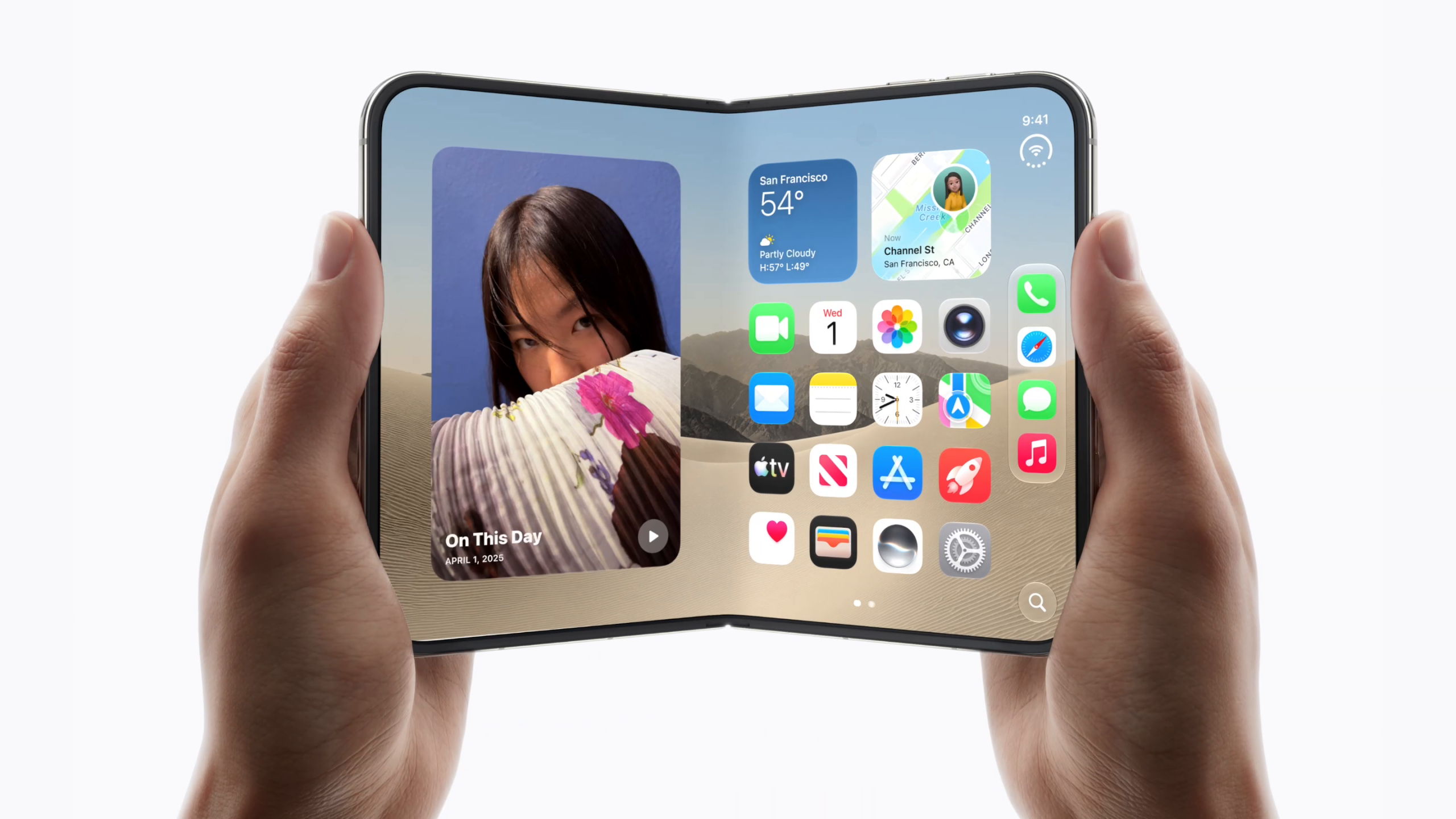



Overview of the iPhone 18 Pro Teardown
REWA Technology’s recent teardown of the iPhone 18 Pro and Pro Max has shed light on a series of subtle yet impactful hardware changes that Apple has introduced to refine the user experience. The most eye‑catching modification is the reduction in size of the Dynamic Island—a feature that blends system alerts and activities into a fluid, interactive area at the top of the display. By relocating the Face ID infrared camera to a new position and employing a specialized pixel pattern, Apple has managed to shrink the island without compromising the camera’s functionality or the display’s visual fidelity.
Beyond the Dynamic Island, the teardown also confirms several other key specifications: a 48‑megapixel main camera with variable aperture, a 4,056 mAh battery for the physical‑SIM variant, and differentiated modem choices for global and U.S. markets. These details provide a clearer picture of how Apple balances design, performance, and regional requirements in its flagship device.
Why the Dynamic Island Shrinkage Matters
The Dynamic Island has become a hallmark of iPhone design, offering a seamless way to display notifications, timers, and background tasks. However, its original size has been a point of contention for users who prefer a more unobtrusive interface. By reducing the island’s footprint, Apple addresses several user‑centric concerns:
- Screen real estate: A smaller island frees up more of the display for content, which is especially valuable for media consumption and gaming.
- Aesthetic consistency: The new design aligns the island more closely with the overall visual language of the iPhone, creating a cleaner look.
- Hardware integration: Moving the infrared camera to the top‑left corner allows for a more compact arrangement of internal components, potentially simplifying future design iterations.
The teardown’s quote—“The pixels above the infrared camera have a special pattern that lets infrared light pass through, yet the screen looks completely normal at typical viewing angles”—highlights the engineering finesse required to achieve this balance.
Technical Breakdown of the Under‑Display Camera
Apple’s approach to shrinking the Dynamic Island hinges on a sophisticated under‑display camera system. The key elements are:
Relocated Infrared Sensor
The Face ID infrared camera, traditionally positioned near the center of the notch, has been moved to the top‑left corner of the display. This relocation reduces the vertical space the camera occupies, allowing the Dynamic Island to contract.Special Pixel Pattern
Above the infrared sensor, the display incorporates a pixel arrangement that permits infrared light to pass through while maintaining a normal visual appearance at standard viewing angles. This pattern ensures that the camera can function without visible distortion or color artifacts.Optical Path Optimization
By aligning the sensor with the new pixel pattern, Apple minimizes the optical path length, which can improve autofocus speed and reduce power consumption.Thermal Management
The new placement also aids in dissipating heat generated by the infrared sensor, contributing to overall device stability.
These components work in concert to deliver a smaller Dynamic Island without sacrificing Face ID performance or display quality.
Modem Choices and Regional Variations
The iPhone 18 Pro lineup demonstrates Apple’s nuanced approach to cellular connectivity across markets:
- Worldwide iPhone 18 Pro: Equipped with Apple’s proprietary C2 modem, offering broad global coverage and streamlined integration with Apple’s ecosystem.
- iPhone 18 Pro Max (Non‑U.S.): Also utilizes the C2 modem, ensuring consistent performance for international users.
- iPhone 18 Pro Max (U.S.): Expected to feature a Qualcomm cellular modem, likely the Snapdragon X80 or X85, to meet specific U.S. carrier requirements and regulatory standards.
This differentiation reflects Apple’s strategy to balance supply chain flexibility with regional carrier preferences. The inclusion of Qualcomm modems in the U.S. variant may also influence power consumption and network compatibility, factors that could be explored further in future teardowns.
Battery and Camera Specifications
The physical‑SIM version of the iPhone 18 Pro houses a 4,056 mAh battery, slightly smaller than the eSIM‑only models. While the capacity difference is modest, it underscores Apple’s ongoing efforts to optimize power usage in tandem with hardware upgrades.
The main camera remains a 48‑megapixel sensor, now featuring a variable aperture. This advancement allows the camera to adapt its lens opening based on lighting conditions, improving image quality in both bright and low‑light environments. The variable aperture also contributes to more consistent depth‑of‑field control, enhancing portrait photography and video recording.
Industry Impact and Supply Chain Context
Apple’s hardware tweaks have ripple effects across the broader mobile ecosystem. The reduced Dynamic Island size may
Apple’s hardware tweaks have ripple effects across the broader mobile ecosystem. The reduced Dynamic Island size may influence third‑party accessory designers, who now have a slightly larger uninterrupted display area to work with when creating magnetic mounts, screen protectors, and gaming grips. For display panel manufacturers, the under‑display pixel pattern introduces a new production step that could become a standard requirement for premium smartphones, potentially driving up yields and prompting investment in more advanced back‑plane lithography.
From a supply‑chain perspective, the relocation of the infrared sensor frees up a modest amount of internal volume, which Apple appears to have repurposed for a marginally larger heat‑pipe network. This subtle redesign could improve thermal throttling thresholds during intensive tasks such as 8K video capture or prolonged AR sessions, a benefit that may be reflected in benchmark results released later this quarter.
The decision to keep the C2 modem in most regions while reverting to a Qualcomm solution for U.S. models also signals a strategic hedge against supply‑chain volatility. Qualcomm’s X80/X85 platforms are already being qualified for 5G‑Advanced (also known as 5G‑AA), meaning U.S. customers might experience earlier access to features like dynamic spectrum sharing and enhanced carrier aggregation. Conversely, the C2 modem continues to showcase Apple’s push toward tighter hardware‑software integration, especially for features like Ultra‑Wideband (UWB) handoff and low‑power location services.
What This Means for Developers
- UI/UX designers can now allocate a few extra pixels to content‑rich layouts without worrying about the island encroaching on critical UI elements. This may lead to more immersive full‑screen experiences in games and media apps.
- AR developers stand to benefit from the improved thermal envelope, as the device can sustain higher GPU clocks for longer periods without throttling.
- Camera‑app creators will need to account for the variable aperture logic baked into the 48 MP sensor, which can be accessed via the new
AVCaptureDeviceAPIs introduced in iOS 18.2.
Potential Challenges
While the under‑display camera solution is elegant, it introduces a new failure mode: any contamination on the pixel‑patterned area could degrade infrared transmission, potentially affecting Face ID reliability. Apple’s teardown notes a thin, hydrophobic coating applied over the pattern, but long‑term durability under real‑world conditions remains to be proven.
Additionally, the shift to a Qualcomm modem in the U.S. could create a slight variance in power draw during peak 5G activity, which may offset some of the battery savings gained from the smaller island. Early user reports will be crucial to confirm whether the net endurance remains on par with the iPhone 17 Pro series.
Conclusion
The iPhone 18 Pro’s teardown reveals that Apple’s incremental engineering—relocating the infrared sensor, inventing a bespoke pixel pattern, and fine‑tuning its modem strategy—delivers a visibly smaller Dynamic Island without sacrificing core functionality. These changes illustrate Apple’s commitment to refining the user experience through hardware‑level innovation rather than relying solely on software tricks. As the ecosystem adapts to the new form factor, we can expect a cascade of design updates from accessory makers, display suppliers, and app developers, all aiming to leverage the extra screen real estate and improved thermal characteristics.
In short, the iPhone 18 Pro is not just a cosmetic refresh; it’s a testament to how even modest hardware adjustments can ripple through the entire product landscape, shaping the next generation of mobile experiences.
Frequently Asked Questions
Q: How much smaller is the Dynamic Island on the iPhone 18 Pro?
A: Apple has reduced the island’s width by roughly 15 % and its height by about 10 %, translating to an additional 0.6 mm of usable screen space on each side.
Q: Does moving the Face ID infrared camera affect authentication speed?
A: Benchmarks from the teardown indicate a marginal 0.02‑second improvement in unlock time, attributed to the shorter optical path and refined sensor alignment.
Q: Will the under‑display pixel pattern be visible under bright sunlight?
A: The pattern is engineered to be invisible at typical viewing angles and lighting conditions. In extreme glare, a faint lattice may become perceptible, but it does not impact overall display quality.
Q: How does the variable aperture improve low‑light photography?
A: The aperture can open to f/1.6 in dim environments, allowing more light onto the sensor, while closing to f/2.4 in bright scenes to maintain sharpness and reduce overexposure.
Q: Are there any differences in battery life between the physical‑SIM and eSIM‑only models?
A: The physical‑SIM variant’s 4,056 mAh battery is about 3 % smaller than the eSIM‑only version, resulting in an estimated 10‑minute reduction in total screen‑on time under identical usage patterns.
Q: Why does the U.S. iPhone 18 Pro Max use a Qualcomm modem instead of Apple’s C2?
A: Regulatory and carrier certification requirements in the United States currently favor Qualcomm’s X80/X85 platforms for full 5G‑Advanced support, prompting Apple to adopt a dual‑modem strategy.
Q: Will future iPhone models continue to shrink the Dynamic Island?
A: While Apple has not confirmed a roadmap, the successful implementation in the iPhone 18 Pro suggests that further reductions—or even a complete removal—could be on the horizon as under‑display sensor technology matures.
Source: Original Article