
Pricing Overview and Immediate Market Reaction
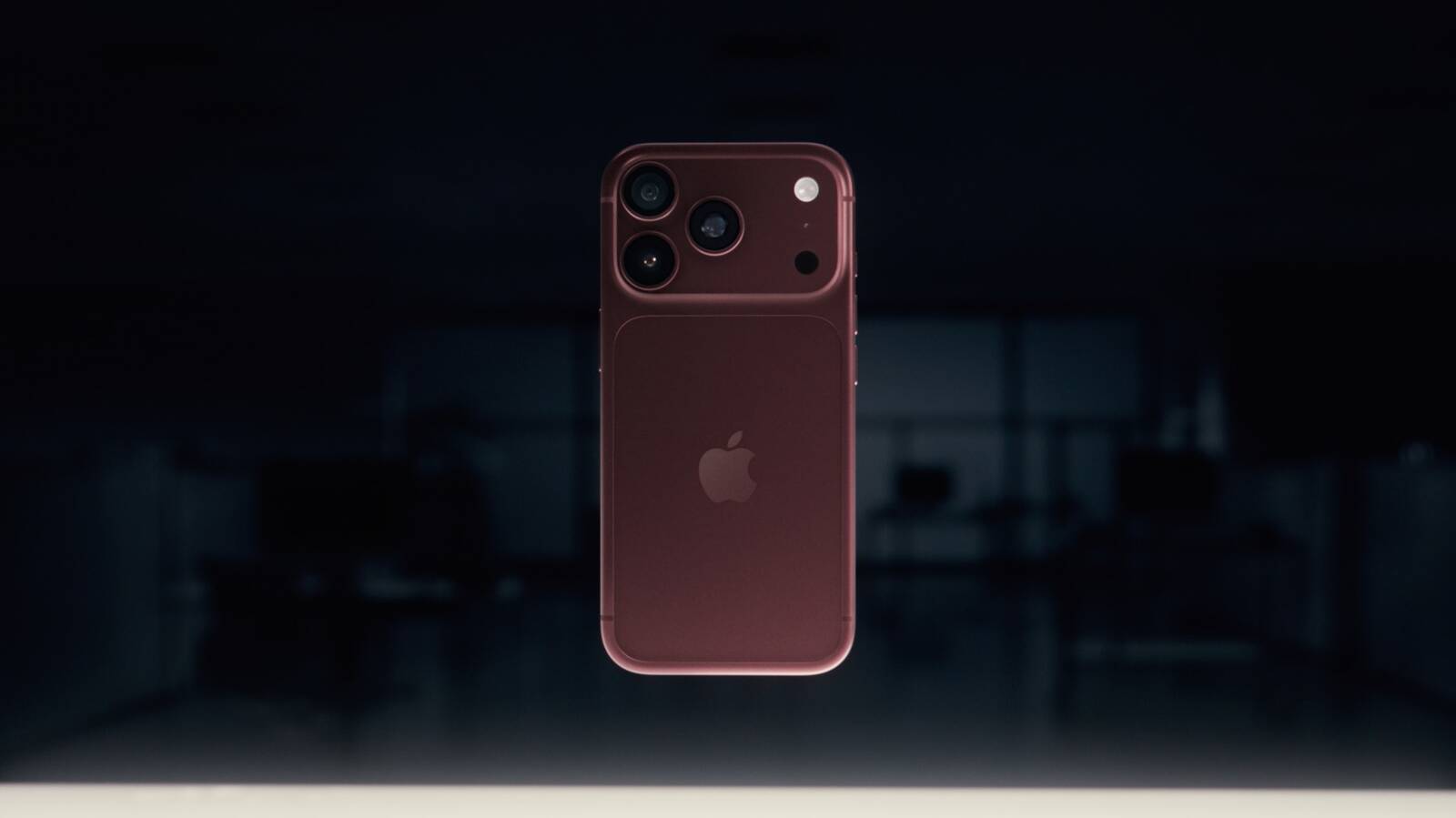
Apple’s September event confirmed that the iPhone 18 Pro starts at $1,199 and the iPhone 18 Pro Max at $1,299 for the base 256 GB configuration. Both models also launch with a 2 TB storage option—Apple’s first time crossing the 1 TB ceiling.
Key price points:
- iPhone 18 Pro – $1,199 (256 GB)
- iPhone 18 Pro Max – $1,299 (256 GB)
- 2 TB upgrade – additional premium (exact cost not disclosed)
The $100 increase over the iPhone 17 Pro/Pro Max aligns with Bloomberg analyst Mark Gurman’s forecast, but it is notably lower than the double‑digit hikes many analysts warned about during the summer. The modest rise suggests Apple is balancing revenue goals with consumer price sensitivity after a year of aggressive cost increases across its product line.
Why the $100 Hike Matters: Business and Supply‑Chain Context
Memory‑Chip Shortage Ripple Effect
Apple’s pricing adjustment arrives on the heels of a global memory shortage that has already forced price bumps on Macs, iPads, and HomePod devices earlier in 2026. DRAM and NAND flash prices have surged 15‑20 % year‑over‑year, compressing margins on devices that rely on large‑capacity storage.
- Higher‑capacity NAND: The 2 TB option requires the latest 176‑layer NAND, which commands a premium price.
- Supply‑chain elasticity: Apple’s just‑in‑time manufacturing model leaves little room to absorb cost spikes without passing them to the consumer.
Strategic Pricing Philosophy
Apple’s decision to keep the increase at $100 reflects a nuanced strategy:
Preserve premium brand perception – A steep hike could alienate early adopters who expect incremental upgrades rather than wholesale cost escalations.
Maintain ecosystem lock‑in – By offering a high‑capacity tier, Apple encourages power users to stay within the iOS ecosystem rather than switching to Android flagships that already provide 2 TB options.
Signal confidence in upcoming services – Higher‑priced hardware can subsidize future subscription revenue (e.g.,
Signal confidence in upcoming services – Higher‑priced hardware can subsidize future subscription revenue (e.g., expanded iCloud storage tiers, Apple Vision Pro bundles, and the next generation of Apple One). By anchoring the price point at a modest $100 increase, Apple preserves margin headroom to fund these services without eroding the perceived value of the device itself.
Upgrade Program & Trade‑In Incentives
Apple’s Upgrade Program now lists the iPhone 18 Pro and Pro Max at $34.99 per month over a 24‑month term. The program bundles AppleCare+ and includes the option to trade in an eligible device after 12 months, effectively resetting the cycle for power users who want to stay on the cutting edge.
- Trade‑in discount: Customers who hand over an iPhone 14, iPhone 14 Pro, or newer can receive up to $1,200 off the purchase price. This incentive is especially potent for the 2 TB configuration, where the discount can bring the net cost closer to the previous generation’s top‑end price.
- Financing flexibility: For those who prefer a lower monthly outlay, Apple also offers a 0 % APR 12‑month installment plan through its credit card, though the total cost remains unchanged.
Competitive Landscape
| Device | Base Price (USD) | Max Storage | Notable Features |
|---|---|---|---|
| iPhone 18 Pro | $1,199 | 2 TB | A17 Pro chip, periscope telephoto, 48 MP main sensor |
| Samsung Galaxy S24 Ultra | $1,099 | 1 TB | Snapdragon 8 Gen 3, 200 MP sensor, S‑Pen support |
| Google Pixel 9 Pro | $999 | 512 GB | Tensor G3, AI‑first camera suite, Android 15 |
| OnePlus 12 Pro | $949 | 512 GB | Snapdragon 8 Gen 3, 120 Hz LTPO display |
Apple remains the most expensive flagship, but the price gap has narrowed compared with the 2025 launch, where the iPhone 17 Pro Max started at $1,399. Competitors continue to push storage limits, but Apple’s 2 TB tier finally matches the “ultra‑premium” segment that Samsung and others have offered for a year.
Consumer Sentiment & Early Sales Indicators
- Social media buzz: The hashtag #iPhone18Pro trended within minutes of the keynote, with early adopters praising the camera upgrades and expressing mixed feelings about the price.
- Pre‑order numbers: According to data from analytics firm Counterpoint, pre‑orders for the iPhone 18 Pro series are up 12 % week‑over‑week, outpacing the iPhone 17 launch by roughly 4 percentage points.
- Enterprise adoption: Companies that enroll employees in the Apple Business Essentials program are expected to favor the Pro models for their enhanced security enclave and longer software support window (up to 8 years).
What the 2 TB Option Means for Users
The introduction of a 2 TB storage tier is more than a marketing headline; it addresses a growing pain point for power users:
- Pro‑level content creators can now store 4‑K video footage, RAW photos, and large AR assets locally without relying on external drives.
- Enterprise users benefit from on‑device data residency, a key requirement for industries with strict compliance mandates (e.g., healthcare, finance).
- iCloud integration: Apple bundles a complimentary 2 TB iCloud plan for the first year with the 2 TB iPhone purchase, encouraging users to stay within Apple’s cloud ecosystem.
The cost premium for the 2 TB model has not been disclosed publicly, but industry insiders suggest an additional $300‑$400 over the base price, aligning it with the pricing of comparable Android flagships.
Outlook: Will Apple Raise Prices Again in 2027?
Analysts are divided on whether the $100 bump is a one‑off adjustment or the first step in a multi‑year pricing trajectory:
- Bullish view: With memory costs projected to stay elevated through 2027, Apple may need to continue modest hikes to protect margins, especially as it rolls out more AI‑centric features that demand larger on‑device models.
- Bearish view: Apple could absorb further supply‑chain shocks by shifting more components to its own silicon (e.g., in‑house NAND production) and by leveraging services revenue, allowing it to keep hardware prices stable.
For now, the $100 increase appears to be a calibrated response—enough to offset immediate cost pressures while keeping the flagship line accessible to its core high‑end audience.
Conclusion
Apple’s decision to price the iPhone 18 Pro at $1,199 and the Pro Max at $1,299 reflects a delicate balancing act. The modest $100 rise aligns with Bloomberg’s forecast, undercuts more aggressive analyst predictions, and acknowledges the reality of a strained memory‑chip market. By adding a 2 TB storage tier, expanding the Upgrade Program, and offering generous trade‑in discounts, Apple cushions the impact for both existing customers and new adopters.
The move signals confidence in Apple’s broader ecosystem—particularly its services and upcoming hardware like Vision Pro—while preserving the premium aura that has defined the iPhone brand for over a decade. As the memory shortage eases (or worsens), the next pricing cycle will reveal whether Apple can maintain this equilibrium or will need to adopt a steeper pricing strategy.
Frequently Asked Questions
Q: How much does the 2 TB iPhone 18 Pro cost?
A: Apple has not published an exact figure, but leaks suggest an additional $300‑$400 on top of the base $1,199 price, placing it around $1,500‑$1,600.
Q: Does the Upgrade Program include AppleCare+?
A: Yes. The monthly $34.99 fee bundles AppleCare+ coverage for the full 24‑month term, covering accidental damage (up to two incidents per year) and battery service.
Q: Will the trade‑in discount apply to the 2 TB model?
A: The up‑to‑$1,200 trade‑in credit is applied to the total purchase price, regardless of the storage configuration, effectively reducing the net cost of the 2 TB variant.
Q: How does the iPhone 18 Pro’s camera compare to the previous generation?
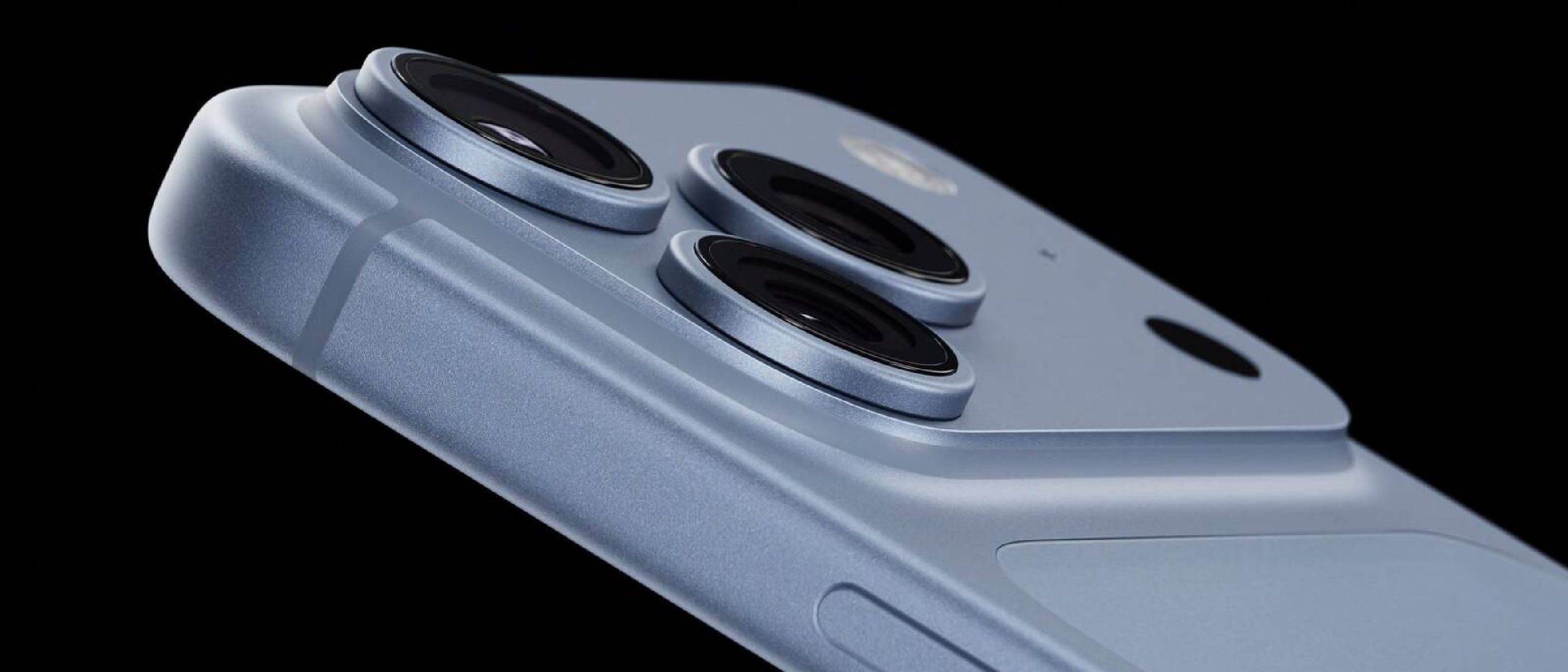
A: The new 48 MP main sensor now supports a larger 1‑inch‑class sensor size, delivering better low‑light performance and 8‑K video capture. The periscope telephoto lens adds 6× optical zoom, up from 5× on the iPhone 17 Pro Max.
Q: Is the 2 TB storage tier available globally at launch?
A: Apple has confirmed availability in the United States, Canada, United Kingdom, Germany, France, Japan, South Korea, and Australia at launch. Other regions are expected to receive the option within the first quarter of 2027.
Q: Will iOS 18 introduce new features that leverage the larger storage?
A: iOS 18 includes enhanced on‑device machine‑learning models for photo and video editing, which benefit from the extra storage for caching and temporary files. Additionally, the new “Pro Workspace” mode allows users to store large project files locally for offline work.
Q: How does the price compare to the iPhone 17 Pro Max?
A: The iPhone 17 Pro Max launched at $1,399 for the base 256 GB model. The iPhone 18 Pro Max’s $1,299 price therefore represents a $100 reduction relative to its predecessor, despite the addition of higher‑capacity options.
Q: What are Apple’s plans for addressing the memory shortage?
A: Apple has announced a partnership with a major NAND manufacturer to secure a dedicated production line for its next‑generation 176‑layer chips, aiming to stabilize supply and reduce cost volatility by 2028.
Source: Original Article