



Analyst Forecast and Immediate Market Reaction
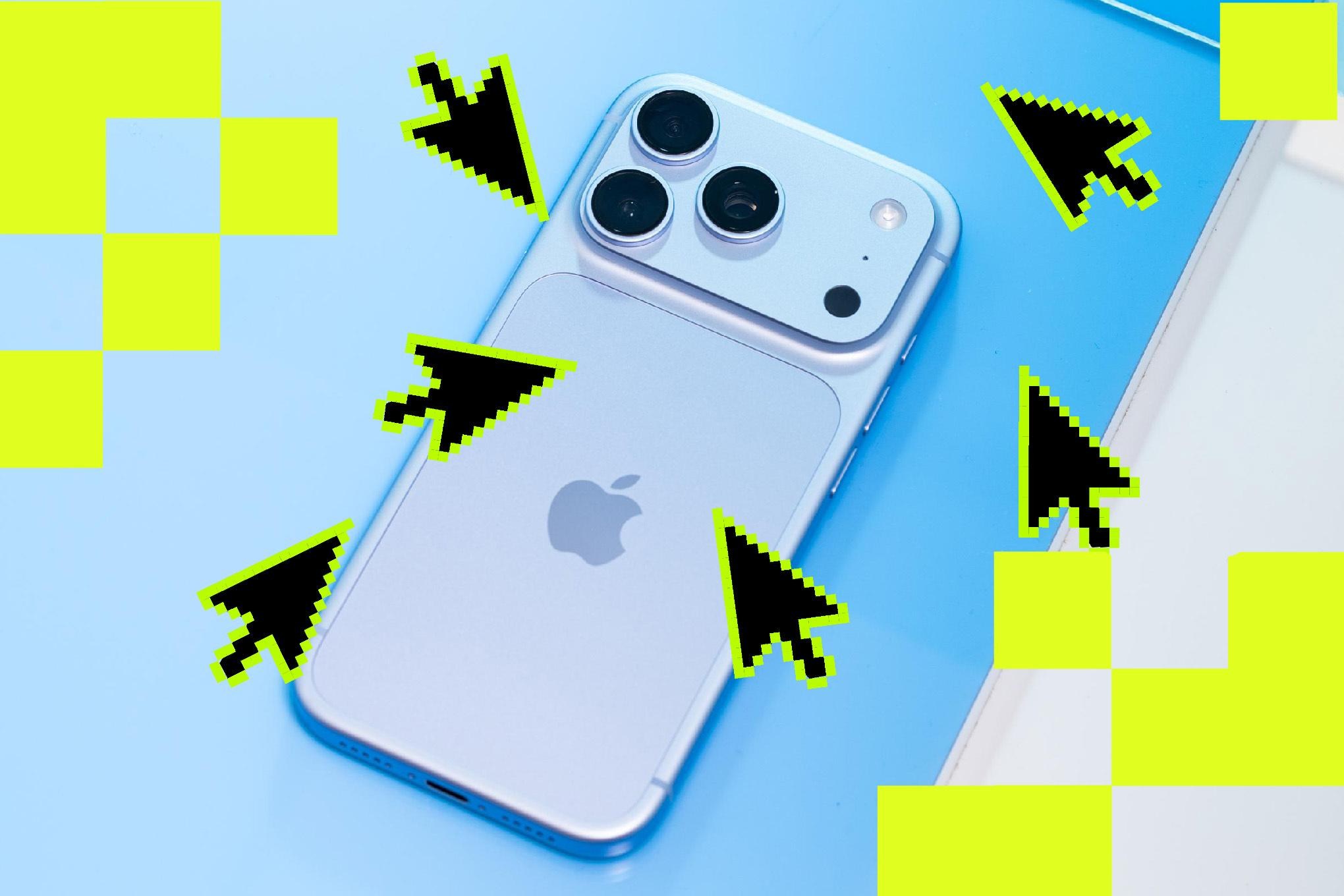
In a recent note to investors, GF Securities analyst Jeff Pu warned that Apple’s flagship iPhone 18 Pro and iPhone 18 Pro Max could carry a $250‑$300 premium over the current iPhone 17 Pro line‑up. The projection is grounded in rising component costs, especially for the new 2 nm silicon wafers and high‑performance DRAM/NAND memory modules required for the AI‑centric workloads Apple is targeting.
Pu’s assessment also triggered a rating downgrade for AAPL, shifting the recommendation from “Buy” to “Hold.” While the downgrade reflects short‑term pricing pressure, Pu cautioned that the price jump could generate “demand uncertainty” among premium‑segment buyers. The analyst’s comments have already filtered through market sentiment, with Apple’s shares experiencing modest volatility ahead of the September launch event.
Technical Cost Drivers Behind the Hike
2 nm Silicon – The New Baseline
Apple’s transition to a 2 nm process, supplied by TSMC, promises a leap in performance‑per‑watt and enables on‑device AI acceleration. However, the early‑stage nature of the node means fab capacity is limited and wafer yields are still being optimized. The cost per square millimeter for 2 nm silicon is estimated to be 30‑40 % higher than the 3 nm generation that powered the iPhone 17 series.
Key technical implications:
- Higher transistor density allows Apple to integrate larger neural‑engine cores, but each additional core adds to the silicon budget.
- Thermal management requirements increase, prompting the use of more advanced cooling materials that further inflate BOM (Bill of Materials).
Memory Inflation – DRAM & NAND
The iPhone 18 Pro models are expected to ship with 12 GB of LPDDR5X and up to 1 TB of UFS 4.0 storage. Global DRAM and NAND markets have been squeezed by a surge in demand from data‑center AI training rigs, leading to price spikes of 15‑20 % year‑over‑year. Apple’s commitment to offering the highest‑capacity configurations at launch magnifies the impact on the overall device cost.
Supply‑Chain Ripple Effects
Beyond silicon and memory, the broader AI infrastructure build‑out has strained substrate, packaging, and testing services. Foundries are allocating more capacity to server‑grade chips, leaving less slack for consumer devices. The resulting component shortages force Apple to negotiate higher unit prices or secure longer lead times, both of which translate into higher retail pricing.
Market and Consumer Implications
Premium Segment Sensitivity
The iPhone 17 Pro currently starts at $1,099, while the Pro Max begins at $1,199. Adding $250‑$300 pushes the entry points to $1,349–$1,499 for the Pro and $1,449–$1,599 for the Max. Historically, Apple has been able to command price premiums due to brand loyalty and ecosystem lock‑in, but a jump of this magnitude could:
- Throttle upgrade cycles for users who are still on iPhone 14 or 15 models.
- Accelerate price‑sensitivity among enterprise procurement teams that buy in bulk for employee programs.
Competitive Landscape
Samsung’s Galaxy S‑series and Google’s Pixel line have both introduced mid‑range AI‑enhanced devices at sub‑$1,000 price points. If Apple’s top tier moves beyond $1,500, price‑conscious consumers may consider these alternatives, especially in markets where carrier subsidies are limited.
Foldable iPhone as a Price Anchor
Rumors indicate Apple’s first foldable iPhone could launch in September with a price north of $2,000. The presence of an ultra‑premium foldable may segment the market further, allowing Apple to justify the Pro price increase as a “step‑down” from the foldable’s premium tier. However, the foldable’s high price could also cannibalize demand for the Pro Max if consumers perceive the foldable as the ultimate flagship.
Apple’s Broader Pricing Strategy and Product Lineup
Apple has already implemented price increases across its ecosystem—iPads, Macs, HomePods, Apple TV, and Vision Pro saw hikes in June. This reflects a broader trend of margin preservation amid rising component costs.
Upcoming Lower‑Tier Models
- iPhone 18 (regular) – slated for a spring 2027 release, likely positioned at a more affordable price point to balance the premium hike.
- iPhone 18e – also expected in spring 2027, rumored to feature 9 GB RAM, a modest upgrade that could appeal to cost‑conscious buyers. See the detailed rumor analysis here: https://ltdeveloperblogs.github.io/posts/iphone-18e-rumored-to-feature-increased-ram .
- iPhone Air 2 – another spring 2027 launch that may serve as the “budget flagship” for the next generation. Details are available at https://ltdeveloperblogs.github.io/posts/iphone-air-2-expected-to-launch-early-next-year-with-five-new-features .
By diversifying the lineup, Apple can smooth revenue streams while mitigating the risk of a single price shock. The strategy mirrors the company’s historical approach of offering a “triple‑tier” portfolio (standard, Pro, Max) but with a new entry‑level flagship that could sit between the current iPhone 17 and the upcoming Pro models.
Ecosystem Synergy
Apple’s ecosystem—Apple Wallet, Car Keys, and services—continues to deepen. A recent partnership with a major Chinese automaker to support Apple Wallet Car Keys underscores Apple’s push to embed its hardware in everyday experiences ( https://ltdeveloperblogs.github.io/posts/yet-another-major-chinese-car-brand-is-preparing-to-support-car-keys-in-apple-wallet ). This ecosystem lock‑in may soften price elasticity, as consumers weigh the cost of a device against the value of integrated services.
Future Outlook and Strategic Scenarios
Scenario 1: Aggressive Pricing with Limited Hike
If Apple decides to absorb a portion of the component cost increase through supply‑chain efficiencies, the final price bump could be closer to $150. This would preserve upgrade momentum while still protecting margins. The trade‑off would be a slightly lower gross margin on the Pro line, potentially offset by higher volume.
Scenario 2: Full Pass‑Through of Costs
A full $250‑$300 hike aligns with Pu’s forecast and signals Apple’s confidence in brand premium. In this case, Apple would likely double‑down on services revenue (Apple One, iCloud, Apple Music) to compensate for any slowdown in hardware sales. The company may also accelerate the rollout of high‑margin accessories like the Vision Pro and AirPods.
Scenario 3: Introduction of Tiered Storage Pricing
Apple could adopt a tiered pricing model where base storage starts at a lower price, with incremental costs for higher capacities. This mirrors the approach taken with MacBook Pro configurations and could give consumers more flexibility, reducing the perceived “price shock” of the Pro Max.
Long‑Term Implications
- Component diversification: Apple may invest in alternative silicon sources or in‑house packaging to reduce reliance on external fabs.
- AI‑centric pricing: As on‑device AI becomes a core differentiator, Apple could bundle AI services (e.g., advanced Siri capabilities) into subscription tiers, creating a hybrid hardware‑software revenue model.
Frequently Asked Questions
Q1: Will the price increase affect all iPhone 18 models?
A: The forecast specifically targets the iPhone 18 Pro and Pro Max. The regular iPhone 18, iPhone 18e, and iPhone Air 2 are expected to occupy lower price brackets, helping balance the overall lineup.
Q2: How does the 2 nm process impact battery life?
A: The 2 nm node improves performance‑per‑watt, which should extend battery endurance despite higher processing demands
despite higher processing demands. However, the integration of larger neural engines and additional AI workloads may offset some of these gains, particularly during intensive tasks like real-time language translation or augmented reality applications. Apple is expected to introduce adaptive power management algorithms to dynamically balance performance and efficiency, ensuring that battery life remains competitive with previous generations.
Q3: What are the implications for Apple’s stock (AAPL) if the price hike leads to lower demand? A: While a price increase could dampen short-term demand, Apple’s stock performance is influenced by multiple factors, including services growth, ecosystem expansion, and long-term brand loyalty. If unit sales decline, Apple may compensate by increasing average selling prices (ASPs) or accelerating its shift toward recurring revenue streams (e.g., subscriptions, accessories, and enterprise solutions). Analysts will closely monitor upgrade cycles and carrier promotions to gauge consumer response. A prolonged demand slowdown could pressure margins, but Apple’s cash reserves and supply-chain control provide a buffer against volatility.
Q4: How does this price hike compare to historical iPhone pricing trends? A: Apple has historically implemented incremental price increases of $50–$100 per generation, with occasional larger jumps during major redesigns (e.g., the iPhone X’s $999 debut in 2017). The proposed $250–$300 hike for the iPhone 18 Pro models would represent the largest single-generation increase in the iPhone’s history. This shift reflects broader industry trends, including rising semiconductor costs, inflationary pressures, and the premiumization of flagship devices. However, it also risks alienating price-sensitive consumers, particularly in emerging markets where Apple has been expanding its presence.
Q5: Could Apple offset the price increase with trade-in or financing programs? A: Yes. Apple has a history of mitigating sticker shock through aggressive trade-in promotions, carrier subsidies, and installment plans. For example:
- Trade-in bonuses: Apple may offer higher-than-usual credits for older iPhones, effectively reducing the net cost for upgraders.
- Carrier partnerships: U.S. carriers like Verizon and AT&T could bundle the iPhone 18 Pro with discounted service plans or free accessories (e.g., AirPods, Apple Watch).
- Apple Card Monthly Installments: The company’s 0% financing option (via Apple Card) could make the price increase more palatable by spreading payments over 24 months.
- Regional pricing adjustments: In markets like India or China, Apple may localize pricing or offer limited-time discounts to stimulate demand.
These strategies could help maintain sales velocity, but they may also compress margins if Apple absorbs too much of the cost.
Conclusion: Balancing Innovation and Affordability
The iPhone 18 Pro’s projected price hike underscores the tension between technological advancement and consumer affordability. While the shift to 2nm silicon and AI-driven features justifies higher costs, Apple must navigate a delicate balance: preserving its premium brand image without pricing itself out of the market. The company’s ability to leverage its ecosystem, diversify its product lineup, and deploy creative financing solutions will be critical in mitigating demand uncertainty.
For investors, the key question is whether Apple can sustain its growth trajectory amid rising component costs and potential macroeconomic headwinds. The downgrade of AAPL to “Hold” reflects near-term caution, but Apple’s long-term strategy—rooted in services, wearables, and enterprise adoption—could offset any temporary slowdown in iPhone sales.
For consumers, the iPhone 18 Pro’s price increase may feel steep, but it also signals a new era of on-device AI capabilities that could redefine smartphone utility. Whether the added value justifies the cost will depend on real-world performance, ecosystem integration, and competitive alternatives. One thing is clear: Apple is betting big on AI, and the iPhone 18 Pro is the first major test of that vision.
Source: Original Article