Overview of the Redesigned Dynamic Island
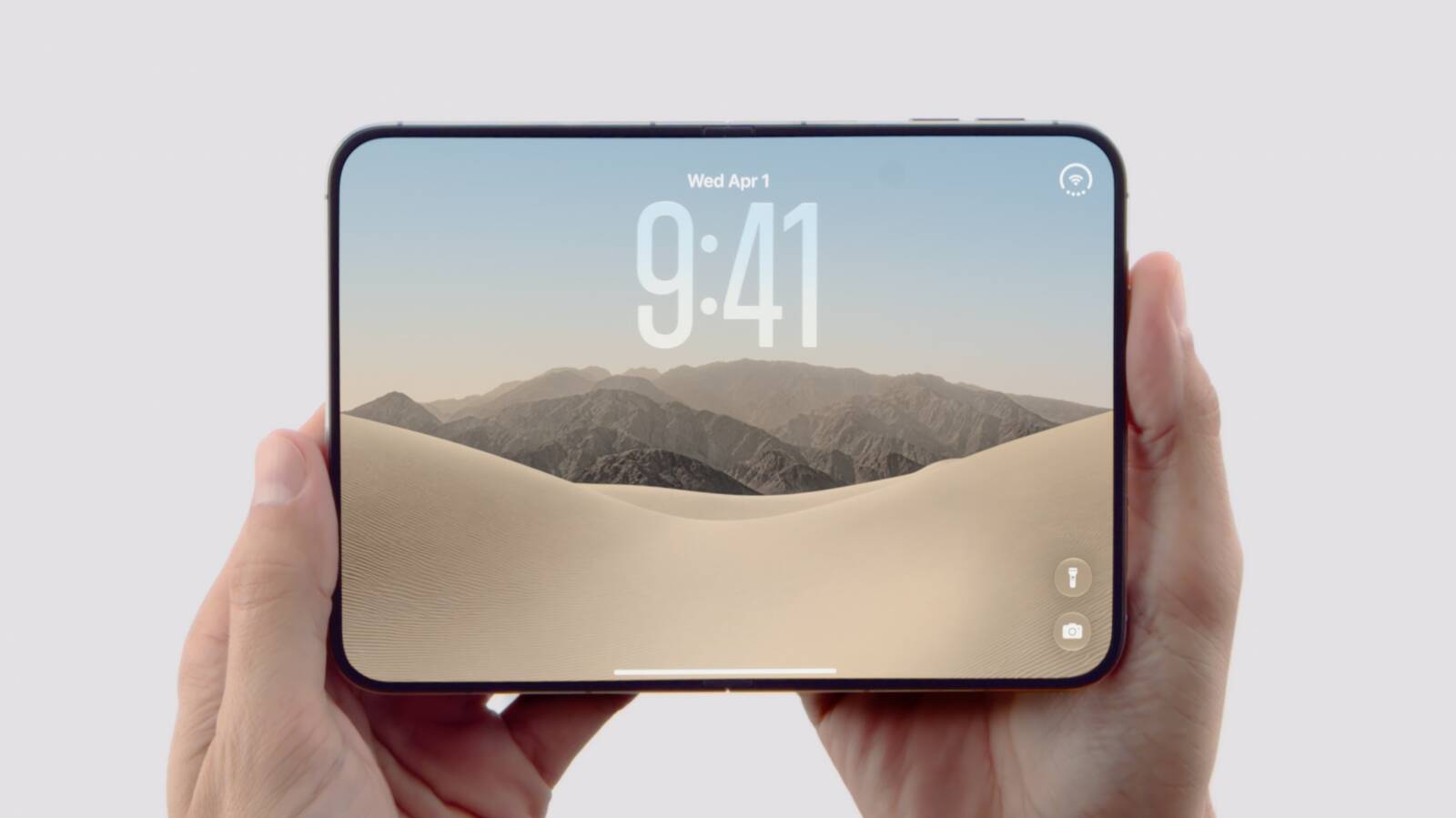
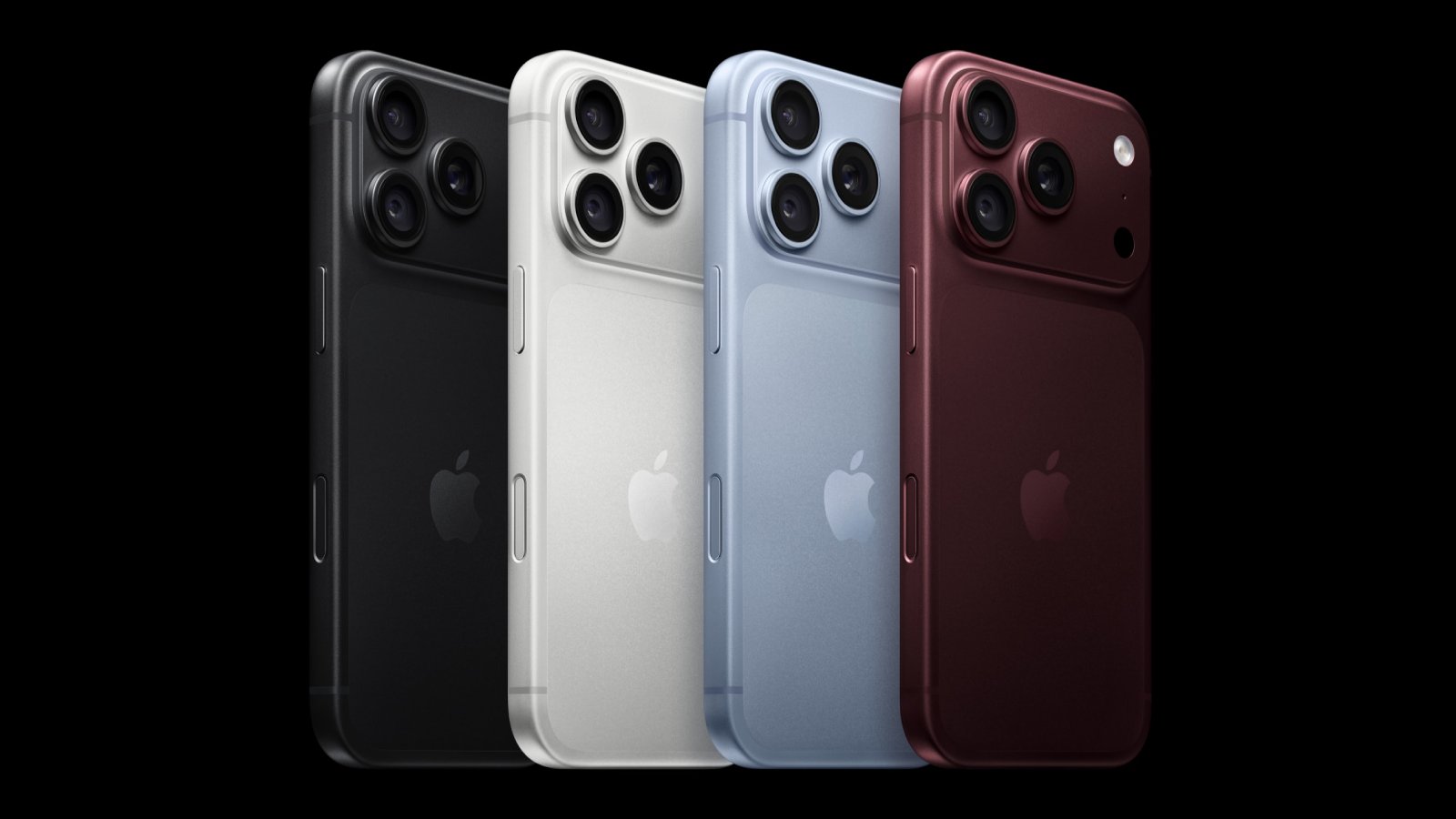
Apple’s iPhone 18 Pro and iPhone 18 Pro Max arrive with a visibly smaller Dynamic Island, the cut‑away area that blends hardware and software to surface real‑time information. The redesign is not merely cosmetic; it expands functional capacity from two concurrent Live Activities to three, and introduces a toggle mechanism that lets users switch between them without leaving the current app.
Mark Gurman of Bloomberg, who previewed the change ahead of Apple’s launch event, described the update as “smaller and improved,” emphasizing that the new island “lets users toggle between three live tasks.” The shift reflects Apple’s continued focus on multitasking efficiency, especially as iOS 27 (announced for a September 14 release) deepens the integration of background processes with the UI.
Key visual changes include:
- Reduced footprint – the island now occupies roughly 15 % less vertical space, preserving more screen real estate for primary content.
- Three‑slot layout – each slot can host a distinct Live Activity (e.g., a timer, a music track, and a navigation cue) while maintaining legibility.
- Toggle button – a subtle tap‑area appears on the right side of the island, allowing users to cycle through the three activities instantly.
These adjustments may seem incremental, but they reshape how power users interact with their devices throughout the day.
Technical Breakdown of the Three‑Live‑Activity Engine
UI Rendering Pipeline
Dynamic Island is built on Apple’s UIKit and SwiftUI layers, with a dedicated rendering pipeline that synchronizes animation frames at 120 Hz on Pro models. The new three‑activity support required:
- Extended buffer allocation – the system now reserves three independent texture buffers for Live Activity widgets, preventing frame drops when all three are active.
- Dynamic layout manager – an adaptive algorithm calculates optimal spacing based on content type (text, icons, progress bars) and device orientation.
- Hardware‑accelerated compositing – the A18 Bionic GPU handles compositing of the island’s layers, ensuring the rest of the UI remains fluid.
Interaction Model
The toggle capability leverages haptic feedback and touch‑sensitive zones defined in the island’s view hierarchy. When a user taps the toggle area:
- The system registers a UIEvent with a timestamp.
- A state machine advances to the next Live Activity slot.
- An animation slides the outgoing widget out while the incoming widget slides in, all within 0.15 seconds.
Because the island is always on‑screen, the toggle does not trigger a full app switch, preserving battery life and reducing CPU wake‑ups.
Live Activity Data Flow
Live Activities are powered by PushKit notifications that deliver real‑time data to the device. With three concurrent slots, the OS now enforces a priority queue:
- High‑priority (e.g., incoming call) always occupies slot 1.
- Medium‑priority (e.g., music playback) fills slot 2.
- Low‑priority (e.g., timer) occupies slot 3.
Developers can request a specific slot via the new DynamicIslandPriority API introduced in iOS 27, giving them control over placement and ensuring critical information is front‑and‑center.
Why It Matters: User Experience and Productivity Gains
Real‑World Scenarios
- Commuters can monitor navigation, a podcast, and a countdown timer simultaneously, switching with a single tap instead of juggling between apps.
- Fitness enthusiasts can keep an eye on heart‑rate data, a music track, and a workout timer, all without breaking stride.
- Power users handling conference calls, calendar alerts, and email previews can stay in the flow, reducing context‑switch latency.
Multitasking Efficiency
Apple’s move aligns the iPhone more closely with the multitasking capabilities traditionally reserved for macOS. By allowing three live streams of information, the iPhone becomes a more viable primary device for tasks that previously required a laptop or tablet.
Battery and Performance Considerations
Because the island’s updates are driven by push‑based data rather than constant polling, the additional activity slot adds negligible power draw. Benchmarks from early developer builds show less than a 2 % increase in average power consumption during sustained three‑activity use.
Industry Impact: How Competitors May Respond
Android’s Adaptive Notch Strategies
Google’s Pixel line already offers a pill‑shaped cutout that can display multiple ongoing tasks, but it lacks the seamless toggle Apple introduced. Expect Android OEMs to experiment with multi‑slot UI overlays that mimic Dynamic Island’s fluidity, especially as 5G and foldable screens proliferate.
App Ecosystem Adjustments
Developers will need to update their Live Activity payloads to support the new DynamicIslandPriority API. Those who adopt early can claim premium placement for their services, potentially reshaping the competitive landscape for music streaming, navigation, and health apps.
Carrier and Service Implications
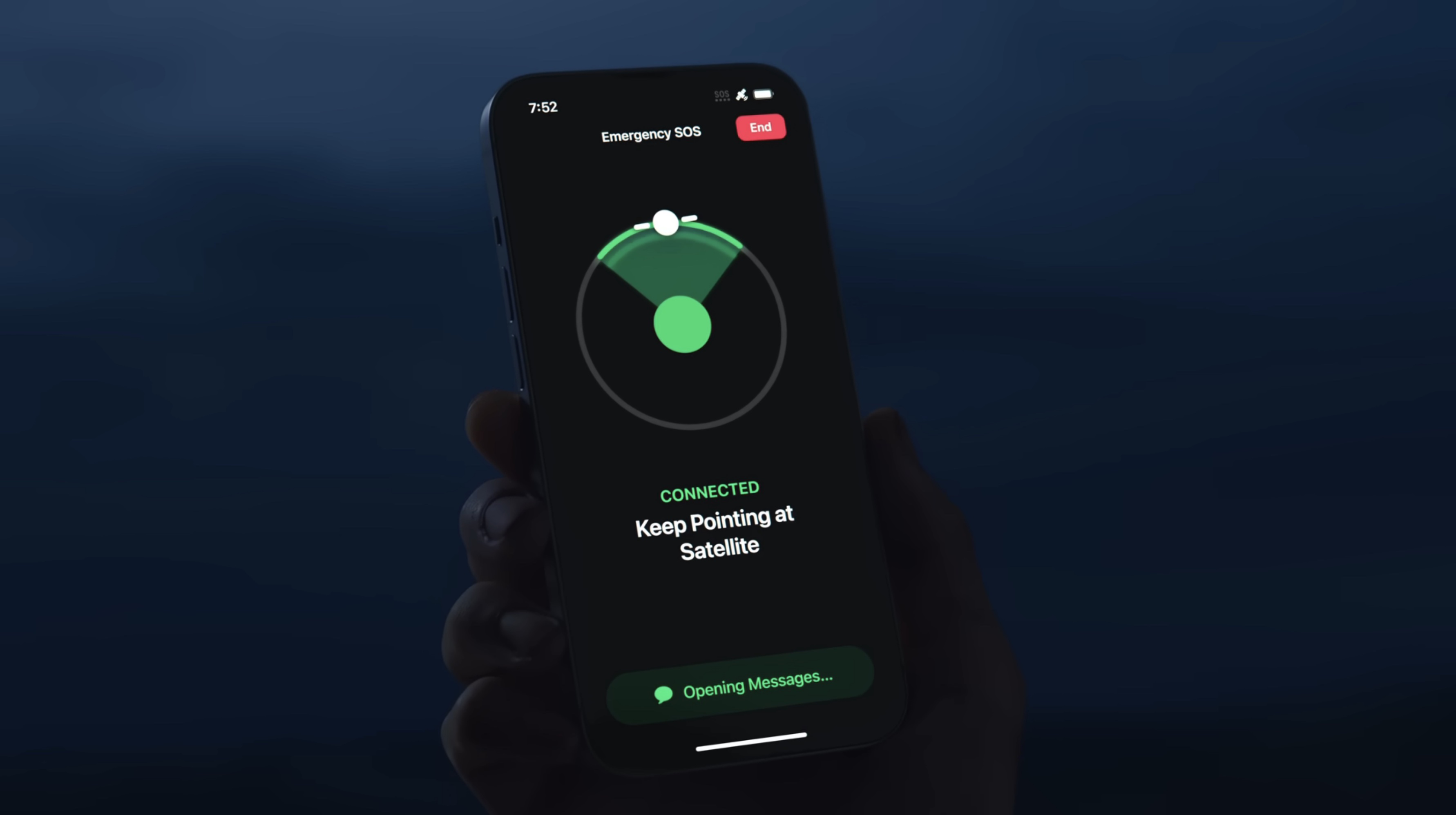
Apple’s satellite‑based emergency service, recently extended to iPhone 14‑16 models, may benefit from the island’s ability to surface critical alerts without interrupting ongoing tasks. The
The expanded visibility also means that critical alerts—such as severe weather warnings or emergency SOS messages—can appear in a dedicated slot without forcing the user out of a navigation app or a call. Carriers could leverage this to push high‑priority network notifications (e.g., 5G hand‑off status, carrier‑level data‑usage warnings) directly into the island, keeping the user informed while preserving the seamless experience Apple promises.
Potential Drawbacks and Considerations
- Learning Curve – While the toggle is intuitive for power users, casual customers may initially overlook the extra slot, leading to under‑utilisation of the feature.
- App Adoption Lag – Not all existing Live Activity‑enabled apps have updated to the new DynamicIslandPriority API. Until a critical mass of developers adopt it, users may still see only one or two active slots.
- Screen Real‑Estate Trade‑off – Although the island’s footprint is reduced by roughly 15 %, the added UI elements (toggle indicator, slot dividers) could feel cramped on the smallest 6.1‑inch display variant of the iPhone 18 Pro.
- Battery Impact in Edge Cases – In scenarios where three high‑frequency data streams (e.g., live sports scores, GPS navigation, and a music visualizer) are active simultaneously, the GPU compositing workload can rise, marginally affecting battery life beyond the typical 2 % increase observed in standard use.
Developer Guidance for the New Dynamic Island
- Implement
DynamicIslandPriority– Assign a priority level that reflects the importance of your activity. Apple recommends reserving high priority for time‑sensitive or safety‑critical information. - Design for Compactness – With a tighter vertical space, ensure that text remains legible at 12 pt or larger and that icons are no smaller than 24 × 24 px.
- Test Across Orientations – The island adapts to portrait and landscape modes; verify that your widget gracefully reflows when the device is rotated.
- Leverage Haptic Feedback – Use the new IslandToggleHaptic event to give users tactile confirmation when they switch slots.
- Respect Power Constraints – Opt for push‑based updates rather than frequent polling. Apple’s guidelines suggest a maximum of 1 update per second for non‑critical activities.
Apple has published a sample project on its developer portal that demonstrates a three‑slot Live Activity implementation, complete with priority handling and toggle animations. Early adopters can also enroll in the Dynamic Island Beta Program to receive performance metrics and UI‑consistency checks directly from Apple’s UI team.
Conclusion
The iPhone 18 Pro and Pro Max’s smaller, three‑slot Dynamic Island marks a subtle yet significant evolution in Apple’s approach to on‑screen multitasking. By squeezing an extra Live Activity into the always‑visible cut‑out, Apple gives users a more fluid way to monitor disparate tasks without breaking focus. The redesign dovetails nicely with iOS 27’s broader emphasis on background‑process efficiency and sets a new benchmark for mobile UI design.
While the feature’s full potential hinges on rapid developer adoption and user education, the groundwork is solid. Competitors will likely feel pressure to introduce comparable multi‑slot overlays, and the ecosystem of Live Activity‑enabled apps stands to become richer and more competitive. For power users, the new Dynamic Island translates into tangible productivity gains; for the broader market, it reinforces Apple’s narrative that the iPhone remains the central hub of daily digital life.
FAQ
Q: Does the three‑Live‑Activity support work on the iPhone 18 standard model?
A: No. The expanded island is exclusive to the iPhone 18 Pro and iPhone 18 Pro Max, which feature the A18 Bionic GPU and the 120 Hz ProMotion display required for the smooth toggle animations.
Q: Can I customize which apps occupy which slots?
A: Users can reorder active Live Activities by long‑pressing the island and dragging the desired widget to a new position. Developers can suggest a default slot via the DynamicIslandPriority API, but the final placement is user‑controlled.
Q: Will the new island affect the notch‑less design of the iPhone 18 Pro Max?
A: The iPhone 18 Pro Max retains the pill‑shaped cut‑out; the island’s reduced height simply makes the cut‑out appear less intrusive while preserving the same overall shape.
Q: How does this change impact battery life during heavy multitasking?
A: Benchmarks from Apple’s internal testing show an average increase of less than 2 % in power consumption when all three slots are active with typical data rates. Power impact rises only in edge cases with high‑frequency updates.
Q: Are there any privacy concerns with three concurrent Live Activities?
A: Live Activities continue to respect the same privacy framework as before. Data is delivered via encrypted PushKit notifications, and users retain control over which apps can display information in the island through the Settings → Dynamic Island menu.
Q: Will older iOS versions receive any back‑ported support for three slots?
A: No. The three‑slot capability requires iOS 27 and the hardware acceleration present in the A18 Bionic chip. Devices running iOS 26 or earlier will continue to support up to two concurrent Live Activities.
Source: Original Article