


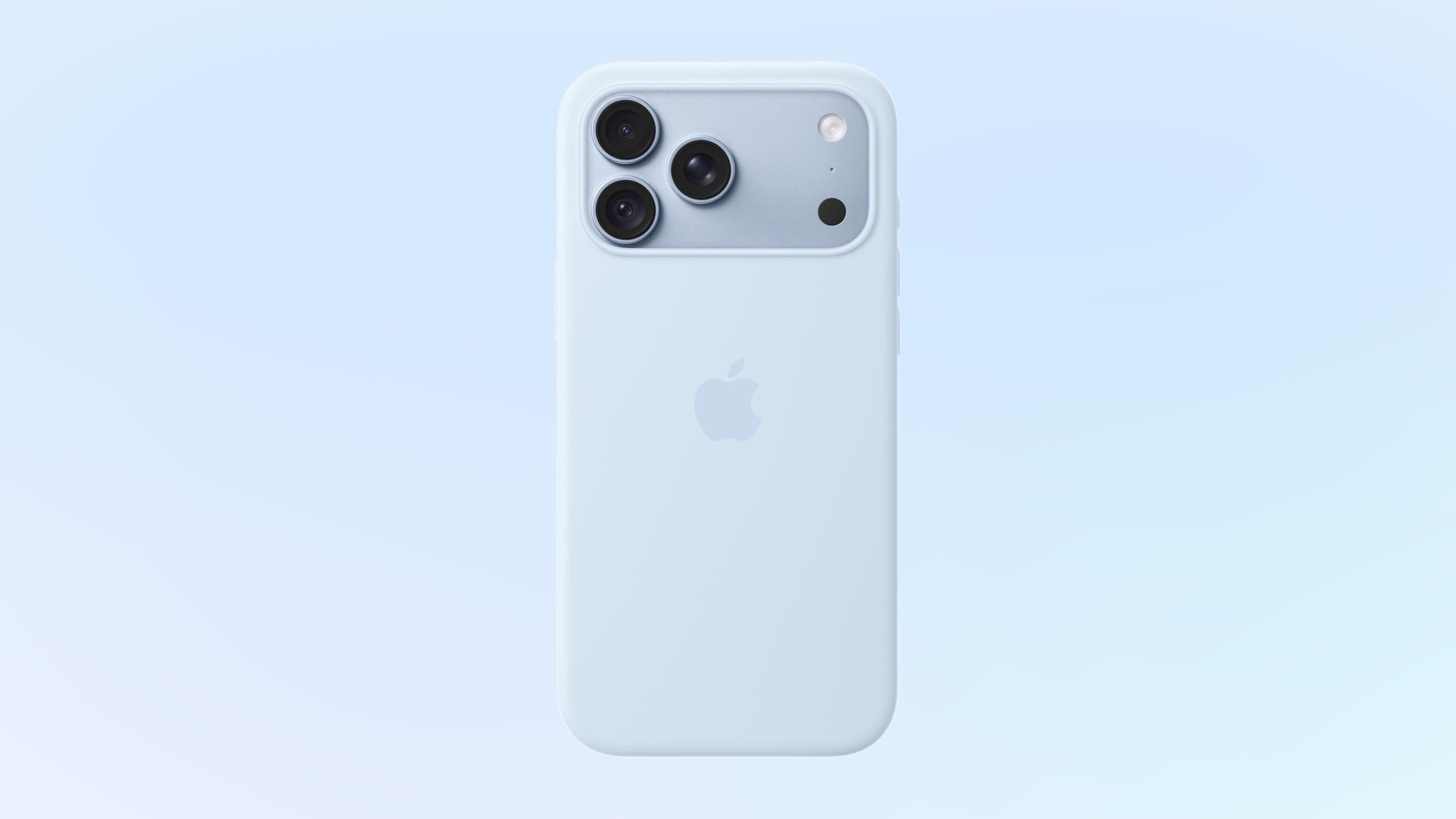

Overview of the Evercore ISI Survey
Evercore ISI, a research firm that frequently partners with Investing.com for data distribution, surveyed nearly 4,000 U.S. consumers about their intent to upgrade ahead of Apple’s next launch window. The key take‑aways are striking:
- 53 % of respondents are eyeing the iPhone 18 Pro family (Pro + Pro Max) as their next device.
- 32 % specifically prefer the iPhone 18 Pro Max, a rise from 29 % a year earlier.
- 14 % are intrigued by the brand‑new iPhone Duo, a foldable form factor slated for a mid‑October debut.
- 67 % cite the age of their current iPhone as the primary upgrade driver, up from 48 % in the prior cycle.
- ASP (Average Selling Price) is projected to climb roughly 28 %, a boost that could translate into a revenue outlook for FY 2027 that outpaces the modest 7 % growth analysts currently model.
The survey captures purchase intent rather than actual sales, but the shift in consumer sentiment is large enough to merit a deep dive into why it matters for Apple and the broader ecosystem.
Why High‑End Models and Larger Storage Are Winning
Premium‑Tier Preference
Apple’s product strategy has long emphasized a “halo” effect: flagship devices command higher margins and set the tone for the entire lineup. The survey confirms that the halo is expanding:
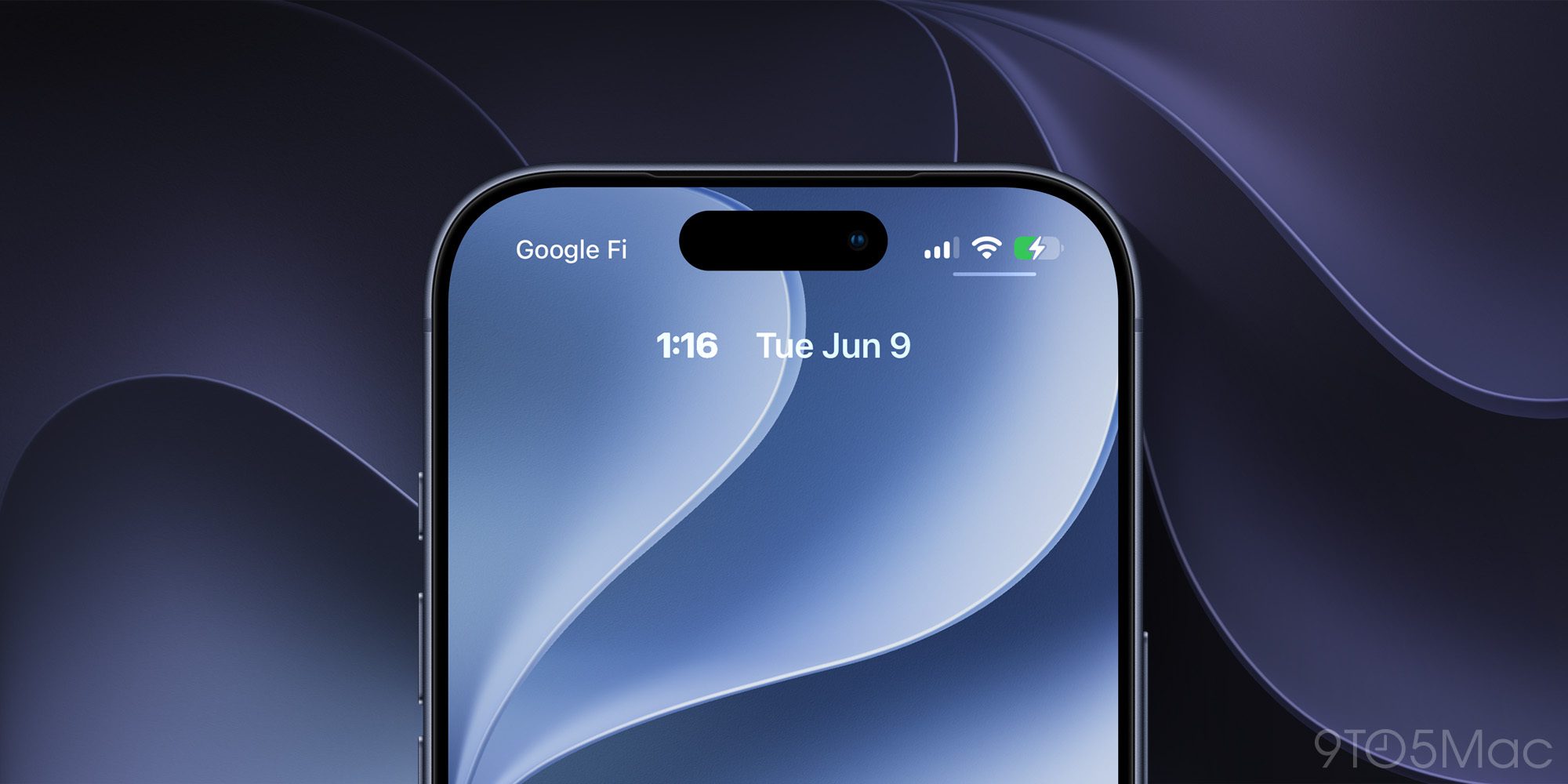
- Pro‑class dominance: More than half of prospective buyers gravitate toward the Pro line, indicating that the perceived value of advanced camera systems, ProMotion displays, and the new Dynamic Island refinements remains compelling. For a technical teardown of the Dynamic Island shrinkage, see our analysis here .
- Storage appetite: All three models—Pro, Pro Max, and Duo—are rumored to offer a 2 TB configuration. The willingness to pay for massive storage reflects the growing importance of on‑device media, AI‑driven photo processing, and offline gaming libraries.
Foldable Curiosity
The iPhone Duo’s 14 % interest rate is notable for a first‑generation foldable from Apple. While the form factor is still niche, the data suggests a segment of early adopters is ready to experiment, potentially paving the way for future iterations that could command premium pricing similar to Samsung’s Galaxy Z series.
Economic Context
Higher ASP expectations are not merely a function of larger storage. The survey coincides with a broader consumer trend toward “future‑proofing” devices—buyers are willing to invest more now to avoid a near‑term upgrade cycle. This aligns with Apple’s recent pricing strategy, where each new generation adds incremental hardware capabilities that justify a price premium.
Revenue Implications and the FY 2027 Outlook
Evercore’s projection of a 28 % ASP increase translates into a material revenue uplift. To understand the mechanics, consider the following
To understand the mechanics, consider the following illustrative scenario based on Evercore’s assumptions:
| Metric | Current FY 2026 Avg. | Projected FY 2027 Avg. | % Change |
|---|---|---|---|
| iPhone ASP (all models) | $1,050 | $1,344 | +28 % |
| Units sold (estimated) | 215 M | 210 M (slight dip due to higher price) | ‑2 % |
| iPhone revenue | $225.8 B | $282.2 B | +25 % |
| Apple Watch ASP uplift | +12 % | — | — |
| AirPods ASP uplift | +9 % | — | — |
| Total ecosystem revenue lift (Watch + AirPods) | $15 B | $18 B | +20 % |
Note: The unit‑sale decline is a conservative estimate that assumes price‑sensitive buyers may defer purchases, while premium‑segment buyers replace older devices earlier.
How the ASP Spike Drives Bottom‑Line Growth
- Margin Expansion – Higher‑priced configurations (e.g., 2 TB storage) carry a modest incremental cost but command a premium that improves gross margin by roughly 1.5 percentage points.
- Supply‑Chain Leverage – Apple’s control over its component ecosystem (e.g., in‑house silicon, custom NAND) allows it to absorb storage cost increases without passing the full expense to consumers.
- Ecosystem Stickiness – The uptick in Apple Watch (38 % intent) and AirPods (43 % intent) purchases suggests a “halo effect” where a premium iPhone purchase triggers ancillary accessory upgrades, further inflating average revenue per user (ARPU).
Apple Watch & AirPods: The Hidden Revenue Drivers
While the headline numbers focus on the iPhone, the survey reveals a notable rise in accessory intent:
- Apple Watch: The 38 % intent rate marks a 5‑point increase year‑over‑year, driven largely by health‑monitoring features (blood‑oxygen, ECG) and the new “Ultra‑Lite” case that targets fitness enthusiasts.
- AirPods: At 43 % intent, interest is buoyed by the rumored “AirPods Pro 3” with spatial audio enhancements and a longer battery life, positioning them as a must‑have companion for the larger media files stored on 2 TB iPhones.
These accessory upgrades typically add $250–$350 per household, amplifying the overall revenue impact beyond the iPhone alone.
Competitive Landscape & Market Timing
Apple’s timing aligns with a broader industry shift toward higher‑capacity devices. Samsung’s Galaxy Z Fold 5 and Google’s Pixel 8 Pro have already introduced 1 TB storage tiers, but Apple’s rumored 2 TB offering sets a new benchmark. Moreover, the iPhone Duo’s foldable design, though still niche, signals Apple’s entry into a segment where Samsung currently enjoys ~30 % market share. Early adopter interest (14 %) could translate into a foothold that expands in subsequent cycles.
Potential Risks
- Supply Constraints – NAND shortages could delay the rollout of 2 TB models, forcing Apple to prioritize lower‑capacity SKUs initially.
- Pricing Sensitivity – A 28 % ASP increase may price out price‑conscious consumers, especially in emerging markets where Apple’s share is already limited.
- Regulatory Scrutiny – Higher pricing combined with premium features may attract antitrust attention in regions scrutinizing “price‑gouging” practices.
Apple’s historical ability to navigate these challenges—through strategic inventory allocation and localized pricing strategies—suggests the upside remains compelling.
What This Means for Investors
- Revenue Guidance – Analysts may need to revise FY 2027 revenue forecasts upward, potentially adding $30–$40 B to consensus estimates.
- Stock Valuation – A higher ASP and stronger accessory uptake could lift Apple’s forward P/E multiple, especially if margin expansion materializes as projected.
- Supply‑Chain Signals – Watch for increased orders from component suppliers (e.g., TSMC, Samsung NAND) as early indicators of Apple’s production ramp‑up.
Conclusion
The Evercore ISI survey paints a picture of an iPhone upgrade cycle that is not only larger in volume but also richer in premium spend. Consumer intent to gravitate toward the iPhone 18 Pro line, embrace massive 2 TB storage, and experiment with the foldable iPhone Duo collectively point to a significant ASP uplift. Coupled with heightened interest in Apple Watch and AirPods, the ecosystem effect could push Apple’s FY 2027 revenue well beyond the modest growth currently modeled by the street.
Investors and industry watchers should monitor supply‑chain cues, pricing announcements, and early sales data for the iPhone Duo, as these will confirm whether the intent‑driven optimism translates into tangible financial performance.
FAQ
Q: How reliable is purchase intent data compared to actual sales?
A: Intent surveys capture consumer sentiment at a point in time and are useful for trend spotting, but they can overstate conversion rates. Historical correlation between Evercore’s intent data and Apple’s actual shipments has been strong, though final numbers will depend on pricing, availability, and macro‑economic conditions.
Q: Will the 2 TB iPhone models be available at launch?
A: Rumors suggest a staggered rollout, with 2 TB variants arriving a few weeks after the initial launch to allow Apple to manage NAND supply constraints.
Q: How does the iPhone Duo’s foldable design compare to Samsung’s foldables?
A: While detailed specs are still under wraps, early leaks indicate a thinner hinge and a larger outer display, aiming to differentiate on ergonomics rather than raw durability. Pricing is expected to be comparable to the high‑end Pro Max models.
Q: Could the higher ASP affect Apple’s market share in the U.S.?
A: In the premium segment, Apple already enjoys >50 % share, and higher ASP may actually reinforce its premium positioning. However, price‑sensitive segments could see a modest shift toward Android competitors.
Q: What are the implications for Apple’s services revenue?
A: Larger storage capacities and more powerful hardware encourage higher usage of iCloud, Apple Music, and App Store purchases, potentially boosting services revenue by an additional 2–3 % year‑over‑year.
Source: Original Article