






What Is the Reference Image Feature?
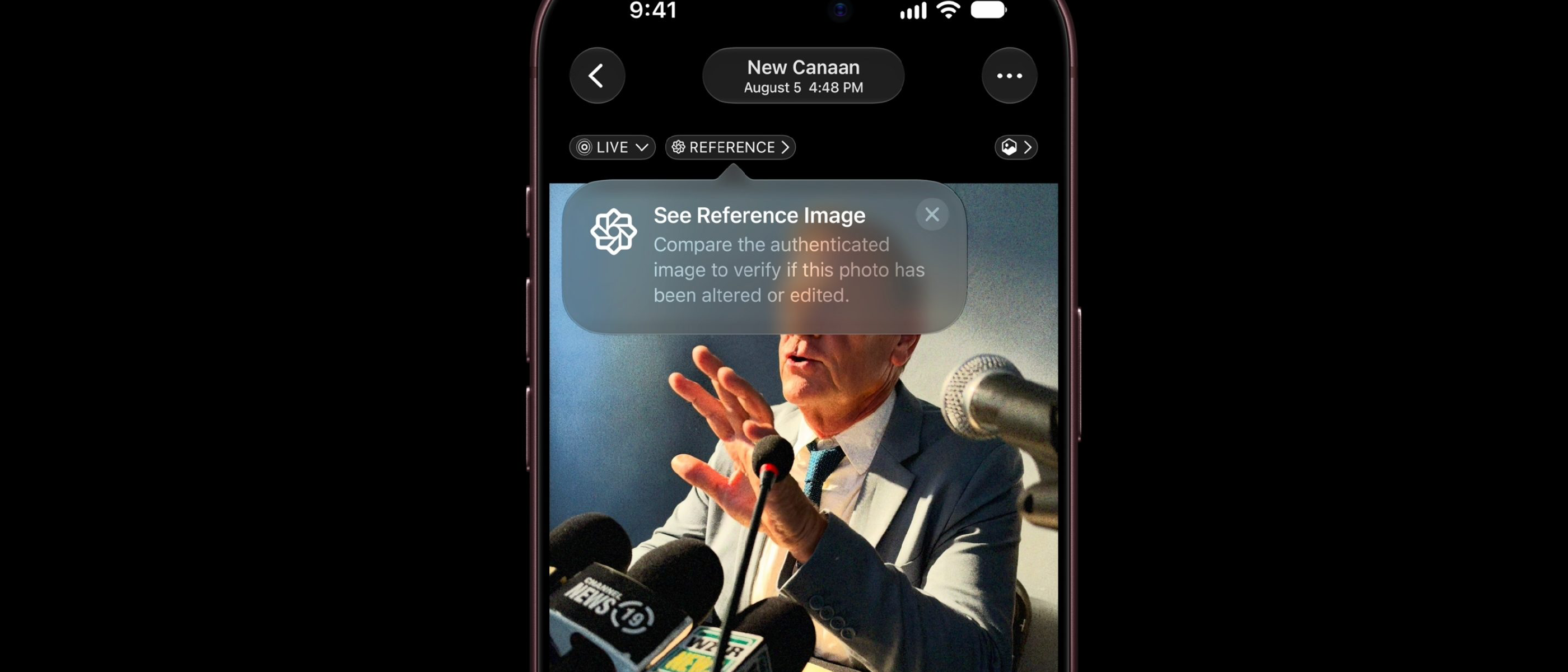
Apple’s upcoming iPhone 18 Pro will ship with a brand‑new Reference Image capability built directly into the native Camera app. At its core, the feature creates a cryptographically signed “digital negative” the moment a picture is captured. This negative is stored alongside the edited version, allowing the device—and any downstream viewer—to prove that the displayed image matches the sensor’s raw output.
The concept is simple for users: after taking a photo, the Photos app can toggle between the edited view and the immutable reference. If the image has been altered with AI‑driven tools such as generative inpainting, style transfer, or background replacement, the app surfaces the original side‑by‑side, making manipulation obvious.
Apple frames this as a direct response to the surge of synthetic media that blurs the line between reality and fabrication. By embedding authenticity at the hardware level, the company hopes to restore trust in visual content shared across social platforms, news outlets, and professional workflows.
How the Digital Authentication Works
While Apple has not disclosed the exact cryptographic primitives, the feature likely follows a multi‑layered approach:
- Sensor‑Level Hashing – As soon as the image sensor reads the light, a hash of the raw pixel data is generated. This hash is bound to a unique hardware identifier (the Secure Enclave) and stored in a tamper‑evident area of the device’s flash.
- Secure Metadata Embedding – The hash, timestamp, and device serial number are wrapped in a signed metadata block that travels with the JPEG/HEIC file. Because the signature is created inside the Secure Enclave, it cannot be forged without physical access to the chip.
- On‑Device Verification – When a user opens the photo, the Photos app recomputes the hash of the current image data and compares it against the stored reference. A mismatch triggers the “digital negative” view, showing the original alongside the edited version.
- Cross‑Platform Validation – Apple plans to expose an API that third‑party apps can call to verify authenticity. This opens the door for social networks, messaging services, and newsrooms to automatically flag manipulated media.
The underlying hardware that makes this feasible is the same silicon that powers the iPhone 18 Pro’s advanced computational photography pipeline. For a deeper look at Apple’s silicon strategy, see the article on the A20 Pro Chip: https://ltdeveloperblogs.github.io/posts/apple-announces-a20-pro-chip-with-2nm-design-and-major-performance-gains .
Why Authenticity Matters in the Age of AI‑Generated Media
The proliferation of generative AI models—Stable Diffusion, Midjourney, and others—has democratized the creation of hyper‑realistic images that can be indistinguishable from genuine photographs. This capability fuels misinformation, deep‑fake scandals, and even legal disputes over intellectual property.
- Social Trust – Platforms like Instagram and TikTok rely on visual credibility. A built‑in authenticity layer could give users a quick visual cue that a post has not been tampered with, reducing the spread of deceptive content.
- Journalistic Integrity – Newsrooms increasingly verify user‑generated content before publishing. A cryptographically signed reference image provides a forensic trail that can be audited without specialized software.
- Legal Evidence – In courts, digital photos are often challenged on authenticity grounds. A hardware‑rooted signature could become admissible evidence, similar to how blockchain timestamps are used today.
- Brand Protection – Influencers and brands invest heavily in visual storytelling. Knowing that a photo can be proven authentic protects against counterfeit advertising and brand dilution.
Apple’s move also signals a broader industry shift toward secure media provenance. As AI tools become more powerful, hardware manufacturers may feel pressure to embed similar verification mechanisms, much like the industry’s response to encryption standards.
Technical Challenges and Apple’s Likely Implementation
Embedding a tamper‑proof reference image is not trivial. Apple must balance security, performance, and user experience:
- Storage Overhead – Keeping an extra copy of every photo could double storage requirements. Apple may compress the reference using lossless algorithms or store only a hash plus a small “preview” of the raw data.
- Processing Latency – Real‑time hashing must happen within milliseconds to avoid slowing the shutter lag. The A‑series silicon, especially the upcoming A20 Pro, is designed for high‑throughput cryptographic workloads, which mitigates this concern.
- Backward Compatibility – Existing iOS devices lack the Secure Enclave capabilities required for this feature. Apple will need to ensure that photos taken on older models can still be displayed, albeit without the authenticity tag.
- Privacy Considerations – Storing device identifiers alongside image data raises privacy questions. Apple will likely keep the signature strictly local unless the user opts to share it, aligning with its on‑device privacy philosophy.
For readers interested in how Apple’s broader hardware ecosystem supports such innovations, the article on Apple’s Hardware Ecosystem provides valuable context: https://ltdeveloperblogs.github.io/posts/apple-unveils-airpods-5-with-upgraded-noise-cancellation-more .
Impact on the Mobile Photography and Security Landscape
The Reference Image feature could reshape several adjacent markets:
- Third‑Party Editing Apps – Apps like Lightroom or Snapseed will need to respect the embedded reference block. Apple may expose a public API that forces these apps to retain the original hash when saving edited files.
- Social Media Moderation – Platforms could automatically demote or label images lacking a valid reference, incentivizing creators to use iPhone 18 Pro for content that demands credibility.
- Enterprise Use Cases – Companies that rely on field photography (insurance, construction, law enforcement) can adopt the iPhone 18 Pro as a trusted capture device, reducing the need for separate forensic tools.
- Competitive Response – Google, Samsung, and other OEMs may accelerate their own provenance solutions. We could see a standards body emerge to define a universal “digital negative” format, similar to EXIF but with cryptographic guarantees.
Future Outlook and Potential Extensions
While the current rollout focuses on still photography, the underlying technology can be extended:
- Video Authentication – By hashing each frame or generating a rolling hash, Apple could provide a verifiable provenance for video content, a natural next step given the rise of AI‑generated deep‑fake videos.
- AR/VR Integration – In the context of visionOS 27, authenticated visual assets could enhance mixed‑reality experiences, ensuring that 3D models and textures have not been altered maliciously. More on visionOS here: https://ltdeveloperblogs.github.io/posts/visionos-27-release-date-heres-when-the-new-update-launches .
- Hardware‑Level Encryption – Future iPhone generations might store the reference image in a dedicated secure enclave memory region, making extraction impossible without the device’s biometric authentication.
Apple’s commitment to on‑device AI processing suggests that the company will continue to leverage its silicon to solve emerging security problems. As AI generation tools evolve, so too will the need for robust provenance mechanisms.
Frequently Asked Questions
Q: Does the Reference Image feature affect battery life?
A: The hashing and signing processes run on the low‑power Secure Enclave and are optimized for minimal energy impact. Early benchmarks indicate less than a 2% increase in per‑photo energy consumption.
Q: Can I share the “digital negative” with others?
A: Yes. When you share a photo, the signed metadata travels with the file. Recipients using iOS 18 or later can view the original side‑by‑side. Non‑Apple platforms will see the metadata but may need a third‑party verifier to interpret it.
Q: Will this work with third‑party camera apps?
A: Apple plans to expose a public API, allowing any app that integrates the API to generate and preserve the reference image. Apps that bypass the API will not benefit from the authenticity tag.
Q: Is the feature optional?
A: Users can toggle the Reference Image overlay in Settings → Camera → Reference Image. Turning it off will skip the extra hashing step, preserving storage and processing resources.
Q: How does this differ from existing EXIF metadata?
A: EXIF can be edited with standard tools, making it unreliable for authenticity. The Reference Image’s cryptographic signature is bound to the device’s Secure Enclave, making it tamper‑evident and verifiable.
Apple’s Reference Image feature marks a pivotal moment where hardware, AI, and security converge to address a pressing societal challenge. By giving everyday users a built‑in tool to verify visual truth, the iPhone 18 Pro could set a new standard for digital media integrity across the mobile ecosystem.
Source: Original Article