Overview of the Latest Timing Updates
Apple has quietly adjusted the projected launch windows for two of its most anticipated devices: the iPhone 18 and the iPhone Air 2. While the company has not disclosed exact dates, the shift has been reported by several reputable Apple‑focused outlets, including 9to5Mac and 9to5Toys. The timing change is significant for several reasons:
- Supply‑chain coordination – Apple’s manufacturing partners in Taiwan and South Korea need precise forecasts to allocate silicon, camera modules, and display panels.
- Regulatory clearance – New wireless bands and EU‑wide power‑efficiency standards often dictate the final launch cadence.
- Competitive positioning – Aligning the release with or ahead of rival flagship cycles (e.g., Samsung’s Galaxy S 30 series) can affect market share.
The updated timeline appears to push the iPhone 18’s debut to early Q4 2026, while the iPhone Air 2 is now slated for a mid‑year 2027 release. This staggered approach mirrors Apple’s historic strategy of separating premium and mid‑range introductions to maximize media attention and inventory turnover.
Why the Timing Shift Matters
Market Perception and Investor Sentiment
Apple’s stock price is notoriously sensitive to product‑roadmap signals. A later launch for the iPhone 18 could be interpreted as a response to supply constraints, especially given the ongoing global chip shortage. Conversely, an earlier-than‑expected release would signal confidence in the supply chain and could buoy investor optimism.
Ecosystem Synchronization
Apple’s hardware releases are tightly coupled with software updates. iOS 27.3, currently in beta, introduces a suite of features that will debut on the next generation of iPhones. The release timing must ensure that the new devices ship with a stable, feature‑complete OS. For readers interested in the iOS rollout, see our coverage of the upcoming iPhone Duo features in iOS 27.3: Iphone Duo Is Getting Three New Features In Ios 273.
Competitive Landscape
Samsung, Google, and emerging Chinese manufacturers are all accelerating their own flagship cycles. By adjusting the iPhone 18’s launch window, Apple can avoid direct head‑to‑head battles during the busiest shopping periods, such as Black Friday, while still capitalizing on holiday demand.
Technical Expectations for the iPhone 18
Although Apple has not released official specifications, the timing update allows analysts to refine their forecasts. Below is a synthesis of the most credible rumors, cross‑referenced with the hardware trends observed in recent Apple releases.
Processor and Architecture
- A‑Series Chip – The iPhone 18 is expected to house the A‑18 Bionic, built on a 3 nm process. Early leaks suggest a 6‑core CPU (2 performance, 4 efficiency) and a 5‑core GPU, delivering a 20 % performance uplift over the A‑17.
- Neural Engine – An upgraded 24‑core Neural Engine could accelerate on‑device AI, aligning with the Siri AI usage limits introduced in iOS 27.3 (see Ios 273 Adds Siri Ai Usage Limits Heres What Counts Toward Your Limit).
Camera System
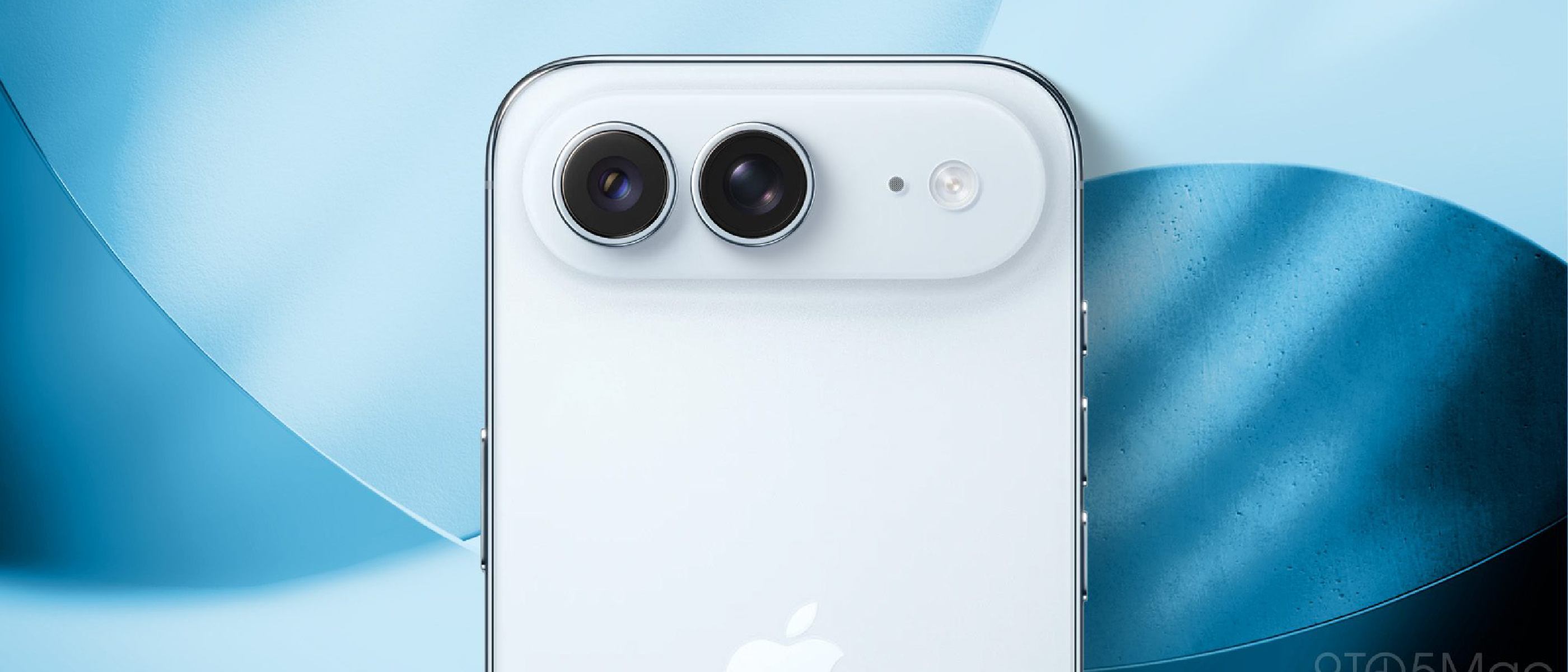
- Per‑iscope Telephoto – A 5× optical zoom lens, previously exclusive to the Pro Max line, may become standard on the iPhone 18.
- Larger Sensors – 48 MP main sensor with larger pixel size, improving low‑light performance.
- Computational Photography – Enhanced Deep Fusion and Photonic Engine algorithms, leveraging the new Neural Engine.
Display and Form Factor
- LTPO ProMotion – 120 Hz adaptive refresh rate across all models, reducing power draw.
- Under‑Display Front Camera – Early prototypes hint at a punch‑hole‑free design, though final confirmation is pending.
Battery and Charging
- Higher Capacity – Expect a 20 % increase in battery capacity, paired with the new 30 W MagSafe charger.
- USB‑C Transition – EU regulations may force Apple to adopt USB‑C for the iPhone 18, a shift that would affect accessory ecosystems.
The iPhone Air 2: A Mid‑Range Game Changer
The iPhone Air 2 is positioned as a bridge between the flagship iPhone 18 and the entry‑level iPhone SE line. Its timing update suggests a strategic move to capture the price‑sensitive segment that still demands premium features.
Anticipated Feature Set
- A‑17 Chip – Likely to retain the previous generation’s processor, offering solid performance at a lower price point.
- OLED Display – 6.1‑inch OLED panel with 90 Hz refresh, a step up from the current LCD Air models.
- Camera – Dual‑camera system (wide + ultra‑wide) without the per‑iscope lens, keeping costs in check.
- Design – Thinner chassis, possibly reusing the flat‑edge design introduced with the iPhone 12 series.
Pricing Outlook
While Apple has not disclosed pricing, analysts predict a launch price around $699 USD, positioning the Air 2 directly against high‑end Android flagships from OnePlus and Xiaomi.
Industry Impact and Ecosystem Ripple Effects
Supplier Dynamics
Apple’s timing adjustments ripple through its supplier network. Companies like TSMC, Foxconn, and LG Display must re‑schedule fab slots and assembly lines. A later iPhone 18 launch could free capacity for other Apple products, such as the Vision Pro, which is slated for a 2027 refresh.
App Development and Services
Developers will have a longer window to optimize apps for the new hardware. The upcoming iOS 27.3 features for iPhone Duo (see 9To5Mac Daily November 18 2026 More On Ios 273 Iphone Duo) will likely be leveraged on the iPhone 18’s enhanced Neural Engine, encouraging richer AR experiences and AI‑driven utilities.
Carrier and Retail Strategies
Carriers will need to adjust their pre‑order campaigns and financing plans. Retailers, both online and brick‑and‑mortar, will align marketing spend to the revised launch windows, potentially extending promotional periods to sustain momentum.
Future Outlook: What Comes After the iPhone 18 and Air 2?
Apple’s product cadence suggests that the iPhone 18 will be the last device to feature the classic “notch” design before a possible transition to a completely under‑display camera system. The Air 2 may serve as a testbed for this technology, allowing Apple to gauge consumer acceptance without risking the flagship’s reputation.
Looking ahead, several trends are worth monitoring:
- AR Integration – With Vision Pro gaining traction, future iPhones may incorporate dedicated LiDAR sensors for seamless mixed‑reality experiences.
- Sustainability – Apple’s environmental roadmap calls for 100 % recycled aluminum in all iPhone enclosures by 2027, a target that the Air 2 will likely meet.
- Software‑First Features – iOS 27.3’s AI usage limits indicate Apple’s intent to balance on‑device processing with server‑side resources, a balance that will shape how future hardware is spec’d.
Frequently Asked Questions
Q1: When will the iPhone 18 be officially announced? A: While Apple has not set a firm date, the updated timeline points to an early Q4 2026 announcement, likely during the traditional September event.
**Q2: Will the iPhone Air 2 support 5G mm
Q2: Will the iPhone Air 2 support 5G mmWave? A: Early supply‑chain hints suggest the Air 2 will include sub‑6 GHz 5G across all major carriers, but mmWave support is expected only on the flagship iPhone 18. Apple appears to be reserving the more expensive antenna modules for its premium line to keep the Air 2’s bill of materials in check.
Q3: How will the USB‑C transition affect accessories? A: If the EU‑mandated USB‑C port lands on the iPhone 18, existing Lightning‑based accessories will require adapters or new cables. Apple’s “MagSafe 2” ecosystem is likely to stay compatible, as the magnetic charging ring will sit atop the USB‑C port. Expect a bundle of USB‑C‑to‑Lightning adapters in the first‑month accessory kits.
Q4: Is the under‑display front camera ready for launch? A: Prototypes shown at recent developer conferences demonstrate a functional under‑display sensor, but Apple has not confirmed its inclusion in the iPhone 18. Should the technology be delayed, a tiny punch‑hole may appear on the lower‑half of the display, preserving the “no‑notch” aesthetic while the camera matures.
Q5: Will iOS 27.3 be the default OS at launch? A: Yes. Apple typically ships its newest devices with the latest stable iOS version. iOS 27.3 is slated for final release shortly before the iPhone 18’s debut, ensuring that all announced features—such as the revamped iPhone Duo multitasking and the AI usage limits—are available out of the box.
Closing Thoughts
The revised launch windows for the iPhone 18 and iPhone Air 2 underscore Apple’s delicate balancing act between supply‑chain realities, regulatory pressures, and competitive timing. By nudging the flagship into early Q4 2026, Apple can still capture the lucrative holiday shopping season while giving its manufacturing partners breathing room to meet the demanding component quotas of a 3 nm A‑18 chip and advanced camera modules. The mid‑year 2027 debut of the Air 2, meanwhile, offers a refreshed mid‑range option that keeps Apple’s ecosystem‑wide appeal intact without cannibalizing the premium segment.
For analysts, investors, and enthusiasts, the key takeaways are:
- Supply‑chain flexibility – Apple’s willingness to shift dates signals a proactive approach to global component shortages, a trend likely to continue through 2027.
- Regulatory compliance – The probable USB‑C adoption illustrates how external policy can accelerate hardware transitions that Apple might otherwise delay.
- Strategic product spacing – Staggered releases allow Apple to maintain a steady stream of media coverage and consumer excitement, a formula that has served the company well for over a decade.
As the dates draw nearer, watch for official Apple statements, regulator filings, and the next wave of leak‑driven benchmarks that will either confirm or reshape these expectations. Until then, the iPhone 18 and iPhone Air 2 remain the most closely watched pieces of Apple’s 2026‑27 roadmap.
Source: Original Article