




Overview of the iOS 27.3 Beta 1 Release in China
On November 3, 2026 Apple announced that iOS 27.3 beta 1 is now available to Chinese beta users, and for the first time the company’s Apple Intelligence suite is included in a market outside the United States. The announcement, published on Apple Newsroom and reported by Ryan Christoffel of 9to5Mac, emphasizes that the rollout is limited to beta participants and does not yet encompass the full AI stack introduced in the U.S. launch of October 2024.
Key points from the release:
- Apple Intelligence features originally shipped in iOS 26 and iOS 18 are now enabled for Chinese testers.
- Siri AI – the conversational assistant that powers many of Apple’s generative‑AI experiences – is deliberately omitted from this beta.
- The move aligns with Apple’s broader strategy to test AI capabilities in regulated environments before a global public release.
The beta’s availability coincides with Apple’s Q4 2026 earnings report, which posted $114.5 billion in revenue, a 12 % year‑over‑year increase, underscoring the financial muscle behind the company’s AI ambitions.
Technical Breakdown of Apple Intelligence Features
Apple Intelligence is a modular framework that blends on‑device machine learning with cloud‑based large language models (LLMs). While Apple has not disclosed a full feature matrix for the Chinese beta, the components that have historically been part of the suite include:
On‑Device Neural Engine Enhancements
- Neural Engine (NPU) acceleration for real‑time language translation, image analysis, and predictive text.
- Secure Enclave integration ensures that user data processed locally never leaves the device, a critical compliance factor for Chinese regulations.
Cloud‑Assisted LLM Services
- Contextual suggestions in Messages, Mail, and Notes that draw on a proprietary LLM hosted in Apple’s data centers.
- Generative image editing via the Photos app, where the model can suggest lighting adjustments or background replacements.
Cross‑App API Surface
- IntelligenceKit (a hypothetical internal API) allows third‑party developers to request AI‑enhanced capabilities while respecting privacy constraints.
- Unified prompt handling that routes user queries to the appropriate on‑device or cloud model based on latency and data‑sensitivity considerations.
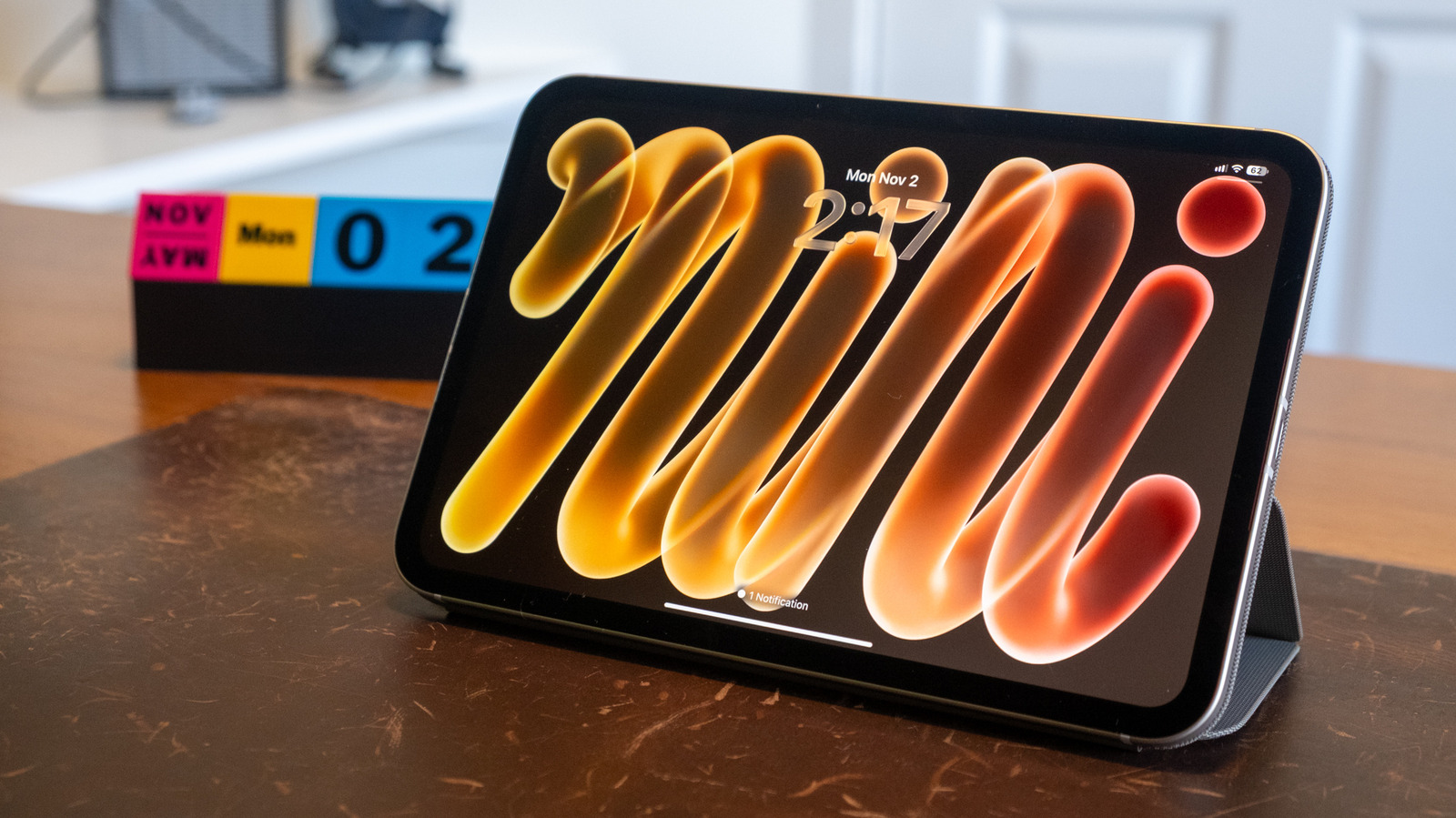
These capabilities are built on the same silicon foundation that powers the A20 Pro chip in the latest iPad mini, a device whose performance characteristics are detailed in our iPad mini (A20 Pro) Review: OLED, Speed, and Price. The synergy between high‑performance NPUs and Apple’s AI stack illustrates how hardware and software co‑evolution is central to the company’s roadmap.
Why the Chinese Market Matters
China represents the world’s largest smartphone user base, with over 1 billion active iPhone users as of 2026. Introducing Apple Intelligence there serves several strategic purposes:
- Regulatory Testing Ground – Chinese data‑privacy laws require explicit user consent and localized data storage. By limiting the rollout to beta users, Apple can fine‑tune its consent flows and edge‑computing strategies without exposing the entire ecosystem.
- Competitive Differentiation – Domestic rivals such as Huawei and Xiaomi have been aggressively integrating generative AI into their UI layers. Apple’s controlled introduction of AI features aims to showcase a privacy‑first alternative that can compete on both performance and trust.
- Revenue Upside – AI‑enhanced services are expected to become a new monetization pillar, whether through subscription tiers (e.g., Apple One AI) or premium app integrations. Early adoption in China could accelerate subscription uptake.
The decision to exclude Siri AI from this beta is a calculated move. Siri’s conversational model relies heavily on cloud inference, which raises additional compliance hurdles in China. By first deploying the on‑device components, Apple can gather telemetry on latency, power consumption, and user acceptance before scaling the full conversational experience.
Industry Impact and Competitive Landscape
Apple’s incremental AI rollout has ripple effects across the mobile ecosystem:
- Developers now have early access to the IntelligenceKit APIs, enabling them to prototype AI‑driven features for the Chinese market. This could spur a wave of localized apps that leverage on‑device translation and image generation, raising the overall quality of the App Store’s AI offerings.
- Competitors such as Google’s Pixel AI and Samsung’s Galaxy AI will need to reassess their privacy narratives. Apple’s emphasis on on‑device processing contrasts sharply with Google’s cloud‑centric approach, potentially shifting developer preferences toward Apple’s ecosystem.
- Regulators may view Apple’s staged rollout as a best‑practice case study for balancing innovation with data‑sovereignty requirements.
The broader AI arms race is also reflected in other iOS 27.3 beta updates. For instance, the same beta series introduced Siri AI support for four new languages—a development covered in our article iOS 27.3 Beta Expands Siri AI to Four New Languages. While those language expansions are not yet live in China, they illustrate Apple’s global ambition to make its AI multilingual.
Future Outlook: What’s Next for Siri AI in China?
Apple’s roadmap suggests a phased approach:
- Beta Expansion – Over the next few months, Apple will likely broaden the beta pool to include more device models and a larger user base, gathering data on on‑device model performance under diverse network conditions.
- Siri AI Integration – Once compliance frameworks are solidified, Siri’s generative capabilities will be introduced, potentially as a “Siri Pro” tier that offers richer conversational depth while still honoring on‑device privacy guarantees.
- Public Release – A full public rollout is expected in early 2027, aligning with the next major iOS release cycle. At that point, Apple may bundle AI features into a premium subscription, mirroring the strategy used for Apple One’s AI tier in the U.S.
Developers should keep an eye on the iPhone Duo StandBy feature, which was recently extended to all iPhones in the same beta series (see iOS 27.3 Beta Brings iPhone Duo StandBy to All iPhones). The synergy between a persistent dual‑screen standby mode and AI‑driven context awareness could unlock novel use cases, such as real‑time translation overlays on the secondary display.
Frequently Asked Questions
Q1: Is the iOS 27.3 beta 1 available to all iPhone models in China? A: The beta is currently limited to devices that support the A20 Pro or newer chips and are enrolled in Apple’s public beta program. Older models will receive the update later, if at all.
Q2: Will my personal data be sent to Apple’s servers for AI processing? A: For the features enabled in the Chinese beta, Apple has emphasized on‑device processing. Only anonymized usage metrics are transmitted, and they are stored in compliance with Chinese data‑localization laws.
Q3: When can I expect Siri AI to appear in the Chinese version of iOS? A: Apple has not announced a specific timeline, but industry analysts anticipate a phased rollout sometime in 2027 after regulatory approvals are secured.
Q4: How does this AI rollout affect app developers? A: Developers can start experimenting with the new IntelligenceKit APIs in the beta environment. Early adoption may give them a competitive edge when the features become generally available.
Q5: Does this mean Apple is abandoning its privacy‑first stance? A: On the contrary, the staged rollout underscores Apple’s commitment to privacy. By prioritizing on‑device inference, the company minimizes data exposure while still delivering AI functionality.
Conclusion
Apple’s decision to ship Apple Intelligence features to Chinese beta users with iOS 27.3 beta 1 marks a pivotal moment in the company’s AI journey. It demonstrates a careful balance between regulatory compliance, technical ambition, and market pressure. While Siri AI remains absent for now, the groundwork laid by on‑device neural processing, secure data handling, and early developer access sets the stage for a robust, privacy‑centric AI ecosystem in one of the world’s most demanding markets. As the beta matures and Apple refines its approach, the ripple effects will be felt across developers, competitors, and regulators alike—heralding a new era where AI and privacy coexist on Apple’s flagship platform.
Source: Original Article