

Overview of iOS 27.3 Health App Resurrection
Apple’s iOS 27.3 beta marks a pivotal moment for health enthusiasts and data‑savvy users alike. After a brief disappearance in the preceding iOS 27.2 beta, the redesigned Health app returns with a suite of new features that leverage Apple Intelligence to provide actionable guidance. The reintroduction aligns with Apple’s broader strategy to position health data as a core component of the iOS ecosystem, offering users a more holistic view of their well‑being.
Key highlights include:
- Insights Tab: A dynamic dashboard that aggregates recent activity rings, heart rate, sleep score, and vitals.
- Redesigned Vitals Section: Dual overnight and daytime views, now enriched with Heart Rate Variability (HRV) metrics.
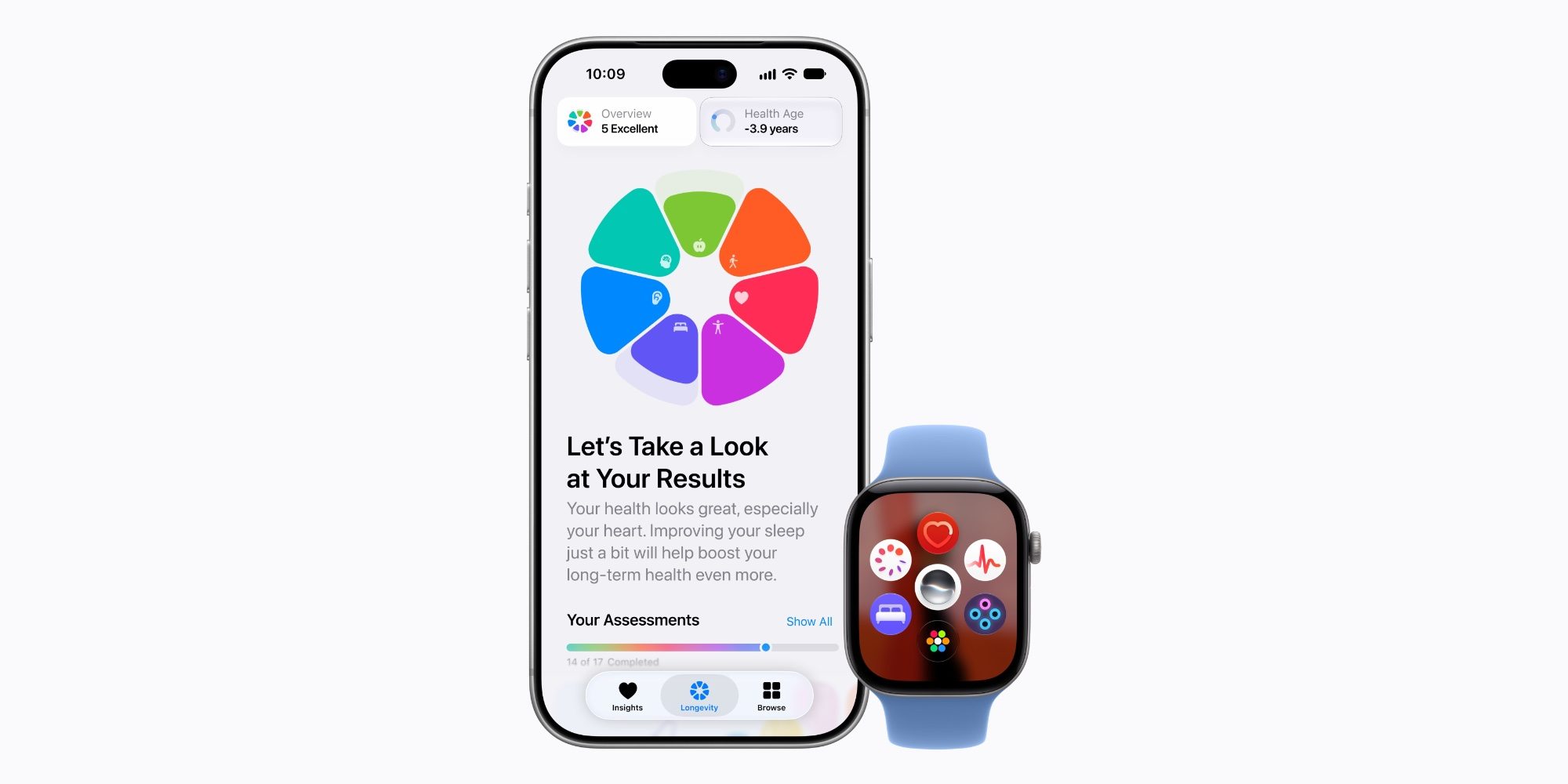
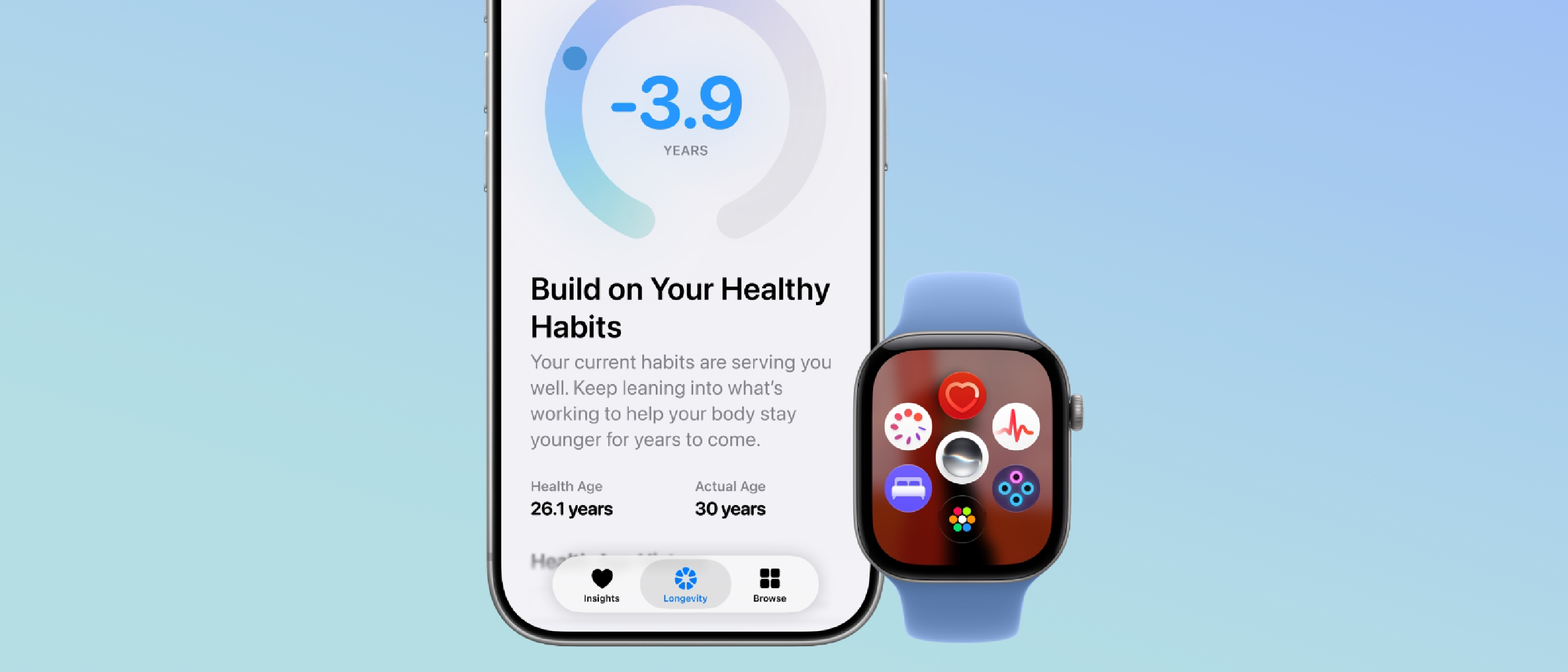
- Longevity Tab: A longitudinal analysis across seven health categories, culminating in a Health Age metric.
- Language Expansion: Support for 12 global languages, ensuring accessibility for a diverse user base.
The beta’s release in December 2026 positions it as a flagship update, reinforcing Apple’s commitment to health innovation.
AI‑Powered Insights: How Apple Intelligence Drives Personal Guidance
At the core of the new Insights tab lies Apple Intelligence, a machine‑learning framework that interprets raw health data to generate personalized recommendations. Unlike static dashboards, this AI layer continuously learns from a user’s patterns, goals, and device interactions.
How It Works
- Data Aggregation: The app pulls data from the Apple Watch, iPhone sensors, and third‑party health apps.
- Feature Extraction: Metrics such as resting heart rate, VO₂ max, sleep efficiency, and HRV are distilled into actionable variables.
- Model Inference: Apple Intelligence applies trained models to predict readiness for exercise, recovery needs, and potential health risks.
- Feedback Loop: User responses to suggestions feed back into the model, refining future guidance.
Practical Outcomes
- Readiness Score: For Apple Watch Series 12 and Ultra 4 users, the app calculates a readiness score that informs whether a workout should be intense or light. This feature helps prevent overtraining and promotes balanced recovery.
- Personal Guidance: The AI suggests specific activities—such as a low‑intensity walk or a targeted breathing exercise—based on current physiological states.
- Goal Alignment: If a user’s objective is to improve sleep quality, the app will prioritize sleep‑related insights and recommend adjustments to bedtime routines.
The integration of Apple Intelligence elevates the Health app from a passive data logger to an active health coach, a shift that could influence how consumers approach preventive care.
Longevity Metrics and Health Age: A New Era of Preventive Care
The Longevity tab introduces a comprehensive framework for assessing long‑term health trajectories. By evaluating data across seven categories—heart health, sleep, mental wellbeing, movement health, metabolic health, hearing, and nutrition—Apple provides a nuanced view of a user’s overall vitality.
Health Age Explained
Health Age compares a user’s physiological metrics to population averages for their chronological age. The calculation incorporates:
- Resting heart rate
- VO₂ max
- HRV
- Sleep patterns
- Blood biomarkers (when available)
A lower Health Age indicates that a user’s body functions more like someone younger, while a higher score flags potential areas for improvement.
Integration with Quest Diagnostics
Apple plans to incorporate a $119 laboratory panel from Quest Diagnostics into the Health Age computation. This panel will supply key biomarkers—such as cholesterol levels, blood sugar, and inflammatory markers—allowing the app to refine its risk assessments. Users can upload recent lab results or sync medical records, ensuring that the Health Age remains current.
At‑Home Assessments
Beyond wearable data, the Longevity tab supports at‑home fitness assessments via the iPhone camera. Users can perform simple movements that the camera captures, providing additional metrics for movement health and metabolic analysis.
Technical Deep Dive: Vitals, HRV, and Data Integration
The redesigned Vitals section is a cornerstone of the Health app’s new architecture. It offers both overnight and daytime views, giving users a granular look at how their body behaves across different periods.
Heart Rate Variability (HRV)
HRV is a critical indicator of autonomic nervous system balance and recovery status. The app now displays:
- Overall HRV: A composite score reflecting overall autonomic health.
- Recovery HRV: A focused metric that evaluates how well the body has recovered from recent exertion.
These metrics are derived from continuous heart rate monitoring on the Apple Watch, processed through Apple’s proprietary algorithms.
Data Sources and Privacy
Apple maintains strict privacy controls:
- All health data remains encrypted on the device.
- Users can opt‑in to share anonymized data with Apple for research purposes.
- Third‑party apps must adhere to HealthKit’s data sharing policies.
The integration of multiple data streams—wearable, sensor, and user‑input—demonstrates Apple’s commitment to a unified health ecosystem.
Global Reach: Expanded Language Support and Accessibility
Recognizing the global nature of its user base, Apple has expanded the Health app’s language support to 12 languages: global English, Simplified and Traditional Chinese, French, Japanese, Korean, Norwegian, Portuguese, Spanish, Turkish, and Vietnamese. This expansion ensures that non‑English speakers can fully engage with the app’s features, from reading insights to uploading lab results.
Accessibility is further enhanced by:
- VoiceOver compatibility for visually impaired users.
- Dynamic type scaling for readability.
- Haptic feedback for key interactions.
These measures align with Apple’s broader inclusivity goals, making health data accessible to a wider audience.
Future Outlook: Quest Diagnostics Panel and Beyond
The $119 Quest Diagnostics panel represents a significant step toward integrating clinical data into consumer health tools. By providing objective biomarkers, the panel will:
- Improve the accuracy of Health Age calculations.
- Enable early detection of conditions such as hypertension or prediabetes.
- Offer users actionable steps to mitigate risk.
Beyond the panel, Apple’s roadmap hints at deeper integration with medical records, potentially allowing seamless sync with electronic health record (EHR) systems. This could transform the Health app into a central hub for both personal and clinical health data.
Apple’s continued investment in AI and data integration suggests that future iOS releases will further refine predictive analytics, expand biometric sensors, and deepen partnerships with healthcare providers. For users, this means a more proactive, data‑driven approach to wellness.
FAQ
Q: Does the new Health app require a specific iPhone model? A: The redesigned app requires an Apple Intelligence‑capable iPhone, which includes the latest iPhone models equipped with the necessary processing power.
Q: Will the Health Age metric be available to all users? A: Health Age is available to users who have the Longevity tab enabled and have provided the necessary data, including optional Quest Diagnostics lab results.
Q: How does Apple ensure data privacy in the Health app? A: All health data is encrypted on the device, and users can control data sharing settings. Apple does not share personal health data without explicit user consent.
Q: Can I use the Health app with non‑Apple devices? A: The app primarily aggregates data from Apple devices and HealthKit‑compatible third‑party apps. Integration with non‑Apple devices is limited to those that support HealthKit.
Q: Is the $119 Quest Diagnostics panel mandatory? A: No, it is an optional add‑on that users can purchase to enhance their Health Age calculations.
Source: Original Article