






Why Apple Intelligence in China Matters
Apple’s decision to roll out Apple Intelligence in China marks a pivotal moment in the global AI ecosystem. Historically, Apple has been cautious about deploying its AI services in markets with stringent regulatory frameworks. The partnership with Alibaba and the integration of the Qwen model demonstrate a strategic alignment that balances user privacy, local compliance, and competitive parity with domestic AI leaders. For Chinese consumers, this means access to a suite of AI‑powered tools—live translation, writing assistants, visual recognition—without leaving the familiar Apple ecosystem. For developers, it opens a new revenue stream and a chance to tailor AI experiences to a massive, tech‑savvy user base.
Technical Breakdown of the Qwen Integration
Apple Intelligence in China is not a generic copy of the U.S. release; it is a localized, Alibaba‑powered variant. The Qwen model, a large language model developed by Alibaba, serves as the backbone for several key features:
- Natural Language Processing: Qwen handles context‑aware queries, enabling more nuanced responses than the original Siri AI model.
- Text Generation: Writing tools such as rewriting, proofreading, and summarization rely on Qwen’s generative capabilities.
- Multimodal Understanding: Visual Intelligence and Clean Up in Photos use Qwen’s vision‑language fusion to identify objects and remove unwanted elements.
Apple’s integration is achieved through a secure, on‑device inference pipeline that respects user privacy. The model is partially offloaded to Apple’s Neural Engine, ensuring low latency while keeping sensitive data local. This approach mirrors the architecture used in iOS 27.3’s new AirPods firmware, which also leverages on‑device processing for real‑time audio enhancements.
Feature Deep Dive: Live Translation and Writing Tools
Live Translation
Live Translation is the flagship feature that showcases the synergy between Apple’s UI and Qwen’s language capabilities. It is available across:
- Messages: Real‑time translation of incoming and outgoing text.
- FaceTime: Subtitles that update instantly as the conversation flows.
- Phone: Call transcripts that appear in the Notes app.
Compatibility extends to AirPods 4 with ANC and AirPods Pro 2, allowing users to hear translations through their earbuds. This cross‑device functionality aligns with Apple’s broader strategy of seamless hardware‑software integration, as seen in the recent AirPods firmware updates.
Writing Tools
Apple Intelligence introduces a suite of writing assistants that transform how users compose content:
- Rewriting: Suggests alternative phrasings for clarity or tone.
- Proofreading: Detects grammatical errors and offers corrections.
- Summarizing: Condenses long passages into concise bullet points.
- Text Generation: Generates new content based on prompts, powered by Qwen.
These tools are embedded in native apps such as Mail, Notes, and the Photos app, providing a consistent experience across the ecosystem.
Developer Enablement and Ecosystem Impact
Developers in China can enable Apple Intelligence by updating to iOS 27.3 beta. The process is straightforward:
- Update Xcode to the latest version that supports iOS 27.3.
- Enable the Apple Intelligence SDK in the project settings.
- Test the new APIs locally and on device.
- Submit updates to the App Store China.
Because the Qwen model is tightly coupled with Apple’s privacy framework, developers can’t directly access the raw model weights. Instead, they interact with high‑level APIs that abstract away the underlying complexity. This design choice encourages rapid adoption while maintaining compliance with China’s data protection regulations.
The ecosystem impact is twofold:
- User Engagement: AI features drive higher daily active usage, especially in messaging and productivity apps.
- Developer Revenue: New AI‑centric features open opportunities for premium services, in‑app purchases, and subscription models.
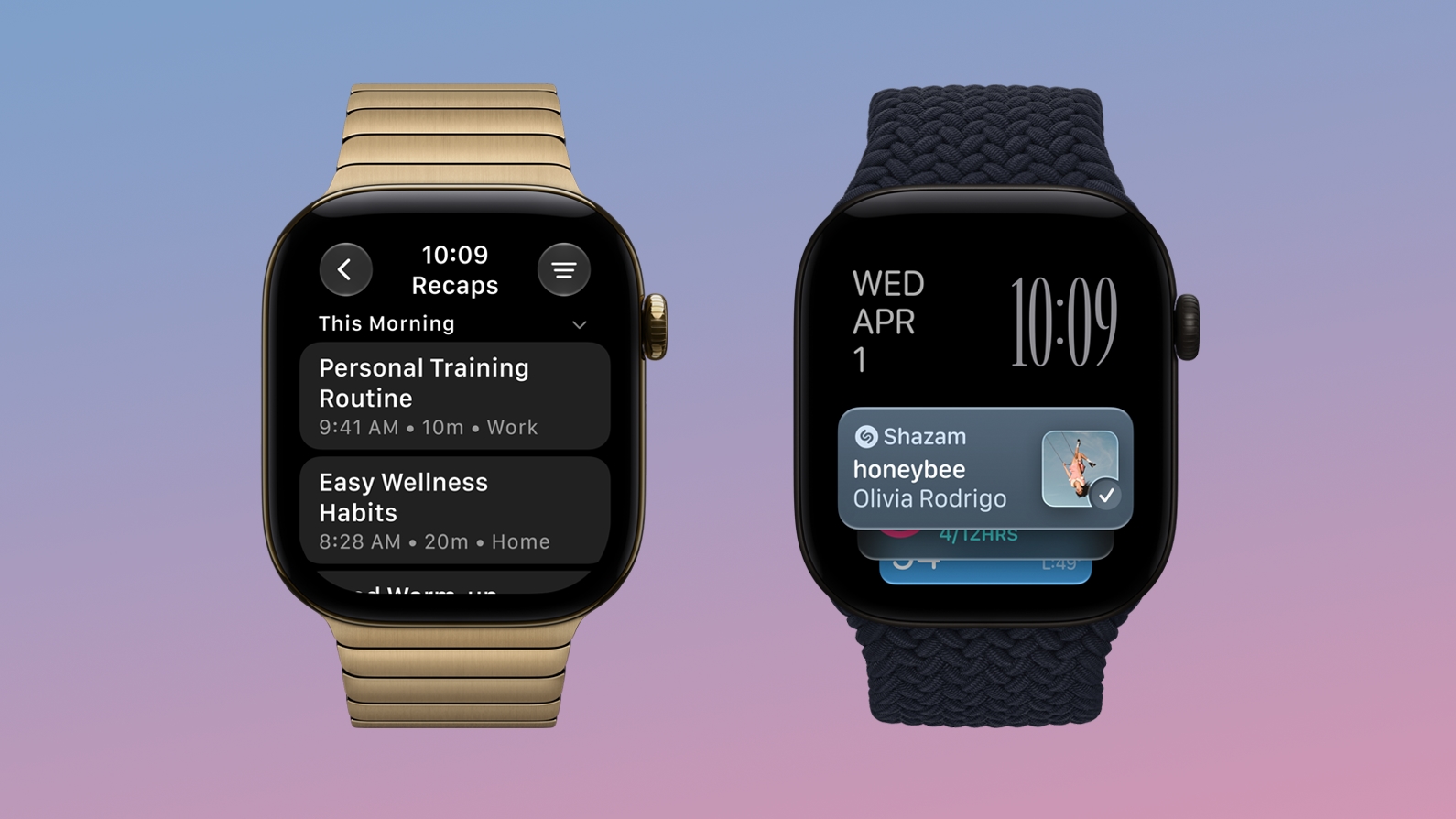
Apple’s approach mirrors the strategy used in the iOS 27.3 fitness updates, where developers can add gym strength plans to their apps, thereby increasing user retention.
Industry Impact and Future Outlook
Apple’s entry into the Chinese AI market forces competitors to accelerate their own localization efforts. Companies like Tencent and Baidu, which already offer AI services, will need to differentiate through deeper integration with hardware or unique data sets. The partnership with Alibaba also signals a shift toward collaborative AI ecosystems, where hardware manufacturers and AI providers co‑create solutions.
Looking ahead, Apple is likely to expand Apple Intelligence beyond the initial feature set. Potential areas include:
- Enhanced Visual Search: Leveraging Qwen’s vision capabilities for e‑commerce.
- Personalized Health Insights: Integrating with HealthKit to provide AI‑driven wellness recommendations.
- Cross‑Platform Continuity: Extending AI features to macOS and iPadOS for a unified experience.
These extensions will depend on regulatory approvals and the evolving capabilities of the Qwen model.
FAQ
Q: When will Apple Intelligence be available to all Chinese users? A: The public beta is expected soon, with the full iOS 27.3 release slated for December.
Q: Does Apple Intelligence use cloud servers for processing? A: No. All inference runs on the device’s Neural Engine, ensuring data stays local.
Q: Can I use Apple Intelligence on older iPhone models? A: The feature requires iOS 27.3, which supports iPhone 12 and newer. Older models will not receive the update.
Q: Is the Qwen model open source? A: No. It is a proprietary model owned by Alibaba, integrated into Apple’s ecosystem through a licensed partnership.
Q: Will Siri AI be available in China? A: Siri AI and the Siri app are excluded from the China release; only Apple Intelligence features are offered.
Conclusion
Apple Intelligence’s debut in China via iOS 27.3 beta represents a strategic convergence of privacy‑first design, regulatory compliance, and powerful AI capabilities. By partnering with Alibaba and leveraging the Qwen model, Apple delivers a localized suite of tools that enhance communication, productivity, and creativity for millions of users. Developers gain a new avenue for innovation, while the broader industry faces a compelling call to elevate its AI offerings. As Apple continues to refine and expand Apple Intelligence, the Chinese market will become a critical testing ground for the next generation of AI‑driven mobile experiences.
Source: Original Article