


Why the New Health App Matters
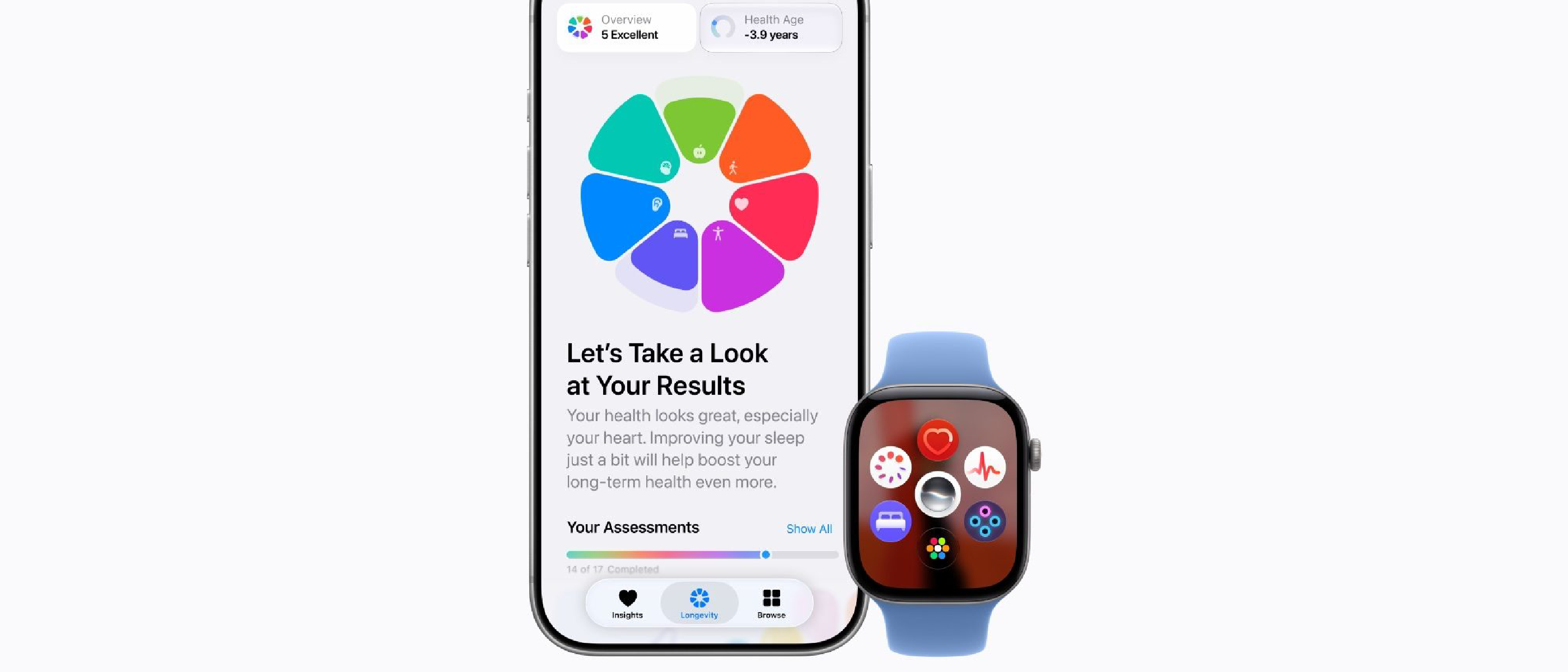
Apple’s decision to resurrect the Health app in iOS 27.3 is more than a cosmetic refresh; it signals a strategic pivot toward a holistic, data‑driven wellness platform. The previous iteration, introduced experimentally in iOS 27.2, was limited to a handful of metrics and relied heavily on third‑party integrations. The new version consolidates heart, sleep, fitness, menstrual, and metabolic data into two purpose‑built tabs—Insights and Longevity—delivering a single source of truth for users who increasingly expect their devices to act as personal health coaches.
The timing aligns with broader consumer trends: wearable adoption has crossed the 500 million‑device threshold, and users are demanding actionable insights rather than raw numbers. By embedding AI‑powered recommendations directly into the OS, Apple reduces friction for users who might otherwise need separate apps or manual data entry. The “For You” section, for example, can suggest a wind‑down routine after detecting consecutive nights of fragmented sleep, turning passive data collection into proactive behavior change.
Industry Impact: From Fitness Apps to Clinical Partnerships
Disruption of the Fitness App Market
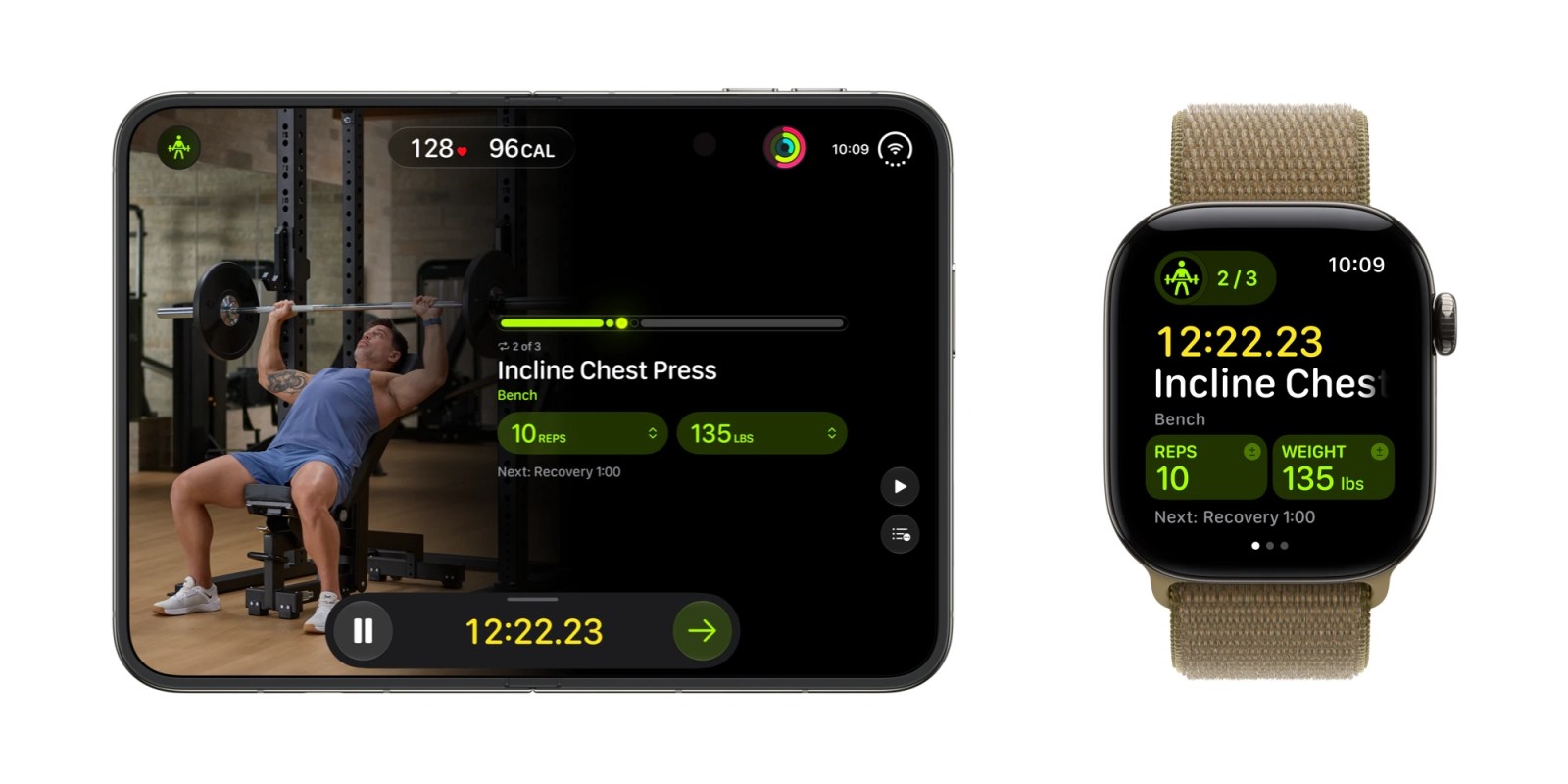
The inclusion of at‑home movement evaluations—flexibility, strength, balance, and VO₂ max tests—poses a direct challenge to established
poses a direct challenge to established fitness‑tracking platforms that have traditionally relied on users manually logging workouts or syncing third‑party devices. By leveraging the iPhone’s camera and the Apple Watch’s sensor suite, Apple essentially bundles what used to require a separate app (e.g., a strength‑training logger) and a dedicated piece of hardware (e.g., a smart scale or VO₂‑max tester) into the core operating system. Competitors will need to either integrate deeper with Apple’s ecosystem or pivot toward niche specialties such as sport‑specific coaching or community‑driven challenges to stay relevant.
Strengthening Clinical Partnerships
Beyond consumer‑focused features, the Longevity tab’s ability to ingest clinical laboratory results (A1c, LDL, etc.) opens a clear pathway for Apple to deepen collaborations with healthcare providers and labs. Apple’s existing Health Records framework already allows users to import PDFs and HL7‑FHIR data; the new UI surfaces these metrics alongside wearable‑derived trends, making it easier for physicians to spot deviations without demanding patients manually reconcile disparate dashboards. Early adopters, such as several major U.S. health systems, have signaled interest in using the “Health Age” metric as a conversational entry point during routine check‑ups, potentially driving higher engagement with preventive care programs.
Privacy‑First, On‑Device AI
One of the most compelling narratives Apple continues to push is that all AI‑driven analyses happen on‑device. The at‑home movement evaluations run entirely on the iPhone’s Neural Engine, meaning no video footage is ever uploaded to Apple’s servers. This design choice not only aligns with Apple’s broader privacy stance but also mitigates regulatory concerns in regions with strict data‑sovereignty laws (e.g., the EU’s GDPR and China’s Personal Information Protection Law). For privacy‑conscious users, the reassurance that “no video is ever recorded, stored, or shared” could be a decisive factor in adopting the new features.
Expanded Global Language Support
The rollout includes ten language options—global English, Chinese (Simplified and Traditional), French, Japanese, Korean, Norwegian, Portuguese, Spanish, Turkish, and Vietnamese—reflecting Apple’s ambition to make the Health app a truly worldwide wellness hub. Localization extends beyond UI text; Apple has partnered with regional health experts to curate culturally relevant health content, ensuring that educational videos and articles resonate with local audiences.
Release Timeline and Availability
- iOS 27.3 beta 1: Launched November 3, 2026.
- Public iOS 27.3 release: Expected December 2026, coinciding with the final version of the revamped Health app.
- Device compatibility: All iPhone models that support iOS 27 (iPhone 8 and later) will receive the update; the at‑home movement tests require an Apple Watch Series 8 or newer for optimal sensor accuracy.
Apple has not announced any additional cost for the new Health features, keeping them bundled within the free iOS update—consistent with the company’s strategy of using health as a value‑add to drive hardware sales and ecosystem lock‑in.
What This Means for Users
- One‑stop health dashboard – No need to juggle multiple third‑party apps; Insights and Longevity provide a consolidated view.
- Actionable recommendations – The “For You” section translates raw data into concrete behavior changes (e.g., adjusting bedtime, hydration reminders).
- Clinical relevance – Users can now see lab results side‑by‑side with wearable metrics, facilitating more informed conversations with doctors.
- Privacy assurance – On‑device AI ensures sensitive movement data never leaves the phone.
- Broader accessibility – Multi‑language support and low‑cost hardware requirements lower the barrier to entry for global users.
Frequently Asked Questions
Q: Do I need an Apple Watch to use the new Health app? A: While the core Insights and Longevity tabs work on any iPhone running iOS 27.3, the at‑home movement evaluations and the most accurate VO₂ max calculations require an Apple Watch Series 8 or later.
Q: Can I import my existing lab results into the Longevity tab? A: Yes. The app supports manual entry as well as automatic import from participating labs and health systems that use the HL7‑FHIR standard.
Q: Will my movement‑assessment videos be stored anywhere? A: No. Apple’s on‑device AI processes the video feed in real time and discards it immediately after analysis. No recordings are saved or transmitted.
Q: Is the Health Age metric a medical diagnosis? A: No. Health Age is an informational metric that compares your physiological data to population averages. It is not intended to replace professional medical assessment.
Q: When will the new Health app be available in my language? A: All ten supported languages will be live with the December 2026 public release. Apple is rolling out additional language packs in early 2027 based on regional demand.
Bottom Line
Apple’s reintroduction of the Health app in iOS 27.3 marks a decisive step toward a unified, AI‑enhanced wellness platform that blurs the line between consumer fitness tools and clinical health monitoring. By embedding sophisticated analytics directly into the operating system, expanding language coverage, and maintaining a strict privacy‑first approach, Apple positions itself as both a data aggregator and a proactive health coach. The move is likely to reshape the competitive landscape, prompting fitness‑app developers to deepen integration with Apple’s ecosystem or differentiate through specialized services. For everyday users, the promise is clear: a more personalized, actionable, and secure health experience without the need for a suite of disparate apps.
Source: Original Article