


What the New Edit‑After‑Publish Feature Actually Does
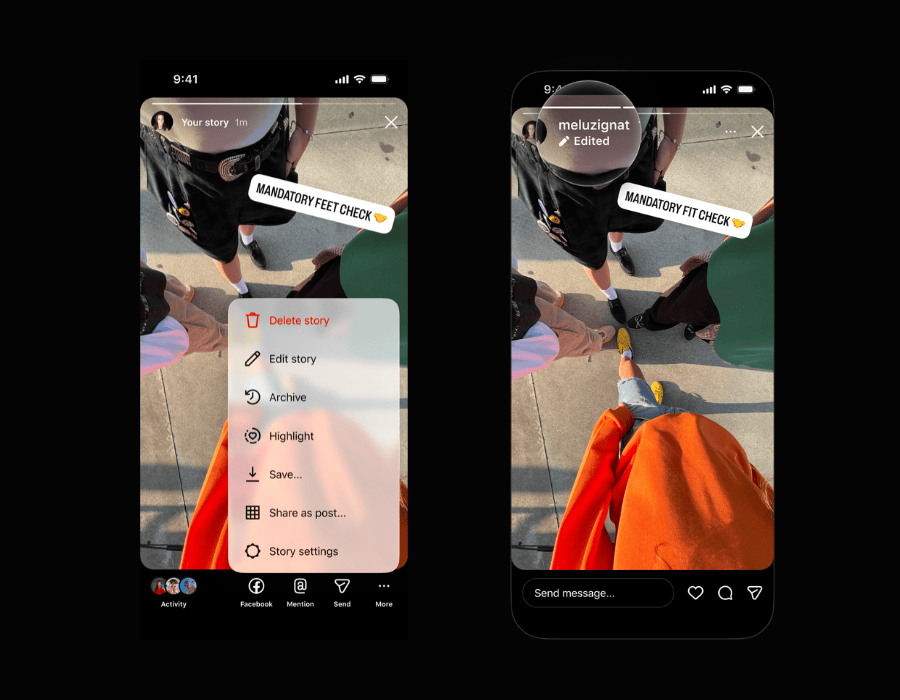
Instagram’s latest rollout gives creators a one‑time ability to modify a Story after it has already been shared with followers. The workflow is simple:
- Open the published Story from your profile archive.
- Tap the Edit icon that now appears next to the Story thumbnail.
- Make changes to text, stickers, drawing, or even replace the underlying media.
- Save – the updated version instantly replaces the original for all viewers.
The change is limited to a single edit per Story; once you hit Save, the edit lock is engaged. The feature is currently being rolled out to a subset of accounts, with Meta indicating broader availability in the coming weeks.
Why It Matters for Creators and Brands
Reducing the Cost of Mistakes
Historically, a typo, misplaced sticker, or wrong filter meant deleting the Story and re‑posting, which could waste valuable engagement windows (Stories disappear after 24 hours). The new edit capability preserves the original view count, reactions, and swipe‑up metrics, protecting the performance data that marketers rely on.
Streamlining Real‑Time Campaigns
Brands often run time‑sensitive promotions—flash sales, event reminders, or influencer collaborations. An ability to tweak a Story without resetting its analytics means campaigns can stay on track even if a small error slips through.
Aligning Instagram with Competitor Moves
YouTube recently tightened its own content‑policy enforcement by allowing creators to edit video titles and thumbnails after publishing, a change detailed in a post about platform governance YouTube Fights AI Slop with New Monetization Rules]. Instagram’s edit‑after‑publish mirrors that trend, signaling a broader industry shift toward flexible, post‑publish content management.
Technical Breakdown: How Instagram Makes the Edit Possible
Backend Versioning
When a Story is first uploaded, Instagram stores the media asset in its CDN and creates a lightweight metadata record (duration, stickers, text layers). The edit feature does not replace the original media file; instead, it creates a delta—a set of instructions that overlay new elements on top of the existing asset. This approach minimizes bandwidth usage and keeps the original view count intact.
Client‑Side Rendering
The Instagram app’s rendering engine now supports layered compositing for Stories. Each visual element (image, video, text, sticker) is treated as an independent layer. When a user initiates an edit, the app fetches the original layers, applies the delta, and re‑renders the Story locally before pushing the updated metadata back to the server.
Security and Abuse Prevention
Because the edit can be abused to alter misleading content after it has been viewed, Instagram has built safeguards:
- One‑time edit limit – prevents endless toggling that could confuse viewers.
- Audit log – the original version remains in the user’s archive, accessible only to the account owner.
- Content‑review flagging – if a Story is reported, the edit history is exposed to moderators for investigation.
These measures echo the security concerns raised by other platforms, such as the Zoom zero‑day exploit that highlighted the need for robust post‑publish controls Zoom Zero‑Day Exploit: Remote Takeover of iPhone & Mac].
Industry Impact: What This Means for the Social Media Landscape
A New Standard for Ephemeral Content
Stories have become the dominant format for short‑form, disappearing content across Instagram, Facebook, Snapchat, and TikTok. By allowing edits, Instagram nudges the definition of “ephemeral” toward “editable yet temporary.” Competing platforms may feel pressure to adopt similar capabilities to stay relevant for creators who demand agility.
Advertising Metrics Remain Trustworthy
Advertisers rely on precise metrics—impressions, taps, swipe‑ups—to calculate ROI. The edit‑after‑publish feature preserves these numbers, avoiding the data distortion that would occur if a Story were deleted and reposted. This continuity could make Instagram a more attractive venue for performance‑based ad spend.
Potential for Policy Enforcement
The ability to edit after publishing also gives Meta a new lever for policy compliance. If a Story violates community guidelines, moderators can request an edit rather than an outright removal, preserving user experience while enforcing rules. This mirrors the nuanced moderation strategies seen in other tech ecosystems.
The Catch: Limitations and Edge Cases
While the feature feels like a win, there are constraints that users should be aware of:
- Single edit per Story – once you save, you cannot make further changes.
- No media replacement – you can edit overlays (text, stickers, drawings) but cannot swap the underlying photo or video.
- No impact on view count – the edit does not reset the 24‑hour timer; the Story will still disappear at the original expiration time.
- Limited rollout – the feature is currently available to a fraction of accounts; early adopters may experience bugs or UI inconsistencies.
Understanding these boundaries helps creators plan their workflow and avoid reliance on the edit as a safety net for major content changes.
Future Outlook: Where Instagram Might Take This Feature
Multi‑Edit Support
User feedback is likely to push Meta toward allowing a second, perhaps limited, edit. A “soft‑reset” could let creators correct major errors without losing the original engagement data.
AI‑Powered Suggestions
Given Instagram’s investment in AI for content recommendations, future updates could suggest automatic caption corrections or sticker placements during the edit process, similar to AI‑assisted captioning tools discussed in other industry analyses.
Cross‑Platform Synchronization
If Instagram aligns its edit capabilities with Facebook Stories and the upcoming Threads platform, creators could edit a Story once and have the change propagate across all Meta-owned story ecosystems, streamlining multi‑app campaigns.
Frequently Asked Questions
Q1: Can I replace the video or photo in a Story after publishing? A: No. The edit function only modifies overlays such as text, stickers, and drawings. The underlying media remains unchanged.
Q2: Does editing a Story affect its analytics? A: The view count, swipe‑up metrics, and other performance data stay intact. Only the visual layers are updated.
Q3: Will the edit be visible to viewers who have already watched the Story? A: Yes. Once you save the edit, the updated version replaces the original for all viewers, even those who opened the Story before the edit.
Q4: Is the edit history stored anywhere? A: The original version is retained in your Story archive. It is not publicly visible but can be accessed by you for reference.
Q5: How does this feature compare to similar tools on other platforms? A: YouTube now allows post‑publish edits to titles and thumbnails, and Snapchat has introduced limited overlay edits. Instagram’s approach is unique in preserving the original view count while allowing visual tweaks.
Conclusion
Instagram’s edit‑after‑publish option for Stories marks a subtle yet significant evolution in how short‑form content is managed. By granting creators a single, on‑the‑fly correction window, the platform reduces the friction of accidental errors, safeguards advertising metrics, and aligns itself with broader industry moves toward flexible post‑publish controls. The limitations—single edit, no media swap, and a phased rollout—ensure that the feature remains a tool for fine‑tuning rather than a loophole for major content overhauls. As Meta continues to iterate, we can expect richer editing capabilities, AI‑driven suggestions, and tighter integration across its story‑centric products. For creators, marketers, and developers alike, the update is a reminder that even “ephemeral” media is becoming increasingly editable, and staying ahead of these changes will be key to maintaining relevance in the fast‑moving social landscape.
Source: Original Article