




Launch Overview and Quick‑Commerce Mechanics
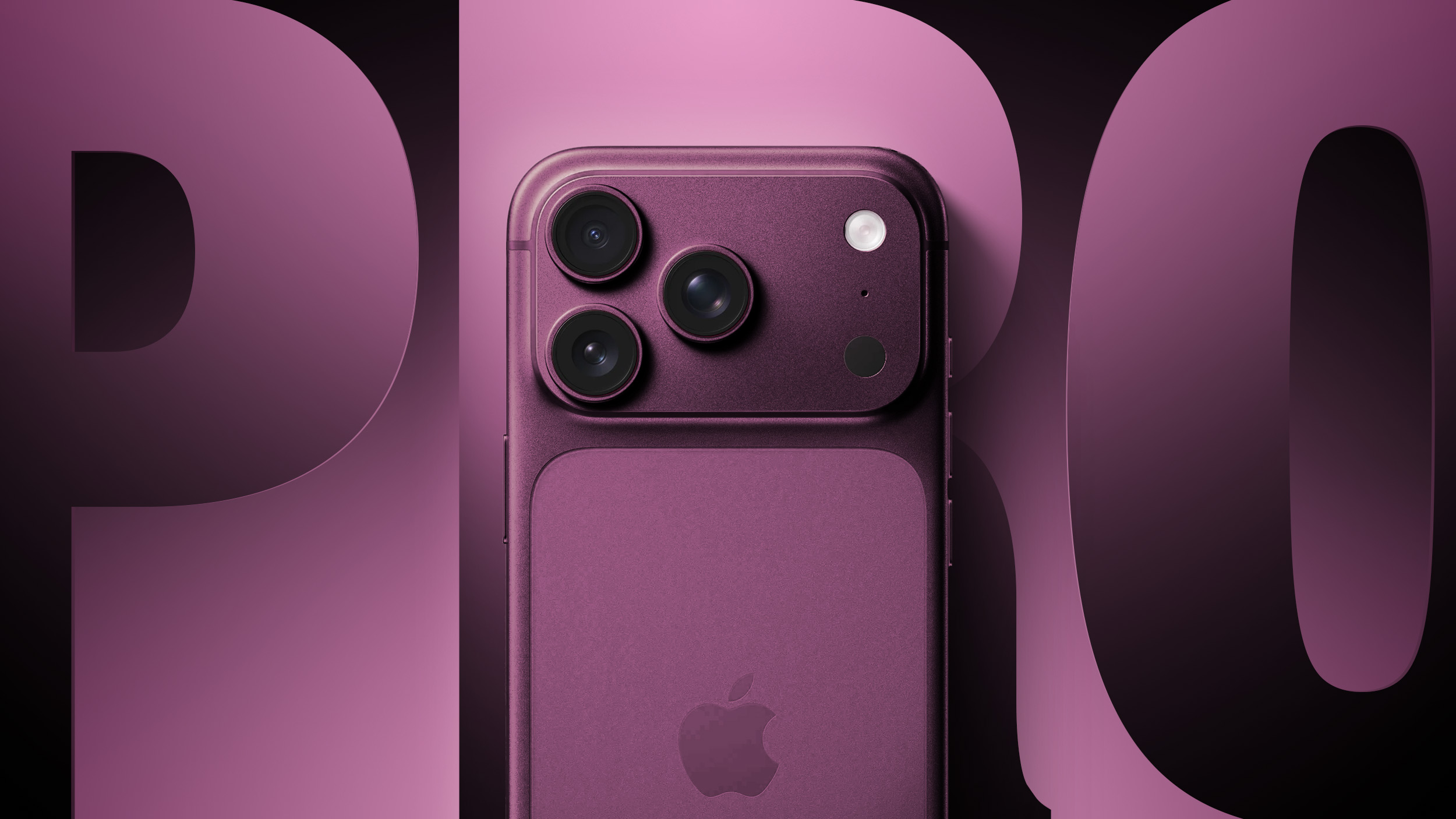
On September 18, 2026 Apple introduced the iPhone 18 Pro and iPhone 18 Pro Max to the Indian market, but the headline was not just the devices themselves—it was the delivery model. Partnering with rapid‑delivery platforms such as Blinkit, Zepto, Swiggy Instamart, and Big Basket, Apple made high‑value smartphones available at the consumer’s doorstep in roughly ten minutes.
The logistics chain differs dramatically from the traditional retail experience. Instead of queuing at Apple stores or waiting for a courier that can take several days, the quick‑commerce ecosystem leverages a network of micro‑fulfilment centres located within a 2‑3 km radius of dense urban zones. When a customer places an order through an app, the nearest hub dispatches a courier on a motorbike or electric scooter, often using real‑time traffic data to optimise the route.
Instamart’s data shows that the Burgundy 256 GB variant of the iPhone 18 Pro accounted for nearly one‑third of its smartphone sales, underscoring the power of colour‑specific marketing in a hyper‑fast environment. Within the first hour of launch, Big Basket alone shipped more than 300 units across its network, a figure that would have required a full‑day operation in a conventional e‑commerce model.
Why Speed Matters: Consumer Expectations and Market Dynamics
Changing Purchase Psychology
Indian consumers have grown accustomed to “instant gratification” through food‑delivery and grocery‑ordering apps. The rapid‑delivery sector reported a H1 2026 value of approximately $9 billion, with monthly active users swelling from 8 million in 2023 to over 60 million today. This behavioural shift creates a fertile ground for high‑ticket items to be sold under the same expectation of speed.
Brand‑Level Implications
Apple’s decision to ride this wave is strategic. By aligning its premium brand with a service that traditionally catered to low‑margin goods, Apple signals that the iPhone 18 Pro is not just a luxury product but also a “must‑have” that can be obtained as quickly as a pizza. The move also generates massive “launch‑day noise,” a point highlighted by Navkendar Singh of IDC, who described the phenomenon as a marketing catalyst that amplifies brand visibility.
Economic Incentives
Quick‑commerce platforms earn higher margins on high‑value items because the delivery fee is a smaller proportion of the total transaction. For Apple, the partnership reduces the need for extensive in‑store staffing during launch peaks, while for the platforms, the high average order value (AOV) improves unit economics. The projected $50 billion market size for quick‑commerce by 2030 (Google/Deloitte) suggests that this symbiosis could become a standard channel for premium electronics.
Technical Implications for Smartphone Distribution
Inventory Management
Traditional supply‑chain models rely on central warehouses and a “push” inventory strategy. Quick‑commerce forces a “pull” approach, where inventory must be pre‑positioned in micro‑fulfilment hubs based on predictive analytics. Apple and its authorised distributors have likely employed AI‑driven demand forecasting to allocate the most popular Burgundy 256 GB variant to Bengaluru and Delhi, the two cities that led Instamart orders.
Packaging and Handling
A ten‑minute delivery window leaves little room for damage control. Apple’s packaging, already engineered for protection during standard shipping, had to be re‑evaluated for rapid, often rough‑terrain transport. The use of reinforced, recyclable materials aligns with Apple’s sustainability goals while ensuring the device survives the final “last‑mile” sprint.
Connectivity and Software Considerations
Fast delivery does not equate to immediate activation. Users still need reliable network coverage for setup, iCloud sync, and the new iOS features. In this context, the article “ USB‑C on Your Phone: More Than Just Charging and Data ” provides insight into how hardware interfaces like USB‑C can accelerate accessory adoption, a factor that may influence early‑adopter satisfaction in a rapid‑delivery scenario.
Industry Impact and Competitive Landscape
Disruption of Traditional Retail
Apple’s quick‑commerce rollout challenges the relevance of brick‑and‑mortar Apple Stores for launch days. While flagship stores remain experience centres, the immediate purchase decision is now shifting to the app ecosystem. Competitors such as Samsung and OnePlus will need to evaluate whether similar partnerships can be forged without diluting brand perception.
Ripple Effect on Quick‑Commerce Platforms
The successful delivery of over 300 iPhones within an hour validates the scalability of quick‑commerce for high‑ticket items. Platforms may now pitch their services to other premium brands—luxury watches, high‑end laptops, even automotive accessories. However, as Tarun Pathak of Counterpoint Research cautions, the key question is whether this demand can translate into regular, repeat purchases beyond launch hype.
Regulatory and Tax Implications
India’s GST framework treats electronic goods differently from food items. Quick‑commerce platforms must now navigate a more complex tax structure, potentially requiring separate invoicing mechanisms for electronics. This could spur policy discussions about a unified “fast‑delivery” tax regime.
Cross‑Industry Synergies
The rapid‑delivery model also intersects with connectivity solutions. The article “ Starlink Mini Home Use: Costs, Speed & What’s Next ” explores how low‑latency satellite internet can support the data‑intensive operations of micro‑fulfilment hubs, especially in tier‑2 cities where fibre penetration is still limited.
Future Outlook: Quick‑Commerce Beyond Launch Days
Normalising High‑Value Fast Delivery
If Apple’s experiment proves profitable, we can expect quick‑commerce to become a permanent channel for premium electronics. This would entail:
- Dynamic inventory rebalancing: Real‑time stock transfers between hubs based on demand spikes.
- Integrated warranty services: Immediate activation of AppleCare at the point of delivery.
- AI‑driven personalization: Offering accessories (cases, AirPods) in the same ten‑minute window based on user profile.
Potential Challenges
- Supply‑chain strain: Maintaining sufficient safety stock across dozens of micro‑hubs could increase overall inventory costs.
- Customer service complexity: Returns and exchanges for high‑value items require secure logistics, potentially offsetting the speed advantage.
- Environmental concerns: The carbon footprint of frequent, short‑range deliveries must be mitigated through electric fleets and route optimisation.
Strategic Recommendations for Stakeholders
- Apple should develop a dedicated “Quick‑Commerce SDK” for partners, standardising order handling, tracking, and post‑sale support.
- Quick‑commerce platforms need to invest in temperature‑controlled, shock‑absorbing containers to protect delicate electronics.
- Regulators might consider incentives for electric‑vehicle couriers to reduce emissions associated with high‑frequency deliveries.
Frequently Asked Questions
Q1: Can I choose any colour or storage option for the iPhone 18 Pro through quick‑commerce apps?
A: Availability varies by city and platform. In Bengaluru and Delhi, the Burgundy 256 GB variant was the most popular, but other colours and capacities are offered where stock permits.
Q2: How is the device protected during the ten‑minute delivery?
A: Apple’s packaging includes reinforced, recyclable foam inserts designed to absorb shocks typical of motorbike transport. Couriers are instructed to handle parcels with care.
Q3: Will the rapid delivery affect the warranty or AppleCare activation?
A: No. The device’s serial number is registered at the point of sale, and AppleCare can be activated instantly via the Apple Support app, regardless of delivery speed.
Q4: Are there additional fees for the ten‑minute delivery?
A: Delivery fees are platform‑specific but generally range from ₹199 to ₹299, which is a small fraction of the iPhone’s price.
Q5: Is this quick‑commerce model expected to roll out to other Indian cities?
A: Apple and its partners have indicated a phased expansion, prioritising metros with dense micro‑fulfilment networks. Tier‑2 cities may see the service later in 2027.
The iPhone 18 Pro’s ten‑minute arrival in India marks a pivotal moment where premium hardware meets ultra‑fast logistics. By leveraging the burgeoning quick‑commerce ecosystem, Apple not only satisfies a new generation of impatient consumers but also reshapes the economics of high‑value e‑commerce in the region. Whether this model becomes a permanent fixture or remains a
fixture or remains a novelty limited to launch days will be answered by sales data over the next quarters. Early indicators suggest that the model could evolve into a core distribution channel for Apple and other premium brands, but several hurdles must be cleared before it can be deemed a sustainable norm.
Measuring Success: What the Numbers Will Tell Us
- Repeat‑Purchase Rate: Counterpoint Research will be tracking the proportion of customers who order additional Apple accessories (AirPods, MagSafe chargers, Apple Watch) through the same quick‑commerce platforms within 30 days of the initial iPhone purchase. A repeat‑purchase rate above 20 % would signal that consumers are comfortable with high‑value deliveries beyond the hype of a launch.
- Average Order Value (AOV) Growth: Platforms such as Blinkit and Zepto typically see AOVs of ₹1,200–₹1,500 for grocery orders. The iPhone 18 Pro’s ₹1,30,000 price tag pushes the platform‑wide AOV into the six‑figure range, a shift that could recalibrate pricing strategies for future high‑ticket items.
- Return & Refund Metrics: Fast delivery can amplify expectations around product condition. A return rate exceeding 2 % for smartphones would raise red flags about packaging adequacy and courier handling standards.
- Carbon Footprint Tracking: With the Indian government tightening emissions standards for last‑mile logistics, platforms are beginning to publish carbon‑offset data. Apple’s sustainability team will likely demand that any quick‑commerce partnership meet its net‑zero targets by 2035.
If these metrics trend positively, the quick‑commerce model could be codified into Apple’s “Omni‑Channel” playbook, complementing its existing retail and online ecosystems.
What This Means for the Indian Consumer Tech Landscape
- Accelerated Adoption of New Features: Faster access means users can experience iOS 18’s AI‑driven widgets, on‑device machine‑learning capabilities, and the new ProMotion 120 Hz display sooner, potentially driving higher engagement metrics for Apple services (Apple Music, iCloud, Apple TV+).
- Increased Competition for Tier‑1 Retailers: Physical Apple stores may need to pivot toward experiential services—workshops, AR‑enabled product demos, and in‑store repairs—since the impulse purchase function is increasingly handled by apps.
- Rise of Hybrid Logistics Providers: Companies that can blend ultra‑fast grocery delivery with secure electronics handling will become the most valuable partners. Expect new entrants focusing exclusively on “high‑value quick‑commerce” to emerge, backed by venture capital.
- Consumer Expectation Shift: As the ten‑minute benchmark becomes familiar, shoppers may begin to view any delay beyond that as a service failure, pressuring other brands to match the speed or risk losing market share.
Looking Ahead: The Roadmap to 2027 and Beyond
- Q4 2026: Apple plans to pilot a “Same‑Day‑Plus” service in Mumbai, extending the delivery window to 30 minutes for customers in the outer suburbs, while still maintaining the ten‑minute promise for core metro zones.
- Early 2027: A joint venture between Swiggy Instamart and Apple is slated to launch a dedicated fleet of electric cargo bikes equipped with temperature‑controlled compartments, aimed at preserving battery health during transport.
- Mid 2027: Deloitte’s upcoming “Quick‑Commerce Maturity Index” will rank Indian cities on readiness for high‑ticket deliveries, providing a roadmap for brands seeking to expand beyond the current metro focus.
- 2028: If the model proves profitable, Apple may integrate its own micro‑fulfilment hubs directly into its supply chain, reducing reliance on third‑party platforms and gaining tighter control over inventory and customer experience.
Conclusion
The iPhone 18 Pro’s ten‑minute arrival in India is more than a headline‑grabbing stunt; it is a litmus test for the convergence of premium hardware and ultra‑fast logistics. By leveraging the existing quick‑commerce infrastructure, Apple has demonstrated that high‑value products can be delivered with the same immediacy that consumers have come to expect from pizza and groceries. The experiment’s success will hinge on measurable factors such as repeat purchases, return rates, and environmental impact. Should these align favorably, quick‑commerce could become a permanent pillar of Apple’s distribution strategy in India and potentially set a precedent for the global market.
For now, Indian tech enthusiasts can celebrate the novelty of holding a brand‑new iPhone in their hands before the afternoon tea is even brewed—a glimpse into a future where the line between “online” and “in‑store” blurs into a single, lightning‑fast experience.
Additional Frequently Asked Questions
Q6: Will the quick‑commerce delivery include Apple’s standard accessories (charger, EarPods, etc.)?
A: Yes. The default box contains the USB‑C to Lightning cable, a 20 W power adapter, and a pair of EarPods, identical to the packaging sold through Apple’s own channels.
Q7: How does Apple verify the buyer’s identity for such a high‑value transaction?
A: The ordering process requires two‑factor authentication linked to the buyer’s Apple ID, and the platform captures a government‑issued ID photo for verification before dispatch.
Q8: What happens if the device is damaged during the ten‑minute delivery?
A: Couriers are instructed to photograph the parcel at pickup and drop‑off. In the event of damage, the platform initiates an immediate replacement from the nearest hub, and Apple’s warranty coverage remains unaffected.
Q9: Are there any loyalty or subscription benefits tied to using quick‑commerce for Apple purchases?
A: Some platforms are experimenting with “Apple‑Premium” tiers that offer reduced delivery fees and priority handling for repeat Apple customers, but these programs are still in beta.
Q10: Can I schedule a specific delivery time window, or is it always “as soon as possible”?
A: Currently, the model operates on an “as soon as possible” basis to maximise speed. Future updates may introduce scheduled slots once demand stabilises beyond launch‑day spikes.
Source: Original Article