





Why Crying Robots Matter
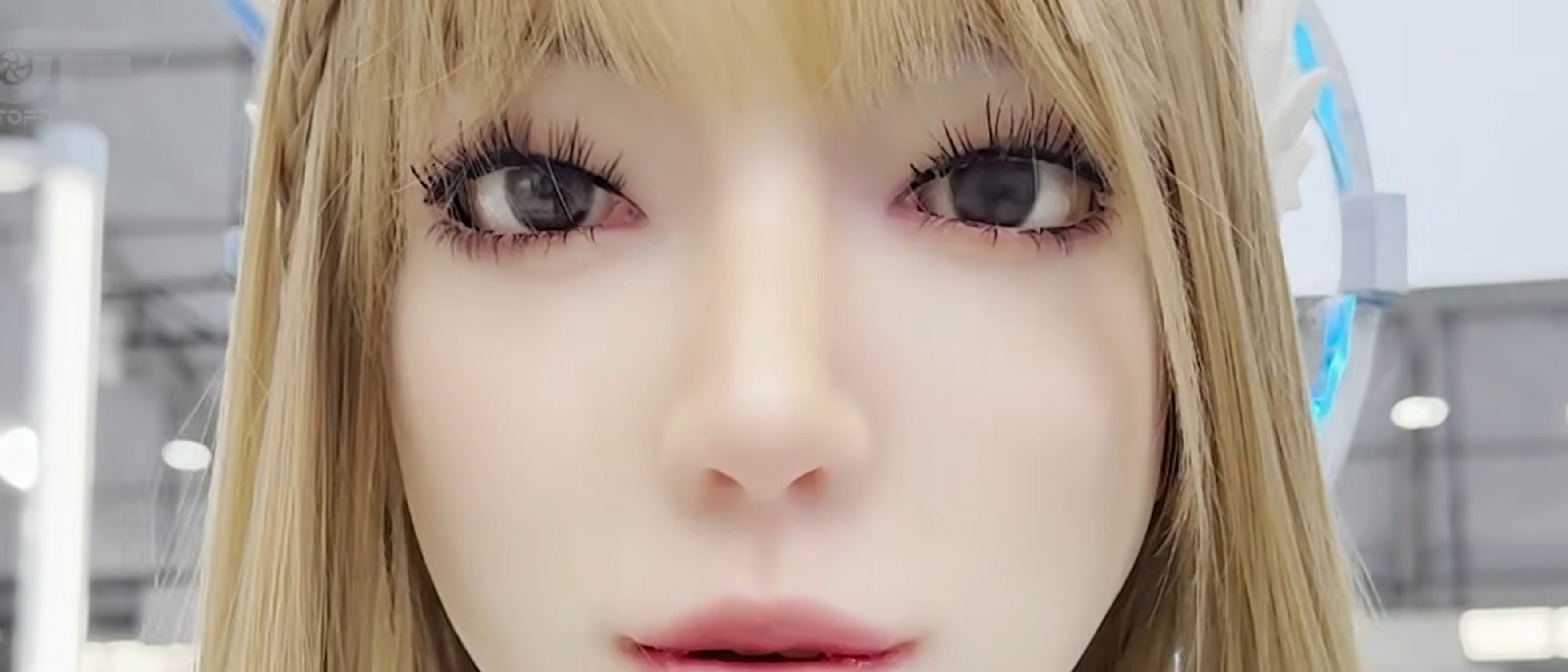
The 2026 Inclusion Conference in Shanghai introduced the Yansyn‑X2, a humanoid robot that can shed a single tear on command. While the ability to cry may seem gimmicky, it represents a pivotal step in affective computing—machines that can recognize, interpret, and respond to human emotions. The goal, as Yanxi Technology’s team clarified, is not to deceive users into believing the robot feels sadness, but to make interactions feel more natural. This subtle shift in human‑robot rapport can dramatically influence user acceptance in service, healthcare, and entertainment sectors.
The concept also touches on the uncanny valley, a psychological phenomenon where entities that are almost human but not quite elicit discomfort. By carefully calibrating the tear‑dispensing mechanism, Yansyn‑X2 navigates this space, offering a controlled emotional cue that can enhance empathy without crossing into unsettling territory. As affective computing matures, such nuanced emotional signals will become standard, redefining how we perceive and trust robotic companions.
Industry Impact and Market Landscape
Yansyn‑X2’s debut signals a broader industry pivot toward emotionally intelligent robots. Several key players are already charting this path:
- LG’s CLOi D – a laundry‑folding robot showcased at CES 2026, emphasizing task automation with minimal human oversight.
- WIRobotics’ Allex – a 6.6‑lb grasping robot that can perform recognizable hand gestures, bridging the gap between manipulation and social signaling.
- Switch Bot’s Onero H1 – a washing‑machine loader that won “best robot in show” at CES 2026, highlighting the growing consumer‑facing robot market.
- Japan Airlines’ Android baggage handlers – deployed at Haneda Airport to offset workforce shortages, illustrating corporate adoption of humanoid assistants.
- 1X’s NEO – a $20,000 home robot that learns household chores but still requires human teleoperation, underscoring the current limits of autonomy.
These products illustrate a spectrum from pure utility to social interaction. Yansyn‑X2 sits at the intersection, offering both functional gestures (head turns, arm gestures) and an emotional cue (tears) that can be leveraged in customer service, eldercare, and education.
The ripple effect extends beyond product lines. Affective computing research, such as the 2023 Frontiers study on robot facial expressions, provides the scientific foundation for these innovations. Companies are now investing in multimodal AI that blends visual, auditory, and physiological cues to create more believable robotic personas. This trend is likely to accelerate as regulatory frameworks for AI ethics evolve, demanding higher transparency in how robots interpret and display emotions.
Technical Deep Dive: Yansyn‑X2’s Three‑Layer System
Yanxi Technology’s Yansyn‑X2 is built on a sophisticated three‑layer architecture that integrates AI, bionic hardware, and microfluidics. Each layer plays a distinct role in producing a realistic tear response.
Layer 1 – AI Algorithm
The AI core processes conversational context and vocal tone to decide when a tear is appropriate. It employs:
- Natural Language Understanding (NLU) to detect sadness or empathy in user speech.
- Sentiment Analysis that weighs prosodic features (pitch, tempo) against lexical cues.
- Rule‑based Decision Engine that triggers the bionic and microfluidic layers only when the emotional threshold is met.
This approach ensures that tears are not arbitrary but contextually grounded, reducing the risk of uncanny valley backlash.
Layer 2 – Bionic Components
Bionic actuators replace traditional servos for facial expression changes. These muscle‑like elements:
- Mimic human muscle contraction to shift the face into a sad expression.
- Operate beneath a medical‑grade silicone skin that replicates human texture and translucency.
- Provide fine‑grained control over eyelid movement and eyebrow positioning, essential for a convincing tear.
Future iterations plan to replace remaining servo motors with bionic muscles, enabling smoother and more varied facial dynamics.
Layer 3 – Microfluidic System
The microfluidic subsystem is responsible for the physical tear:
- Tear Reservoir holds a synthetic fluid that mimics human tears in viscosity and color.
- Micro‑valves open at the corners of the eyes, releasing droplets precisely when the AI signals a tear.
- Controlled Dispensation ensures only a single tear is released, maintaining the illusion of authenticity.
The integration of these layers allows Yansyn‑X2 to respond to conversational cues with a single, well‑timed tear, a feat that required meticulous coordination across hardware and software domains.
Comparative Landscape: Other Humanoid Robots
While Yansyn‑X2 focuses on affective cues, other robots emphasize different capabilities:
| Robot | Developer | Core Function | Notable Feature |
|---|---|---|---|
| CLOi D | LG | Laundry folding | Autonomous sorting |
| Allex | WIRobotics | Object handling | 6.6‑lb payload, hand gestures |
| Onero H1 | Switch Bot | Washing‑machine loading | CES 2026 “best robot” |
| Tiangong Ultra | Unknown | Sprinting | 100‑m dash in 9.39 s |
| Japan Airlines Android | Japan Airlines | Baggage handling | Deployed at Haneda Airport |
| NEO | 1X | Household chores | Requires human teleoperation |
Yansyn‑X2’s unique selling point is its emotional expressiveness, a feature absent in the other models. This differentiation could position it favorably in sectors where human‑like interaction is critical, such as eldercare or customer service.
Future Outlook and Ethical Considerations
The introduction of tear‑dispensing robots raises several forward‑looking questions:
- Scalability of Affective Computing: Will future robots be able to display a broader range of emotions beyond sadness? The current architecture suggests a modular approach that could be expanded to include joy, surprise, or anger.
- User Trust and Transparency: As robots become more emotionally expressive, users will demand clear disclosures about the artificial nature of these cues. Ethical guidelines may need to evolve to prevent manipulation.
- Regulatory Landscape: Governments are beginning to draft AI ethics frameworks that cover affective computing. Compliance will likely require rigorous testing and certification, especially for robots operating in public spaces.
- Security Implications: Emotional cues could be exploited for social engineering. The inclusion of robust security measures—akin to those highlighted in the Mac Antivirus Intego One article—will be essential to safeguard user data and prevent malicious manipulation.
The convergence of affective computing with advanced robotics promises to reshape human‑robot interaction. Yansyn‑X2’s tear‑dispensing capability is a tangible milestone, but the journey toward fully empathetic machines will require continued interdisciplinary collaboration across AI, biomechanics, and ethics.
FAQ
Q: Does Yansyn‑X2 actually feel sadness?
A: No. The tear is a programmed response triggered by AI analysis of conversational context. The robot’s goal is to simulate empathy, not to experience emotions.
Q: How many tears can Yansyn‑X2 produce?
A: The current model is designed to dispense a single tear per command. Future versions may support multiple tears or varied expressions.
Q: Is the tear fluid safe for humans?
A: Yes. The fluid is synthetic, non‑allergenic, and designed to match the viscosity of human tears. It is harmless to skin and eyes.
Q: Can Yansyn‑X2 walk?
A: The current version is static. Planned upgrades include bionic muscle‑powered locomotion, but no walking capability is available yet.
Q: How does this technology relate to AI security concerns?
A: The integration of affective cues introduces new vectors for social engineering. Robust security protocols, similar to those discussed in the Mac Antivirus Intego One article, are essential to mitigate risks.
Q: Where can I see Yansyn‑X2 in action?
A: The robot was unveiled at the 2026 Inclusion Conference in Shanghai. Live demonstrations may be available through Yanxi Technology’s official channels.
Q: Are there other robots that can cry?
A: No other commercial humanoid robot currently offers a tear‑dispensing feature. Some research prototypes exist, but Yansyn‑X2 is the first to bring it to market.
Q: What industries will benefit most from affective robots?
A: Healthcare (eldercare, therapy), hospitality, education, and customer service are prime candidates for emotionally intelligent robots that can build rapport with users.
Q: Will Yansyn‑X2 replace human workers?
A: While it can perform certain tasks, its primary role is to augment human interactions, not replace them. The robot’s emotional cues are designed to complement human staff rather than supplant them.
Q: How does this relate to AI debloating concerns?
A: The move toward affective computing echoes discussions in the article about AI debloating Android TVs, highlighting the broader industry focus on balancing AI capabilities with user trust and transparency.
Source: Original Article