
The Competitive Landscape After the MacBook Neo Launch
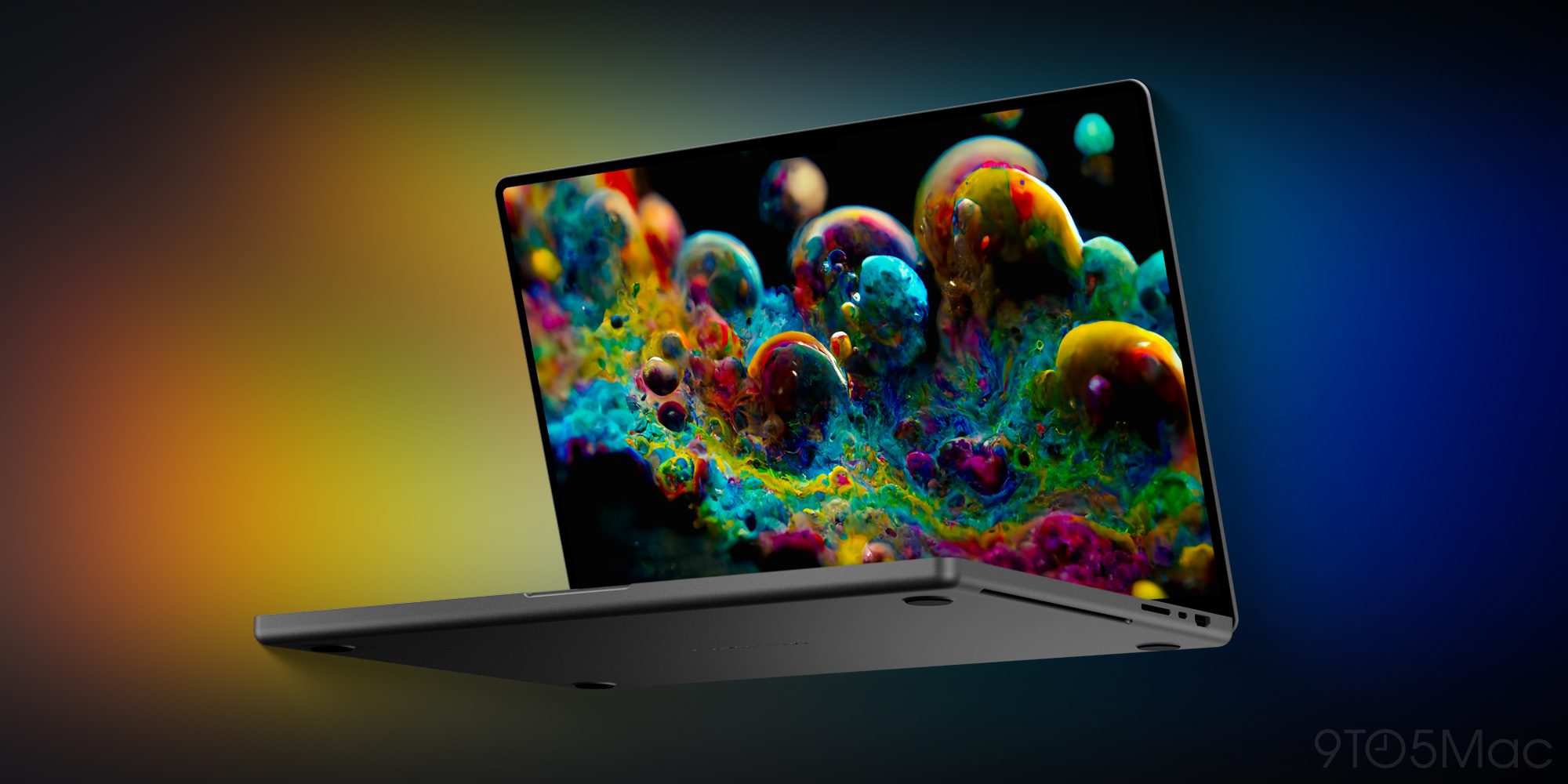
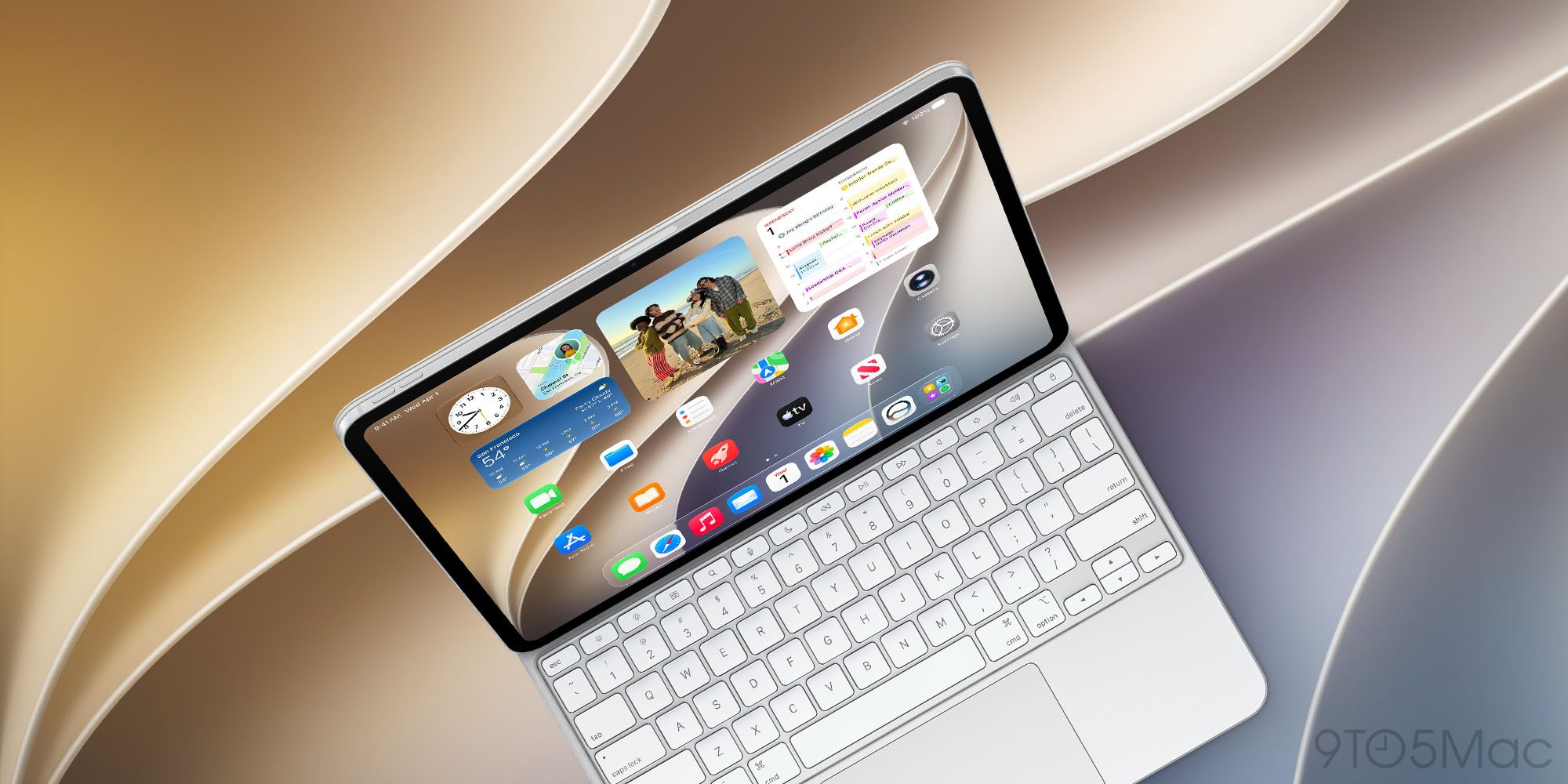
Apple’s surprise introduction of the MacBook Neo earlier this year sent ripples through the PC market. The device combined a sleek chassis, a custom‑tuned M‑series chip, and a high‑refresh‑rate mini‑LED panel—all at a price that undercut many premium Windows notebooks. Industry analysts described the launch as “flat‑footed” for the broader PC ecosystem, forcing OEMs to rethink pricing, design, and feature sets.
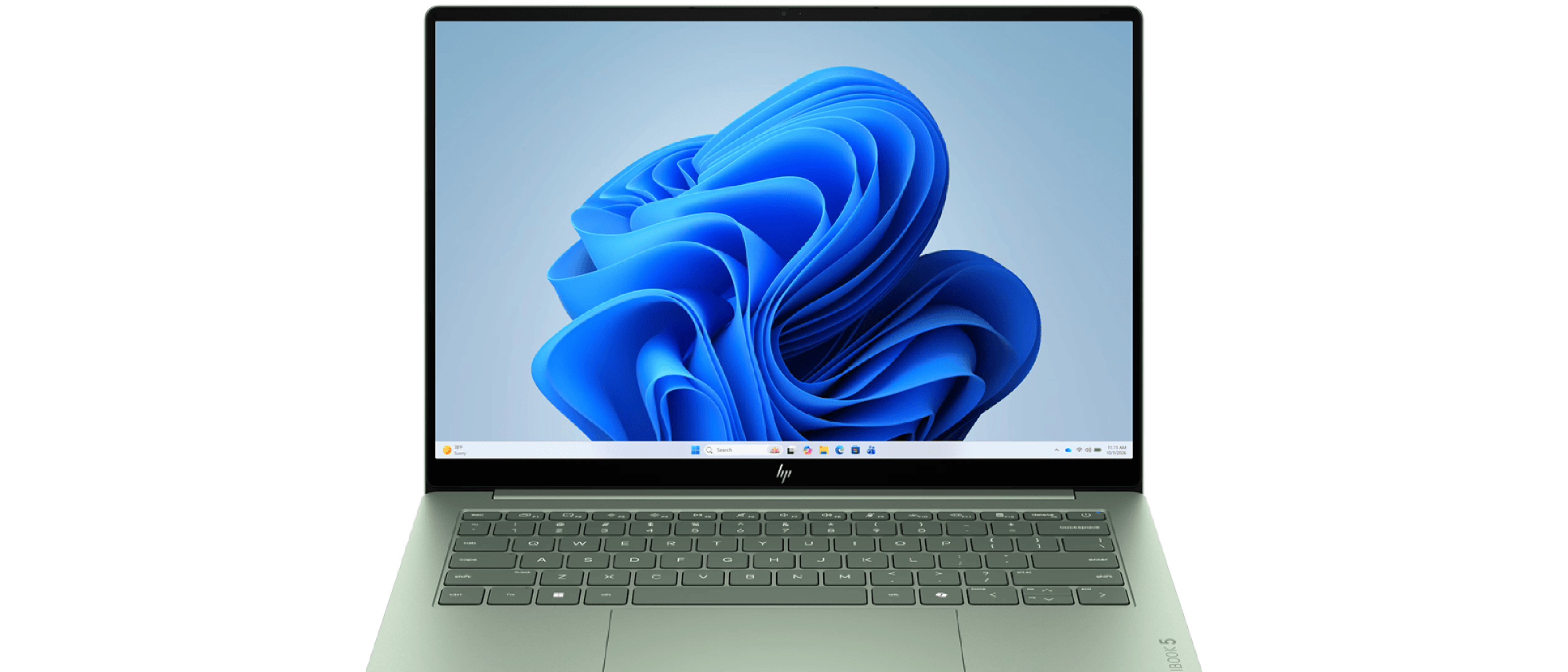
HP’s response arrives as a direct counter‑move: an unnamed Windows‑based laptop equipped with an OLED display and a starting price of $699. While the headline price mirrors Apple’s entry point, HP’s messaging makes it clear that “plenty of strings attached” accompany the bargain. The competition is no longer purely about raw performance; it now hinges on display technology, ecosystem integration, and the economics of component sourcing.
Why HP’s $699 OLED Laptop Matters
Democratizing Premium Displays
OLED panels have traditionally been reserved for flagship devices—high‑end smartphones, premium ultrabooks, and niche gaming rigs. Their advantages—true blacks, infinite contrast ratios, and fast pixel response—translate into a markedly better visual experience for content creators, gamers, and everyday users alike. By pricing an OLED‑equipped laptop at $699, HP is effectively lowering the barrier to entry for a technology that was once a premium add‑on.
Shifting Consumer Expectations
Consumers who have experienced OLED on phones or tablets now expect similar quality on their primary productivity machines. HP’s move forces competitors to either adopt OLED at comparable price points or risk being perceived as offering a sub‑par visual experience. This pressure could accelerate the price erosion of OLED panels, making them more accessible across the broader laptop market.
Strategic Positioning Against Apple
Apple’s MacBook Neo leverages its own silicon and a tightly integrated software stack. HP cannot compete on silicon performance alone, but it can differentiate through display quality and price elasticity. By matching the $699 price, HP signals confidence that the OLED advantage will be enough to sway price‑sensitive buyers who still prefer Windows for compatibility or enterprise reasons.
Technical Breakdown of the OLED Offering
While HP has kept the product name under wraps, the specifications that have been disclosed allow for a granular analysis.
Display Architecture
- Panel Type: 13.3‑inch OLED, 300 nits typical brightness, 1000 nits peak.
- Resolution: 1920 × 1080 (Full HD) with a 16:9 aspect ratio.
- Color Gamut: 100 % DCI‑P3, covering the same range as the MacBook Neo’s mini‑LED.
- Refresh Rate: 120 Hz, providing smoother scrolling and reduced motion blur for gaming and video editing.
The combination of a 120 Hz refresh rate and OLED’s instant pixel response yields a perceived latency reduction that rivals many dedicated gaming laptops. However, the panel’s peak brightness of 1000 nits, while respectable, may still fall short of the MacBook Neo’s mini‑LED peak of 1500 nits in bright ambient conditions.
Processor and Memory
HP has not disclosed the exact CPU, but market trends suggest a 13th‑gen Intel Core i5 or an AMD Ryzen 5 7000 series will power the base model. Both options deliver sufficient performance for everyday workloads and moderate content creation. Memory is expected to start at 8 GB LPDDR5, with an upgrade path to 16 GB.
Storage and Connectivity
- SSD: 256 GB NVMe PCIe 4.0, expandable via an M.2 slot.
- Ports: Two USB‑C (Thunderbolt 4), one USB‑A 3.2, HDMI 2.1, and a 3.5 mm audio jack.
- Wireless: Wi‑Fi 6E, Bluetooth 5.3.
These specifications place the laptop squarely in the mid‑range segment, but the OLED panel is the differentiator that pushes it into a premium perception.
Battery Life Considerations
OLED displays are known for power efficiency when displaying darker content, but they can consume more power at high brightness levels. HP’s engineering notes suggest a 7‑hour mixed‑usage battery life, which is modest compared to the MacBook Neo’s advertised 10‑hour endurance. This discrepancy is one of the “strings attached” that buyers must weigh.
Pricing Strategy and the “Strings Attached”
Base Price vs. Configurable Options
The $699 entry price applies to the base configuration: OLED panel, 8 GB RAM, 256 GB SSD, and the aforementioned processor. Upgrading to 16 GB RAM or a larger SSD adds $150‑$200 per increment. A higher‑tier CPU (e.g., i7 or Ryzen 7) pushes the price above $900.
Warranty and Service Packages
HP bundles a standard 1‑year limited warranty with on‑site support. Extended coverage—up to three years, accidental damage protection, and priority service—requires an additional purchase, typically $99‑$149. This mirrors Apple’s approach of selling AppleCare as an add‑on, but the cost ratio is higher relative to the base price.
Software Licensing
The laptop ships with Windows 11 Home. For business users, an upgrade to Windows 11 Pro is offered at $49. Enterprise licensing is not included, meaning large organizations will need to factor in additional software costs.
Supply‑Chain Constraints
Industry insiders note that OLED panel supply remains tight due to high demand from smartphones and premium TVs. HP’s ability to sustain the $699 price point may depend on securing long‑term contracts with panel manufacturers. Any disruption could force HP to either raise prices or limit production volumes.
Industry Impact and Consumer Expectations
Accelerating OLED Adoption
If HP can maintain profitability at the $699 price, other OEMs—Dell, Lenovo, ASUS—will feel compelled to introduce their own OLED models at similar price brackets. This could trigger a price war that benefits consumers but squeezes margins for panel makers.
Re‑Evaluating the Value Proposition of Mini‑LED vs. OLED
Apple’s choice of mini‑LED for the MacBook Neo was partly driven by supply‑chain stability and higher peak brightness. HP’s OLED entry forces a head‑to‑head comparison of contrast, color accuracy, and power consumption. Early reviews will likely focus on real‑world usage scenarios—coding, video playback, and gaming—to determine which technology delivers the best overall experience.
Implications for Enterprise Procurement
Many enterprises standardize on Windows laptops for legacy software compatibility. The introduction of a low‑cost OLED device could shift procurement policies, allowing IT departments to specify higher visual standards without inflating budgets. However, the added cost of extended warranties and potential battery limitations may temper enthusiasm.
Ecosystem Integration
Apple’s ecosystem advantage—seamless handoff between MacBook, iPhone, and iPad—remains a strong selling point. HP’s laptop will need to rely on Microsoft’s ecosystem (OneDrive, Teams, Office 365) and third‑party accessories to stay competitive. The inclusion of Thunderbolt 4 ports helps bridge the gap, enabling fast external GPU (eGPU) connections for users who need extra graphics horsepower.
Future Outlook: What This Means for Laptop Innovation
- Panel Technology Convergence – As OLED prices drop, we may see hybrid panels that combine OLED’s contrast with mini‑LED’s brightness, offering the best of both worlds.
- AI‑Driven Power Management – Both HP and Apple are likely to invest in AI algorithms that dynamically adjust OLED brightness and refresh rates to extend battery life without sacrificing visual fidelity.
- Modular Upgrade Paths – Consumer demand for upgradable components could lead OEMs to design laptops where the OLED panel is a replaceable module, extending device longevity.
- Software Optimization – Windows 11 will receive more native support for OLED features (e.g., HDR, variable refresh rates), narrowing the software advantage Apple currently enjoys.
In summary, HP’s $699 OLED laptop is more than a price‑point battle; it is a strategic catalyst that could reshape the mid‑range laptop market, force faster OLED price reductions, and push both hardware and software ecosystems toward higher visual standards.
Frequently Asked Questions
Q1: Does the $699 price include the OLED panel?
A: Yes. The base model ships with a 13.3‑inch OLED display. Upgrades to larger screens or higher‑resolution panels will increase the price.
Q2: How does battery life compare to the MacBook Neo?
A: HP estimates around 7 hours of mixed usage, whereas Apple advertises up to 10 hours. Real‑world results will depend on brightness settings and workload.
Q3: Can I upgrade the RAM after purchase?
A: The laptop uses soldered LPDDR5 memory, so RAM upgrades are not possible post‑purchase. Choose the desired configuration at the time of ordering.
Q4: Is the laptop eligible for Microsoft Surface Pen or other stylus input?
A: The device does not include a built‑in digitizer layer, so stylus support is limited to external USB‑C stylus solutions.
Q5: Will HP offer a Linux pre‑install option?
A: As of the announcement, HP has
Q5: Will HP offer a Linux pre‑install option?
As of the announcement, HP has not confirmed a Linux‑pre‑installed variant for this model. However, the hardware is fully compatible with most major distributions (Ubuntu, Fedora, Pop!_OS). Early adopters have reported that the OLED panel works out‑of‑the‑box under Linux, though some users may need to tweak power‑management settings to achieve optimal battery life.
Q6: What is the expected weight and thickness?
HP targets a lightweight chassis comparable to the MacBook Neo: approximately 1.25 kg (2.75 lb) and 15 mm thick at its thickest point. The use of an aluminum‑reinforced polymer frame helps keep the weight down while providing the rigidity needed for an OLED panel.
Q7: Does the laptop support external GPUs?
Yes. With Thunderbolt 4 connectivity, users can attach an eGPU enclosure for additional graphics horsepower. This is particularly useful for creators who need more CUDA or RDNA cores for rendering or for gamers who want to push higher frame rates on the 120 Hz OLED screen.
Q8: How does the webcam perform on an OLED display?
The device includes a 1080p IR webcam with Windows Hello facial recognition. While the OLED screen does not directly affect webcam quality, HP has integrated a privacy shutter that can be manually closed when the camera is not in use.
Q9: Are there any known OLED‑related drawbacks?
OLED panels can suffer from burn‑in if static UI elements (e.g., taskbars, navigation bars) remain on screen for extended periods at high brightness. HP mitigates this with pixel‑shift algorithms and automatic brightness scaling, but users should still be mindful of long‑term static content.
Q10: What is the expected release date and availability?
HP plans a global rollout beginning in early Q1 2027, with pre‑orders opening in late December 2026. Initial shipments will focus on North America and Europe, followed by Asia‑Pacific markets in the spring.
Conclusion
HP’s decision to launch a $699 OLED‑equipped laptop marks a decisive shift in the mid‑range notebook arena. By marrying a premium display technology with an aggressive price point, HP forces the industry to confront a new reality: high‑quality visuals are no longer exclusive to flagship devices.
The move also underscores the trade‑offs inherent in cost‑driven innovation. While the OLED panel delivers superior contrast and a fluid 120 Hz experience, compromises appear in battery endurance, upgrade flexibility, and the need for optional warranty extensions. For consumers, the key question becomes whether the visual uplift outweighs these limitations—especially when compared to Apple’s MacBook Neo, which leans on its own silicon and a brighter mini‑LED panel.
If HP can sustain the $699 price without sacrificing build quality or supply‑chain reliability, the ripple effect will likely push competitors like Dell, Lenovo, and ASUS to re‑evaluate their display strategies, potentially accelerating a broader market transition toward OLED. Conversely, any supply bottlenecks or cost overruns could see the price creep upward, reaffirming the premium status of OLED for the near term.
Ultimately, HP’s offering is a strategic gamble: it bets that consumers will prioritize the immersive, true‑black experience of OLED enough to accept modest compromises elsewhere. Early adopters and reviewers will soon reveal whether that gamble pays off, but one thing is clear—the laptop landscape will never look the same once OLED becomes a baseline expectation rather than a luxury add‑on.
Source: Original Article