





Why It Matters: Privacy in the Age of Short‑Term Rentals
The rapid growth of platforms such as Airbnb and Vrbo has turned millions of private homes into temporary hotels. While the convenience is undeniable, a parallel surge in privacy violations has emerged. A 2024 CNN investigation revealed that Airbnb processed 35,000 support tickets related to “surveillance devices” over the past decade. Even though the company reports that less than 0.1 % of listings generate safety complaints, a recent poll shows 51 % of travelers still distrust short‑term rentals.
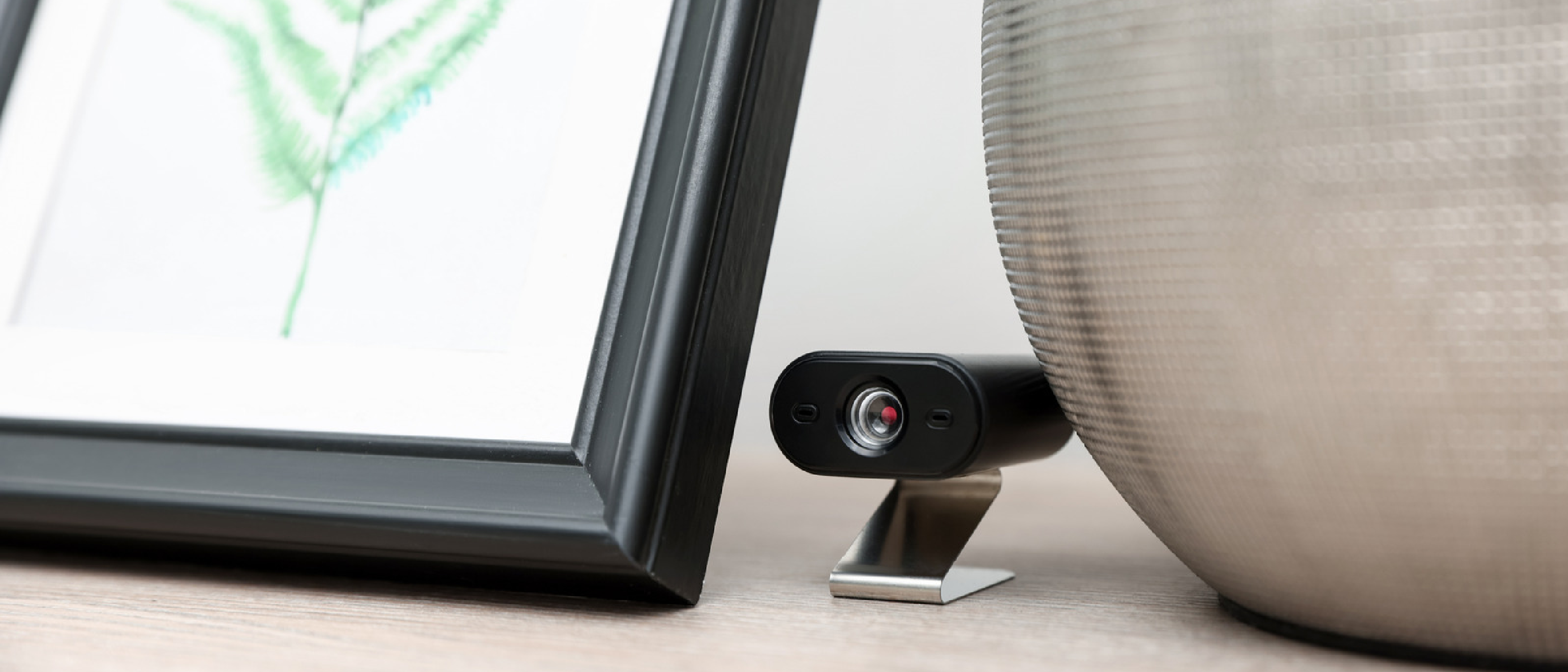
Hidden cameras can capture intimate moments, record conversations, or even be used for blackmail. The threat is not limited to high‑end espionage; inexpensive Wi‑Fi cameras can be concealed in everyday objects—smoke detectors, air purifiers, or even decorative lamps. When a guest discovers a covert lens, the damage to the host’s reputation and the platform’s brand can be irreversible.
Understanding how to detect these devices with tools already in your pocket is therefore a critical skill for any traveler who values personal security.
Technical Breakdown of Detection Methods
1. Flashlight Sweep Method
The simplest, low‑tech approach relies on the reflective properties of camera lenses.
- Preparation: Close all curtains, turn off ambient lighting, and grab a bright LED flashlight (the phone’s own torch works well).
- Execution: Slowly sweep the beam across walls, ceilings, and objects. Look for tiny glints—often a faint white or purple sparkle—that indicate a lens surface.
- Common Hiding Spots:
- Smoke detectors and carbon‑monoxide alarms
- Air purifiers or humidifiers
- Television frames and speaker grills
- Shower heads, bathroom mirrors, and bedside lamps
Mirror Check
Two‑way mirrors are a classic concealment technique. Shine the flashlight at a mirror; a true mirror reflects light directly, while a two‑way mirror lets some light pass through, creating a faint glow on the opposite side. An alternative “finger test” involves placing a fingertip on the glass—if a gap appears between the finger and its reflection, the surface is a regular mirror; if they appear to touch, you may be looking at a two‑way mirror.
2. Phone Camera for Infrared (IR) Detection
Most consumer‑grade night‑vision cameras use infrared LEDs that are invisible to the naked eye but appear as purple or white specks on a digital camera sensor.
- Verification: Point your phone’s camera at a TV remote and press any button. The remote’s IR emitter will flash on the screen, confirming that your camera can capture IR.
- Scanning: Use both the rear and front (selfie) cameras to sweep the room. The front camera often has a wider field of view, useful for scanning ceilings and high fixtures.
3. Wi‑Fi Network Scanning
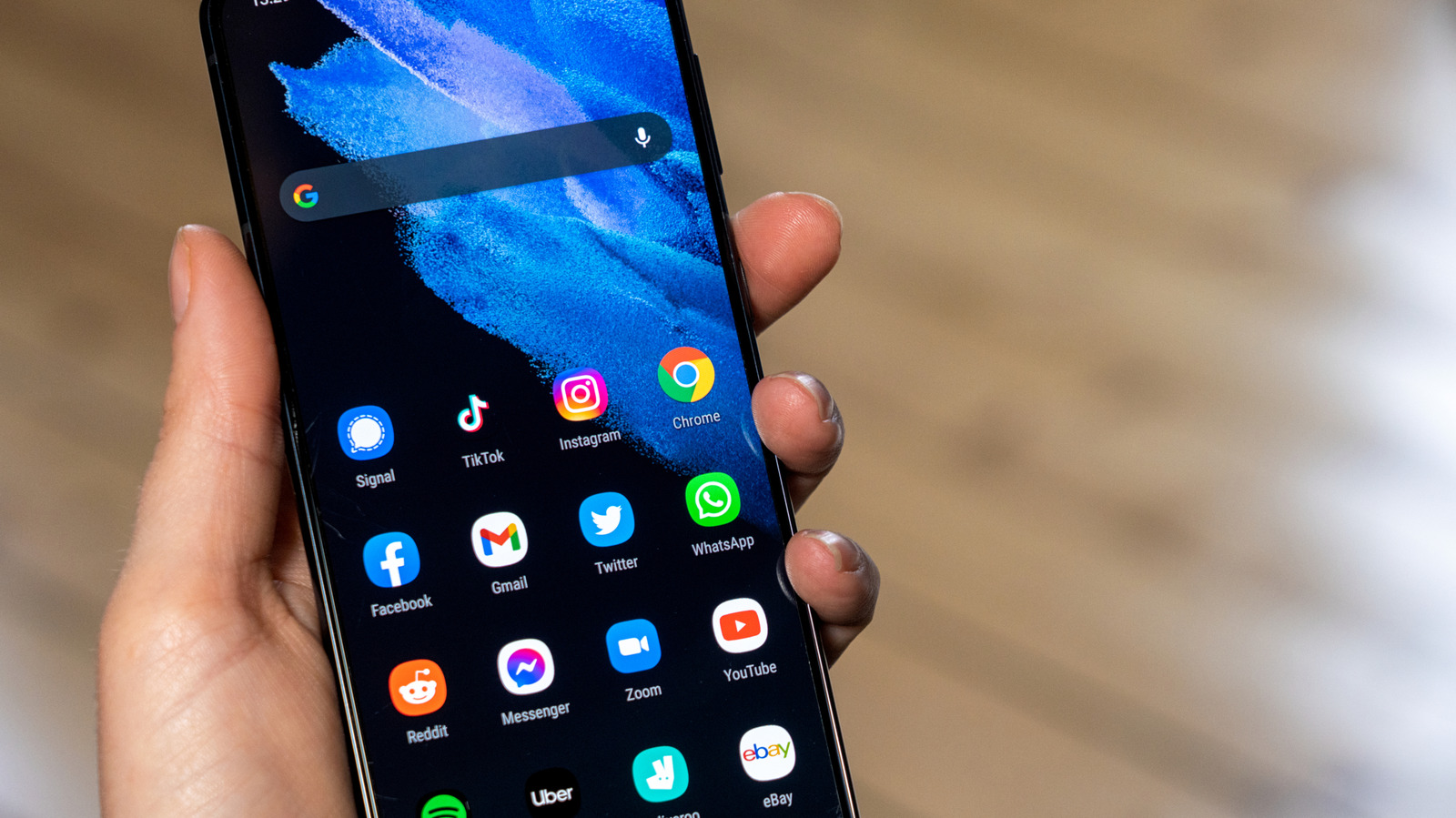
Hidden cameras that stream live video typically connect to a local Wi‑Fi network. Several free Android and iOS apps can enumerate devices on the same network:
| App | Core Functionality |
|---|---|
| Fing | Lists MAC addresses, device manufacturers, and can label unknown devices. |
| Net Analyzer | Shows IP allocation, open ports, and can ping devices to verify activity. |
| Wi Fiman | Provides signal strength graphs and can detect hidden SSIDs. |
When scanning, look for device names containing “cam,” “camera,” or brand identifiers such as Wyze, Blink, or TP‑Link. Keep in mind that legitimate devices—smart TVs, printers, or voice assistants—may also appear with similar identifiers, so cross‑reference with the property’s inventory.
4. Bluetooth Scanning
Many modern cameras expose a Bluetooth Low Energy (BLE) beacon for initial setup. Open your phone’s Bluetooth settings and look for unfamiliar devices. No extra app is required, but a BLE scanner app can provide more detail on device UUIDs.
5. Limitations to Consider
- Local Storage Cameras: Some devices record to microSD cards and never join the Wi‑Fi network, making digital scans ineffective.
- Separate Networks: A savvy host may isolate cameras on a hidden SSID that your phone cannot see.
- False Positives: Smart speakers, thermostats, and even some LED light strips can be misidentified as cameras.
Combining physical inspection (flashlight sweep) with digital scans (IR detection, Wi‑Fi/Bluetooth) yields the highest probability of uncovering hidden lenses.
Platform Policies & Legal Landscape
Airbnb’s Stance
Airbnb explicitly bans indoor cameras, even if they are turned off. When a guest reports a surveillance device, the platform removes the host permanently and issues a full refund. However, the CNN report highlighted a gap: Airbnb does not mandate that hosts involve law enforcement, leaving the burden on the guest to pursue criminal action.
Vrbo’s Approach
Vrbo mirrors Airbnb’s policy, prohibiting any recording device in a rental. The company advises guests to report incidents immediately and promises refunds. Vrbo’s terms also note that hosts may be liable for civil damages if privacy is violated.
Legal Implications
In many jurisdictions, installing a hidden camera in a private space without consent is a felony. Travelers should document any discovered device—photograph it, note its location, and preserve the evidence before contacting local authorities. Prompt reporting to the platform also helps protect future guests.
Future Outlook: Emerging Counter‑Surveillance Tools
The cat‑and‑mouse game between covert camera manufacturers and detection technologies is evolving. Recent security research on video‑conferencing platforms—such as the Zoom Annotation Flaw (see Zoom Annotation Flaw Patched After AI‑Prompt Exploit ) and the Zoom Zero‑Day Exploit (read more at Zoom Zero‑Day Exploit: Remote Takeover of iPhone & Mac )—demonstrates how quickly attackers can repurpose consumer hardware for surveillance.
Artificial‑intelligence‑driven detection is on the horizon. Mobile apps could soon analyze video streams in real time, flagging anomalous IR patterns or lens reflections automatically. Meanwhile, platforms like YouTube are tightening content policies to curb “AI slop” and deep‑fake misuse, a trend that indirectly pressures hardware makers to embed stronger privacy safeguards ( YouTube Fights AI Slop with New Monetization Rules ).
Travelers can expect future smartphones to ship with dedicated “privacy‑scan” modes—hardware‑level IR filters and built‑in network sniffers that run without third‑party apps. Until such native solutions become mainstream, the multi‑method approach described here remains the most reliable defense.
Best Practices for Travelers
Pre‑Arrival Research
- Read recent reviews for mentions of privacy concerns.
- Verify that the host lists all electronic devices in the property description.
On‑Site Inspection
- Perform the flashlight sweep within the first five minutes of entry.
- Run the IR camera test before unpacking personal items.
Digital Scan
- Connect to the property’s Wi‑Fi (or use your mobile data and scan the local network).
- Run Fing or Net Analyzer, note any unknown MAC addresses, and cross‑check with the host’s inventory.
Documentation & Reporting
- Take timestamped photos of any suspicious device.
- Contact local police if the device appears to be actively recording.
- Report to Airbnb or Vrbo through their official support channels, providing the evidence.
Post‑Stay Follow‑Up
- Leave a factual review warning future guests.
- If the platform does not act promptly, consider filing a complaint with consumer protection agencies.
Frequently Asked Questions
Q1: Can a hidden camera be detected if it’s powered by a battery and not connected to Wi‑Fi? A: Yes, the flashlight and IR methods can still reveal the lens. However, digital scans will not pick up battery‑only devices.
Q2: Do Bluetooth scanners work on iOS without third‑party apps? A: iOS shows only paired devices in the Bluetooth settings. A BLE scanner app (e.g., LightBlue) provides a full view of nearby beacons.
Q3: What if the camera is inside a decorative object that looks normal? A: Focus the flashlight on any object with a clear front surface—glass, plastic, or metal. Lens reflections are most visible at a shallow angle.
Q4: Are there legal repercussions for tampering with a discovered camera? A: Touching the device could be considered evidence tampering. It’s safer to photograph it and leave it untouched until authorities arrive.
Q5: How often do platforms actually enforce their camera bans? A: Enforcement varies. Airbnb reports a removal rate of under 0.1 % for safety complaints, but the sheer volume of listings means many violations go unnoticed without guest reports.
By combining low‑tech visual inspection with modern smartphone‑based scanning, travelers can reclaim control over their privacy in an increasingly surveilled world. Stay vigilant, use the tools at hand, and hold platforms accountable—your peace of mind is worth the extra few minutes of preparation.
Source: Original Article