




What Are White‑Label Gadgets?
White‑label gadgets are products that originate from a single manufacturing facility but are marketed under a multitude of brand names. The practice is perfectly legal and often used by companies that lack in‑house design expertise or want to expand quickly into a new category. In the consumer electronics world, the phenomenon is especially visible in low‑cost wearables, smart rings, and entry‑level cameras.
Typical examples from the recent market include:
- Ordro UHD‑M5 Gimbal Camera – identical in hardware and image assets to the Agfa Photo Realimove MC3X and Minolta Showtime MN5KG100.
- J‑Style X1 and X6 Smart Rings – re‑branded as Fittr, Qalo, Insix, and even as a Reebok/F50 version sold by The Original Fit Factory.
- Motorola Wearables – produced by licensees after Motorola stopped in‑house production nearly a decade ago; the 2026 Moto Watch is a CE Brands/Vitalist effort.
These cases illustrate the core definition: a single design, a single production line, many brand facades.
Why It Matters to Consumers
The presence of white‑label devices in the marketplace can be a double‑edged sword. On one hand, they enable price‑sensitive shoppers to access technology that would otherwise be out of reach. On the other, the lack of brand accountability often translates into mediocre build quality, sub‑par software support, and a short product lifespan.
“That’s not to say white label tech is bad per se, but it helps to know what you’re buying before you hand your money over.”
Key consumer concerns include:
- Inconsistent Quality – A brand known for premium audio may sell a cheap fitness tracker under its name, leading to mismatched expectations.
- Sparse After‑Sales Support – When a product is manufactured by a third party, warranty and firmware updates can be fragmented or nonexistent.
- Security Risks – Low‑cost wearables often ship with outdated Bluetooth stacks or insecure firmware, a point highlighted in security‑focused coverage such as the Mac Antivirus Intego One article ( https://ltdeveloperblogs.github.io/posts/your-mac-isnt-immune-to-viruses-surveillance-tools-intego-one-is-here-to-help ).
Understanding these risks empowers shoppers to avoid “zombie brands” like the revived Kodak line, which frequently licenses its name to cheap, generic devices.
Technical Red Flags and How to Spot Them
Identifying a white‑label gadget requires a mix of visual inspection, specification comparison, and online sleuthing. Below are concrete steps you can take before clicking “Add to Cart”.
1. Image and Spec Duplication
- Identical Product Photos – Search the main image on Google Images. If the same picture appears on listings for Sony, Samsung, and a lesser‑known brand, it’s a strong indicator of a shared source.
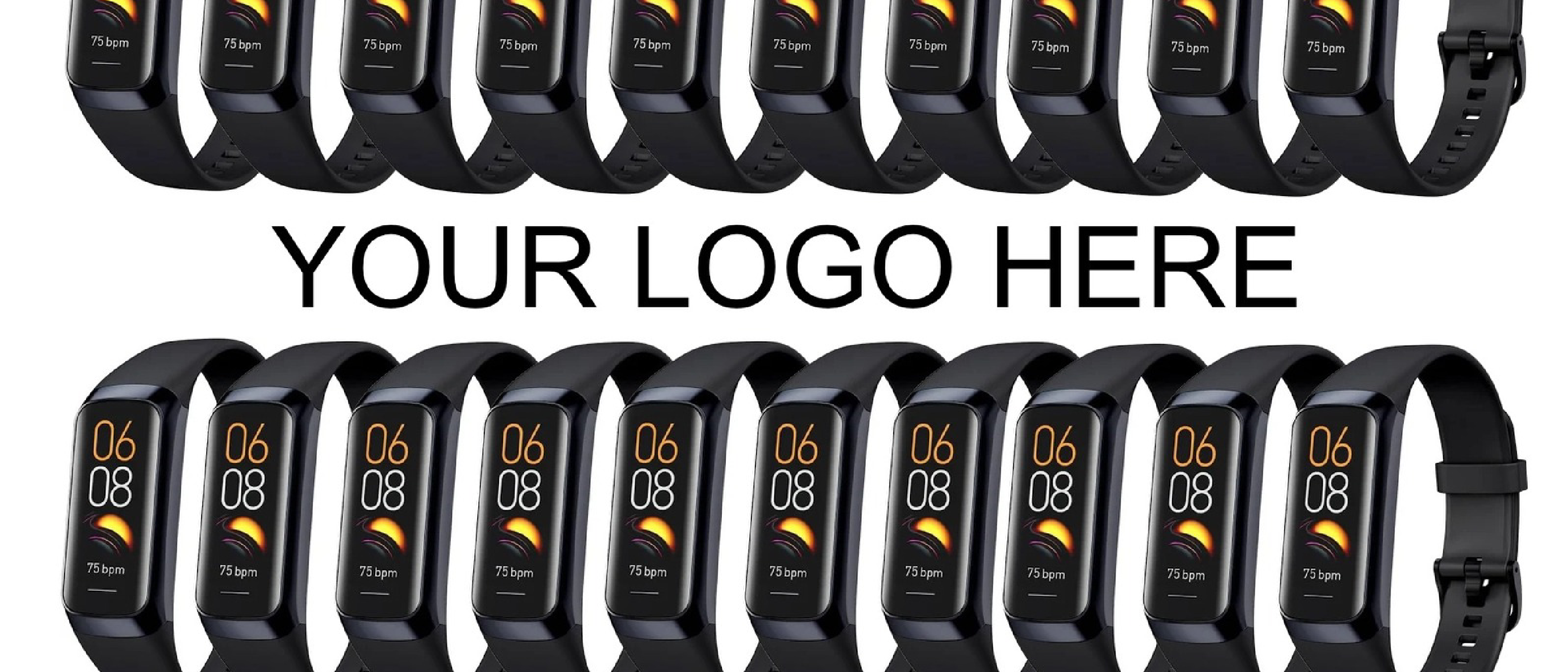
- Matching Technical Sheets – Compare sensor specs, screen sizes, and battery capacities across brands. The low‑end fitness trackers from YJYK, Nhemeylp, Spurkey, Moremore, and Flywin all list a 1.1‑inch AMOLED display and 25 sport modes, using the same “Keep Health” companion app.
2. Absence of Independent Reviews
- Customer‑Only Feedback – If the only reviews are from the seller’s own website or Amazon Q&A, look for third‑party tech sites. A lack of coverage from reputable outlets (e.g., Engadget’s camera guru Steve Dent) suggests the product isn’t distinguished enough to merit separate testing.
3. Brand Inexperience in the Category
- New Market Entrants – Companies that traditionally sell lenses or home appliances suddenly offering smart rings or wearables often rely on white‑label solutions. The Reebok‑branded smart ring sold by The Original Fit Factory is a case in point.
4. Pricing Anomalies
- Suspiciously Low Prices – When a brand known for premium pricing lists a device at a fraction of the typical market cost, it’s worth investigating the supply chain.
Quick Checklist
- Search product images across multiple brand listings.
- Verify that specifications are not generic copy‑pastes.
- Look for at least two independent reviews from tech publications.
- Check the brand’s history in the product category.
- Compare price against industry averages.
Industry Impact and Brand Strategies
White‑label manufacturing reshapes the competitive landscape in several ways.
Democratization of Technology
By leveraging existing factories, startups can launch a smartwatch or smart ring without the massive R&D budget required for a ground‑up design. This accelerates innovation diffusion, especially in emerging markets where price sensitivity is high.
Brand Dilution Risks
Established names that dip into unfamiliar categories risk eroding consumer trust. For instance, Motorola’s reliance on licensees for wearables has led to a fragmented ecosystem where firmware updates are inconsistent, potentially harming the brand’s reputation.
Supply‑Chain Consolidation
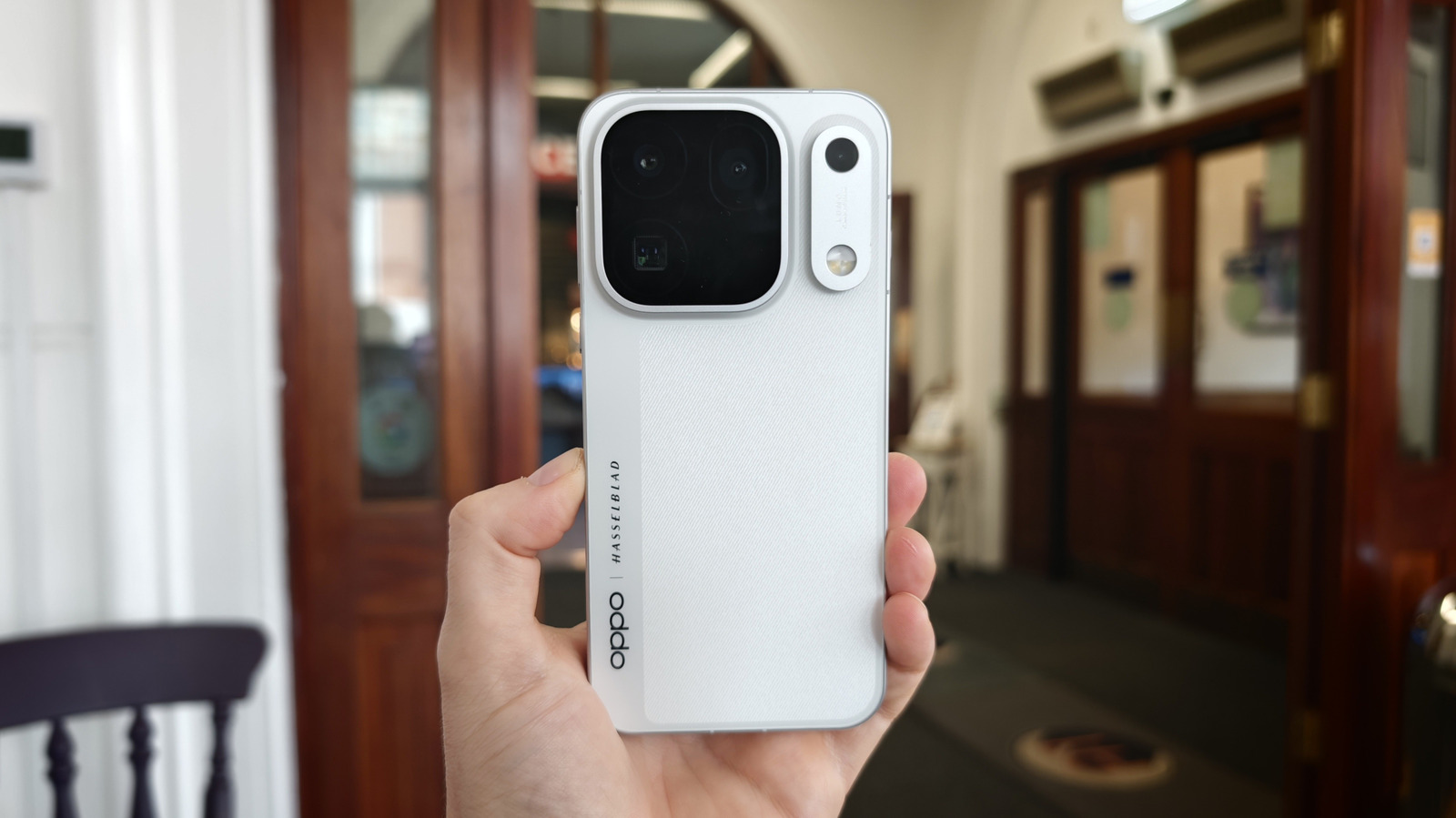
A handful of OEMs in China and Southeast Asia dominate the production of entry‑level wearables. This concentration gives them leverage over pricing and timelines, but also makes the market vulnerable to disruptions—something the hardware community observed with the launch of the Oppo Find X10 Pro Max ( https://ltdeveloperblogs.github.io/posts/oppo-find-x10-pro-max-hands-on-triple-200-megapixel-cameras-but-few-surprises ), where OEM capacity constraints influenced component availability across multiple brands.
Marketing Tactics
Companies often use “zombie brands” like Kodak to lend perceived credibility to cheap gadgets. Licensing agreements allow the brand name to appear on products that have little to do with the original company’s expertise, creating a veneer of legitimacy that can mislead uninformed shoppers.
Future Outlook: Transparency and Regulation
The white‑label model is unlikely to disappear; its efficiency is too valuable. However, several trends could push the industry toward greater transparency.
1. Regulatory Pressure
Consumer protection agencies in the EU and the U.S. are exploring stricter labeling requirements for re‑branded electronics. Mandatory disclosure of the original manufacturer could become a legal requirement, similar to food labeling standards.
2. Blockchain‑Based Provenance
Emerging supply‑chain solutions aim to embed immutable product origin data into a blockchain ledger. If widely adopted, a QR code on the device could instantly reveal the factory, design partners, and firmware version history.
3. AI‑Driven Review Aggregation
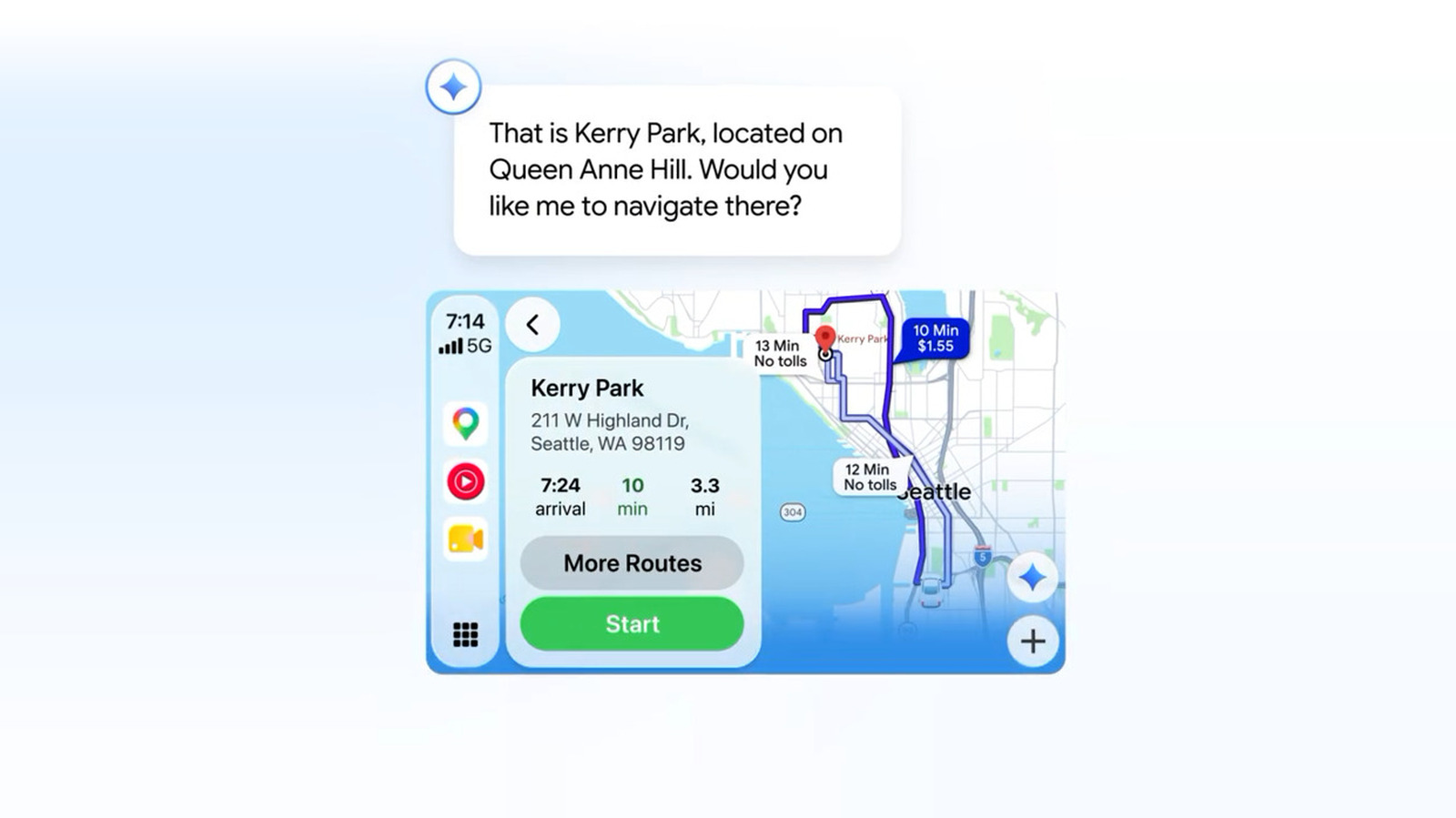
While the article warns against over‑reliance on AI overviews, sophisticated AI tools can cross‑reference thousands of listings to flag duplicate images and specs. The Google Gemini Chat Arrives on Maps via CarPlay piece ( https://ltdeveloperblogs.github.io/posts/now-you-can-chat-with-gemini-while-using-google-maps-through-carplay ) illustrates how AI can be harnessed responsibly to surface hidden connections between products.
4. Consumer Education Campaigns
Brands that invest in clear, technical documentation and third‑party certification will differentiate themselves. As the market matures, we can expect a premium segment of “transparent‑origin” gadgets that command higher prices but deliver verified quality.
Frequently Asked Questions
Q1: Are white‑label gadgets always low quality?
A: Not necessarily. Some manufacturers produce high‑grade hardware that is simply re‑branded. The key is to verify the brand’s track record and support infrastructure.
Q2: How can I tell if a smartwatch is a white‑label product?
A: Compare the device’s specifications, design images, and firmware version with other brands. Identical listings across unrelated brands are a strong clue.
Q3: Does buying a white‑label device void my warranty?
A: Warranty terms are set by the brand selling the product. If the brand has no direct relationship with the OEM, support may be limited or routed through third parties.
Q4: Are there any legal risks in purchasing white‑label gadgets?
A: Generally no, as the practice is legal. However, if a product violates safety standards or contains counterfeit components, the consumer could face safety hazards.
Q5: Will future regulations make white‑label products more transparent?
A: Industry trends suggest that labeling requirements and blockchain provenance solutions could increase transparency, helping consumers make more informed choices.
Conclusion
White‑label gadgets sit at the intersection of cost efficiency and consumer risk. By understanding the manufacturing model, scrutinizing product listings, and staying aware of brand expertise, shoppers can avoid the pitfalls of mediocre re‑branded tech. As regulatory bodies, AI tools, and blockchain solutions evolve, the market is poised to offer clearer provenance and higher accountability. Until then, the mantra “forewarned is forearmed” remains the best defense against unexpected disappointment.
Source: Original Article