
The Hidden Cost of Soiling: Why It Matters
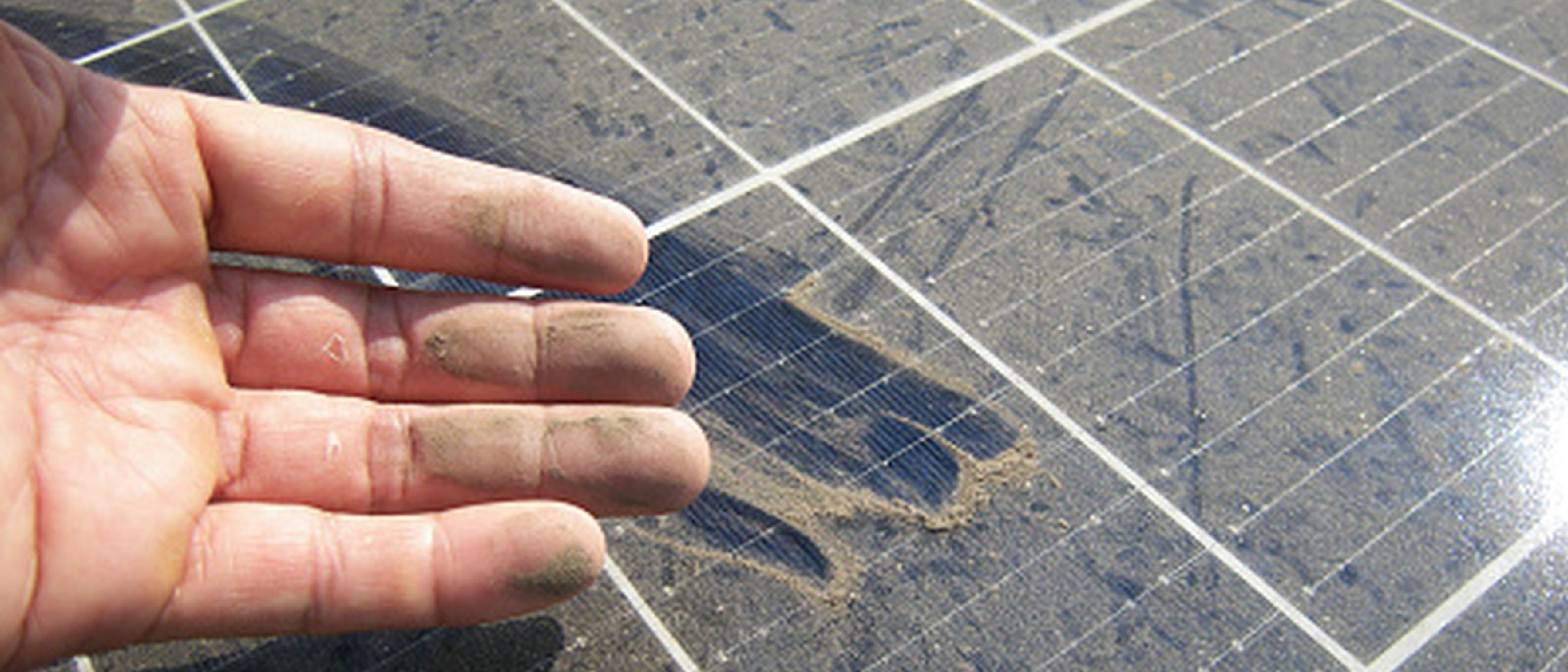
Solar panels convert photons into electricity, but the conversion rate is directly tied to how much light actually reaches the photovoltaic cells. Dust, pollen, bird droppings, and industrial grime form a thin veil that can cut that light flux by 4 % to 7 % on a global scale, according to the IEA Photovoltaic Power Systems Programme. In localized hotspots—think of a rooftop in a dry, windy region—the loss can spike dramatically. The National Renewable Energy Laboratory (NREL) documented a 15 % drop in output during a heavy pollen season in North Carolina, while researchers at UC San Diego measured a 7.4 % efficiency decline after just 145 days without rain or cleaning.
These numbers are not academic curiosities; they translate into real dollars for homeowners and utility operators. A 5 kW residential system that loses 5 % of its output during a drought generates roughly 0.25 kWh less per day, which at today’s average residential rate of $0.13/kWh is a loss of $0.03 per day, or about $20 over a five‑month dry spell. Understanding the magnitude of loss is the first step toward a rational cleaning strategy.
Quantifying the Loss: Data from Labs and Field
| Source | Condition | Reported Loss |
|---|---|---|
| IEA PV Programme | Global average soiling | 4–7 % |
| NREL | Pollen event, NC | Up to 15 % |
| UC San Diego | 145 days dry, no rain | 7.4 % |
| YouTube informal test (3×100 W panels) | Post‑cleaning gain | 2.4 % – 13.4 % |
The spread in these figures reflects three key variables:
- Geography – Desert regions accumulate sand; coastal sites battle salt and sea‑spray corrosion.
- Panel Tilt – Steeper angles shed rain and dust more effectively than flat installations.
- Soiling Type – Fine dust reduces output uniformly, while bird droppings create localized hot spots that can damage cells.
When evaluating a cleaning decision, the most reliable metric is actual production data from the inverter or a monitoring platform. A sudden dip that persists for weeks after a dry spell is a stronger indicator than a visual inspection alone.
When to Clean: Decision Framework and ROI
A simple cost‑benefit model helps answer the “clean or not?” question:
Monthly loss (in $) = (System size kW) × (Average loss %) × (Average sun hours/day) × (30) × (Rate $/kWh)
Payback period (months) = Cleaning cost / Monthly lossExample: A 5 kW system loses $20/month in extra grid electricity (as observed in a real‑world case). Professional cleaning averages $209 (Thumbtack data). Payback = 209 / 20 ≈ 10.5 months. If the loss persists beyond that horizon, cleaning makes financial sense; otherwise, the expense outweighs the benefit.
Guidelines for timing:
- Rainy climates: Natural cleaning may occur weekly; schedule cleaning only after an extended dry spell (>30 days) or after a known pollen event.
- Arid zones: Monitor output weekly; a 2–3 % drop sustained for two weeks justifies a cleaning visit.
- Industrial or agricultural sites: High particulate matter may demand quarterly cleaning regardless of output, to protect anti‑reflective coatings.
Safe Cleaning Practices: DIY vs Professional
DIY Essentials
- Manufacturer’s Manual – Start here. Most OEMs recommend mild, non‑abrasive soap and low‑mineral water. Qcells explicitly warns that harsh chemicals or abrasive pads can void warranties.
- Water Quality – Use distilled or filtered water. Hard water leaves calcium deposits that mimic soiling and can be harder to remove later.
- Temperature Considerations – Clean during early morning or late evening when panel surface temperature is within 10 °C of ambient. Sudden temperature shocks can cause micro‑cracks.
- Tools – Soft microfiber cloths, a long‑handled soft brush, and a squeegee with a plastic blade are sufficient. Avoid pressure washers; the force can chip glass or delaminate the encapsulant.
When to Call Professionals
- Roof Access Issues – Steep roofs, skylights, or fragile structures merit a trained crew with fall‑protection gear.
- Warranty Concerns – If the panel is under a warranty that specifies cleaning by certified technicians, a DIY approach could nullify coverage.
- Large‑Scale Installations – Utility‑scale farms (>50 MWp) benefit from specialized equipment; the cost of a mis‑step far exceeds the price of a professional service.
Professional rates vary widely: Thumbtack reports a national average of $209, ranging from $142 to $310 per visit. For a 10‑kW residential array, the cost per watt cleaned is roughly $0.02, a figure that can be amortized over several years if the site experiences chronic soiling.
Automation on the Horizon: Robotic and Sprinkler Systems
Automation is moving from niche to mainstream, especially for utility‑scale projects where labor costs dominate O&M budgets.
- Timer‑Controlled Sprinklers – Simple, low‑cost rooftop solutions that mist panels with a few milliliters of water during off‑peak hours. Effective in regions with soft water and low dust loads.
- Water‑Free Robots – Brush‑based robots that glide across ground‑mounted arrays, removing debris without water. Ecoppia’s flagship systems target installations of 50 MWp and larger, offering a payback in 2–3 years for dusty sites.
- Hybrid Approaches – Some farms combine periodic water‑free cleaning with occasional light rain‑sprinkling to flush fine particles.
These technologies echo the evolution seen in other hardware domains. For instance, the article “ Why CPU Overclocking Is Becoming a Relic in 2026 ” describes how manual tuning gave way to automated performance management; similarly, solar cleaning is shifting from ad‑hoc manual labor to data‑driven, automated maintenance.
Frequently Asked Questions
Q1: Does rain fully clean solar panels?
No. Light rain can remove loose dust, but studies show residual losses of 5–11 % even after a rain event. Heavy downpours are more effective, yet they still may not restore panels to pristine condition.
Q2: Can I use a pressure washer?
Avoid it. The high pressure can crack tempered glass and strip anti‑reflective coatings, leading to warranty denial per Qcells’ statements.
Q3: How often should I inspect my panels for damage?
Inspect visually at least twice a year and after any severe weather event. Look for cracks, delamination, or discoloration that could indicate cleaning‑related damage.
Q4: Are there tax incentives for cleaning or installing automated systems?
In many jurisdictions, O&M expenses for renewable energy qualify as deductible business expenses. Check local regulations; some regions also offer rebates for water‑free robotic cleaners.
Q5: Will cleaning improve the lifespan of my panels?
Indirectly, yes. Removing corrosive salts and bird droppings reduces the risk of hot spots and chemical degradation, which can extend the effective performance life beyond the typical 25‑year warranty.
Looking Ahead: The Future of Solar Panel Maintenance
The convergence of IoT monitoring, AI‑driven predictive analytics, and robotic cleaning promises a future where panels self‑diagnose and self‑service. Imagine a networked inverter that flags a 3 % output dip, triggers a local robot, and logs the cleaning event—all without homeowner intervention. While such fully autonomous systems are still emerging, the trajectory mirrors other hardware trends highlighted in “ Samsung Devices Still Receiving Updates in 2026 ”, where long‑term support becomes a differentiator.
In the meantime, the pragmatic approach remains a blend of data‑driven monitoring, careful manual cleaning when warranted, and strategic investment in automation for larger installations. By treating panel cleanliness as a performance metric rather than a cosmetic task, owners can safeguard both energy yield and financial returns.
Source: Original Article