





Scale of the Data Center Boom
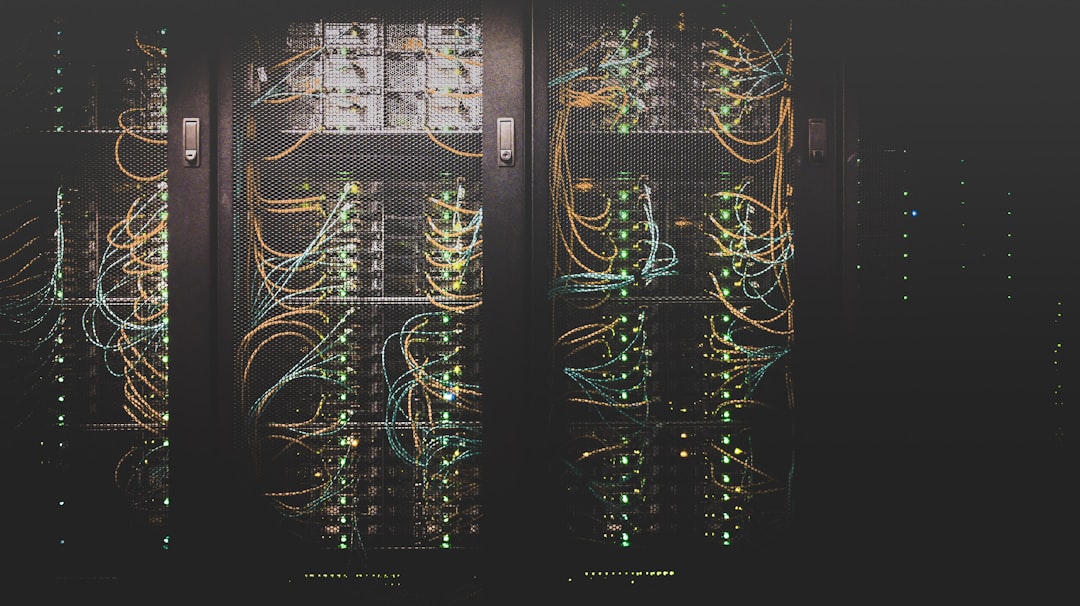
In April 2024, U.S. data‑center construction spending crossed the $50 billion threshold for the first time. The milestone is striking because it outpaced public‑transportation capital projects, a sector traditionally viewed as a public good.
- Key figures:
- $50 B+ spent on new facilities in a single month.
- More than 75 projects—valued at $130 B—were delayed, blocked, or cancelled in Q1 2026, according to Data Center Watch.
- Geographic spread: Projects are popping up in the Southeast (Georgia, Tennessee), the Mountain West (Wyoming), and the Mid‑Atlantic (Virginia).
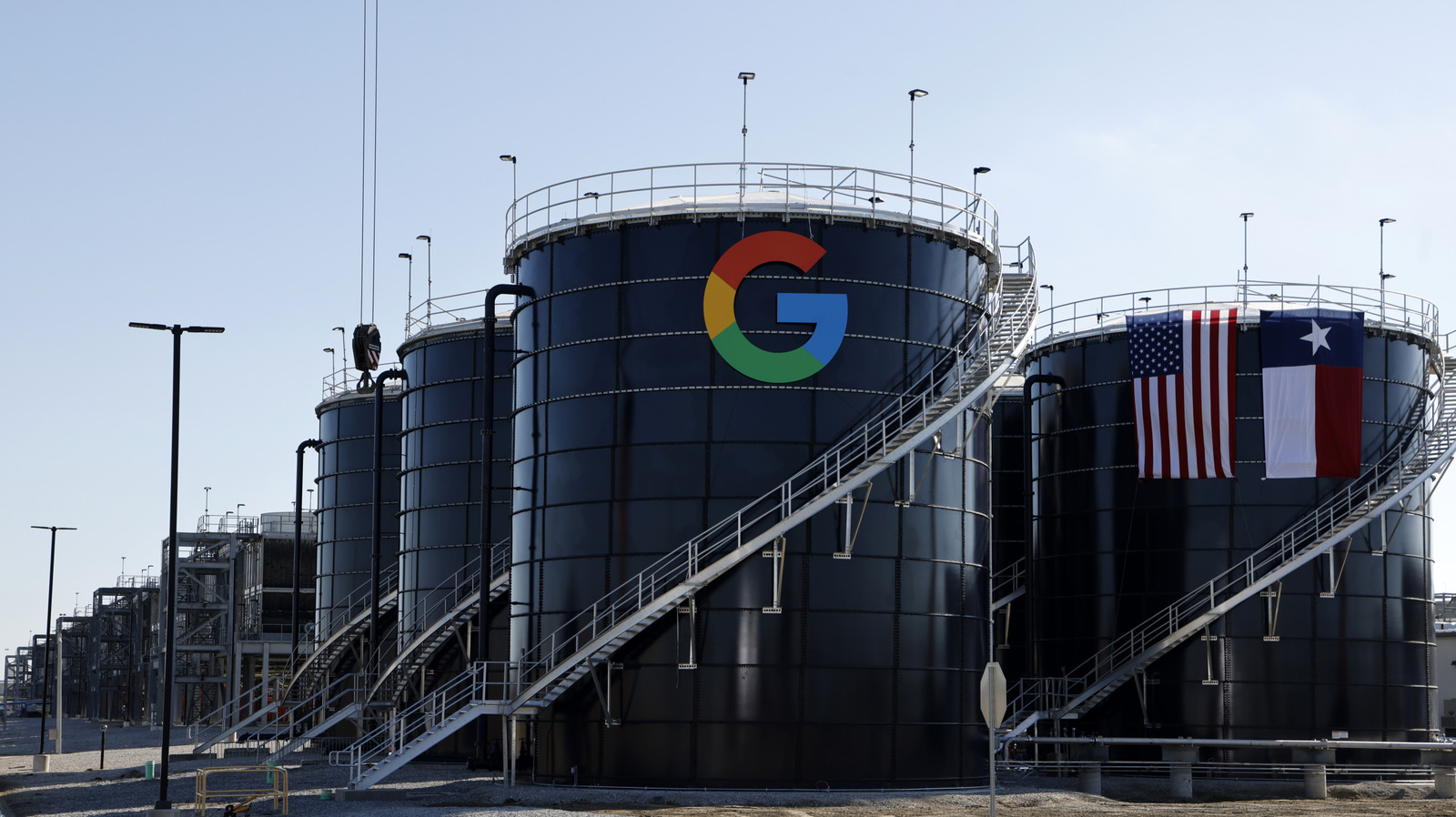
The surge is driven by the relentless demand for cloud compute, AI model training, and edge services. Companies such as xAI (Space XAI), Amazon, Meta, Google, and Oracle are racing to secure power‑intensive sites before competitors. Yet the rapid rollout has collided with a growing public consciousness about the hidden costs of “digital infrastructure.”
Environmental and Health Impacts
Air Pollution
Data centers rely on massive cooling systems and backup generators. The Colossus 2 facility in South Memphis, operated by xAI, houses 27 methane gas turbines—an illegal configuration according to the NAACP lawsuit. Projected emissions exceed 1,700 tons of NOx per year, a potent smog‑forming pollutant. Diesel generators, common across the industry, add particulate matter and sulfur oxides to already stressed urban air baselines.
Noise Pollution
EPA guidelines (1974) set 55 dB as the maximum outdoor noise level for residential zones and 45 dB indoors. Real‑world measurements tell a different story:
- South Memphis (Colossus 2): mid‑50 dB levels that “penetrate homes” (Abre’ Conner, NAACP).
- Manassas, Virginia (Amazon): a 65‑dB hum recorded by residents—well above the EPA ceiling.
Residents report sleep loss, chronic stress, and reduced quality of life. Jason Haley described the sound as “like a form of torture.”
Water Contamination
In Wyoming, a Meta‑contracted construction crew flushed contaminated water into the municipal sewage system, prompting stricter state oversight. Data centers consume millions of gallons of water for evaporative cooling; improper discharge can jeopardize local drinking supplies and aquatic ecosystems.
Community Organizing and Legal Strategies
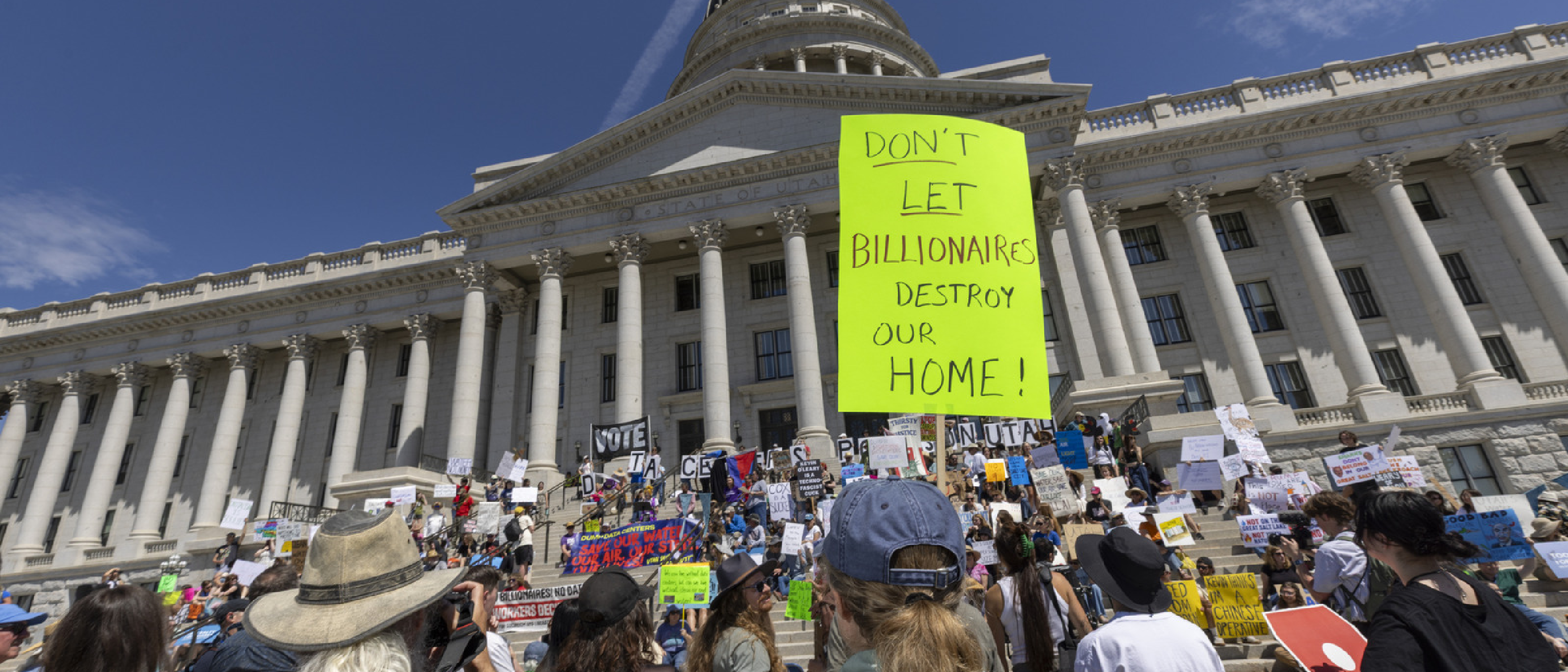
Opposition is no longer an isolated protest; it has become a coordinated, multi‑layered movement.
Pre‑Construction Tactics
- Early coalition building – NGOs (NAACP Center for Environmental and Climate Justice, Earthjustice, SELC) partner with neighborhood groups to create a unified front.
- Zoning reforms – Cities like Birmingham, AL, have enacted special‑use permit requirements and a 6‑month moratorium to force developers into public hearings.
- Freedom of Information requests – The National Freedom of Information Coalition supplies templates that help citizens uncover utility‑grid agreements before a single brick is laid.
Post‑Construction Levers
- Community Benefits Agreements (CBAs) – NAACP provides a template that obligates developers to fund air‑quality monitoring, install noise‑abatement barriers, and publish water‑usage data.
- Compliance audits – Residents use drones, drive‑by inspections, and citizen‑science apps to document violations. In Georgia, SELC’s field team identified 40 unpermitted turbines at a Serverfarm site, prompting a state stop‑work order.
- Litigation – The NAACP‑Earthjustice lawsuit against xAI alleges illegal methane turbine operation and seeks injunctive relief.
These tactics have proven effective: Amazon reduced its Manassas noise output by 10 dB after an 18‑month community pressure campaign.
Industry Response and Corporate Tactics
Tech giants argue that data centers are essential for economic growth, job creation, and national competitiveness. Their playbook includes:
- Delayed transparency – Companies often cite “proprietary information” to withhold details about power contracts or turbine specifications. Amazon, for example, took six weeks to respond to Manassas residents’ inquiries.
- Incremental build‑outs – Facilities are constructed in phases, allowing operators to sidestep full environmental reviews until later stages.
- Public‑relations framing – Firms highlight renewable‑energy purchase agreements while downplaying on‑site diesel backup usage.
The paradox is evident: the same AI workloads that fuel the hype around tools like ChatGPT Enterprise (see Univé’s AI‑ready workforce initiative) rely on the very data‑center infrastructure under fire. YouTube’s recent crackdown on “AI slop” also underscores how content platforms depend on massive compute clusters, linking back to the environmental debate. Even niche AI projects such as Orchid AI—which tackles weaponized incompetence in dating—are powered by the same carbon‑intensive clouds.
Future Outlook: Regulation and Sustainable Design
Emerging Policy Landscape
- State‑level moratoriums – Birmingham’s six‑month pause is being watched by legislators in Tennessee, North Carolina, and Arizona.
- Federal guidance – The EPA is revisiting its 1974 noise standards, considering a modernized metric that accounts for low‑frequency hums typical of turbine‑driven cooling.
- Incentivizing clean energy – The Department of Energy’s “Green Data Center” grant program offers tax credits for facilities that achieve ≥80 % renewable power usage and zero‑emission cooling.
Technological Pathways to Sustainability
- Liquid immersion cooling – Submerging servers in non‑conductive fluids can cut electricity use by up to 40 % and eliminate the need for large‑scale air‑handling fans.
- Modular micro‑data centers – Deploying smaller, edge‑located units reduces transmission losses and can be sited in already industrial zones, mitigating community impact.
- AI‑driven energy optimization – Advanced workload schedulers shift compute to off‑peak hours, aligning with renewable generation curves.
If these innovations are paired with robust community oversight, the industry could transition from a “boom‑or‑bust” model to a socially responsible growth trajectory.
Frequently Asked Questions
Q1: Why are data centers being built faster than public transit projects?
A: Cloud providers compete for bandwidth, power contracts, and tax incentives. The financial return on a data‑center investment can be realized within 5‑7 years, whereas transit projects often have longer horizons and require multi‑agency coordination.
Q2: What legal avenues do residents have against unwanted data centers?
A: Citizens can file zoning challenges, request environmental impact statements, and join or initiate lawsuits based on violations of air‑quality permits, noise ordinances, or water‑use regulations. Organizations like the NAACP and SELC provide pro‑bono legal support.
Q3: Are there any examples of data centers that meet community standards?
A: A handful of facilities in the Pacific Northwest have integrated 100 % renewable power, used natural‑gas‑free cooling, and adhered to EPA noise limits, earning “green‑data‑center” certifications from third‑party auditors.
Q4: How does AI workload growth affect the data‑center debate?
A: AI training runs 10‑100× more compute than typical web services, dramatically increasing power demand. This amplifies the environmental footprint and intensifies community concerns, as highlighted in articles about AI‑ready workforces and YouTube’s AI policy changes.
Q5: What can individuals do right now?
A: Attend local planning meetings, submit FOIA requests for utility agreements, join neighborhood watch groups, and support NGOs that monitor air and water quality near proposed sites.
The clash between digital ambition and local well‑being is reshaping how America builds its invisible backbone. As spending tops $50 billion, the next chapter will be defined not just by megawatts and rack units, but by the strength of community voices, the rigor of new regulations, and the adoption of truly sustainable cooling and power technologies.
Source: Original Article