
Overview of the Home View 27.2.1 Update
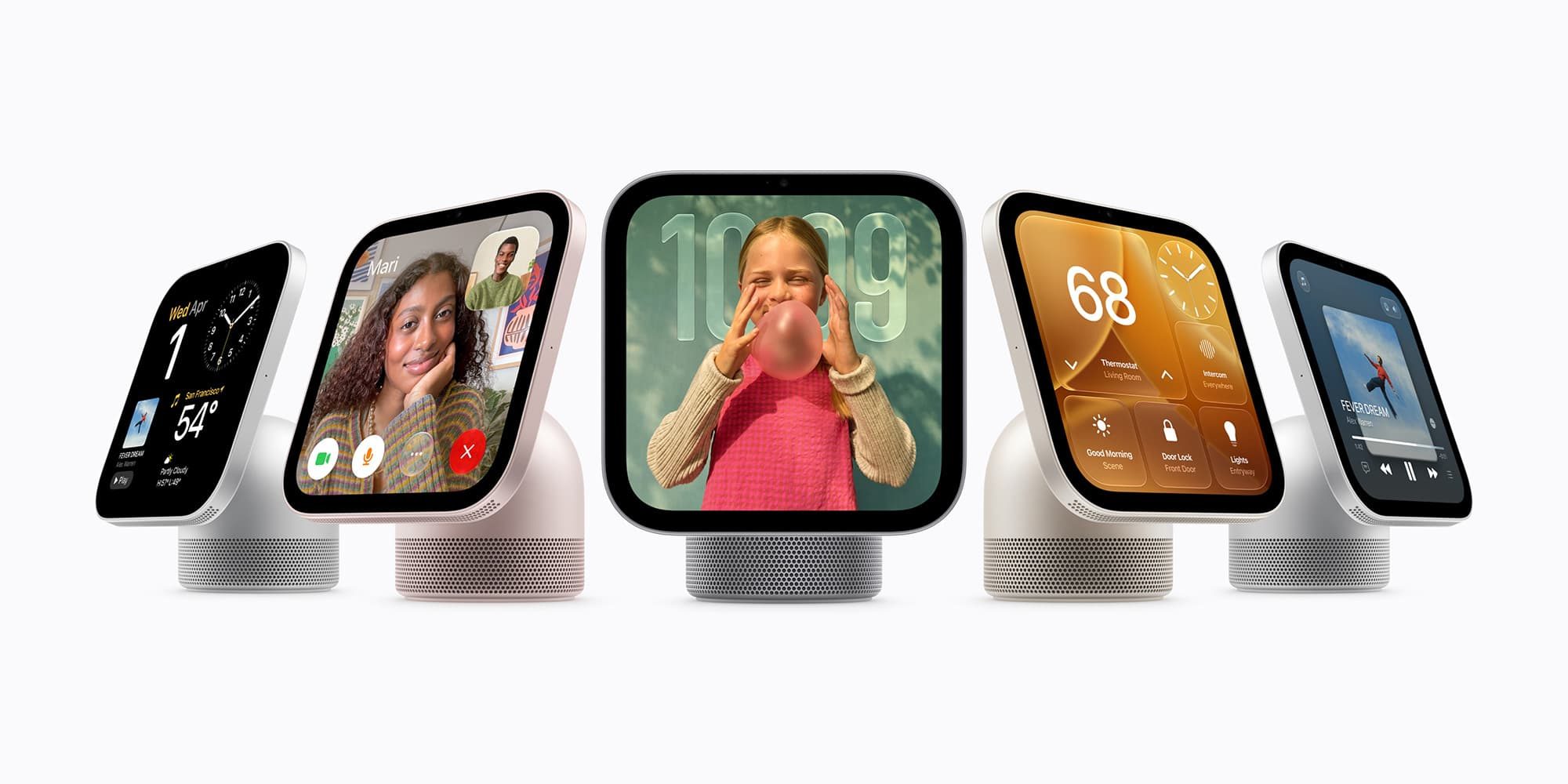
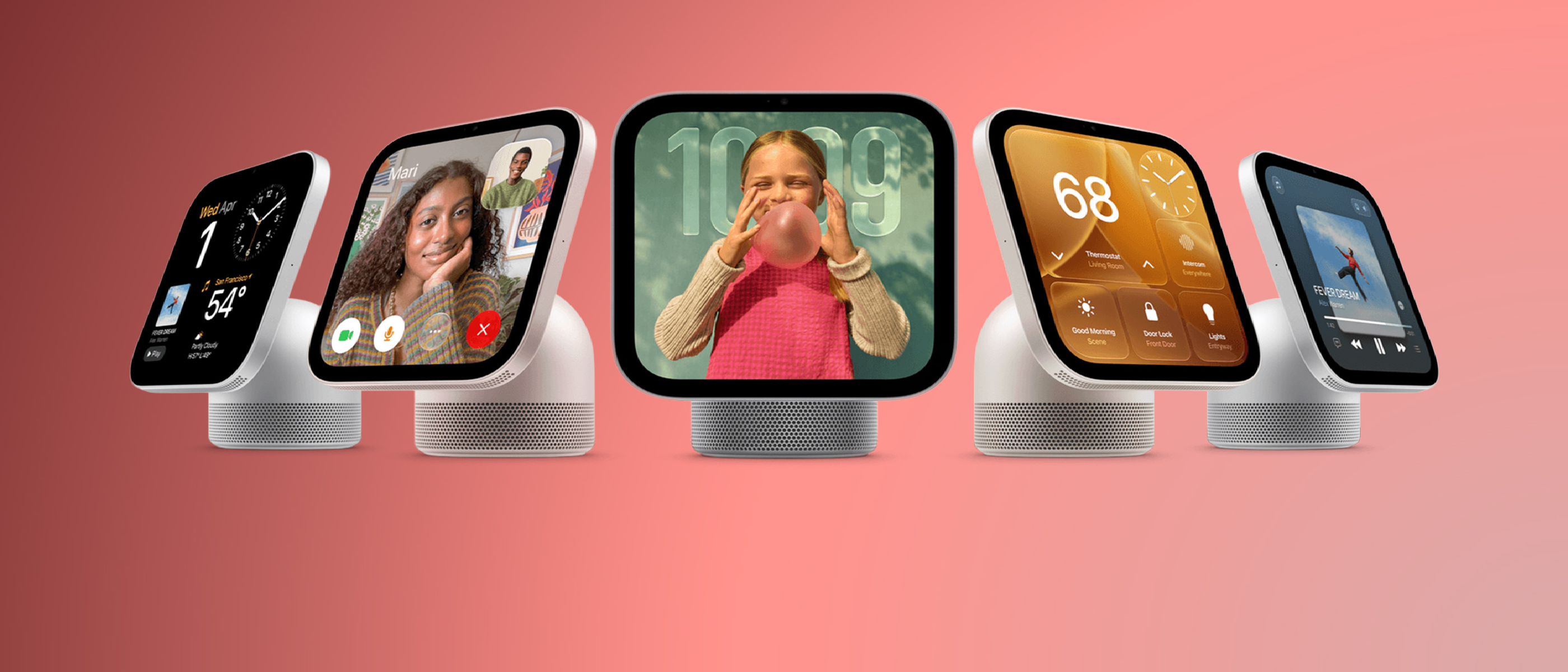
Apple rolled out the Home View 27.2.1 software patch today, targeting three high‑impact bugs that have been disrupting the smart‑home experience for early adopters. The update arrives just weeks after the device’s launch, a period during which users reported Siri‑related failures, alarm‑setting glitches, and unexpected removal of the hub from their home configuration. By delivering the fix through the Settings app on the Home View itself—or via the Home app on any paired iPhone, iPad, or Mac—Apple ensures a frictionless rollout for the entire ecosystem.
Key items addressed:
- Siri request failures when the Home View is paired with an iPhone or iPad running iOS/iPadOS 27.3 beta.
- Shared Album setup on the Photos face that previously blocked Siri support download, rendering the voice assistant unusable.
- Unexpected hub removal when a second home hub device is introduced, causing the primary Home View to disappear from the home layout.
These issues were highlighted by early reviewers, most notably Joanna Stern, who documented a scenario where Siri could not unlock doors or garage gates after camera authentication. The 27.2.1 patch not only resolves those problems but also lays groundwork for smoother future integrations.
Technical Breakdown of Fixed Siri Bugs
Siri Request Failure with iOS/iPadOS 27.3 Beta
The failure stemmed from a mismatched API version check between the Home View firmware and the beta operating systems on companion devices. When the Home View attempted to forward a voice command, the request was rejected with a “protocol version unsupported” error, effectively silencing Siri. Apple’s fix synchronizes the version negotiation layer, allowing the Home View to recognize and communicate with the latest beta builds.
Shared Album Download Blockage
During the initial setup of a Shared Album on the Photos face, the Home View would enter a dead‑end state where it refused to fetch the Siri language pack. The root cause was a race condition in the network stack: the album creation triggered a high‑priority download that pre‑empted the Siri package request, causing the latter to timeout. The patch introduces a prioritized queue that guarantees Siri’s support files are fetched before any non‑essential media sync, eliminating the deadlock.
Hub Removal When Adding a Second Device
Apple’s Home ecosystem supports multiple hubs for redundancy, but the Home View’s home‑graph manager incorrectly interpreted the addition of a second hub as a removal command for the first. The bug was traced to an identifier collision in the home‑graph database. The update adds a unique hash for each hub instance, ensuring that adding a new device does not inadvertently purge the existing one.
These technical adjustments are subtle yet crucial. They demonstrate Apple’s commitment to maintaining a robust, low‑latency voice experience across a heterogeneous set of devices.
Why the Fixes Matter for Users and the Ecosystem
For everyday users, Siri is the primary interaction model with Home View. A non‑responsive voice assistant defeats the purpose of a hands‑free smart‑home hub. The three bugs collectively impacted:
- Security – Inability to unlock doors via voice after camera verification could leave users reliant on manual keys, undermining the convenience and perceived safety of the system.
- Automation Reliability – Failed alarms, timers, and music commands broke routine automations, leading to frustration and reduced trust in Apple’s home platform.
- Multi‑Hub Scalability – Homeowners looking to expand their smart‑home footprint were forced to choose a single hub, limiting redundancy and coverage.
By addressing these pain points, Apple restores confidence in the Home View’s promise of seamless integration with iPhone, iPad, Mac, HomePod, and CarPlay. Moreover, the fix aligns with Apple’s broader strategy of tightening the Siri AI experience, as discussed in the recent article “Apple Boosts Siri AI Limits for iCloud+ Subscribers”. The synergy between AI limits and reliable device firmware ensures that Siri can operate at scale without throttling or unexpected drop‑outs.
Industry Impact and Competitive Landscape
Apple’s swift response sends a clear signal to competitors in the smart‑home arena. Google Nest and Amazon Echo devices have long benefited from iterative OTA updates that quickly patch bugs. Apple’s reputation for a polished, “set‑and‑forget” experience now hinges on its ability to match that cadence. The Home View update demonstrates that Apple can deliver rapid, targeted fixes without waiting for a major OS release.
From a market perspective, the patch may influence enterprise adoption of Apple’s HomeKit‑based solutions. Companies evaluating smart‑office deployments often cite reliability and security as decisive factors. Demonstrating that critical bugs can be resolved within days reinforces Apple’s credibility.
Additionally, the update arrives amid heightened scrutiny of IoT security, especially after high‑profile incidents like the “Zoom Zero‑Day Exploit: Remote Takeover of iPhone & Mac”. While the Home View issue was not a security vulnerability per se, the swift remediation underscores Apple’s proactive stance on maintaining a secure ecosystem.
Future Outlook for Home View and Siri Integration
Looking ahead, Apple has announced a December rollout for a separate Siri AI bug that prevented voice‑controlled door and garage unlocking. That fix will likely involve deeper integration with HomeKit Secure Video and Apple’s on‑device processing pipeline. Users can expect:
- Enhanced On‑Device Siri Processing – Reducing reliance on cloud calls will improve response times and privacy.
- Expanded Home Hub Redundancy – Future firmware may support seamless failover between multiple Home View units, eliminating the single‑point‑of‑failure scenario.
- Cross‑Platform Automation – Tightening the link between Home View and CarPlay could enable context‑aware commands while driving, such as pre‑heating the garage door.
These developments will be complemented by Apple’s ongoing pricing adjustments across its services, as detailed in “Apple Updates App Store Prices Globally, Adds CA Tax”. A consistent pricing strategy across hardware, software, and services helps maintain a unified user experience, which is essential for the adoption of new smart‑home capabilities.
FAQ
Q: How do I install the Home View 27.2.1 update? A: Open Settings on the Home View device, navigate to Software Update, and tap Download and Install. Alternatively, use the Home app on a paired iPhone, iPad, or Mac and select the update from the device details screen.
Q: Will the update affect my existing automations? A: No. The patch is designed to be backward‑compatible. All existing scenes, shortcuts, and HomeKit accessories will remain unchanged.
Q: Is the Siri bug fix limited to iOS/iPadOS 27.3 beta users? A: The fix resolves the version‑mismatch issue for both beta and the upcoming public release of iOS/iPadOS 27.3, ensuring consistent behavior across all supported devices.
Q: When will the December Siri AI bug be addressed? A: Apple has scheduled a dedicated OTA update for early December. Users will receive a notification through the same update channels described above.
Q: Does the update improve battery life on the Home View? A: While the primary focus was on bug resolution, the optimized network queue reduces unnecessary wake‑ups, which can marginally extend battery endurance for portable hub configurations.
Source: Original Article