
What the Leak Reveals
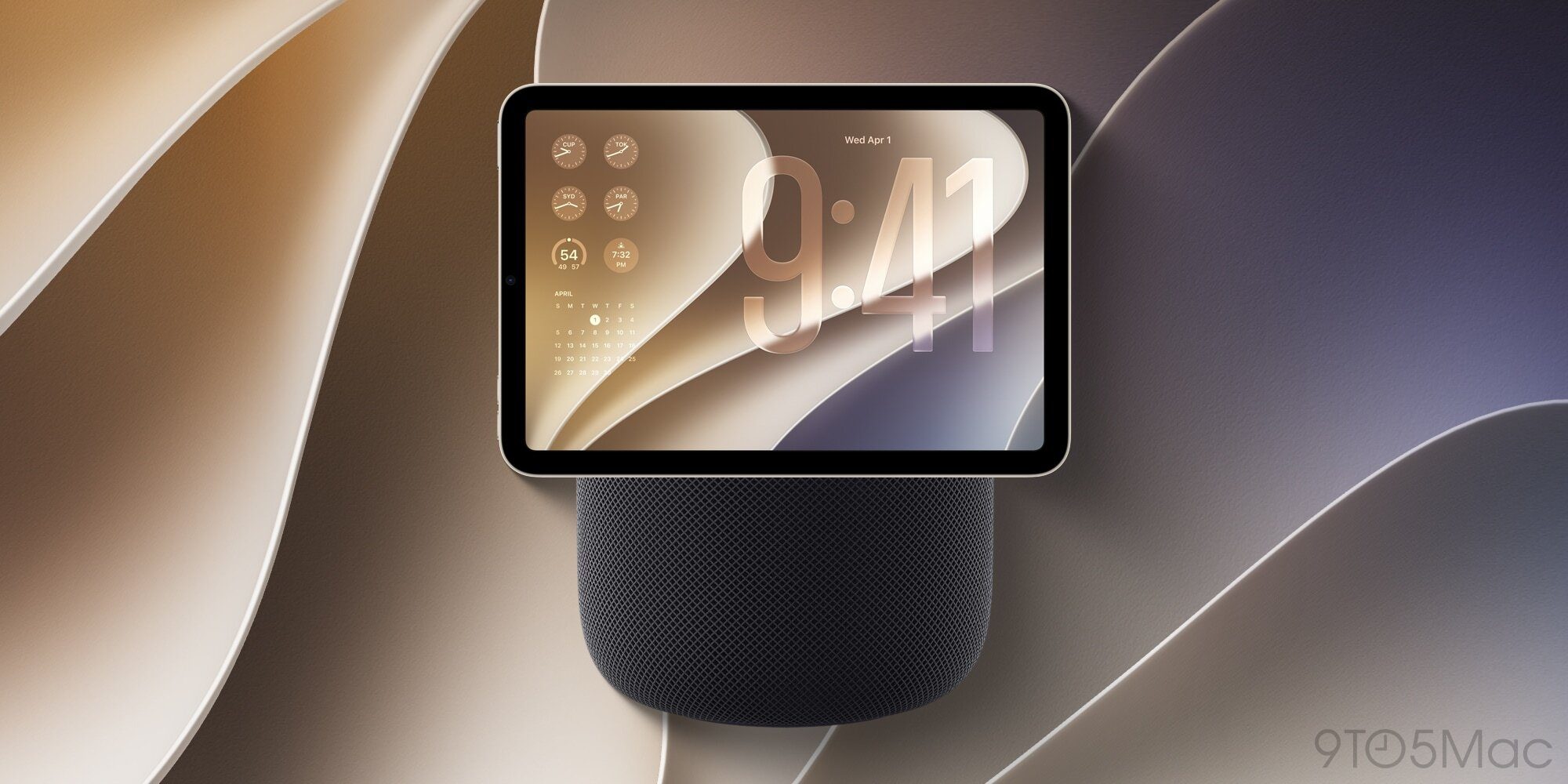
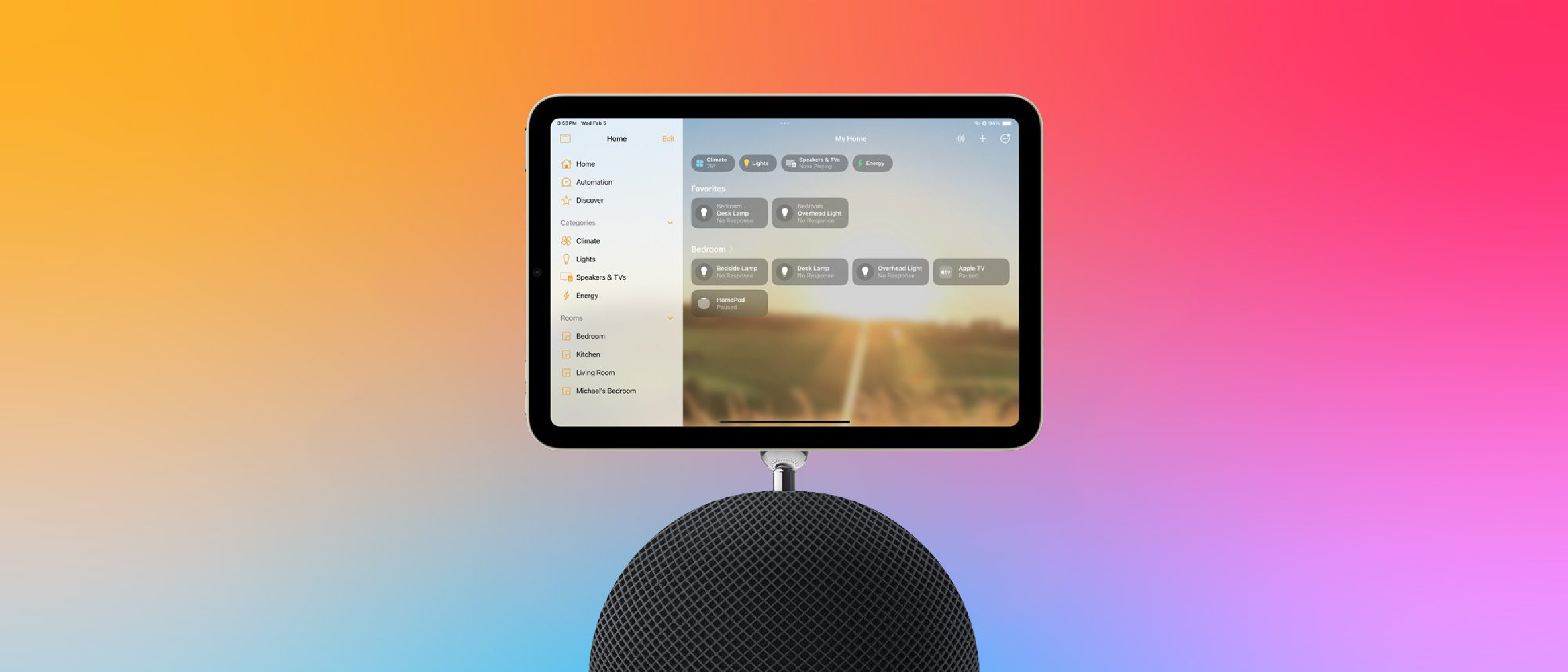
A well‑known Apple leaker has posted three screen captures that expose the first‑look setup flow for the company’s yet‑to‑be‑announced HomePad. The images show the device being initialized inside the Home app, Apple’s central hub for managing accessories, scenes, and automations. The leaker’s caption makes the connection explicit:
“The setup process for the upcoming device shares a feature with Apple’s foldable i Phone.”
While the exact feature remains unnamed, the visual similarity to the iPhone Duo’s onboarding screens is unmistakable. The iPhone Duo, first identified in Apple’s source code by the same leaker, also launches its initial configuration from the Home app, suggesting a unified onboarding architecture across Apple’s upcoming form factors.
Key takeaways from the leak:
- Home app as the entry point – Both HomePad and iPhone Duo bypass the traditional “Settings → General → About” route.
- Screen‑grab evidence – Three distinct frames show the Home app prompting the user to add a new device, confirming the shared workflow.
- Consistent UI language – Icons, typography, and button placement mirror the iPhone Duo’s setup screens, reinforcing a single design language.
The leak does not disclose pricing, release windows, or hardware specifications, but the shared setup process alone hints at a strategic shift in how Apple intends users to bring new hardware into their ecosystem.
Technical Implications of Using the Home App for Setup
Apple’s decision to centralize the onboarding of a tablet‑class device and a foldable phone inside the Home app carries several technical ramifications.
Unified Device Registration
Historically, iOS devices register themselves directly with iCloud during the initial “Hello” screen. By moving registration to the Home app:
- Single source of truth – All accessories, including the HomePad, are cataloged under the same HomeKit database, simplifying device management.
- Reduced duplication – The Home app already handles authentication, network selection, and iCloud linking. Reusing this stack eliminates the need for a parallel onboarding flow.
Security Considerations
The Home app is a high‑trust environment, already hardened against man‑in‑the‑middle attacks and equipped with end‑to‑end encryption for HomeKit data. Leveraging it for a full‑featured tablet means:
- Consistent security posture – The same cryptographic keys and attestation mechanisms protect the HomePad as they do for smart locks or lights.
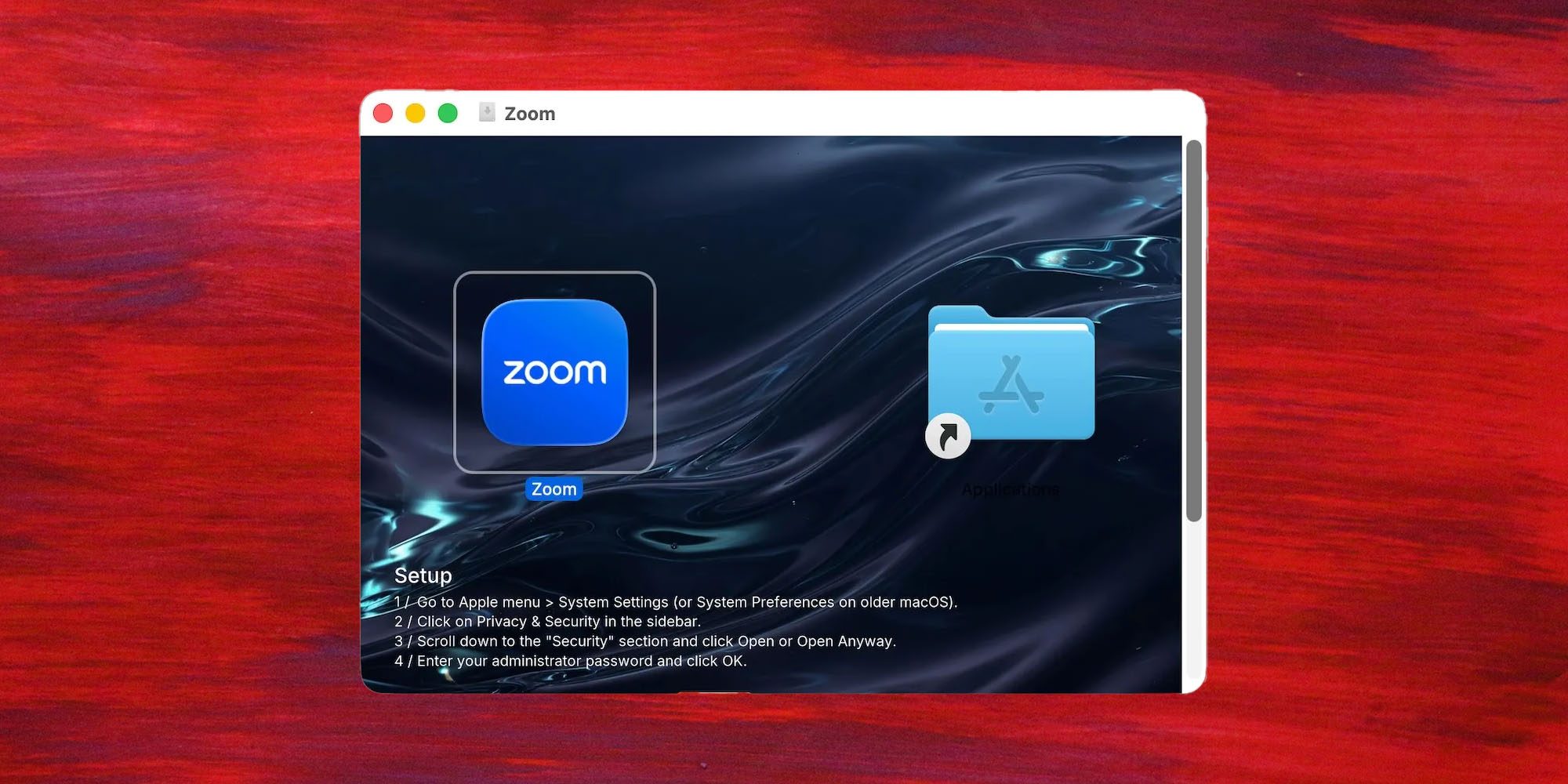
- Potential attack surface expansion – If a vulnerability were discovered in the Home app’s onboarding code, it could affect a broader range of devices. Apple’s recent patch for the Zoom annotation flaw demonstrates how quickly a seemingly unrelated exploit can surface: see the details in the Zoom Annotation Flaw Patched After AI‑Prompt Exploit .
Seamless Cross‑Device Experience
Because the Home app is already present on iPhone, iPad, and macOS, users can:
- Start setup on one device and finish on another – For example, begin adding a HomePad from an iPhone, then continue configuration on a Mac.
- Leverage existing HomeKit automations – The HomePad could automatically inherit scenes, triggers, and permissions without manual re‑configuration.
Why Shared Setup Features Matter
The convergence of setup experiences is more than a UI convenience; it signals Apple’s broader product strategy.
Ecosystem Cohesion
Apple’s value proposition rests on a tightly integrated ecosystem. By aligning the HomePad’s onboarding with the iPhone Duo:
- Brand consistency – Users instantly recognize Apple’s design language, reinforcing brand loyalty.
- Reduced learning curve – Existing HomeKit users won’t need to learn a new setup paradigm, accelerating adoption.
Development Efficiency
From a software engineering perspective, reusing the Home app’s onboarding codebase yields:
- Faster time‑to‑market – Fewer custom screens mean less QA overhead.
- Lower maintenance costs – Bug fixes or feature enhancements propagate automatically to all devices that share the flow.
Competitive Differentiation
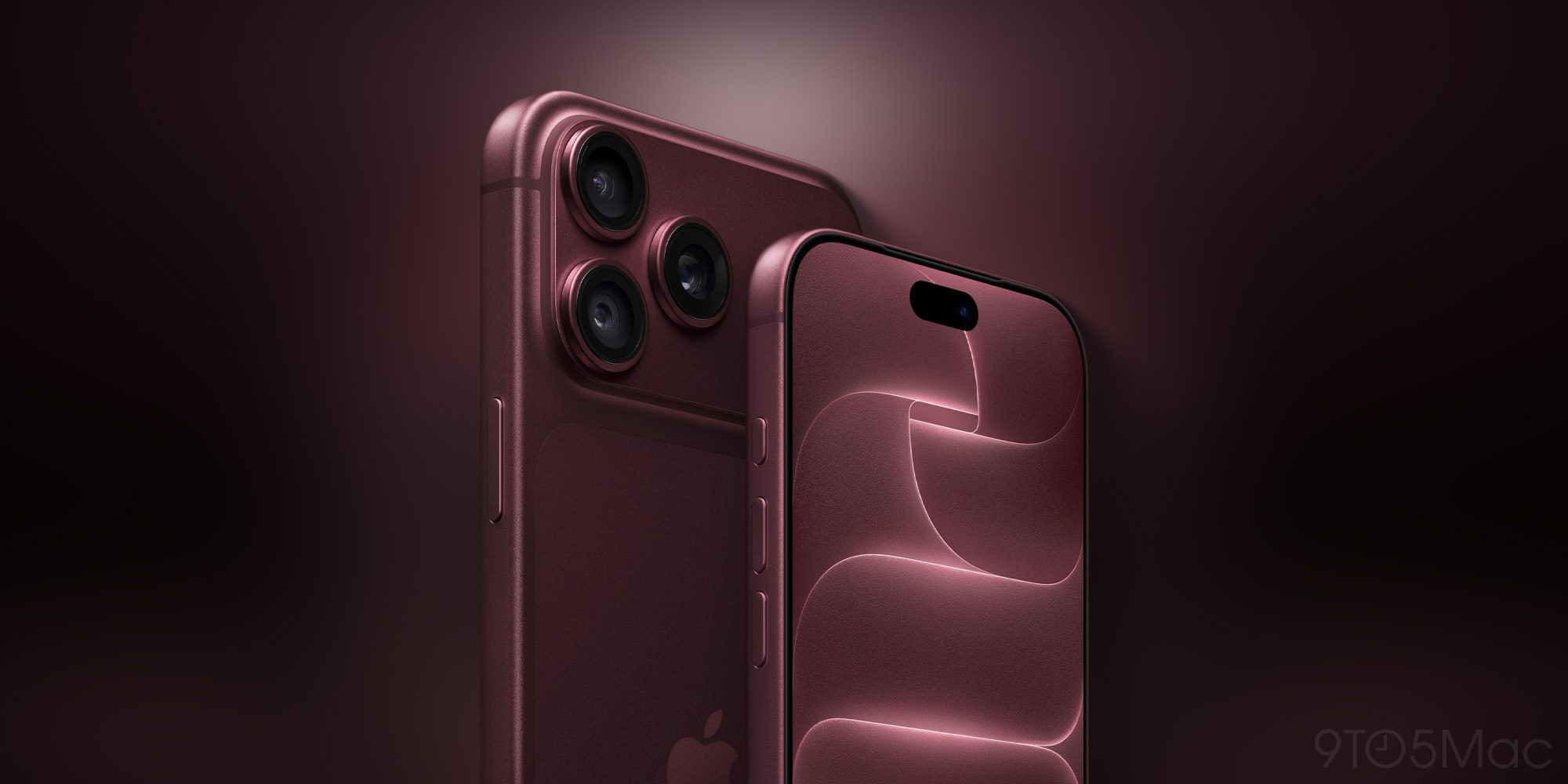
Competitors such as Samsung and Google typically employ separate setup assistants for each device class. Apple’s unified approach could become a differentiator, especially for power users who manage multiple smart home products. The strategic advantage mirrors the way Apple’s ecosystem has historically outpaced rivals in user retention, as highlighted in the analysis of iPhone 18 Pro sales in China: iPhone 18 Pro & Pro Max Surge in China: 3 Key Drivers .
Industry Impact and Competitive Landscape
The HomePad’s anticipated launch arrives at a time when the tablet market is fragmented and foldable phones are still nascent. Understanding the ripple effects helps gauge the broader industry response.
Tablet Market Re‑energization
Apple’s tablets have long dominated the premium segment, but recent years have seen slower growth. Introducing a device that blurs the line between a tablet and a smart‑home hub could:
- Attract new use cases – Home automation control, media consumption, and productivity in a single form factor.
- Press rivals to innovate – Samsung’s Galaxy Tab series may need to adopt more integrated smart‑home onboarding to stay relevant.
Foldable Phone Momentum
The iPhone Duo, if it follows the HomePad’s setup model, will likely benefit from the same ecosystem advantages. This could accelerate consumer acceptance of foldables, a market segment currently led by Samsung’s Galaxy Z series. Analysts will watch whether Apple’s unified onboarding reduces the perceived complexity that has hampered foldable adoption.
Speculation Culture and Market Reaction
Leaks have become a staple of Apple product cycles, shaping investor sentiment and consumer expectations. The current leak mirrors past speculation waves, such as the Reddit platform changes discussed in Reddit’s Unannounced Shifts: What the Silence Means . As with Reddit, the community’s rapid analysis of visual cues can amplify hype, potentially influencing Apple’s final product decisions.
Future Outlook for Apple’s HomePad and iPhone Duo
While concrete specifications remain under wraps, the shared setup process offers clues about Apple’s roadmap.
- Potential for a unified “HomeOS” layer – Apple may be building a lightweight operating system that runs across all home‑centric devices, from smart speakers to the HomePad.
- Integration with upcoming services – Features like spatial audio, on‑device AI, and advanced HomeKit automations could debut simultaneously on both devices.
- Release timing – Historically, Apple aligns major hardware announcements with its WWDC or September events. The presence of a polished Home app flow suggests the software is near final,
and the hardware is likely entering the final stages of validation.
Final Thoughts: A New Era of Onboarding
The HomePad and iPhone Duo represent more than just new hardware; they signify a shift in how Apple perceives the boundary between a personal device and a home accessory. By leveraging the Home app as the primary gateway, Apple is effectively treating these high-end devices as the “ultimate accessories” for the modern smart home.
Whether this approach streamlines the user experience or adds an unnecessary layer of abstraction remains to be seen. However, the technical synergy between a foldable phone and a home-centric tablet suggests that Apple is preparing for a future where the transition between mobile and stationary computing is completely frictionless.
Frequently Asked Questions
What is the Apple HomePad? Based on recent leaks, the HomePad is an upcoming Apple device designed for the home environment, likely serving as a hybrid between a tablet and a smart home hub.
What is the iPhone Duo? The iPhone Duo is the rumored foldable iPhone, which has been identified in Apple’s internal source code and is expected to feature a folding display.
Why is the Home app being used for setup? Apple appears to be using the Home app to create a unified onboarding experience for devices that are deeply integrated into the HomeKit ecosystem, simplifying registration and security.
When will these devices be released? Apple has not officially announced a release date, though the presence of finalized setup screens in leaks often suggests a launch within the next 6 to 12 months.
Source: Original Article