


The HomePad Rumor: Form Factor and Market Implications
Apple’s product pipeline has always been a blend of evolutionary upgrades and surprise form‑factor experiments. The latest chatter centers on a device dubbed the HomePad, described in the podcast as a “small square screen.” While the phrase “small square screen” sounds almost paradoxical for a smart display—most competitors favor rectangular panels for media consumption—the rumor hints at a deliberate design choice.
A square display could serve a dual purpose:
- Optimized Voice‑First Interaction: A centered speaker array and a symmetrical visual layout make it easier for voice assistants to project sound evenly, mirroring the design philosophy behind the HomePod mini.
- Space‑Saving Aesthetic: In a market where living‑room real estate is at a premium, a compact square could sit comfortably on a nightstand or kitchen counter without dominating the visual field.
The rumored October 13 launch date aligns with Apple’s historical “Fall Refresh” cadence, suggesting the HomePad may be positioned as a bridge between the iPad line and the HomePod ecosystem. If Apple follows its pattern, the device will likely integrate Siri, Matter smart‑home standards, and possibly a Touch ID sensor—an idea already floated for the Apple TV remote in the same discussion.
iPad mini and HomePod mini: What Leaked Images Reveal
Leaked photographs shared during the conversation point to imminent updates for both the iPad mini and HomePod mini. While Apple has not confirmed any specifications, the images provide clues:
- iPad mini: The chassis appears marginally thinner, with a reduced bezel that brings the display closer to the edges. This mirrors the design language seen in the latest iPad Air, suggesting Apple is unifying its tablet aesthetics
mirroring the design language seen in the latest iPad Air, suggesting Apple is unifying its tablet aesthetics. The slimmer profile could also mean a larger battery capacity hidden within the same footprint, potentially extending the already‑impressive battery life that the mini line is known for.
- Display upgrades: Early renders hint at a 7.9‑inch Liquid Retina display with a 120 Hz ProMotion refresh rate, a feature that has been exclusive to the iPad Pro and the newest iPad Air. If true, the mini would finally close the performance gap with its larger siblings.
- Camera bump: A subtle camera bump is visible, likely housing a 12‑MP ultra‑wide sensor that could enable better AR experiences and improved FaceTime calls on the go.
HomePod mini Refresh: Subtle Yet Significant
The HomePod mini images reveal a few noteworthy tweaks that could keep the device relevant in an increasingly competitive smart‑speaker market:
- Color palette expansion: In addition to the classic white, we see a matte black variant and a pastel‑green “Apple Green” finish, aligning with Apple’s recent trend of offering more personalized hardware colors.
- Improved acoustic architecture: The internal speaker array appears slightly larger, and the mesh grille has been refined to reduce distortion at higher volumes. This could translate to a richer bass response, a frequent criticism of the first‑generation mini.
- Siri + Matter hub: A new “Siri + Matter” logo is subtly etched on the back, indicating deeper integration with the Matter smart‑home standard. Apple may also be bundling a low‑cost Thread border router, turning the mini into a more capable hub for IoT devices.
While the hardware changes are modest, Apple’s software roadmap could be the real game‑changer. Rumors suggest a “HomePod mini 2” software update that will enable multi‑room audio synchronization with AirPlay 2 and introduce a “Personal Voice” feature that tailors Siri’s responses based on the user’s voice profile.
Apple Watch “Readiness” Feature: A New Layer of Context
During the podcast, Chance highlighted a forthcoming Apple Watch capability dubbed Readiness. The feature aims to surface contextual information based on the wearer’s environment, activity, and calendar events. Here’s how it could work:
- Proactive health prompts: If the watch detects a prolonged period of inactivity while the user’s calendar shows a scheduled workout, it will gently nudge the wearer to move.
- Travel mode integration: When a flight itinerary appears in the Calendar app, Readiness will automatically enable “Airplane Mode,” silence notifications, and surface the boarding pass in the Wallet app.
- Smart‑home triggers: Paired with the HomePad or HomePod mini, the Watch can display a quick “Leave Home” summary—locking doors, adjusting thermostat, and turning off lights—all with a single tap.
Apple’s emphasis on “readiness” aligns with the broader industry push toward anticipatory computing, where devices not only react but also predict user needs.
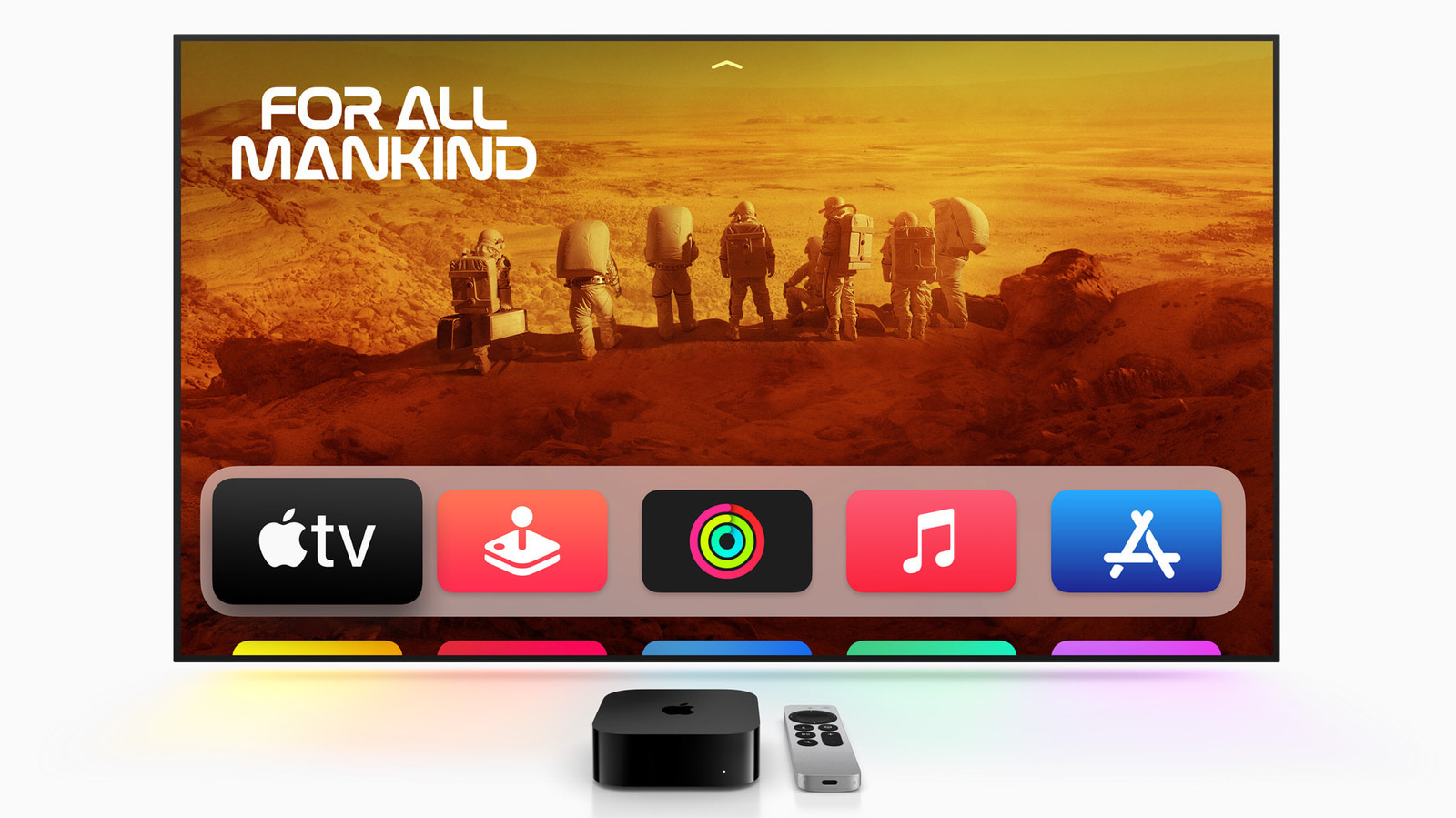
Touch ID on the Apple TV Remote: Benjamin’s Pitch
Benjamin argued that adding Touch ID to the Apple TV remote could solve a lingering pain point: the need to constantly switch between the iPhone, iPad, and remote for authentication. A fingerprint sensor on the remote would enable:
- Instant Apple TV+ profile switching: Family members could tap to load their personalized watch‑list and recommendations.
- Secure purchases: Users could approve App Store or iTunes purchases without pulling out a phone.
- HomeKit access control: The remote could act as a secondary authentication factor for unlocking smart‑door locks or disarming alarms from the living room.
While Apple has not confirmed such a hardware revision, the idea fits neatly into the company’s broader strategy of consolidating authentication methods across its ecosystem.
Organizational Shifts Under John Ternus: “More Nimble” Means Faster Iterations
John Ternus, Apple’s senior vice‑president of hardware engineering, has been vocal about making the company “more nimble.” The podcast dissected several internal moves that could accelerate product cycles:
- Cross‑functional pods: Engineering teams are being reorganized into smaller, autonomous pods that own a product from silicon design to software integration. This mirrors the “Spotify model” and is intended to reduce hand‑off delays.
- Supply‑chain diversification: Apple is reportedly expanding its supplier base for key components like OLED panels and custom silicon, mitigating the risk of bottlenecks that plagued the 2023 iPhone launch.
- Rapid prototyping labs: New “fast‑track” labs in Cupertino and Austin are equipped with advanced 3‑D printing and AI‑driven design tools, allowing engineers to iterate hardware concepts in days rather than weeks.
If these initiatives bear fruit, we could see shorter refresh windows for devices like the iPad mini and HomePod mini, and perhaps even mid‑year surprise releases—a pattern Apple has flirted with in the past but never fully embraced.
Pricing, Promotions, and Sponsor Highlights
- HomePad: While Apple has not disclosed pricing, analysts predict a $299–$349 price point to stay competitive with the Amazon Echo Show and Google Nest Hub.
- iPad mini & HomePod mini: Expect a modest $20–$30 price bump over current models, reflecting the upgraded internals.
- Apple Watch Readiness: This feature will roll out as part of watchOS 11, free for all existing Apple Watch owners.
- Apple TV Remote Touch ID: If introduced, it may be bundled with a new Apple TV 4K 2nd‑gen at a $199 price, or sold as a $49 accessory.
Sponsor offers:
- Square: Up to $200 off select hardware purchases through the Square Store.
- Framer: 30 % off the Pro Annual Plan for creators building UI mock‑ups of the new HomePad interface.
What This Means for Consumers
Apple’s upcoming slate reflects a dual strategy: incremental upgrades to existing product lines (iPad mini, HomePod mini) paired with new form‑factor experiments (HomePad) that could open fresh market segments. The emphasis on contextual intelligence (Watch Readiness) and seamless authentication (Touch ID remote) suggests Apple is doubling down on ecosystem lock‑in, making it harder for users to stray from the Apple experience.
If the rumors hold, the October 13 launch will be a pivotal moment, signaling Apple’s willingness to experiment with design while still delivering the reliability consumers expect. The success of the HomePad could influence future hardware decisions—perhaps a larger “HomeDisplay” line or even a foldable iPad that leverages the square‑screen concept for multitasking.
Conclusion
Apple appears to be navigating a delicate balance between innovation and incremental refinement. The HomePad’s puzzling square form factor may be a bold step toward a more unified smart‑home hub, while the iPad mini and HomePod mini refreshes keep the company’s core product families fresh and competitive. John Ternus’s push for a “more nimble” organization could accelerate these releases, delivering new features—like the Watch Readiness mode and potential Touch ID integration on the Apple TV remote—faster than ever before.
For enthusiasts and everyday users alike, the upcoming announcements promise enhanced convenience, tighter ecosystem integration, and a glimpse into how Apple plans to stay ahead in a crowded hardware market. Keep an eye on the October 13 date—Apple may just redefine the living‑room experience once again.
FAQ
Q: Is the HomePad a replacement for the HomePod mini?
A: Not necessarily. While both devices target the smart‑home market, the HomePad adds a visual interface, positioning it more as a competitor to the Echo Show and Nest Hub rather than a direct audio‑only replacement.
Q: Will the iPad mini finally get a 120 Hz display?
A: Leaked images suggest a ProMotion‑enabled Liquid Retina panel, which would bring the mini in line with Apple’s higher‑end tablets.
Q: How does the Watch “Readiness” feature differ from existing shortcuts?
A: Readiness is context‑aware and proactive, automatically suggesting actions based on calendar events, location, and activity, rather than relying on user‑created shortcuts.
Q: When can we expect the Touch ID Apple TV remote?
A: No official timeline has been announced, but industry insiders speculate a mid‑2027 rollout alongside a new Apple TV hardware refresh.
Q: Will the HomePod mini’s new colors be available worldwide?
A: Apple typically rolls out color options in major markets first (U.S., Europe, Japan) before expanding globally, so availability may vary by region.
Q: Are the sponsor discounts limited to the podcast listeners?
A: The Square and Framer promotions are publicly available through the sponsors’ websites, but the podcast provides exclusive coupon codes for an additional 5 % off.
Source: Original Article