





Why the Price Hike Matters Now
Apple’s brand has long been synonymous with premium pricing, but the recent upward adjustments across the iPhone, iPad, Mac, and accessory lines are larger than the modest annual increments many expected. A poll conducted by 9to5Mac—which surveyed thousands of its readers—found that upgrading less frequently was by far the most common response. Only 9 % of participants said the price increases wouldn’t affect their purchasing behavior.
These numbers matter for three reasons:
- Revenue Forecasts: Apple’s services revenue has grown faster than hardware in recent years. Slower hardware turnover could accelerate the shift toward subscription‑based services, but it also reduces the “halo effect” that fresh devices generate for the ecosystem.
- Supply‑Chain Planning: Apple’s production cadence is tightly coupled to forecasted demand. A measurable dip in upgrade intent forces the company to adjust component orders, potentially affecting suppliers in Taiwan, South Korea, and the United States.
- Competitive Positioning: Rivals such as Samsung, Google, and emerging Chinese manufacturers watch Apple’s pricing moves closely. A perceived price barrier can open a window for alternative flagship devices to capture market share, especially in price‑sensitive regions.
Understanding the underlying psychology behind the poll’s results helps explain why a seemingly incremental price change can ripple through the entire tech market.
Industry Impact: From OEMs to App Developers
OEMs and Component Makers
Apple’s pricing strategy directly influences the demand for high‑end silicon, memory, and display panels. If a sizable portion of the user base postpones upgrades, component manufacturers may see a temporary oversupply of premium parts. Companies like TSMC, Samsung’s Foundry division, and LG Display have historically aligned their capacity planning with Apple’s launch calendar. A slowdown could lead to:
- Reduced fab utilization rates for the most advanced nodes (e.g., 3nm), prompting price adjustments for other customers.
- Inventory build‑up of OLED panels, which could be redirected to other premium Android flagships, subtly shifting market dynamics.
App Developers and Services
Apple’s ecosystem thrives on a “new‑device boost”—developers see spikes in app downloads, in‑app purchases, and subscription conversions when a new iPhone or Mac lands in a consumer’s hands. A longer upgrade cycle means:
- Lower peak ARPU (average revenue per user) for app developers during typical launch windows.
- Extended relevance of older OS versions, forcing developers to maintain compatibility with legacy APIs for longer periods. This can increase development costs and slow adoption of new platform features.
For context, see how Apple’s own services have been highlighted in recent coverage of the Apple TV platform: the article “ Apple Streams Oscar‑Winning Film on Apple TV Platform ” discusses how premium content can offset hardware revenue dips.
Retail and Carrier Strategies
Retailers and carriers often bundle devices with financing plans, trade‑in credits, or service contracts. A shift toward “wait‑and‑see” behavior forces them to:
- Offer deeper trade‑in incentives to entice earlier upgrades.
- Promote Apple Wallet features (see “ Apple Wallet Insights ”) that make financing more transparent and attractive.
- Re‑evaluate inventory turnover targets, potentially leading to price promotions that could erode Apple’s intended premium positioning.
Technical Breakdown: What Drives Upgrade Decisions?
While price is the headline factor, the decision to upgrade is a multi‑dimensional calculus that includes hardware improvements, software capabilities, and ecosystem lock‑in.
Hardware Incrementalism
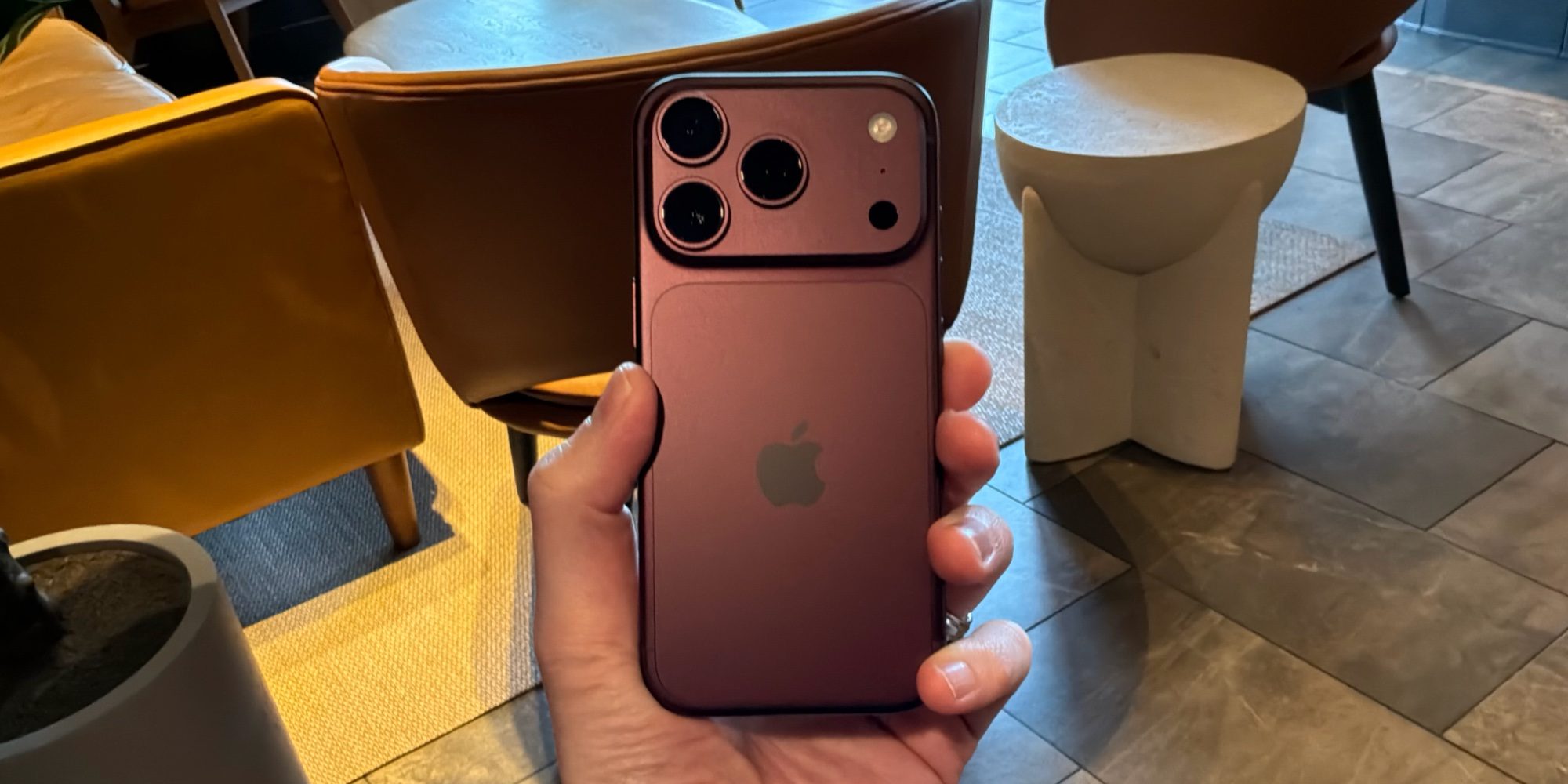
Recent iPhone generations have delivered incremental camera upgrades, modest CPU gains, and marginal battery improvements. For power users, these changes may not justify a $100–$200 price bump. Conversely, professionals who rely on the MacBook Pro’s M‑series silicon may still see value in performance gains, but the poll indicates even this segment is feeling the pinch.
Software Evolution
Apple’s software roadmap—iOS, iPadOS, macOS—introduces features that are often exclusive to the latest hardware (e.g., ProRAW, advanced machine‑learning accelerators). However, the Apple Sports App’s expansion into soccer coverage ( Apple Sports App Boosts Soccer Coverage for Fans ) demonstrates that software can add value without requiring a new device, potentially mitigating upgrade pressure.
Ecosystem Stickiness
Features such as Universal Control, AirPlay 2, and Continuity create a frictionless experience across devices. When a user already owns a functional iPhone and Mac, the marginal benefit of a newer model diminishes, especially if the price increase outpaces perceived performance gains.
Consumer Sentiment Data
The 9to5Mac poll provides a snapshot of sentiment:
- 71 % indicated they would delay their next iPhone purchase by at least one year.
- 58 % said they might hold onto their current Mac longer than originally planned.
- Only 9 % felt the price hikes would not affect their buying timeline.
These figures suggest a behavioral shift that could persist across multiple product cycles, not just a single launch.
Future Outlook: Scenarios for Apple and the Market
Scenario 1 – Controlled Slowdown
Apple could embrace the slower upgrade rhythm by focusing on services, wearables, and AR/VR initiatives. By delivering compelling subscription bundles (e.g., Apple One) and expanding the Apple Watch health ecosystem, the company can offset hardware revenue dips while maintaining brand prestige.
Scenario 2 – Price Re‑Adjustment
If the slowdown becomes pronounced, Apple may re‑calibrate pricing for certain tiers, perhaps introducing a more aggressive “budget‑friendly” line (e.g., a new iPhone SE generation) to capture price‑sensitive buyers without diluting the premium image.
Scenario 3 – Accelerated Innovation
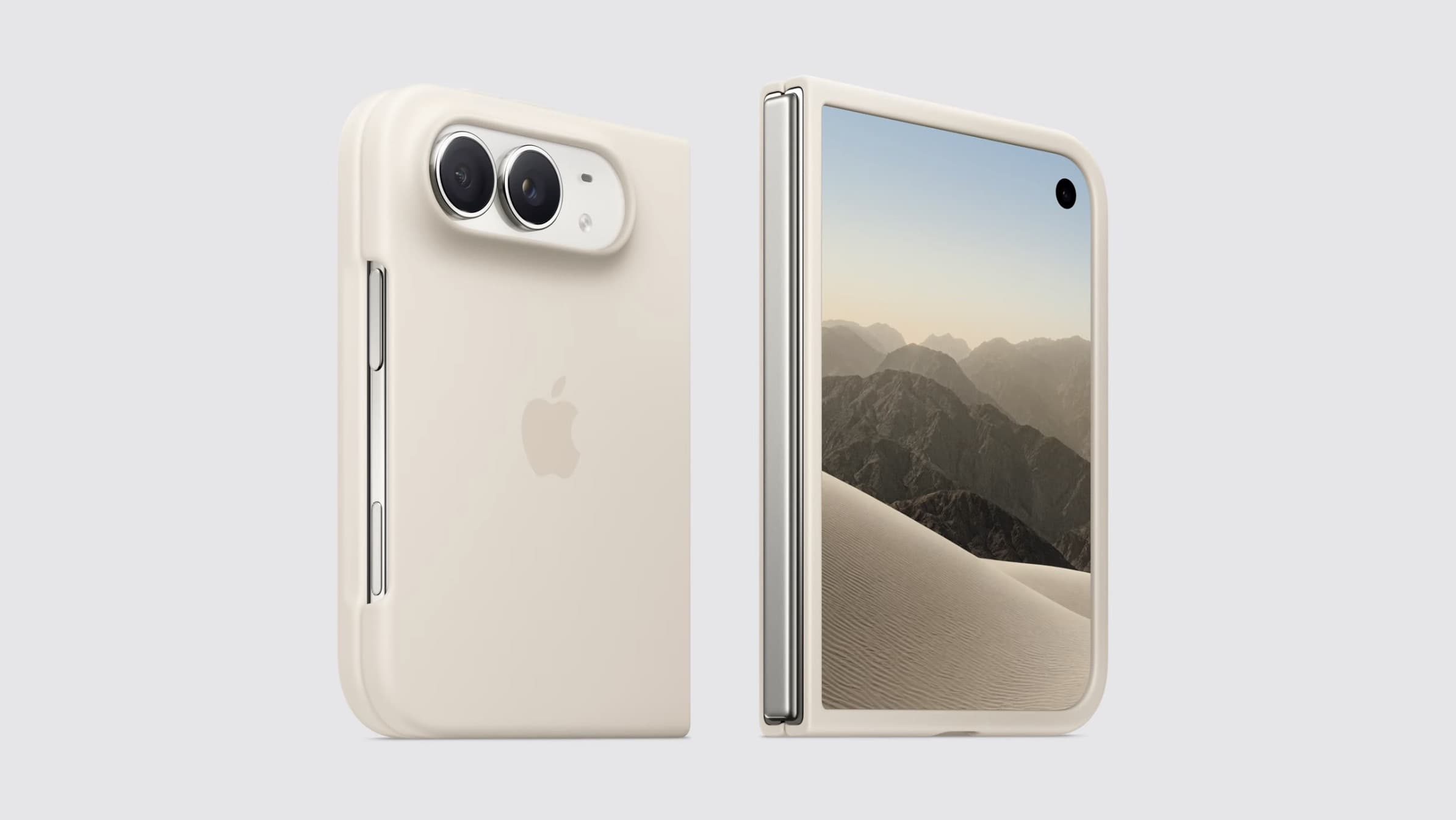
A market backlash could push Apple to accelerate hardware breakthroughs—introducing a radically new form factor, a foldable iPhone, or a next‑gen silicon chip that delivers a significant performance leap. Such a move would re‑ignite upgrade enthusiasm, but it also carries R&D risk.
Long‑Term Implications
Regardless of the path chosen, the consumer‑centric data from 9to5Mac underscores a broader industry trend: price elasticity is rising as competition intensifies and as users become more financially conscious. Companies that can blend hardware excellence with compelling services will be best positioned to navigate this evolving landscape.
FAQ
Q1: Which Apple products are most affected by the price hikes?
A: The poll did not break down responses by product, but historically iPhone and Mac upgrades drive the largest revenue. Early indications suggest both flagship iPhone and MacBook lines see the strongest hesitation.
Q2: How reliable is the 9to5Mac poll?
A: The poll surveyed thousands of readers, a sizable sample for a niche tech audience. While it may not represent the entire global Apple user base, it provides a credible gauge of sentiment among engaged enthusiasts.
Q3: Will Apple’s services revenue compensate for slower hardware sales?
A: Services have been a growth engine for Apple, contributing over 20 % of total revenue in recent quarters. A modest decline in hardware sales could be partially offset, but the net effect depends on subscription uptake and content acquisition costs.
Q4: Could carriers mitigate the slowdown with financing options?
A: Yes. Carrier subsidies, zero‑interest installment plans, and trade‑in programs can lower the effective cost of a new device, encouraging earlier upgrades despite sticker‑price increases.
Q5: What does this mean for developers targeting Apple platforms?
A: Developers may need to extend support for older OS versions longer than usual, and focus on features that add value across device generations, such as cloud‑based services and cross‑device continuity.
The data from 9to5Mac paints a clear picture: higher Apple prices are nudging a large portion of the user base to rethink the timing of their upgrades. This shift has cascading effects—from component suppliers to app developers, from retail financing models to Apple’s own strategic focus on services. As the market adapts, stakeholders across the ecosystem will need to balance price sensitivity with the allure of innovation to sustain growth.
Source: Original Article