
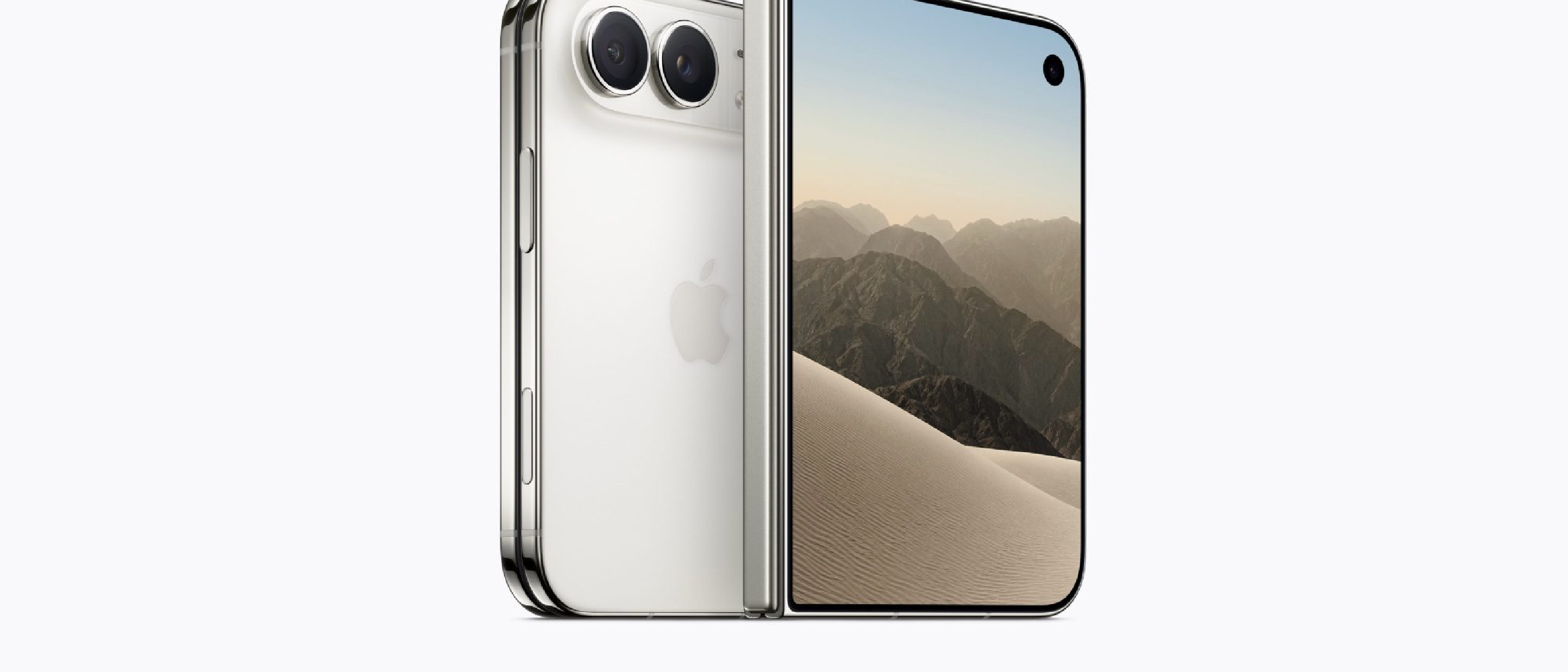
Overview of the iPhone Duo Walk‑In Policy
Apple’s retail strategy has always blended online convenience with a tactile, in‑store experience. The recent announcement that the iPhone Duo—Apple’s latest dual‑camera, dual‑SIM handset—will be available for walk‑ins in certain locations, but not in others, has sparked a wave of speculation among analysts and consumers alike. While Apple has not released a detailed map of eligible stores, the pattern mirrors previous rollouts such as the original iPhone launch in 2007, when Steve Jobs famously emphasized the importance of “seeing it in your hand” before buying.
Key takeaways from the limited information:
- Selective Store Participation: Flagship locations in major metros (e.g., New York, London, Tokyo) are confirmed to carry the Duo for immediate purchase.
- Regional Restrictions: Smaller markets, especially those with limited inventory capacity, will rely on pre‑order and online fulfillment.
- Time‑Bound Availability: Some stores may offer the Duo only during a launch window, after which the device will revert to online‑only sales.
Understanding why Apple chooses this hybrid approach requires a look at both consumer expectations and the logistical realities of a global supply chain.
Why Walk‑In Availability Matters to Consumers
Immediate Gratification vs. Planned Purchases
The modern smartphone buyer often expects instant gratification. Walking into an Apple Store, testing the device, and leaving with it in hand satisfies a psychological need that pure e‑commerce cannot replicate. This is especially true for premium products where tactile quality—screen smoothness, camera ergonomics, and build material—plays a decisive role.
Brand Loyalty and In‑Store Experience
Apple’s retail spaces are more than point‑of‑sale locations; they are brand showcases. The “Genius Bar” model, the meticulously designed product tables, and the ability to try Apple Vision Pro or Apple Watch Ultra on site reinforce a sense of community. When a high‑profile launch like the iPhone Duo is limited to walk‑ins, it creates a “must‑be‑there” aura that drives foot traffic and deepens brand loyalty.
Impact on Resale and Secondary Markets
Limited walk‑in stock can also affect resale dynamics. Historically, when flagship iPhones were scarce in stores, secondary markets saw price premiums. Conversely, a well‑stocked walk‑in inventory can dampen aftermarket speculation, stabilizing prices for both new and used devices.
Technical and Logistical Challenges for Apple Retail
Apple’s decision to restrict walk‑in availability is not arbitrary; it reflects a sophisticated balance of inventory management, supply‑chain constraints, and store infrastructure.
Inventory Allocation Algorithms
Apple employs proprietary forecasting models that consider regional demand, historical sales data, and upcoming promotional events. These algorithms determine how many units each store receives. For a device as anticipated as the iPhone Duo, the model must prevent both stock‑outs (which damage brand perception) and overstock (which ties up capital).
Store Layout and Device Demonstration
The iPhone Duo introduces a dual‑camera system that requires dedicated demo stations. Apple must allocate floor space, power, and network bandwidth to ensure a seamless hands‑on experience. This is similar to the preparation Apple did for Vision Pro, where specialized demo pods were installed.
Security and Loss Prevention
High‑value devices demand robust security measures. Apple’s stores already integrate RFID tagging, real‑time inventory scanning, and secure display cases. Adding more walk‑in units increases the risk profile, prompting tighter controls—something that aligns with the security focus highlighted in the Zoom Zero‑Day Exploit: Remote Takeover of iPhone & Mac article.
Training and Support Staff
Sales associates need in‑depth knowledge of the Duo’s dual‑SIM capabilities, camera software, and integration with Apple Health and Apple Fitness+. Apple’s internal training programs, often delivered via the Apple Store app, must be updated ahead of launch. This mirrors the preparation required for new hardware categories such as the Apple Watch Ultra.
Industry Impact and Competitive Landscape
Pressure on Android OEMs
Apple’s selective walk‑in rollout sends a signal to Android manufacturers that premium retail experiences remain a differentiator. Brands like Samsung and Google have invested heavily in flagship stores, but Apple’s ability to control the narrative through limited in‑store availability reinforces its premium positioning.
Supply‑Chain Ripple Effects
The iPhone Duo’s dual‑SIM architecture relies on a complex supply chain involving multiple chipset vendors and camera module suppliers. Any bottleneck—whether in silicon fabrication or lens coating—can cascade into store inventory decisions. This dynamic is reminiscent of the challenges Apple faced when transitioning to Apple Silicon across its Mac lineup.
Influence on Carrier Partnerships
Walk‑in availability often ties into carrier promotions. In markets where carriers subsidize the iPhone Duo, Apple may allocate more units to stores that host carrier kiosks. This symbiotic relationship can affect how quickly the device reaches consumers, especially in regions where carrier‑locked models dominate.
Cross‑Product Synergy
Apple’s ecosystem encourages cross‑selling. A customer buying the iPhone Duo in‑store is more likely to explore Apple Watch, AirPods, or Apple One subscriptions on the spot. The walk‑in model thus fuels revenue across multiple product lines, reinforcing the strategic importance of the policy.
Future Outlook: What Apple Might Do Next
While Apple has not disclosed a full roadmap for the iPhone Duo’s distribution, several plausible scenarios emerge based on past behavior.
Gradual Expansion of Walk‑In Stock
As production ramps up, Apple could broaden the list of eligible stores, mirroring the phased rollout of the original iPhone in 2007.Integration with Apple Store Online Pickup
Customers might reserve a Duo online and collect it in‑store, blending the convenience of e‑commerce with the immediacy of walk‑in pickup.Enhanced Demo Experiences
Future stores may feature dedicated “Dual‑Camera Labs” where users can test low‑light performance, a feature highlighted in the iPhone Duo’s marketing.Localized Promotions
Regional events—such as a “Duo Day” in Asian markets—could temporarily lift walk‑in limits, driving localized buzz.
These possibilities align with Apple’s broader strategy of using its retail footprint to reinforce product narratives, as seen in the launch of Apple Vision Pro and the continuous evolution of the Apple Store experience.
FAQ
Q: Will the iPhone Duo be available for walk‑ins worldwide?
A: No. Apple has confirmed walk‑in availability only at select flagship locations. Other regions will rely on online pre‑orders and delivery.
Q: How does the walk‑in policy affect pricing?
A: Pricing remains consistent across channels. However, in‑store promotions or carrier bundles may differ from online offers.
Q: Can I reserve a Duo online and pick it up in a store?
A: Apple’s “Buy Online, Pick Up In‑Store” service is expected to support the Duo once inventory levels stabilize.
Q: Does the dual‑camera system require special accessories?
A: The iPhone Duo works with existing Apple accessories such as MagSafe cases and AirPods, but no exclusive hardware is required.
Q: How does this rollout compare to the original iPhone launch?
A: Similar
Q: How does this rollout compare to the original iPhone launch?
A: Similar to the 2007 debut, Apple is using a tiered approach—starting with high‑traffic flagship stores in major metros before gradually widening the net to regional outlets. The original iPhone also saw limited in‑store stock at launch, creating a “must‑be‑there” atmosphere that drove both foot traffic and media buzz. The iPhone Duo follows that playbook, leveraging scarcity and exclusivity to amplify demand while giving Apple time to fine‑tune its supply chain.
Q: Will carrier‑locked versions of the Duo be sold in‑store?
A: Yes, in markets where carriers have strong retail partnerships, Apple stores will display carrier‑locked models alongside unlocked units. This mirrors the strategy used for previous iPhone generations, allowing carriers to run promotional pricing or trade‑in offers directly at the point of sale.
Q: How can I check if my local Apple Store has walk‑in stock?
A: Apple’s Store app now includes a “Walk‑In Availability” toggle for the iPhone Duo. Users can select their nearest store and see real‑time inventory status. Additionally, the Apple website’s product page will display a “Check Availability” button that pulls the same data.
Q: Does the walk‑in policy affect Apple’s warranty or AppleCare enrollment?
A: No. Whether you purchase the iPhone Duo in‑store or online, you receive the same warranty coverage and can add AppleCare+ at the point of sale or within 60 days of purchase through the Apple Support app.
Q: What should I expect in terms of wait times at a walk‑in location?
A: During the initial launch window, flagship stores may experience longer checkout lines, especially if a promotional event (e.g., “Duo Day”) is running. Apple typically advises customers to arrive early or use the “Reserve a Spot” feature in the Store app to minimize wait times.
Conclusion
Apple’s selective walk‑in rollout for the iPhone Duo underscores the company’s continued belief that the physical retail experience remains a cornerstone of its premium brand narrative. By concentrating inventory at flagship locations, Apple creates a sense of urgency and exclusivity that fuels both media coverage and consumer excitement—much like the original iPhone launch did over a decade ago. At the same time, the strategy allows Apple to manage a complex, dual‑SIM, dual‑camera supply chain without overcommitting stock in markets where logistical constraints or lower demand could lead to costly over‑stock.
For consumers, the hybrid model offers the best of both worlds: the tactile assurance of testing a high‑end device in person, paired with the convenience of online ordering and in‑store pickup once inventory stabilizes. For competitors, Apple’s approach serves as a reminder that even in an increasingly digital shopping era, the allure of a well‑designed retail space—complete with demo labs, knowledgeable staff, and seamless integration with the broader ecosystem—remains a powerful differentiator.
As production ramps up and Apple refines its inventory algorithms, we can expect the walk‑in footprint for the iPhone Duo to expand, eventually mirroring the broader availability seen with earlier iPhone generations. Until then, enthusiasts in major metros will enjoy the privilege of walking out of an Apple Store with the latest flagship in hand, while the rest of the world watches the rollout unfold from the comfort of their own devices.
Source: Original Article