
Overview of Google’s New Update Policy
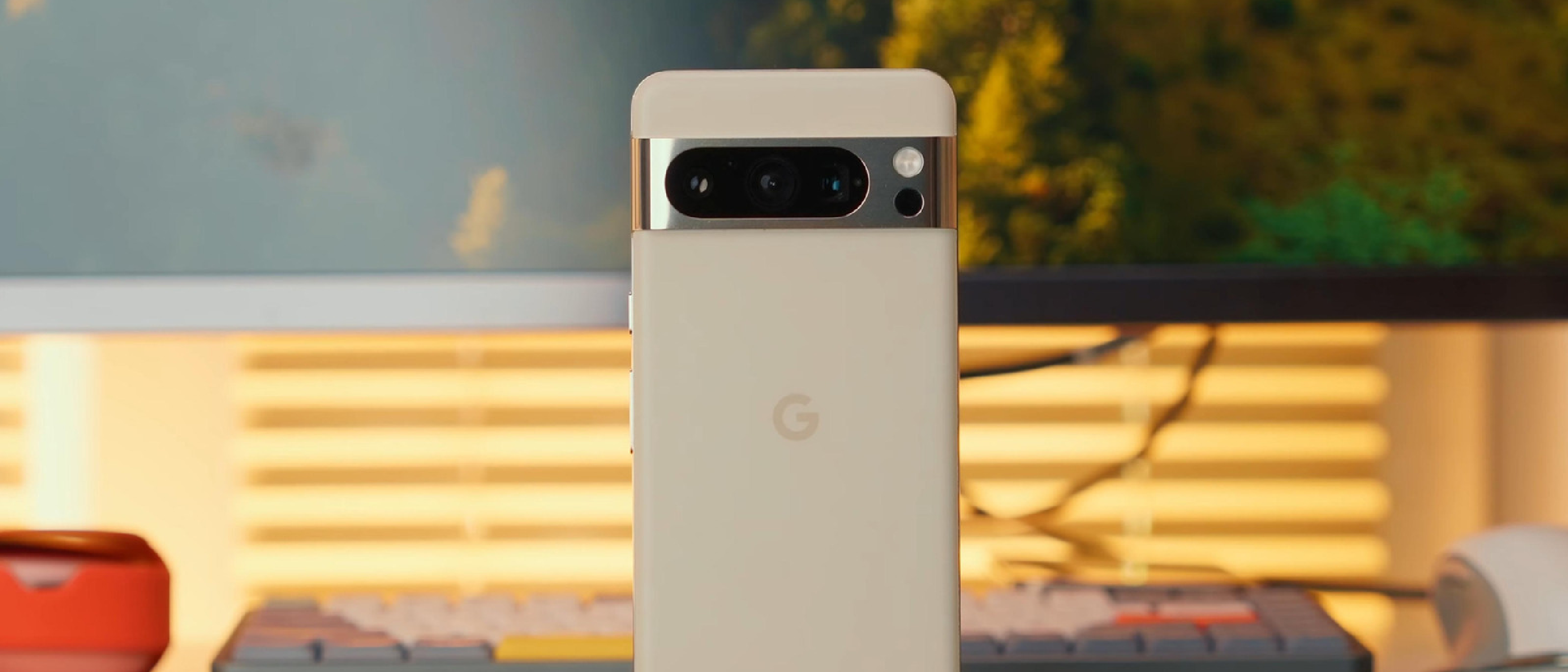
Google announced a decisive shift in its post‑sale support strategy: every Pixel phone launched from the Pixel 8 series onward will receive seven years of software updates, encompassing both major Android version upgrades and monthly security patches. The update window is calculated from the month a device first becomes available on the Google Store in the United States.
Key dates from the policy include:
| Device | Release | Support End | Duration |
|---|---|---|---|
| Pixel 8 / 8 Pro | 2023 | Oct 2030 | 7 years |
| Pixel 9 / 9 Pro | Aug‑Sep 2024 | Aug‑Sep 2031 | 7 years |
| Pixel 10 / 10 Pro | 2025 | Aug 2032 | 7 years |
| Pixel 11 / 11 Pro | 2026 | Aug 2033 | 7 years |
| Pixel 8a | May 2024 | May 2031 | 7 years |
| Pixel 9a | Apr 2025 | Apr 2032 | 7 years |
| Pixel 10a | Mar 2026 | Mar 2033 | 7 years |
Older generations—Pixel 7/7 Pro, Pixel 6/6 Pro, and the “a” series—retain a five‑year window, while the original Pixel Fold and any device prior to the Pixel 5a are already considered obsolete.
Why Seven Years Matters for Consumers
Longevity Equals Value
A seven‑year support horizon dramatically improves the total cost of ownership. Consumers can now purchase a Pixel device with confidence that it will stay current through at least three Android major releases, plus regular security patches. This reduces the pressure to upgrade for security reasons alone, a factor that has traditionally driven premature device turnover.
Security Implications
Security patches are released monthly. Extending the window to seven years means that even older devices will continue to receive fixes for critical vulnerabilities such as Stagefright, Spectre‑related exploits, and emerging zero‑day threats. For enterprises that enforce strict device compliance, the longer support window simplifies Mobile Device Management (MDM) policies and reduces the administrative burden of forced device refresh cycles.
Environmental Impact
Longer software lifespans directly translate to fewer discarded phones. According to the Global E‑Waste Monitor, smartphones account for roughly 20 % of global electronic waste. By keeping devices functional and secure for an additional two years compared with many Android rivals, Google contributes to a measurable reduction in e‑waste.
Technical Breakdown of Google’s Update Process
OTA Delivery Architecture
Google’s over‑the‑air (OTA) system follows a staged rollout:
- Staging Server – A secure Google Cloud bucket holds the signed update package.
- Device Check‑In – The Pixel’s update client contacts the server, authenticates via a device‑specific key, and receives a manifest of available updates.
- Delta vs. Full Packages – For minor security patches, Google pushes delta updates (only changed binaries). Major OS upgrades are delivered as full images, ensuring a clean state.
- Verification – Each package is signed with Google’s production key; the bootloader verifies the signature before flashing, preventing tampering.
Kernel and Vendor Code Maintenance
A major hurdle for long‑term support is maintaining the kernel and vendor‑specific binary blobs (e.g., camera ISP, DSP). Google’s “Project Treble” separation, introduced in Android 8, decouples the Android framework from the vendor HAL, making it easier to push OS upgrades without requiring full vendor driver rewrites. The seven‑year promise implies that Google will continue to work with SoC partners (Qualcomm, Google‑designed Tensor) to keep these binaries compatible across multiple Android releases.
Security Patch Level (SPL) Tracking
Each monthly patch increments the device’s SPL, displayed in Settings → About Phone. Enterprises can enforce a minimum SPL via MDM, ensuring that any device falling behind the required level is automatically flagged for update or retirement.
Industry Impact and Competitive Landscape
Samsung’s Variable Support Model
Samsung currently offers three to seven years of updates, depending on the model tier (e.g., Galaxy S series receives five years, while the Galaxy Z Fold line gets up to four). Google’s uniform seven‑year policy eliminates ambiguity and sets a clear benchmark for flagship Android devices.
Ripple Effect Across Android OEMs
Historically, Android OEMs have been criticized for fragmented update cycles. Google’s policy may pressure other manufacturers to adopt longer support windows to stay competitive, especially in markets where consumers prioritize security (e.g., finance, healthcare).
Open‑Source ROM Ecosystem
Custom ROMs such as GrapheneOS and LineageOS have long offered extended lifespans for older devices, but they lack OEM‑signed firmware updates. As Google’s policy extends official support, the incentive to switch to community ROMs for security reasons diminishes, though enthusiasts will still value the privacy‑focused features of GrapheneOS.
“That’s not to say you can’t run DIY software on an out‑of‑service Pixel, but rather that any updates pushed to those projects will not benefit from OEM firmware, kernel and vendor code.” – Google statement
Related Security Coverage
For readers interested in broader security contexts, see Google’s approach compared to other platforms:
- Mac Antivirus Intego One – a look at how Apple handles security updates for macOS: https://ltdeveloperblogs.github.io/posts/your-mac-isnt-immune-to-viruses-surveillance-tools-intego-one-is-here-to-help
- Zoom Zero‑Day Exploit – an example of how delayed patches can expose users to high‑risk attacks: https://ltdeveloperblogs.github.io/posts/zoom-flaw-let-an-attacker-take-over-your-device-including-iphone-and-mac
These articles illustrate why timely patches are critical across all operating systems.
Future Outlook: What to Expect from Pixel Devices
Anticipated Feature Roadmap
While Google has not disclosed specific Android version targets, the seven‑year window suggests that a Pixel 8 purchased in 2023 could see Android 15, Android 16, and Android 17 releases before support ends in 2030. This aligns with Google’s historical cadence of one major release per year.
Potential for Extended “a” Series Support
The “a” series (Pixel 8a, 9a, 10a) now enjoys the same seven‑year promise, signaling that Google is treating its mid‑range lineup as a first‑class citizen. This may encourage developers to target a broader device base, knowing that a larger portion of the Android ecosystem will stay up‑to‑date.
USB‑C Capabilities and Hardware Longevity
Longer software support also maximizes the utility of hardware features such as USB‑C. The USB‑C port on Pixel phones supports fast charging, high‑speed data, and video output. With software staying current, new USB‑C standards (e.g., USB 4.1) can be leveraged via driver updates, extending the functional lifespan of the hardware. For a deeper dive into USB‑C possibilities, read: https://ltdeveloperblogs.github.io/posts/your-phones-usb-c-port-does-a-lot-more-than-just-charge-heres-what-else-it-can-do
Risks After End‑of‑Support
When official updates cease, devices become vulnerable to unpatched exploits. Users can mitigate risk by:
- Switching to a reputable custom ROM that receives community security patches.
- Limiting exposure by disabling unnecessary services (e.g., Bluetooth, location) when not in use.
- Using a secondary device for high‑risk activities (e.g., banking) while retaining the older Pixel for media consumption.
Frequently Asked Questions
Q1: When does the seven‑year clock start for a Pixel device?
A: The countdown begins the month the phone first becomes available for purchase on the Google Store in the United States.
Q2: Will Pixel 8a receive the same major Android upgrades as the Pixel 8 Pro?
A: Yes. All devices in the Pixel 8 family, including the “a” variant, are covered by the seven‑year policy and will receive the same major OS releases.
Q3: How does this policy affect Android security patch levels?
A: Monthly security patches will continue throughout the seven‑year window, ensuring the device’s SPL stays current and compliant with enterprise policies.
Q4: Can I still use GrapheneOS after official support ends?
A: Absolutely. Community ROMs can be installed on any Pixel, but they will not receive OEM‑signed firmware updates, which means kernel and vendor code will no longer be patched by Google.
Q5: Does this longer support period apply to the Pixel Fold?
A: The original Pixel Fold is slated for a five‑year support window, consistent with earlier flagship devices.
Conclusion
Google’s seven‑year software‑update commitment marks a watershed moment for Android smartphones. By guaranteeing major OS upgrades and monthly security patches for Pixel 8 and newer, Google not only raises the bar for competitors but also delivers tangible consumer benefits: increased device value, stronger security posture, and a measurable reduction in electronic waste. The policy’s ripple effects will likely influence OEM strategies, encourage more robust MDM practices, and reshape the expectations of Android users worldwide. As the ecosystem adapts, developers, enterprises, and everyday users
As the ecosystem adapts, developers, enterprises, and everyday users will begin to re‑evaluate device lifecycles. For developers, a longer support window means a more stable target base; they can ship features that rely on newer Android APIs without fearing that a sizable portion of the market will be left behind after a single year. Enterprises gain a predictable upgrade path, allowing them to align procurement budgets with multi‑year contracts rather than annual refresh cycles. And for the average consumer, the promise of seven years of updates translates into a tangible reduction in “upgrade fatigue” – you can finally keep the phone you love for the duration of a typical smartphone loan or lease.
Practical Tips for Getting the Most Out of a Seven‑Year Pixel
| Action | Why It Matters | How to Implement |
|---|---|---|
| Enable automatic updates | Guarantees you never miss a security patch or OTA upgrade. | Settings → System → Advanced → System update → Auto‑download over Wi‑Fi. |
| Monitor the Security Patch Level (SPL) | SPL is the single most visible indicator of a device’s security health. | Settings → About phone → Android security patch level. |
| Back up regularly | Longer device lifespans increase the chance of hardware failure later on. | Use Google One, local backups, or third‑party solutions like Titanium Backup (root required). |
| Consider a protective case & screen‑guard | Physical durability complements software longevity. | Choose reputable brands with verified drop‑test ratings. |
| Stay informed about major Android releases | Knowing when a new version is slated helps you plan app testing or feature roll‑outs. | Follow the Android Developers Blog or subscribe to Google’s release‑notes RSS feed. |
Potential Challenges and How Google Might Address Them
Vendor‑Specific Binary Compatibility – As the Tensor and Snapdragon SoCs evolve, maintaining binary compatibility for camera, AI, and audio pipelines becomes increasingly complex. Google has hinted at deeper collaboration with its silicon partners, possibly extending the “Project Treble” concept to include vendor‑level OTA patches that can be pushed without a full OS image.
Security Patch Fatigue – Monthly patches are beneficial, but they can also overwhelm users who disable updates to save data. Google may introduce incremental “security‑only” OTA bundles that are smaller than full OTA packages, reducing data consumption and installation time.
Regulatory Pressures – The European Union’s “right to repair” legislation could intersect with Google’s update policy, prompting the company to publish public roadmaps for each device’s support timeline. Transparency will become a competitive differentiator.
Looking Ahead: The Next Generation of Pixel Support
- AI‑Driven Update Scheduling – Future Pixel devices could leverage on‑device AI to predict the optimal time for OTA installation based on usage patterns, battery health, and network conditions.
- Extended “a” Series Parity – With the “a” line now enjoying the same seven‑year window, we may see premium‑grade features (e.g., advanced camera modes, higher refresh‑rate displays) trickle down to mid‑range models earlier than before.
- Modular Firmware Updates – Google is experimenting with modular OTA components that allow individual subsystems (e.g., radio, GPU) to be updated independently, further reducing the risk of bricking devices during major upgrades.
Key Takeaways
- Seven years of updates applies to Pixel 8 and all subsequent models, including the “a” series.
- The support window starts the month the device first ships on the US Google Store.
- Older Pixel generations retain a five‑year window, while pre‑Pixel 5a devices are already out of support.
- Google’s OTA architecture, Project Treble separation, and ongoing vendor collaborations are the technical pillars that make this promise feasible.
- The policy sets a new industry benchmark, likely pressuring other Android OEMs to extend their own support timelines.
Final Thoughts
Google’s seven‑year commitment is more than a marketing headline; it’s a strategic move that aligns software longevity with consumer expectations, enterprise security requirements, and environmental stewardship. By guaranteeing both major OS upgrades and monthly security patches for a longer period, Google not only raises the bar for Android but also nudges the entire smartphone market toward a more sustainable, secure, and user‑friendly future. As developers begin to target a more stable API horizon and enterprises adjust their device‑management policies, the ripple effects will be felt across app stores, accessory ecosystems, and even recycling programs. In short, the Pixel’s extended lifespan is a win for everyone—from the coder in a garage to the CIO of a multinational corporation.
Additional Frequently Asked Questions
Q6: Will the seven‑year policy affect the resale value of Pixel phones?
A: Historically, devices with longer software support retain higher resale prices because buyers value continued security updates. Expect Pixel 8‑series resale values to stay competitive for at least five years after launch.
Q7: How does the update schedule interact with carrier‑specific firmware?
A: Carrier‑branded Pixels receive the same base OTA packages, but carriers may add their own configuration overlays. Google’s policy ensures the core OS and security patches are delivered on schedule; carrier customizations are typically rolled out within a few weeks of the Google release.
Q8: Are there any differences in update cadence between the Pixel Pro and non‑Pro models?
A: No. All devices within a generation—whether Pro, standard, or “a” variant—receive updates simultaneously, though the size of the OTA may differ due to hardware‑specific drivers.
Q9: Can I opt out of major OS upgrades while still receiving security patches?
A: Yes. Android’s “Software update” settings allow you to defer major version upgrades for a limited period (usually 30 days). Security patches, however, continue to install automatically.
Q10: What happens if I purchase a Pixel outside the United States?
A: The seven‑year window is calculated from the global launch month for each device, not just the US release. Regions with delayed rollouts will still receive the full seven years from the first official availability in that market.
Source: Original Article