





Overview of the Impact
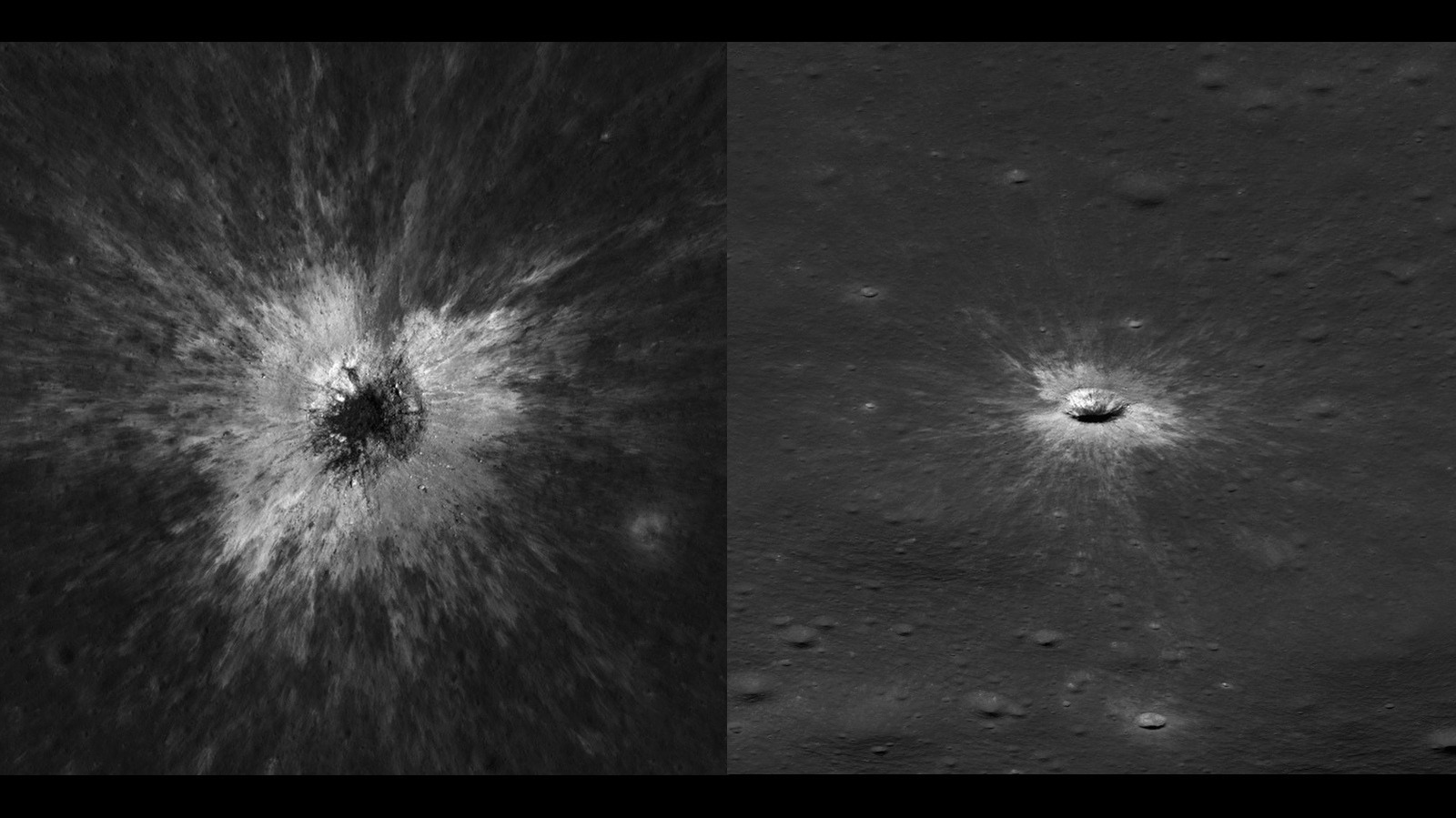
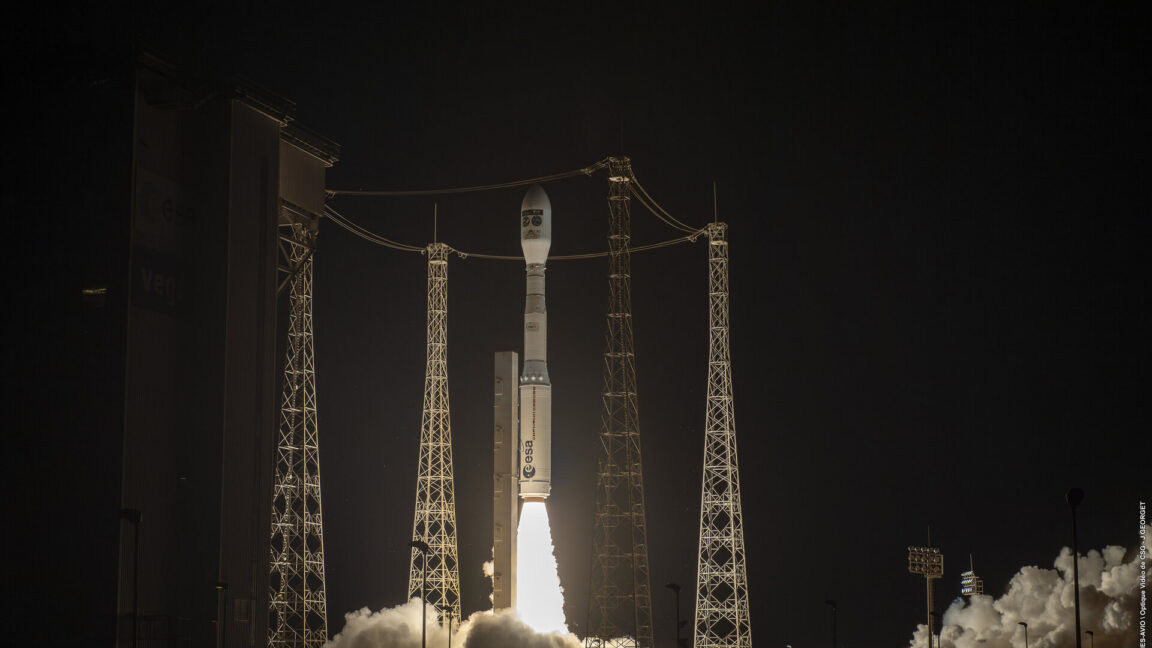
In a dramatic culmination of a high‑energy lunar transfer mission, the second stage of SpaceX’s Falcon 9 rocket, launched in January 2025, finally collided with the Moon. The impact produced a crater dozens of feet wide and nearly 12 feet (3.6 m) deep—larger than several cars combined. The first images of the crater were released by the Korea Aerospace Research Institute (KARI) using its Danuri lunar orbiter, which operates at an altitude of 62 miles (100 km) above the lunar surface. The event was also confirmed by the Very Large Telescope (VLT), which detected sodium and lithium vapor rising from the impact site.
This incident is significant not only for the visual record it provides but also for the broader implications it raises about debris management, observational science, and the future of lunar exploration.
Technical Breakdown of the Crash
Orbital Dynamics and Decay
- Initial Trajectory: The Falcon 9 second stage was placed into a lunar‑transfer orbit, a highly elliptical path that required the majority of the vehicle’s propulsion to reach the Moon’s vicinity.
- Unstable Orbit: Over more than a year, gravitational perturbations from Earth, the Moon, and the Sun altered the stage’s trajectory, gradually lowering its periselene until it intersected the lunar surface.
- Controlled Deorbiting: SpaceX confirmed that a controlled deorbit maneuver was not feasible for this high‑energy mission. The vehicle’s remaining propellant was insufficient to execute a safe re‑entry over the ocean.
Impact Mechanics
- Velocity at Impact: Calculations estimate the stage struck the Moon at approximately 2.5 km/s, a speed that produced a crater roughly 12 m deep.
- Crater Size: The crater’s diameter, measured from Danuri images, is about 10 m—comparable to the width of a standard car.
- Ejecta Plume: VLT observations detected sodium and lithium vapor, indicating that the impact excavated subsurface material rich in these elements.
Imaging and Data Collection
- Danuri Orbiter: Captured high‑resolution images before and after the impact, providing visual confirmation of the crater’s formation.
- Very Large Telescope: Detected spectral signatures of sodium and lithium, confirming the presence of fresh ejecta.
- Future Releases: NASA and KARI plan to release higher‑resolution images, though a granular view of the crater remains unlikely due to the limited resolution of current lunar orbiters.
Observational Highlights and Scientific Significance
First‑hand Visual Evidence
The Danuri orbiter’s images are the first ever to show a modern rocket stage impacting the Moon. The visual documentation offers a unique opportunity to study impact cratering processes on a body with negligible atmosphere.
Spectral Analysis
The detection of sodium and lithium vapor by the VLT provides insight into the composition of the lunar regolith at the impact site. These elements are often associated with the Moon’s interior, suggesting that the impact may have excavated material from deeper layers.
Timing and Predictability
Astronomers had predicted the impact’s timing and location months in advance, allowing telescopes worldwide to prepare for observation. This collaboration between space agencies and ground‑based observatories underscores the importance of coordinated monitoring for future missions.
Industry Implications and Future Disposal Strategies
Debris Management in Lunar Missions
- Risk Assessment: The Falcon 9 crash highlights the growing risk of debris on the Moon as more missions target lunar orbit and surface operations.
- Regulatory Response: NASA and international bodies are revisiting guidelines for the disposal of spacecraft stages to mitigate the creation of new hazards.
Collaboration Between SpaceX and NASA
SpaceX’s statement emphasizes its commitment to responsible space operations:
“We are actively working to be as responsible as possible with the hardware left in space and to ensure space safety, even on more complex missions. In this case, over time, solar activity and gravity deflected the second stage toward the Moon. Impacts like this are rare, but they can occur with objects in these types of orbits, and we are collaborating with NASA to find the optimal disposal solution.”
This partnership may pave the way for joint protocols on deorbiting and disposal of high‑energy stages.
Technological Lessons
- Propulsion Efficiency: Future missions may incorporate more efficient propulsion systems or dedicated deorbit engines to avoid uncontrolled trajectories.
- On‑board Monitoring: Incorporating real‑time trajectory monitoring could allow for last‑minute corrections, reducing the likelihood
of uncontrolled impacts.
Ethical and Environmental Considerations
The Falcon 9 impact reignites debates about the ethical implications of leaving human-made debris on celestial bodies. While the Moon lacks an atmosphere and biosphere, the accumulation of discarded hardware could interfere with future scientific missions or lunar bases. Some experts argue for stricter international agreements to preserve the lunar environment, akin to the Outer Space Treaty, which prohibits harmful contamination of celestial bodies.
Broader Context: The Moon as a Debris Field
Historical Precedents
The Falcon 9 stage is not the first human-made object to strike the Moon. Notable past impacts include:
- NASA’s LCROSS mission (2009): Intentionally crashed into the Moon to study water ice in permanently shadowed craters.
- China’s Chang’e 1 (2009): Deorbited to impact the lunar surface as part of its mission conclusion.
- India’s Chandrayaan-1 (2008): Lost contact and later confirmed to have crashed.
- Apollo-era Saturn V stages: Several S-IVB stages were deliberately crashed into the Moon to study seismic activity.
However, the Falcon 9 incident is unique because it was an unintended collision of a commercial rocket stage, highlighting the challenges of managing space debris in an era of increasing private spaceflight.
The Growing Threat of Lunar Debris
As nations and companies race to establish a permanent presence on the Moon, the risk of debris accumulation grows. Key concerns include:
- Collision Hazards: Debris in lunar orbit could threaten future landers, orbiters, or crewed missions.
- Contamination: Rocket stages may carry terrestrial microbes or chemicals that could interfere with scientific experiments, such as the search for indigenous lunar life or water ice.
- Interference with Observations: Debris could scatter light or create false signals in telescopic observations of the lunar surface.
International Efforts to Mitigate Risks
In response to these challenges, several initiatives are underway:
- NASA’s Artemis Accords: Encourage sustainable lunar exploration, including guidelines for debris mitigation.
- ESA’s Zero Debris Charter: Aims to limit the creation of new debris in Earth and lunar orbits by 2030.
- UN Office for Outer Space Affairs (UNOOSA): Facilitates discussions on space debris and lunar sustainability.
The Role of Private Companies in Lunar Exploration
SpaceX’s Falcon 9 impact underscores the dual role of private companies in space exploration: as enablers of innovation and as potential sources of new challenges. While companies like SpaceX, Blue Origin, and ispace are driving down the cost of lunar missions, their activities also introduce complexities in regulation and debris management.
SpaceX’s Track Record and Future Plans
SpaceX has been a pioneer in reusable rocket technology, significantly reducing the cost of access to space. However, the Falcon 9 incident highlights the need for improved disposal strategies for high-energy missions. The company’s future plans include:
- Starship Lunar Lander: A variant of Starship is being developed for NASA’s Artemis program to transport astronauts to the Moon.
- Lunar Gateway: SpaceX will provide cargo resupply missions to NASA’s planned lunar space station.
- Private Lunar Missions: Companies like Intuitive Machines and Astrobotic are partnering with SpaceX to deliver payloads to the Moon.
Balancing Innovation and Responsibility
The space industry faces a delicate balance between fostering innovation and ensuring responsible behavior. Key questions include:
- Who is accountable for debris? Should companies be required to deorbit stages, even if it increases mission costs?
- How can international cooperation be strengthened? Lunar debris is a global issue, requiring coordinated solutions.
- What role should governments play? Should space agencies regulate private companies more strictly, or should industry self-regulate?
Scientific Opportunities from the Impact
Despite the concerns, the Falcon 9 impact presents unique scientific opportunities:
- Crater Formation Studies: The event allows researchers to study the mechanics of impact cratering on the Moon, which has implications for understanding similar processes on Earth and other celestial bodies.
- Lunar Regolith Composition: The detection of sodium and lithium in the ejecta plume provides clues about the Moon’s subsurface composition, which could inform future mining efforts.
- Seismic Activity: If future missions deploy seismometers on the Moon, impacts like this could help map the lunar interior by studying how seismic waves propagate.
Conclusion: A Wake-Up Call for Lunar Exploration
The Falcon 9 impact serves as a wake-up call for the space industry, highlighting the need for proactive measures to manage debris and ensure the sustainability of lunar exploration. While the event was unintended, it offers valuable lessons for future missions:
- Improved Trajectory Modeling: Better predictions of orbital decay could help avoid unintended impacts.
- Enhanced Disposal Strategies: Companies and space agencies must develop more reliable methods for deorbiting or disposing of rocket stages.
- International Collaboration: Global cooperation is essential to address the challenges of lunar debris and ensure the Moon remains a viable destination for scientific and commercial activities.
As humanity prepares to return to the Moon and establish a permanent presence, the Falcon 9 incident reminds us that space exploration must be conducted responsibly. The Moon is not just a destination—it is a shared resource that must be preserved for future generations.
FAQ
1. Why did the Falcon 9 stage crash into the Moon?
The Falcon 9 second stage was placed into a high-energy lunar transfer orbit in January 2025, which left it with insufficient fuel for a controlled deorbit. Over time, gravitational perturbations from Earth, the Moon, and the Sun altered its trajectory, leading to an uncontrolled impact.
2. How big is the crater left by the Falcon 9?
The crater is approximately 10 meters (33 feet) wide and 3.6 meters (12 feet) deep, roughly the size of several cars combined.
3. Why is this impact significant?
This is the first time images of a modern rocket stage impacting the Moon have been captured. The event highlights the growing challenge of space debris and the need for better disposal strategies for lunar missions.
4. What did the Very Large Telescope detect?
The VLT detected sodium and lithium vapor rising from the impact site, indicating that the collision excavated subsurface material rich in these elements.
5. Could this impact have been prevented?
In this case, a controlled deorbit was not possible due to the high-energy nature of the mission. However, future missions could incorporate more efficient propulsion systems or dedicated deorbit engines to avoid similar outcomes.
6. What are the risks of lunar debris?
Lunar debris poses several risks, including:
- Collision hazards for future landers, orbiters, or crewed missions.
- Contamination of the lunar environment with terrestrial materials.
- Interference with scientific observations, such as telescopic studies of the Moon.
7. What is being done to address lunar debris?
International efforts include:
- NASA’s Artemis Accords, which encourage sustainable lunar exploration.
- ESA’s Zero Debris Charter, aiming to limit new debris by 2030.
- UNOOSA discussions on space debris and lunar sustainability.
8. Will there be more images of the crater?
NASA and KARI may release higher-resolution images in the coming days, but a “granular view” of the crater is unlikely due to the limited resolution of current lunar orbiters.
9. How does this impact compare to past lunar collisions?
Unlike past intentional impacts (e.g., NASA’s LCROSS mission), the Falcon 9 crash was unintended. It underscores the challenges of managing debris from commercial spaceflight.
10. What can we learn from this event?
The impact provides opportunities to study:
- Crater formation on the Moon.
- Lunar regolith composition, particularly the presence of sodium and lithium.
- Seismic activity, if future missions deploy seismometers.
Source: Original Article