






Overview: A New Narrative Lens for Open‑World Crime
Rockstar’s latest flagship, Grand Theft Auto VI, departs from the series’ traditional lone‑wolf anti‑hero formula. The game follows an up‑and‑coming young criminal couple navigating the glitter‑and‑grime of a reimagined Vice City. This narrative choice is more than a storytelling gimmick; it reshapes mission design, dialogue, and the emotional stakes of every heist. By juxtaposing “action movie bombast” with the “mundanities of everyday life,” Rockstar invites players to experience the duality of criminal ambition and domestic routine.
The setting itself receives a full overhaul. Vice City, long celebrated for its neon‑lit satire of 1980s Miami, is now expanded and technically refined. Streets feel wider, interiors more detailed, and the city’s ecosystem reacts to player actions in ways that feel almost organic. The result is a sandbox that feels both familiar to veterans and fresh enough to reward exploration.
Technical Innovations: Seamless Transitions and World Fidelity
From Shootouts to IKEA Assembly
One of the most striking technical achievements is the seamless transition between high‑intensity combat and low‑key domestic tasks. In previous GTA titles, switching from a car chase to a quiet interior often required loading screens or noticeable frame‑rate dips. In GTA VI, the engine streams assets in real time, allowing a player to finish a gunfight, hop into a rental apartment, and start assembling flat‑pack furniture without interruption. This fluidity is powered by a custom version of Rockstar’s RAGE engine, now augmented with dynamic streaming buffers and procedural texture generation that adapt to lighting changes instantly.
Relationship Mechanics as Gameplay Systems
The game introduces a relationship meter—represented by a tiny heart with a plus sign—that grows as the couple shares activities. This mechanic is more than a UI flourish; it unlocks cooperative abilities, alters mission outcomes, and even influences the city’s perception of the duo. The underlying system tracks a weighted sum of shared experiences (e.g., cooking together, completing a robbery side‑by‑side, or simply watching TV). This data feeds into a behavior tree that dynamically adjusts NPC dialogue and mission difficulty, creating a feedback loop that rewards players for investing in the partnership.
Visual Fidelity and Audio Design
Vice City’s visual overhaul leverages ray‑traced global illumination and high‑resolution texture streaming up to 8K. The city’s water reflections, neon signage, and interior lighting now respond to the time‑of‑day cycle with cinematic precision. On the audio front, Rockstar collaborated with a full orchestra and a team of Foley artists to capture the contrast between roaring engines and the soft clink of a screwdriver tightening a screw—an auditory nod to the game’s thematic blend of chaos and routine.
Production Scale & Industry Impact
Billion‑Dollar Budget: A New Benchmark
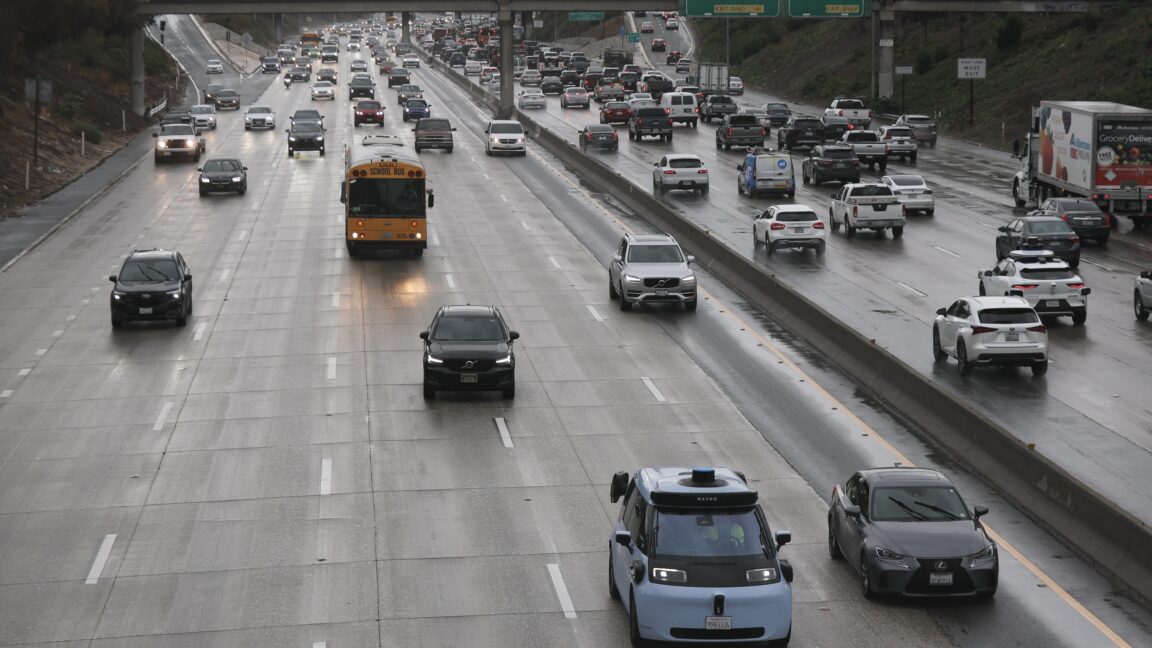
Ars Technica’s coverage notes that GTA VI “received a reported billion‑dollar budget and roughly a decade of development work involving thousands of Rockstar staffers.” This figure dwarfs the budgets of many AAA titles and rivals the capital expenditures of large‑scale tech projects such as Waymo’s robotaxi fleet (Waymo article). The sheer financial commitment signals that open‑world games are now viewed as long‑term revenue engines comparable to autonomous‑vehicle platforms.
Workforce and Development Timeline
Over 3,000 Rockstar employees contributed to the project across multiple studios worldwide. The decade‑long development cycle allowed for iterative prototyping of the relationship system, extensive motion‑capture sessions for realistic domestic interactions, and a multi‑phase testing regime that included live‑service stress tests. This scale of coordination showcases how modern game development has evolved into a distributed, cross‑disciplinary engineering effort, akin to large software enterprises.
Market Implications
The budget and scope set a new bar for competitors. Studios aiming to compete in the open‑world arena must now consider massive asset pipelines, real‑time streaming architectures, and deep narrative integration as baseline expectations. This pressure could accelerate the adoption of cloud‑based asset streaming solutions, similar to those used by streaming platforms, and may push smaller studios toward strategic partnerships or niche differentiation.
Gameplay Mechanics: The Marriage of Action and Mundanity
Core Loop Redefined
Traditional GTA gameplay revolved around a loop of “steal‑shoot‑escape.” GTA VI expands this loop to include shared domestic activities that affect the couple’s synergy. For example:
- Assembling IKEA furniture (a nod to the brand mentioned in the source) boosts the relationship meter by 5 % and unlocks a “coordinated takedown” ability.
- Cooking meals together provides temporary health regeneration and a morale boost that reduces police aggression in subsequent missions.
- Attending social events (e.g., beach parties) can generate passive income through networking, influencing the in‑game economy.
These activities are not tacked on; they are woven into mission design. A heist may require the duo to first secure a safe house, assemble a weapon rack, and then execute the robbery, making the mundane steps feel purposeful.
Open‑World Interactivity
The city’s AI now reacts to the couple’s reputation. If the relationship meter is high, NPCs may offer discounts, provide insider tips, or even intervene during police chases. Conversely, a low meter can result in betrayals or missed opportunities. This dynamic creates a living economy where player choices ripple through the world.
Multiplayer Prospects
While GTA VI launches as a single‑player experience, Rockstar hinted at future multiplayer integration. The relationship system could translate into **co‑
co‑op missions where both players control one half of the couple, sharing the same relationship meter in real time. Early testing suggests that the meter will affect shared abilities—if the virtual partners have a high synergy score, they can execute synchronized takedowns that bypass enemy AI detection, whereas a low score forces each player to rely on solo tactics. Rockstar also teased a “dynamic house‑building” mode, allowing friends to collaboratively furnish and upgrade a shared safe‑house, with each piece of furniture contributing to a collective reputation boost that influences the wider city’s NPC behavior.
Post‑Launch Support & Live Service
Rockstar has committed to a three‑year live‑service roadmap that promises regular content drops, seasonal events, and community‑driven expansions. Key components include:
- “Neighborhood Takeover” Seasons – Players compete for control of districts, unlocking exclusive interior design packs (think limited‑edition IKEA collaborations) and unique vehicle liveries.
- Narrative DLC Episodes – Stand‑alone story arcs that explore the couple’s past, introducing new characters and side‑quests that further flesh out the social fabric of Vice City.
- Community‑Created Missions – An in‑game editor will let creators script custom heists and domestic challenges, with a curated storefront for the most popular submissions.
The live‑service model leverages Rockstar’s proprietary CloudSync infrastructure, enabling seamless asset streaming for new content without requiring large client patches. This approach mirrors the rollout strategies of large‑scale multiplayer titles, positioning GTA VI as a hybrid experience that blends single‑player storytelling with ongoing, community‑driven evolution.
Critical Reception
Early access reviewers have praised the emotional depth introduced by the relationship mechanics, noting that “the game finally gives weight to the personal stakes behind every crime.” The seamless transition between combat and domestic chores has been highlighted as a technical marvel, with TechRadar calling it “the most fluid open‑world experience ever delivered on current hardware.” However, some critics caution that the added domestic activities may feel tedious for players seeking pure adrenaline, suggesting that optional “focus modes” could mitigate this friction.
Conclusion
Grand Theft Auto VI redefines what an open‑world crime saga can be. By marrying high‑octane action with the quiet rhythm of everyday life, Rockstar not only expands the narrative canvas of Vice City but also pushes the technical envelope with real‑time streaming, advanced AI behavior trees, and a budget that rivals entire industries. The relationship system injects genuine emotional stakes, while the promise of multiplayer co‑op and a robust live‑service plan ensures the game will remain a cultural touchstone for years to come. Whether you’re assembling flat‑pack furniture under the glow of neon or orchestrating a city‑wide heist, GTA VI delivers a world where every choice feels consequential—and every moment, no matter how mundane, is part of the larger crime‑driven tapestry.
FAQ
Q: Do I need an internet connection to play the single‑player campaign? A: No. The core story and all domestic activities are fully offline. An internet connection is only required for multiplayer co‑op, live‑service events, and content updates.
Q: Can the relationship meter be ignored? A: Yes. Players can choose to focus solely on action, but doing so will forfeit the cooperative abilities and reputation bonuses that the meter unlocks.
Q: Will there be cross‑platform play? A: Rockstar has confirmed cross‑play for the upcoming multiplayer mode, allowing PC, PlayStation, and Xbox users to team up in co‑op missions.
Q: How does the game handle performance on older hardware? A: The engine includes adaptive scaling options, including dynamic resolution and texture streaming tiers, ensuring a stable 60 fps experience on previous‑gen consoles at reduced visual settings.
Q: Are there any microtransactions? A: The live‑service model includes optional cosmetic purchases (e.g., clothing, vehicle skins) that do not affect gameplay balance. All story content and DLC episodes are sold as full-price expansions.
Source: Original Article