





What Is “Pet Memory” and How Does It Fit Into Gemini for Home?
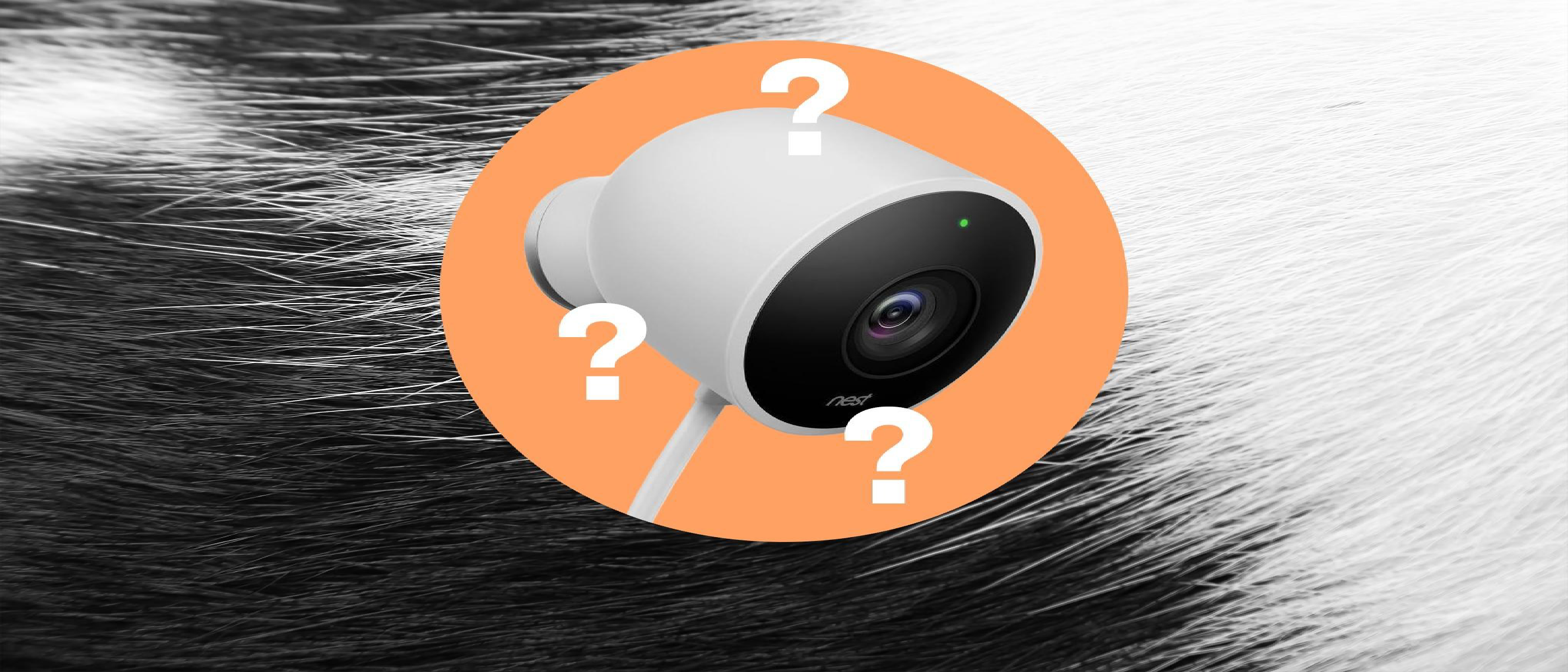
Google’s latest addition to the Gemini for Home ecosystem is Pet Memory, an AI‑driven feature that teaches a Nest camera to recognize each animal that roams through a household. Rather than reporting a generic “animal detected,” the camera now tags the specific pet—be it a cat, a Labrador, or a hamster—and forwards that context to the broader Google Home platform.
The practical upshot is simple yet powerful: once the system knows who is present, it can trigger pet‑specific automations. A sleepy Persian cat might prompt a dimmer light and a warmer thermostat setting, while an energetic terrier could trigger a short “playtime” playlist and a brief pause on the vacuum robot. The feature is positioned as a convenience for pet owners who already rely on smart‑home routines for lighting, climate, and security.
The announcement was first reported by The Verge, and Google’s own blog highlighted two user‑centric pain points: the desire to monitor multiple critters and the overload of generic alerts that often drown out the important ones.
“One of the best things my smart home does is help me care for my pets, and security cameras are particularly useful for keeping track of my many critters.”
“But the barrage of notifications they send often means I miss important ones.”
Pet Memory directly addresses the second quote by filtering notifications down to pet‑specific events, reducing noise and improving relevance.
Technical Breakdown: From Vision Models to Home Automation
AI Model Stack
At the core of Pet Memory lies a custom vision model built on Google’s Gemini AI platform. While Google has not disclosed the exact architecture, the model likely follows a two‑stage pipeline:
- Object Detection – A lightweight convolutional neural network (CNN) identifies the presence of an animal in the frame. This stage runs on‑device to preserve privacy and minimize latency.
- Identity Classification – A second, more specialized network compares the detected animal against a user‑provided gallery of pet images. The gallery is stored locally on the Nest hub or encrypted in the user’s Google account.
The on‑device inference ensures that raw video never leaves the home, aligning with Google’s broader privacy commitments for Nest devices.
Integration with Google Home Routines
Once an animal is identified, the Nest camera publishes an event to the Google Home Graph, the central state store that powers automations. Developers can now reference a new entity type, pet.id, in routine definitions. For example:
trigger:
  - type: pet_presence
    pet_id: "fluffy_the_cat"
action:
  - service: light.set_brightness
    entity_id: light.living_room
    brightness: 30%
This syntax mirrors existing triggers for presence detection, motion, and voice commands, making it easy for power users and third‑party developers to adopt.
Edge Computing and Power Considerations
Running inference on a Nest camera raises concerns about power consumption and heat. Google mitigates this by:
- Model Quantization – Reducing model precision to 8‑bit integers, cutting compute cycles by up to 70 %.
- Event‑Driven Processing – The model only activates when motion is detected, rather than continuously scanning the video feed.
- Hardware Acceleration – Nest cameras now include a dedicated Tensor Processing Unit (TPU) slice, similar to the one used in Pixel phones for on‑device AI.
These optimizations keep the camera’s power draw comparable to its previous baseline, preserving battery life for battery‑operated models.
Why It Matters: Real‑World Benefits for Pet Owners
Reducing Alert Fatigue
Pet owners often receive dozens of “motion detected” alerts per day, many of which are irrelevant. By attaching a pet’s identity to each alert, the system can prioritize notifications—e.g., only alert when a pet enters a restricted zone or when a new, unrecognized animal appears.
Tailored Comfort Settings
Animals have distinct comfort preferences. A senior cat may need a warmer room, while a high‑energy dog might benefit from cooler temperatures after a play session. Pet Memory enables dynamic climate control that adapts in real time, potentially improving pet health and reducing owner anxiety.
Security Implications
Distinguishing between a known pet and an unknown intruder adds a layer of security. If a Nest camera spots an unfamiliar animal (or a human) in a pet‑only zone, it can trigger a higher‑priority alert, prompting the homeowner to investigate.
Data Privacy
Because the identification happens locally, owners retain control over their pet’s visual data. This contrasts with older cloud‑only solutions that streamed raw footage to remote servers, raising privacy concerns.
Industry Impact: A Step Toward Pet‑Centric Smart Homes
Pet Memory is one of the first mainstream AI features that treats pets as first‑class citizens in a smart‑home ecosystem. Its ripple effects could include:
- Competitive Pressure – Companies like Amazon (Ring) and Apple (HomePod) may accelerate their own pet‑recognition roadmaps to stay relevant.
- Third‑Party Ecosystem Growth – Developers can now build pet‑specific integrations, such as automated feeder controls, pet‑door unlocking, or even health‑monitoring alerts tied to wearables.
- Cross‑Domain AI Adoption – The feature showcases how AI can move from generic object detection to nuanced identity recognition, a trend also seen in other domains like AI‑powered browsing ( Firefox Smart Window: AI‑Powered Browsing Redefined ).
By positioning pets within the same automation framework as lights and thermostats, Google blurs the line between human‑centric and animal‑centric smart‑home experiences.
Future Outlook: Where Pet‑Aware AI Could Go Next
Integration with Wearables
Future iterations might combine camera‑based identification with data from pet wearables (e.g., smart collars). Correlating location, heart rate, and activity levels could enable health‑focused automations, such as adjusting humidity for a dog with respiratory issues.
Multi‑Pet Household Coordination
In homes with several pets, the system could learn interaction patterns—e.g., which pets tend to share a space and adjust lighting to reduce territorial stress. Machine‑learning models could predict conflicts before they happen, prompting owners with preventive suggestions.
Expanded Security Use Cases
As pet‑recognition matures, it could serve as a first line of defense against wildlife intrusion in rural homes. Detecting a raccoon versus a family dog could trigger different security protocols, reducing false alarms.
Potential Challenges
- Model Bias – Training data must represent diverse breeds, sizes, and coat colors to avoid misidentification.
- Privacy Regulations – Even on‑device processing may fall under emerging privacy laws that require explicit consent for biometric data, which could be interpreted to include pet facial features.
Overall, the trajectory points toward a more empathetic, context‑aware smart‑home that respects both human and animal occupants.
Frequently Asked Questions
Q1: Do I need a new Nest camera for Pet Memory?
No. Existing Nest cameras that support the latest firmware can receive the update. However, models with the built‑in TPU slice provide the best performance.
Q2: How do I train the system to recognize my pets?
During setup, the Google Home app prompts you to upload 5–10 clear photos of each pet. The app then creates a personalized model stored locally on the camera.
Q3: Will my pet data be stored in the cloud?
All identification processing occurs on‑device. Only anonymized event metadata (e.g., “pet_id: fluffy_the_cat entered kitchen”) is sent to the cloud for routine execution.
Q4: Can I disable pet‑specific notifications?
Yes. In the Google Home app, navigate to Pet Memory → Notification Settings and toggle alerts per pet or per zone.
Q5: Is there any risk of false positives?
Initial models may misclassify similar‑looking pets, but accuracy improves with more training images and periodic re‑training prompts from the app.
Conclusion
Google’s Pet Memory feature marks a meaningful evolution in the smart‑home landscape, turning pets from background motion sources into active participants in home automation. By leveraging on‑device AI, privacy‑preserving processing, and seamless integration with Google Home routines, the feature delivers tangible benefits—reduced alert fatigue, personalized comfort, and enhanced security—while opening the door for a new wave of pet‑centric applications. As competitors respond and developers explore novel integrations, we can expect the smart‑home to become an increasingly inclusive environment for all household members, furry or otherwise.
Zoom Zero‑Day Exploit: Remote Takeover of iPhone & Mac
Google’s approach to Pet Memory also underscores a broader shift in AI development—one that prioritizes contextual intelligence over generic detection. Unlike traditional motion sensors or even basic object recognition, Pet Memory doesn’t just ask what is in the frame; it asks who is in the frame and what that means for the household. This level of nuance is critical for smart-home systems to move beyond novelty and become truly indispensable.
User Experience: Setup and Onboarding
Google has designed Pet Memory to be accessible even to non-technical users. The onboarding process is streamlined into three steps:
- Gallery Creation – Users upload photos of their pets via the Google Home app. The app guides them to capture images from multiple angles (front, side, and rear) to improve model accuracy. For best results, Google recommends including photos in different lighting conditions and with varying fur textures (e.g., wet vs. dry).
- Labeling and Training – After uploading, users assign a name to each pet (e.g., “Milo the Dog”). The system then spends 10–15 minutes processing the images locally on the Nest camera, fine-tuning the model to recognize the pet’s unique features. This step is privacy-preserving, as no data leaves the device.
- Routine Customization – Once training is complete, users can create or modify Google Home routines to respond to specific pets. For example, a routine might dim the lights when “Luna the Cat” enters the living room at night or send a notification when “Buddy the Dog” lingers near the front door.
Google has also included a feedback loop to improve accuracy over time. If the camera misidentifies a pet, users can correct the mistake in the app, and the model will adjust accordingly. This iterative learning process ensures the system becomes more reliable with regular use.
Limitations and Workarounds
While Pet Memory is a significant step forward, it is not without limitations:
- Breed and Coat Variability – Pets with highly variable appearances (e.g., a dog with seasonal shedding or a cat with a shaved patch) may require periodic re-training. Google’s model is designed to handle minor changes, but drastic alterations to a pet’s appearance could temporarily reduce accuracy.
- Multi-Pet Confusion – In households with multiple pets of the same species and similar appearance (e.g., two tabby cats), the system may occasionally mix them up. Google recommends using distinct collars or tags to help the model differentiate between them.
- Lighting and Camera Angle – Poor lighting or unusual camera angles can hinder identification. Nest cameras with night vision or wide-angle lenses perform better in these scenarios, but users may need to adjust camera placement for optimal results.
- Privacy Trade-offs – While on-device processing is a privacy win, it also means the model’s capabilities are limited by the camera’s hardware. Cloud-based processing could offer higher accuracy, but at the cost of privacy—a trade-off Google has explicitly chosen to avoid.
Competitive Landscape: How Rivals Might Respond
Google’s move into pet-specific AI is likely to prompt responses from its competitors, each of which may take a different approach:
- Amazon (Ring/Alexa) – Amazon already offers pet detection in its Ring cameras, but it lacks individual pet identification. A future update could integrate with Alexa’s routine system, allowing users to create pet-specific automations. Amazon might also leverage its vast retail ecosystem to offer bundled deals, such as discounts on smart pet feeders or cameras for users who enable pet recognition.
- Apple (HomeKit) – Apple’s HomeKit ecosystem is known for its strong privacy focus, making it a natural fit for on-device pet recognition. However, Apple’s slower iteration cycle could delay a response. If it does enter the space, expect tight integration with Apple’s health and fitness features, such as syncing pet activity data with the Health app.
- Samsung (SmartThings) – Samsung’s SmartThings platform could integrate pet recognition with its existing AI features, such as Bixby’s voice commands. Samsung might also explore partnerships with pet tech companies to offer a more holistic solution, such as combining camera data with smart collars or feeders.
- Startups and Niche Players – Smaller companies like Furbo (pet cameras) or Petcube (interactive pet monitors) could differentiate themselves by offering more specialized features, such as real-time health monitoring or two-way video calls with pets. These companies might also explore partnerships with Google or Amazon to integrate their hardware into broader smart-home ecosystems.
Ethical Considerations: AI and Animal Welfare
As AI becomes more integrated into pet care, ethical questions arise about its role in animal welfare:
- Over-Reliance on Technology – While Pet Memory can enhance pet care, it should not replace human interaction or responsibility. Owners must remain vigilant about their pets’ needs, rather than assuming the smart home will handle everything.
- Behavioral Impact – Some pets may be sensitive to changes in their environment, such as automated lighting or temperature adjustments. Owners should monitor their pets’ reactions to new routines and adjust settings accordingly.
- Data Ownership – Even with on-device processing, questions remain about who owns the data generated by pet recognition. Google’s privacy policy states that users retain control over their data, but legal frameworks for biometric data (even for pets) are still evolving.
- Accessibility – Pet Memory requires a Nest camera and a Google Home ecosystem, which may not be accessible to all pet owners. Google could address this by offering lower-cost hardware or partnering with animal shelters to provide smart-home solutions for foster pets.
Real-World Testing: Early Adopter Experiences
Early adopters of Pet Memory have reported mixed but promising results. In a beta test conducted by Google, participants highlighted several key takeaways:
- Accuracy Improvements – Users with distinct pets (e.g., a large dog and a small cat) reported near-perfect accuracy after the initial training period. Those with similar-looking pets noted occasional misidentifications but saw improvements after providing additional training images.
- Routine Customization – Many users appreciated the ability to create pet-specific routines. For example, one user set up a routine to play calming music when their anxious cat entered the living room, while another used the feature to automatically lock the pet door when their dog was outside at night.
- Notification Management – The most praised aspect of Pet Memory was its ability to reduce alert fatigue. Users reported feeling more confident in their smart home’s ability to surface important notifications, such as when a pet entered a restricted area or when an unfamiliar animal was detected.
- Privacy Concerns – Some users expressed initial skepticism about the camera’s ability to recognize pets without cloud processing. However, after learning that all identification happens on-device, most were reassured.
The Road Ahead: What’s Next for Pet Memory?
Google has hinted at several potential updates and expansions for Pet Memory in the coming months:
- Cross-Device Integration – Future updates may allow Pet Memory to sync across multiple Nest cameras in a home, providing a more comprehensive view of a pet’s movements. For example, if a pet leaves the living room and enters the kitchen, the system could trigger a routine to turn on the kitchen lights.
- Health Monitoring – Google is exploring ways to integrate Pet Memory with health-focused features, such as detecting limping or unusual behavior. This could involve partnerships with pet wearable companies or veterinary clinics to provide early warnings for potential health issues.
- Voice Commands – Users may soon be able to ask Google Assistant questions like, “Where is Fluffy?” or “Has Max been in the kitchen today?” The system could respond with a summary of the pet’s recent activity, based on camera data.
- Community Features – Google could introduce a social element, allowing users to share anonymized data about their pets’ routines with researchers or veterinarians. For example, users might opt into a study on pet sleep patterns, contributing to broader insights into animal behavior.
Final Thoughts: A Smarter Home for All
Google’s Pet Memory feature is more than just a clever AI trick—it’s a glimpse into the future of smart homes, where technology adapts to the unique needs of every household member, human or animal. By treating pets as active participants in home automation, Google is pushing the boundaries of what smart-home systems can achieve. The feature’s emphasis on privacy, ease of use, and real-world utility sets a new standard for pet-centric AI, one that competitors will likely strive to match.
As smart homes continue to evolve, the line between human and animal experiences will blur further. Features like Pet Memory are just the beginning, paving the way for a more inclusive, empathetic, and intelligent living environment. Whether it’s adjusting the thermostat for a senior cat or playing soothing music for an anxious dog, the smart home of the future will be one that truly understands and cares for all its inhabitants.
Frequently Asked Questions
Q6: Can Pet Memory recognize pets other than cats and dogs? Yes. While cats and dogs are the most common use cases, Pet Memory is designed to recognize a wide range of pets, including birds, rabbits, and even reptiles. However, accuracy may vary for less common pets, and users may need to provide additional training images.
Q7: Does Pet Memory work with third-party smart-home devices? Currently, Pet Memory is fully integrated with Google Home routines and Nest cameras. However, Google has stated that it plans to open the feature to third-party developers via the Google Home API, allowing for broader compatibility with devices like smart lights, thermostats, and pet feeders.
Q8: How does Pet Memory handle pets with similar appearances? For pets with similar appearances (e.g., two identical-looking cats), Google recommends using distinct collars, tags, or other visual markers to help the model differentiate between them. Users can also provide additional training images to improve accuracy.
Q9: Can I use Pet Memory to monitor my pet’s health? While Pet Memory is primarily designed for identification and automation, Google is exploring health-focused features, such as detecting unusual behavior or mobility issues. These features are not yet available but may be introduced in future updates.
Q10: What happens if I move or get a new pet? If you move, your Pet Memory settings will transfer to your new home as long as you use the same Google account. If you get a new pet, you can add it to the system by uploading photos and labeling it in the Google Home app. The model will then retrain to include the new pet.
Q11: Is Pet Memory available globally? Pet Memory is currently available in select regions, including the U.S., Canada, the U.K., and parts of Europe. Google plans to expand availability to additional markets in the coming months.
Source: Original Article