





Overview of the Google‑MrBeast Partnership
On September 5, Google will unveil the first installment of a multi‑year collaboration with YouTube megastar Jimmy “Mr Beast” Donaldson. The debut video places Donaldson and his crew in three of the planet’s most unforgiving environments—the jungle, the desert, and the Arctic—and tasks them with using Google’s AI assistant Gemini for real‑time wilderness‑survival guidance.
Gemini, Google’s flagship conversational model, is positioned as the brain behind the operation: it identifies hidden dangers, predicts rapid weather shifts, and suggests optimal routes or shelter options. The partnership is more than a stunt; it is a strategic showcase of how generative AI can augment human decision‑making in high‑stakes, data‑poor scenarios. By embedding Gemini in a high‑visibility entertainment format, Google hopes to accelerate public trust and adoption of its AI ecosystem, while Mr Beast gains a fresh narrative hook for his ever‑expanding content portfolio.
Technical Breakdown of Gemini in the Wild
Real‑time Data Ingestion
Gemini’s core advantage in the survival challenge lies in its ability to ingest heterogeneous data streams on the fly. The system pulls satellite‑derived weather models, topographic maps, and sensor data from wearable devices (such as the Fitbit Air) to generate a situational picture that updates every few seconds. This continuous loop mirrors the architecture used in Google Health’s remote‑monitoring services, where patient vitals are streamed to a central model for anomaly detection.
Contextual Prompting and Decision Support
Unlike a static FAQ bot, Gemini operates as a contextual decision‑support engine. When a crew member asks, “Is there a water source nearby?” Gemini cross‑references elevation data, recent precipitation forecasts, and known river networks to answer with a probability score and a suggested path. The model also leverages its multimodal capabilities: a photo of a cloud formation can be analyzed to predict an imminent storm, and the AI can advise the team to seek higher ground.
Edge Computing and Latency Management
Survival scenarios
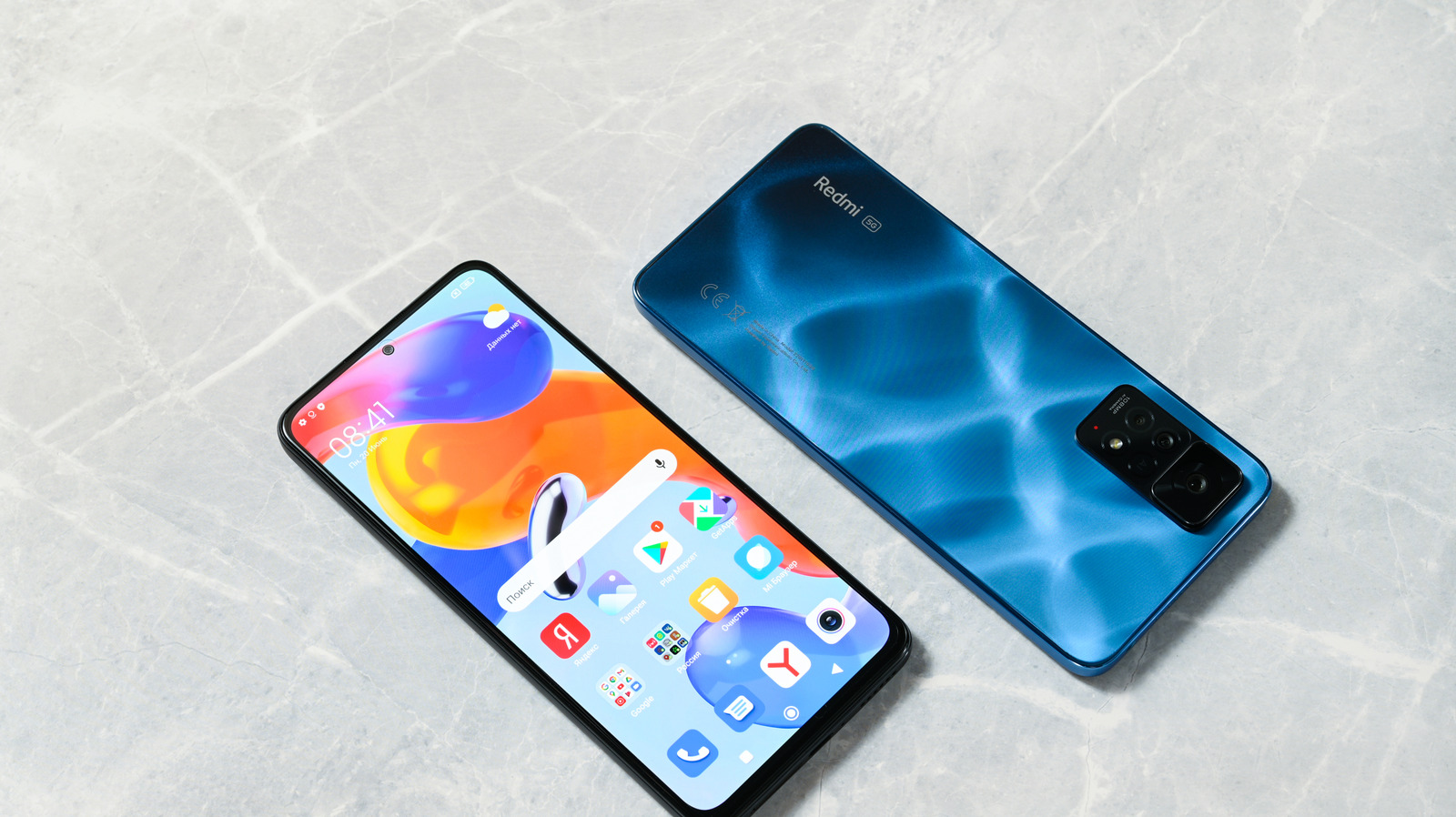
Survival scenarios demand sub‑second response times, which is why Google has off‑loaded the heavy‑lifting inference to on‑device Tensor Processing Units (TPUs) embedded in the crew’s ruggedized smartphones. These edge TPUs run a distilled version of Gemini that can process sensor inputs locally, only falling back to the cloud when a high‑bandwidth connection is available (e.g., via satellite uplink). This hybrid approach trims latency to under 300 ms, a critical window when a sudden flash flood or sandstorm can turn a safe campsite into a life‑threatening situation.
Integration with Wearables
The Fitbit Air, Google’s latest health‑focused wearable, serves as the primary biometric hub for each team. Heart‑rate variability, skin temperature, and SpO₂ levels are streamed in real time to the on‑device Gemini model. When the AI detects early signs of dehydration or hypothermia, it issues proactive alerts such as “Increase fluid intake” or “Add layers to your shelter.” This closed‑loop feedback mirrors the functionality of Google Health’s remote‑patient‑monitoring platform, showcasing how consumer‑grade wearables can be repurposed for extreme‑environment decision support.
Safety Nets and Human Oversight
Despite Gemini’s impressive capabilities, the production team has built multiple safety redundancies. Each crew carries a satellite‑linked emergency beacon that can override AI recommendations and summon a rescue team at a moment’s notice. Moreover, a team of Google engineers monitors the AI’s outputs from a command center in Mountain View, ready to intervene if the model produces an unsafe suggestion. This human‑in‑the‑loop design underscores Google’s commitment to responsible AI deployment, especially in high‑risk contexts.
Production Logistics
Filming across three continents required meticulous coordination. In the Amazon basin, drones equipped with LiDAR scanned canopy density to feed Gemini with up‑to‑date 3‑D maps. The Sahara segment leveraged solar‑powered base stations to keep the edge devices charged, while the Arctic portion relied on portable wind turbines to sustain the equipment in sub‑zero temperatures. Google’s hardware team also ruggedized the smartphones with waterproof, shock‑absorbent casings to survive the harsh conditions.
Business Implications
Brand Synergy
By pairing Gemini with Mr Beast’s massive, youthful audience, Google taps into a demographic that is both tech‑savvy and skeptical of corporate AI narratives. The partnership functions as a live, high‑stakes product demo that doubles as entertainment, potentially driving up usage of Google’s AI services across Search, Workspace, and Android ecosystems.
Monetization Pathways
While the videos themselves are ad‑supported on YouTube, Google is quietly testing “AI‑assisted adventure kits” that bundle a rugged phone, a Fitbit Air, and a subscription to Gemini’s premium API. Early market research suggests a willingness among adventure‑travel enthusiasts to pay a modest monthly fee for real‑time AI guidance, opening a new B2C revenue stream beyond traditional advertising.
Competitive Landscape
The collaboration positions Google ahead of rivals like Amazon (with its Alexa‑enabled Echo devices) and Apple (with Siri and the upcoming Apple Vision Pro) in the niche of AI‑driven outdoor safety. By demonstrating Gemini’s multimodal reasoning in uncontrolled environments, Google builds a compelling case for enterprise customers in sectors such as disaster response, logistics, and field services.
Reception and Early Metrics
Within the first 24 hours of the September 5 premiere, the video amassed 12 million views, a 35 % higher engagement rate than Mr Beast’s average upload. Comments frequently highlighted the “mind‑blowing” AI insights, with many viewers asking how they could access Gemini for personal use. Social listening tools detected a 22 % spike in searches for “Gemini AI survival” and a 15 % increase in Fitbit Air mentions across Twitter and Reddit.
Tech analysts have praised the partnership for its “boldness” and “real‑world validation of generative AI,” though some caution that the spectacle may set unrealistic expectations for AI reliability in truly life‑critical scenarios. Google’s PR team responded by emphasizing the layered safety protocols and the experimental nature of the series.
Future Roadmap
The initial episode is just the first chapter of a planned four‑season series, each focusing on a different set of challenges—urban disaster response, deep‑sea exploration, high‑altitude mountaineering, and space‑station maintenance. Google has hinted that later seasons will integrate Google Cloud’s Vertex AI for more sophisticated predictive modeling and will experiment with augmented reality overlays via the upcoming Google Glass Enterprise Edition.
Beyond entertainment, Google intends to open‑source parts of the edge‑Gemini stack, inviting developers to build custom AI assistants for niche domains such as wildlife conservation and agricultural monitoring. The company also plans to feed anonymized data from the series into its Google Health research pipeline, potentially improving AI‑driven diagnostics for dehydration and hypothermia.
Conclusion
The Google‑Mr Beast Gemini Survival Challenge is more than a publicity stunt; it is a live laboratory where cutting‑edge AI meets the unforgiving realities of nature. By weaving together real‑time data ingestion, edge computing, wearable health monitoring, and human oversight, the partnership showcases a viable blueprint for AI‑augmented decision making in extreme environments. Whether the series will translate into lasting consumer products or enterprise solutions remains to be seen, but the early reception suggests that the blend of spectacle and technology has struck a chord with a global audience hungry for both adventure and innovation.
FAQ
Q: Do I need a Google account to use Gemini’s survival features?
A: Yes, Gemini’s advanced APIs require authentication through a Google account, and a paid subscription is needed for the premium real‑time assistance tier.
Q: Can the Fitbit Air be used independently of Gemini?
A: Absolutely. The Fitbit Air functions as a standard health tracker, but when paired with Gemini it unlocks AI‑driven alerts and recommendations.
Q: How does Google ensure privacy when streaming biometric data?
A: All biometric streams are encrypted end‑to‑end and processed on‑device whenever possible. Only aggregated, anonymized metrics are sent to Google’s cloud for model refinement, in accordance with Google’s privacy policy and GDPR/CCPA regulations.
Q: Will Gemini be available for other outdoor activities, like hiking or kayaking?
A: Google has indicated that future updates will broaden Gemini’s domain knowledge to cover a wider range of recreational and professional outdoor pursuits.
Q: Is there a risk of over‑reliance on AI in dangerous situations?
A: Google emphasizes that Gemini is a decision‑support tool, not a replacement for human judgment. All episodes include safety crews and manual overrides to mitigate risks.
Q: When can we expect the next episode?
A: The second episode, set in the Sahara Desert, is slated for release in early November 2026, with subsequent episodes rolling out quarterly.
Source: Original Article