


Background and Discovery
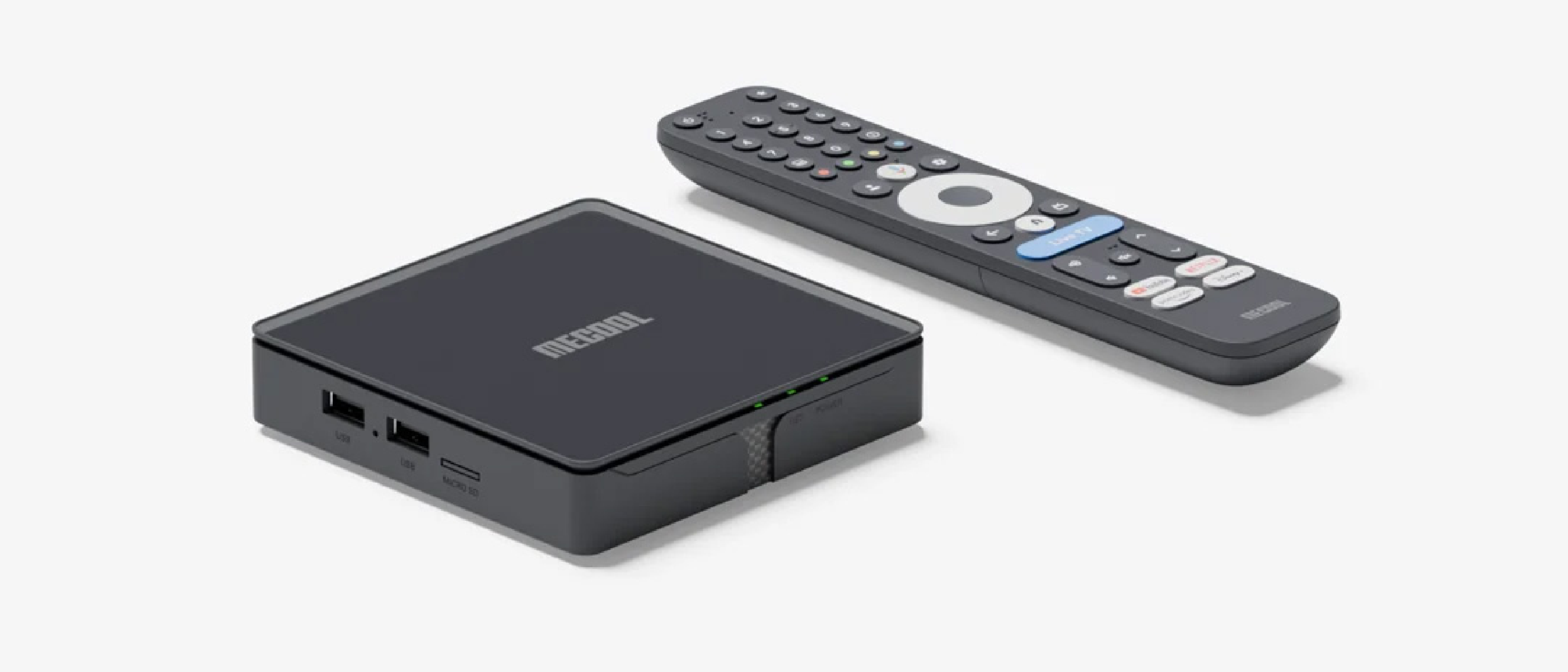
In early 2026, Google’s Threat Intelligence Group (TAG) announced the takedown of a massive botnet dubbed x.cpe. The network had silently infected more than 1.3 million Android TV devices that were certified by Google and sold primarily under the MECOOL brand. The devices, marketed as affordable “smart TV boxes,” passed Google’s certification process, which meant they were automatically trusted by the Play Store and pre‑installed services.
TAG’s investigation began after anomalous traffic patterns were observed from a cluster of Android TV IP addresses. Deep packet inspection revealed connections to command‑and‑control (C2) servers known to host malware traffic. Further forensic analysis uncovered a hidden stub application—identified on the devices as x.cpe or com.oemservice—that possessed system‑level permissions. The stub was capable of disabling Play Protect, Google’s built‑in malware scanner, effectively rendering the devices blind to any subsequent malicious payloads.
The botnet’s scale and stealth raised immediate concerns about the integrity of Google‑certified hardware and the robustness of the Android supply chain. Google’s public statement emphasized that the botnet had been “secretly running” on the devices for an extended period before detection.
Technical Architecture of x.cpe
The x.cpe platform evolved rapidly from a simple dropper into a sophisticated three‑stage modular malware system:
| Stage | Function | Notable Characteristics |
|---|---|---|
| Stage 1 – Dropper | Delivered a minimal stub (x.cpe) that obtained system permissions. | Utilized a signed APK that passed Google’s certification checks. |
| Stage 2 – Loader | Established persistence and disabled Play Protect. | Leveraged Android’s DEVICE_ADMIN APIs to gain elevated rights. |
| Stage 3 – Modular Payloads | Downloaded additional modules on demand, sold as “access” to third parties. | Each module could perform tasks such as cryptocurrency mining, credential harvesting, or DDoS participation. |
The modular design allowed the botnet operators to monetize the network by leasing access to specific modules. Because each module was fetched after the device was online, the initial stub could remain lightweight and avoid detection during the certification audit.
Obfuscation Techniques
Shenzhen‑based Videostrong Technology, the malware developer, employed “obfuscation techniques” that confused static analysis tools. These techniques included:
- String encryption: Critical identifiers and URLs were stored encrypted and decrypted only at runtime.
- Dynamic code loading: The stub fetched dex files from remote servers, compiled them on‑device, and executed them via reflection.
- Package name spoofing: The malicious APK masqueraded as a legitimate system service (
com.oemservice), blending in with genuine OEM packages.
These tactics caused the screening process to miss the malware, as noted by Google’s TAG: “screening process missed the malware due to ‘obfuscation techniques’ employed by Shenzhen‑based Videostrong Technology.”
Supply‑Chain Evasion and Certification Gaps
The incident shines a harsh light on the supply‑chain vulnerabilities inherent in the Android ecosystem:
- OEM Trust Model: Google grants OEMs the ability to pre‑install apps that bypass Play Protect. If an OEM’s firmware is compromised, every device shipped under that OEM’s brand inherits the risk.
- Certification Bottlenecks: The certification process focuses heavily on static binary analysis. Dynamic behaviors that manifest only after network activation can slip through.
- Third‑Party Module Marketplace: By selling modular access, the botnet operators turned the compromised devices into a rentable resource, similar to the illicit “malware‑as‑a‑service” platforms seen in other sectors.
Google’s response included a forced revocation of the compromised certificates and a push to re‑evaluate the certification pipeline. The company also announced enhancements to Play Protect that will monitor for runtime anomalies even on certified devices.
Impact on Users, Brands, and the Broader Ecosystem
End‑User Consequences
- Privacy Breach: The botnet could exfiltrate personal data, including viewing habits and network credentials.
- Performance Degradation: Modules such as cryptominers consumed CPU cycles, leading to sluggish UI and increased power draw.
- Potential Legal Liability: Users unknowingly participating in DDoS attacks could face repercussions from ISPs or law enforcement.
Brand Repercussions
- MECOOL: As the primary brand associated with the infected boxes, MECOOL faces a credibility crisis. Retailers have begun pulling the devices from shelves pending remediation.
- Videostrong Technology: The exposure of their obfuscation methods may deter future clients, but also signals to other threat actors the viability of such techniques.
Industry‑Wide Lessons
The botnet’s scale is comparable to other high‑profile supply‑chain incidents, such as the Zoom annotation flaw that leveraged AI prompts to bypass security controls. Both cases illustrate how trusted platforms can become attack vectors when adversaries exploit certification blind spots. For a deeper look at similar supply‑chain challenges, see the analysis of the Zoom zero‑day exploit: Zoom Flaw Let An Attacker Take Over Your Device Including Iphone And Mac
Google’s swift takedown also mirrors the proactive approach taken by YouTube when it introduced stricter AI‑generated content policies to protect its ecosystem: Youtube Clarifies Policies Around Ai Slop And Upsetting Videos
Industry Response and Future Outlook
Immediate Mitigations
- Patch Rollout: Google issued OTA updates that remove the stub, re‑enable Play Protect, and reset device permissions.
- Certificate Revocation: All certificates associated with the compromised firmware have been invalidated.
- User Notification: Affected users receive in‑app alerts prompting them to update and run a security scan.
Long‑Term Strategies
- Enhanced Runtime Vetting: Future certification will incorporate sandboxed execution of OEM binaries to detect malicious behavior that only appears post‑deployment.
- Zero‑Trust OEM Model: Google is exploring a model where even pre‑installed apps must periodically re‑authenticate with Play Protect, reducing the window for hidden backdoors.
- Threat‑Intel Sharing: TAG plans to share IoC (Indicators of Compromise) with industry partners, fostering a collaborative defense against similar botnets.
Regulatory Implications
Regulators in the EU and US have begun scrutinizing IoT device certification standards. The x.cpe incident may accelerate legislation that mandates mandatory security updates for all consumer‑grade smart devices, akin to the “right to repair” movement for smartphones.
Frequently Asked Questions
Q1: How can I tell if my Android TV box is infected? A: Check for unexpected battery drain, sluggish performance, or unknown apps in the system settings. Run the latest Play Protect scan after updating the device.
**Q2: Will the OTA update fix the issue on
Q2: Will the OTA update fix the issue on my device? A: Yes. The over‑the‑air (OTA) update released by Google removes the malicious stub, reinstates Play Protect, and restores the default permission set. After the update completes, run a manual Play Protect scan to verify that no residual components remain.
Q3: Do I need to factory‑reset my box after installing the OTA patch? A: A factory reset is not required for the patch to be effective. However, if you notice persistent anomalies—such as unknown apps re‑appearing or continued abnormal network traffic—a reset can help ensure any leftover data or configuration changes are cleared.
Q4: How can I prevent similar infections on future Android TV purchases? A:
- Buy from reputable retailers that source devices directly from the manufacturer or an authorized distributor.
- Verify the Android version and ensure the device ships with the latest security patches (Android 13 or newer for TV).
- Enable automatic updates and keep Play Protect active at all times.
- Inspect the “Installed apps” list in Settings → Security → Device admin apps; any unfamiliar entries should be investigated.
Q5: Will other Android TV devices be affected, even if they are not MECOOL‑branded? A: At present, the IoCs (IP addresses, domain names, and certificate fingerprints) point exclusively to firmware signed by Videostrong Technology for MECOOL devices. Google is monitoring other OEMs, and no evidence has emerged of the same stub on non‑MECOOL hardware. Nonetheless, the incident serves as a reminder that any pre‑installed, OEM‑signed app can be a potential attack surface.
Recommendations for OEMs and Developers
- Adopt a “defense‑in‑depth” signing strategy – Require that every pre‑installed component be signed with a unique key that Google can audit independently of the OEM’s bulk certificate.
- Integrate dynamic analysis into certification – Run OEM firmware in a sandbox that simulates real‑world network conditions, looking for delayed payload retrieval or permission escalation attempts.
- Publish transparent firmware changelogs – End‑users should be able to see exactly what system apps are added or updated with each OTA release.
- Implement periodic re‑validation – Even after certification, devices should periodically check with Google’s Play Protect service to confirm that pre‑installed apps still match known good hashes.
- Participate in industry threat‑intel sharing – Contribute IoCs to platforms such as the Malware Information Sharing Platform (MISP) and subscribe to Google’s TAG feeds to stay ahead of emerging tactics.
Closing Thoughts
The takedown of the x.cpe botnet underscores a fundamental truth about modern consumer electronics: trust is only as strong as the weakest link in the supply chain. While Google’s rapid response and the subsequent OTA remediation demonstrate the power of a coordinated threat‑intelligence effort, the incident also reveals systemic gaps in how pre‑installed software is vetted and maintained.
For users, the lesson is clear—stay vigilant, keep devices updated, and leverage built‑in security tools like Play Protect. For manufacturers, the imperative is to treat every piece of firmware as a potential attack vector and to embed continuous security testing into the product lifecycle.
As the IoT landscape continues to expand, the industry must move toward zero‑trust principles even for “trusted” hardware. Only then can we ensure that a smart TV box meant for streaming movies does not become a silent participant in a global botnet.
References & Further Reading
- Google Threat Intelligence Group blog post – “Disrupting x.cpe: A Supply‑Chain Botnet” (Nov 2026)
- Mandiant report on “Modular Malware‑as‑a‑Service” (2025)
- EU Cybersecurity Act – Guidelines for IoT device security (2024)
- NIST SP 800‑183 – “Secure Firmware Updates for Embedded Devices” (2023)
Source: Original Article