







Why GM’s Onward Event Matters
General Motors’ Onward event, held at the Lansing Delta Township Assembly Plant, marked a pivotal moment in the automaker’s long‑term strategy. While the plant’s robot arms continue to weld bodies in a familiar assembly line rhythm, the company’s leadership announced a sweeping transformation toward a software‑centric, AI‑driven future. This shift is not merely a marketing ploy; it reflects a broader industry realignment where traditional manufacturers must compete with nimble, tech‑heavy entrants—particularly Chinese firms that have accelerated their EV and autonomous vehicle (AV) programs.
The announcement underscores a dual narrative: GM remains a producer of large, fuel‑intensive trucks and SUVs, yet it simultaneously pledges to halve vehicle development times through AI and to deploy compute units that are up to forty times more powerful than its current hardware. These promises signal a strategic pivot that could reshape the competitive landscape, forcing rivals to accelerate their own software and AI initiatives.
Technical Breakdown of GM’s AI Strategy
AI‑Driven Development Pipelines
GM’s claim to cut development cycles in half hinges on integrating machine learning models into every stage of the design process. By automating simulation, validation, and testing, engineers can iterate faster and reduce the need for physical prototypes. The company’s focus on AI also extends to predictive maintenance and in‑vehicle diagnostics, where real‑time data streams are analyzed to preempt failures and optimize performance.
Next‑Generation Compute Units
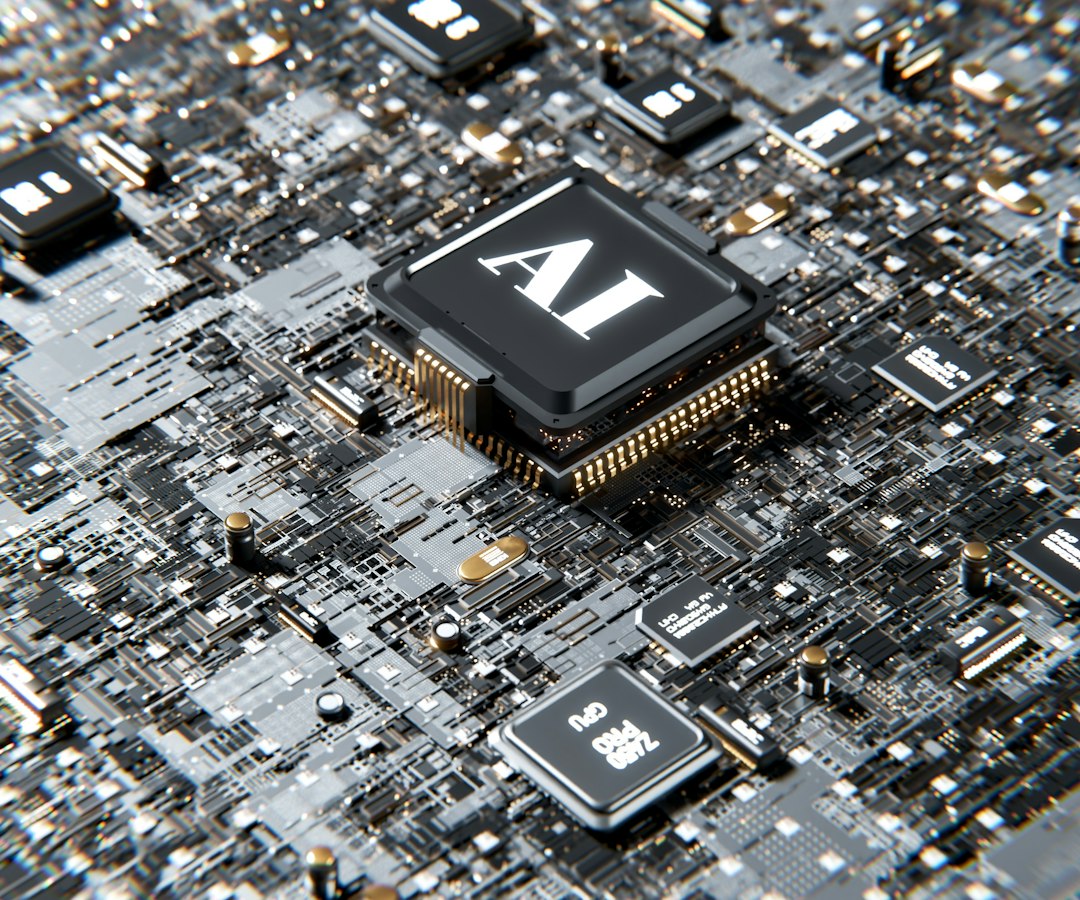
The reference to compute units up to forty times more powerful suggests a move toward specialized hardware accelerators—likely custom GPUs or AI inference chips. These units would enable on‑board processing of complex sensor data, crucial for autonomous driving and advanced driver assistance systems (ADAS). While GM has not disclosed specific chip architectures, the scale of improvement indicates a significant investment in silicon design and supply chain partnerships.
Software‑Defined Vehicle Architecture
Central to GM’s transformation is the concept of a software‑defined vehicle (SDV). In an SDV, the vehicle’s functionality is largely governed by modular software components that can be updated over the air (OTA). This architecture allows for rapid feature rollouts, continuous improvement of safety algorithms, and the ability to tailor experiences for different market segments without redesigning hardware. The shift to SDV also opens revenue streams through subscription services and data monetization, aligning GM with the broader automotive software ecosystem.
Industry Impact: Competition with Chinese Tech Automakers
Chinese automakers such as BYD, NIO, and Xpeng have aggressively expanded their EV and AV portfolios, leveraging deep pockets and a culture of rapid iteration. GM’s Onward event signals a direct response to this threat. By accelerating its AI capabilities, GM aims to level the playing field and regain market share in segments where Chinese firms have already established strong footholds.
The emphasis on compute power and AI efficiency also reflects a strategic move to differentiate GM’s vehicles through software rather than hardware alone. As consumers increasingly value connectivity, over‑the‑air updates, and autonomous features, the ability to deliver new functionalities without a new model cycle becomes a competitive advantage.
Moreover, GM’s commitment to software‑defined vehicles aligns with global regulatory trends that favor data transparency and safety compliance. By embedding AI at the core of its product strategy, GM positions itself to meet evolving safety standards and to participate in the emerging ecosystem of connected mobility services.
The Future of Mobility: Software‑Defined Vehicles
OTA Updates and Continuous Improvement
Software‑defined vehicles enable manufacturers to push updates that improve performance, add new features, or patch security vulnerabilities long after the vehicle has left the factory. This continuous improvement model mirrors the software industry’s release cycles, allowing GM to keep its fleet at the cutting edge without costly recalls.
Data‑Driven Business Models
With robust AI and high‑performance compute units, GM can collect and analyze vast amounts of in‑vehicle data. This data can inform predictive maintenance, personalized user experiences, and new mobility services such as subscription‑based autonomous ride‑hailing. By monetizing data insights, GM can diversify revenue streams beyond traditional vehicle sales.
Collaboration with Tech Partners
The Onward event also hinted at potential collaborations with technology firms that specialize in AI, cloud computing, and edge processing. Such partnerships can accelerate the development of autonomous driving stacks, sensor fusion algorithms, and real‑time decision‑making systems. By integrating external expertise, GM can reduce time‑to‑market and improve the robustness of its autonomous solutions.
Challenges Ahead
Transitioning to a software‑centric model is not without hurdles. Cybersecurity becomes paramount, as vehicles become more connected and reliant on software. Ensuring data privacy, protecting against malicious attacks, and maintaining compliance with regulatory frameworks will require rigorous security protocols and continuous monitoring.
Additionally, the shift demands a cultural transformation within GM. Engineers and designers must adopt agile development practices, and the organization must foster cross‑functional collaboration between hardware, software, and data science teams. The success of this transformation will hinge on GM’s ability to embed these practices into its corporate DNA.
FAQ
Q: What does “software‑defined vehicle” mean?
A: It refers to a car whose core functions—such as infotainment, safety systems, and autonomous driving—are controlled by modular software that can be updated over the air, rather than being fixed by hardware alone.
Q: How will GM’s new compute units improve vehicle performance?
A: By providing up to forty times more processing power than current hardware, these units can handle complex sensor data, run advanced AI models for perception and decision‑making, and enable faster, more reliable autonomous driving capabilities.
Q: Will GM’s focus on AI affect its traditional truck and SUV lineup?
A: Yes. While GM continues to produce large, fuel‑intensive vehicles, the integration of AI and software will modernize these models with features such as predictive maintenance, OTA updates, and enhanced driver assistance.
Q: Are there any partnerships announced during the Onward event?
A: The event highlighted GM’s intent to collaborate with technology firms, but specific partner names were not disclosed in the summary.
Q: How does this shift position GM against Chinese automakers?
A: By accelerating AI development and adopting a software‑defined approach, GM aims to compete more effectively with Chinese firms that have rapidly expanded their EV and autonomous portfolios.
For a deeper dive into gaming tech updates, see the Cyberpunk 2077 2.5 Update article:
https://ltdeveloperblogs.github.io/posts/cyberpunk-2077s-update-for-edgerunners-2-brings-mods-to-ps5-switch-2-and-xbox
.
If you’re interested in how gaming consoles are evolving, the Xbox office return policy article offers context:
https://ltdeveloperblogs.github.io/posts/xbox-mandates-a-four-day-return-to-office
.
For insights into software security, the Mac Antivirus Intego One post provides a useful perspective:
https://ltdeveloperblogs.github.io/posts/your-mac-isnt-immune-to-viruses-surveillance-tools-intego-one-is-here-to-help
.
[END
[END]
Conclusion: Steering Toward a Software‑First Future
GM’s Onward event makes it clear that the automaker is no longer content to rely solely on its legacy of large‑displacement trucks and SUVs. By committing to AI‑driven development pipelines, dramatically more powerful compute units, and a software‑defined vehicle architecture, GM is positioning itself to compete head‑to‑head with the tech‑savvy Chinese manufacturers that have reshaped the EV and autonomous landscape.
The road ahead will be fraught with challenges—cybersecurity, cultural change, and the need for deep partnerships—but the payoff could be transformative. If GM can deliver on its promise to halve development cycles and unleash a new generation of on‑board intelligence, it will not only protect its market share but also set a new benchmark for how traditional automakers evolve into mobility software companies.
The Onward announcements are a bold statement of intent: GM is ready to blend its manufacturing heritage with the agility of a tech firm, turning every vehicle into a platform that can learn, adapt, and improve long after it rolls off the assembly line. Whether that vision will materialize remains to be seen, but the momentum is unmistakable, and the industry will be watching closely.
Source: Original Article