



Why the AI Makeover Matters
General Motors’ decision to embed a dedicated AI assistant into OnStar marks a pivotal shift from a legacy call‑center model to a predictive, cloud‑native platform. The move is more than a cosmetic upgrade; it redefines how drivers interact with their vehicles, how data is processed, and how GM monetizes its connected‑car ecosystem.
- Competitive pressure: Chinese manufacturers such as BYD and Nio have already rolled out AI‑driven infotainment suites that blend voice, vision, and over‑the‑air updates. GM’s AI assistant is a direct response, aiming to keep its U.S. and global market share intact.
- Revenue ambition: The company has publicly targeted a $25 billion subscription business by 2030. By turning OnStar into a platform that can sell premium AI features, predictive maintenance, and third‑party services, GM creates new recurring‑revenue streams.
- Regulatory climate: Recent FTC actions against automakers for opaque data‑sharing practices have forced GM to embed consent‑driven privacy controls from day one. The AI makeover therefore serves both market and compliance objectives.
Technical Breakdown of the OnStar AI Assistant
Core Architecture
The assistant runs on a hybrid edge‑cloud model:
- In‑vehicle inference engine – A Qualcomm Snapdragon Automotive Platform (or equivalent) hosts a lightweight TensorFlow Lite model for real‑time voice intent parsing. This keeps latency under 200 ms for common commands like “set temperature to 72 degrees.”
- Google Cloud integration – While the assistant is now an in‑house product, GM continues to leverage Google Cloud’s Dialogflow for natural‑language understanding (NLU) and the upcoming Gemini LLM for more complex queries. The cloud component handles context‑rich requests (e.g., “find the cheapest charging station on my route”).
- Secure OTA pipeline – Firmware and model updates are delivered via GM’s OTA service, signed with ECDSA‑256 and verified on the vehicle’s Trusted Execution Environment (TEE).
Feature Set
| Feature | Description | Edge vs Cloud |
|---|---|---|
| Voice‑controlled climate | Adjust temperature, fan speed, and seat heating | Edge |
| Vehicle‑status queries | Battery health, range, tire pressure | Edge |
| Navigation assistance | Real‑time traffic, charging‑station recommendations | Cloud |
| Safety alerts | Automatic activation of connected cameras during sudden events | Edge |
| Personalization | Learning driver preferences over time, stored locally unless opted‑in | Edge (with optional cloud sync) |
Connected Cameras Integration
The new camera suite is tightly coupled with the AI assistant. When the system detects an “impending event” (e.g., aggressive horn, sudden deceleration), it:
- Activates front‑ and rear‑view cameras.
- Streams a low‑resolution preview to the OnStar mobile app for immediate driver awareness.
- Stores a time‑limited, encrypted video clip (default 30 seconds) that is uploaded to Google Cloud Storage, then purged after 24 hours unless the user opts to retain it.
Data Privacy Architecture
GM’s response to FTC scrutiny is built around user‑centric consent:
- Granular opt‑in – During initial setup, drivers can toggle data categories (location, audio, video) on a per‑feature basis.
- End‑to‑end encryption – All recordings are encrypted with AES‑256 before leaving the vehicle. Decryption keys never leave the TEE, meaning GM engineers cannot access raw footage.
- Zero‑knowledge storage – Metadata (e.g., timestamps, event type) is stored separately from the media payload, preventing correlation without explicit user permission.
- Third‑party sharing – Any data handed to external services (e.g., map providers) is feature‑specific and consent‑based, as GM’s spokesperson emphasized.
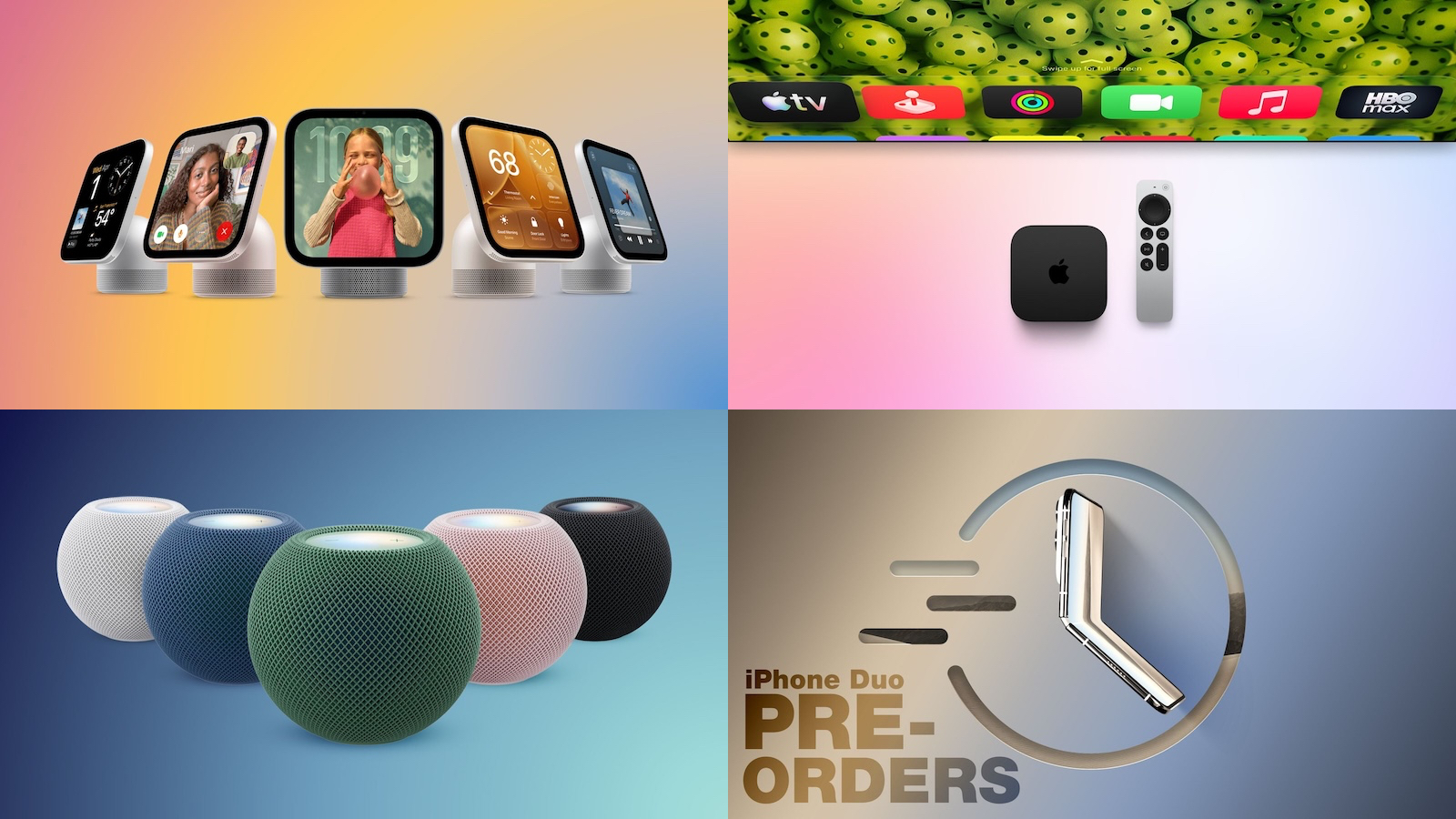
These safeguards are reflected in the new OnStar Mobile App (2027), which replaces the fragmented brand‑specific apps and the older Guardian app launched in 2020. The unified app provides a single privacy dashboard, mirroring the approach taken by consumer‑focused platforms like Apple’s Home ecosystem. For readers interested in how other tech firms handle unified app experiences, see the recent coverage of Apple’s Home View Hub: https://ltdeveloperblogs.github.io/posts/top-stories-apple-homeview-new-apple-tv-and-homepod-mini-and-sold-out-iphone-duo .
Industry Impact and Competitive Landscape
Direct Competitors
| Company | AI Offering | Notable Differentiator |
|---|---|---|
| Tesla | Full‑self‑driving (FSD) voice commands | Deep integration with Autopilot |
| Hyundai/Kia | “Hyundai Digital Key” + AI voice | Strong focus on smart‑home integration |
| BYD | “DiLink” AI assistant | Aggressive pricing in China |
| Ford | “FordPass Connect” with Alexa | Leverages Amazon’s ecosystem |
GM’s advantage lies in its scale of vehicle brands (Cadillac, Buick, Chevrolet, GMC) and its existing subscription infrastructure. By consolidating all brand apps into a single OnStar platform, GM reduces friction for cross‑selling services.
Market Reaction
Analysts at Bloomberg Intelligence have already upgraded GM’s “Connected Services” outlook, citing the AI assistant as a catalyst for higher average revenue per user (ARPU). Meanwhile, the FTC’s ongoing investigations have forced other OEMs to publicly disclose data‑sharing policies, creating a broader industry push toward transparency.
Synergy with Google Partnerships
Although the AI assistant is now an in‑house product, GM’s continued use of Google Cloud for backend processing ensures rapid iteration. The upcoming rollout of Google Gemini in 2026 will likely power more nuanced conversational capabilities, such as multi‑turn dialogues about vehicle diagnostics.
Future Outlook and Roadmap
2027–2028: Feature Expansion
- Multimodal interaction – Integration of gesture recognition (via interior cameras) to complement voice commands.
- Predictive maintenance – AI models that forecast component wear based on sensor telemetry, offering proactive service appointments.
- Third‑party ecosystem – An API marketplace where developers can publish “skills” (e.g., restaurant reservations) that run within the OnStar sandbox, similar to Amazon Alexa Skills.
2029 and Beyond: Toward a Connected Intelligence Platform
Sterling Anderson’s quote underscores GM’s vision: “OnStar is now transitioning to be a connected intelligence platform…” By 2029, GM aims to:
- Unify vehicle, home, and mobile data – Allowing seamless handoff of context (e.g., “continue the podcast I was listening to at home”).
- Dynamic pricing – Subscription tiers that adapt based on usage patterns, leveraging AI to suggest optimal plans.
- Regulatory alignment – Built‑in compliance modules that automatically adjust data‑handling practices to meet emerging global privacy laws.
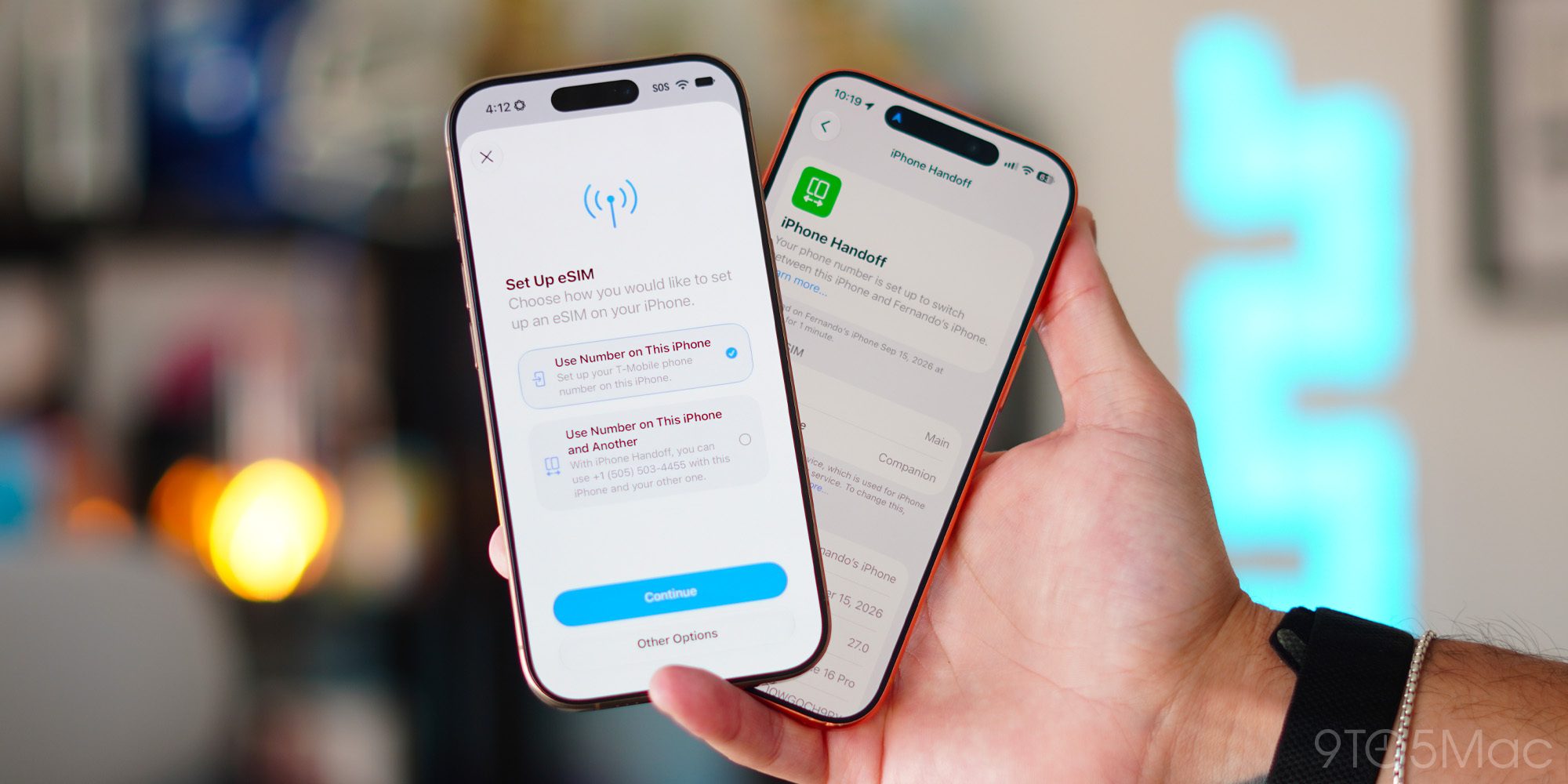
For a perspective on how telecom operators are beginning to charge for advanced handoff features, see Verizon’s recent fee announcement: https://ltdeveloperblogs.github.io/posts/verizon-confirms-10-monthly-fee-for-new-iphone-handoff-feature .
Frequently Asked Questions
**Q1: Which vehicles will
Q1: Which vehicles will receive the OnStar AI Assistant at launch?
The AI‑driven assistant will debut in the 2027 Cadillac Lyriq EV. GM has confirmed that the same software stack will roll out to all 2027‑model‑year vehicles across its core brands—Buick, Chevrolet, GMC and future Cadillac trims—through OTA updates beginning in Q4 2027. Existing 2025‑2026 models will be eligible for a retrofit update where hardware permits (i.e., vehicles equipped with the Snapdragon Automotive Platform and the new camera suite).
Q2: Will the AI assistant replace the traditional OnStar emergency button?
No. The emergency button remains a separate, hardware‑level SOS trigger that connects directly to OnStar’s 24/7 response center. The AI assistant can initiate an emergency call by recognizing a crash or a “help me” voice command, but the dedicated button continues to serve as the primary, always‑available safety fallback.
Q3: How does the new privacy dashboard differ from the old Guardian app?
The unified OnStar Mobile App consolidates all brand‑specific settings into a single “Privacy & Data” hub. Users can:
- Toggle individual data streams (location, audio, video) per feature.
- View a chronological log of every data export, complete with timestamps and destination partners.
- Revoke consent retroactively, which instantly disables the associated data flow on the vehicle’s edge processor.
In contrast, the Guardian app offered only a binary “share data” switch for the entire suite, with no granular visibility.
Q4: What happens to video recordings after the 24‑hour purge window?
If a driver opts to retain a clip, the app prompts for secure cloud storage (either GM‑hosted or a third‑party provider such as Google Drive). Retained files are encrypted with a user‑controlled key; GM never holds the decryption key. If the driver does not opt‑in, the encrypted video is automatically deleted from both the vehicle’s local buffer and Google Cloud Storage after 24 hours.
Q5: Can third‑party developers create “skills” for the OnStar AI Assistant?
Yes. GM is launching an OnStar Developer Portal in early 2028 that offers a sandboxed API environment. Developers can submit voice‑activated skills—ranging from restaurant reservations to home‑automation triggers—subject to a security review and a privacy impact assessment. Approved skills will appear in the “Marketplace” section of the OnStar app, where users can enable them on a per‑skill basis.
Q6: How will the AI assistant affect subscription pricing?
GM plans to introduce tiered subscription bundles:
| Tier | Core Offering | AI‑Enhanced Add‑Ons |
|---|---|---|
| Basic | Standard OnStar safety & navigation | – |
| Premium | All Basic + remote start, vehicle health | Voice‑only AI assistant |
| Ultimate | All Premium + unlimited OTA updates, concierge services | Full multimodal AI (voice + gesture) + third‑party skill marketplace |
Pricing details will be disclosed in the Q1 2028 earnings call, but GM has indicated that the AI‑enhanced tiers will command a modest premium (approximately $5–$10 per month) to reflect the added computational resources and third‑party revenue share.
Conclusion
GM’s AI‑powered overhaul of OnStar is more than a feature refresh; it is a strategic pivot toward a connected intelligence platform that blends edge computing, cloud AI, and a consent‑first data model. By anchoring the assistant in the 2027 Cadillac Lyriq and extending it across its brand portfolio, GM leverages its massive dealer network and existing subscription base to compete with both legacy automakers and emerging Chinese rivals.
The technical choices—lightweight on‑device inference for latency‑critical commands, Google Cloud’s Dialogflow and Gemini for deep‑context queries, and a robust OTA pipeline—position the system for rapid iteration. Meanwhile, the granular privacy controls and zero‑knowledge storage directly address the FTC’s recent enforcement actions, giving consumers a clearer line of sight into how their data is used.
If GM can successfully monetize the AI assistant through tiered subscriptions and an open skill ecosystem while maintaining the high safety standards that made OnStar a household name, it could well achieve its $25 billion subscription target by 2030. The next few years will reveal whether the AI makeover translates into sustained revenue growth or becomes another incremental upgrade in an increasingly crowded connected‑car market.
Source: Original Article