
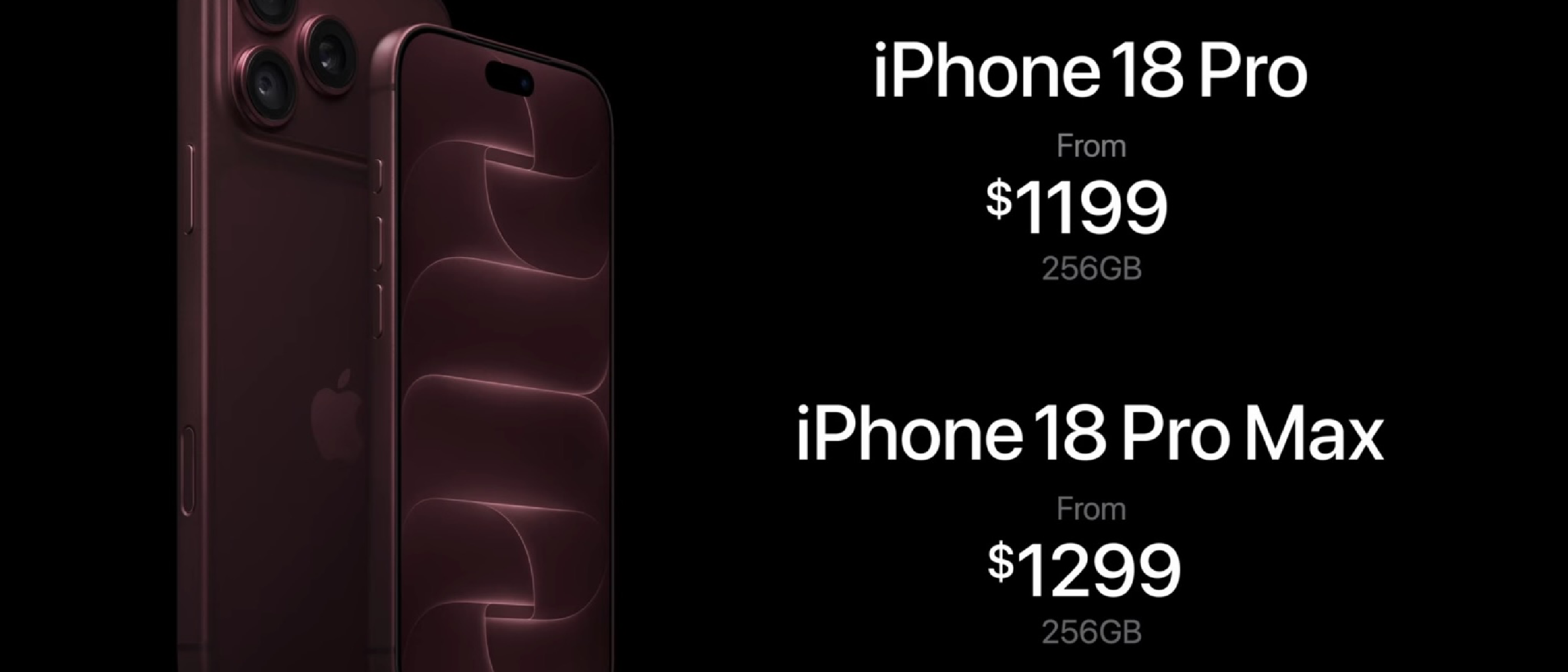
Apple has officially opened the floodgates for the iPhone 18 Pro and iPhone 18 Pro Max, moving from the September 12 pre‑order window into full‑scale global shipping. While most pre‑orders are already on their way, the company has also enabled same‑day in‑store pickup at a growing list of Apple Store locations. This article dissects the pricing matrix, storage options, technical specifications, and the logistical choreography behind the rollout, while also exploring why the launch matters for the broader smartphone ecosystem.
Global Rollout and Immediate Availability
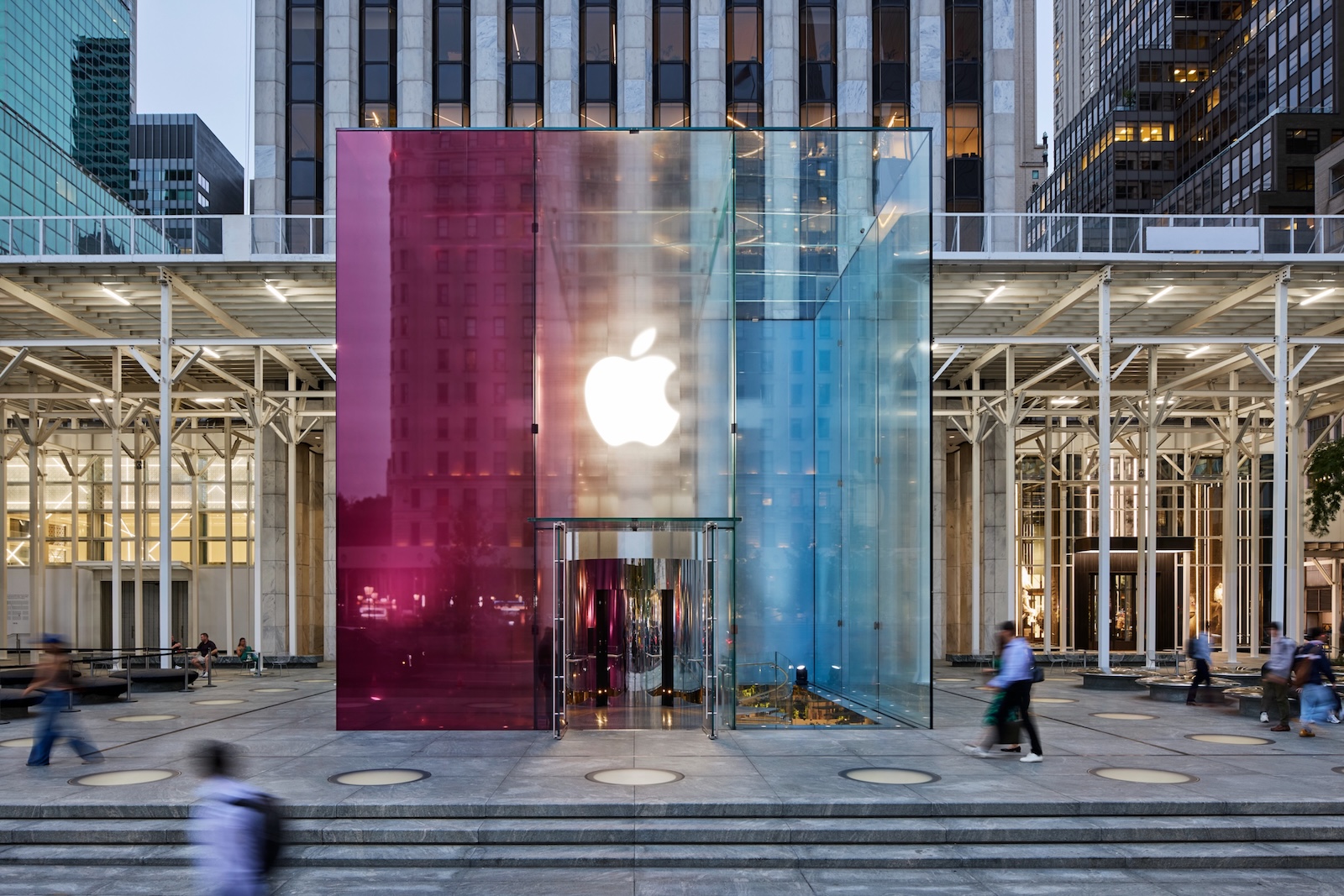
The iPhone 18 Pro line is now shipping to every market where Apple maintains a retail presence, from North America and Europe to Asia‑Pacific hubs such as Japan, South Korea, and the United Arab Emirates. Customers who missed the September 12 pre‑order window can still secure a device through two primary channels:
- Same‑day pickup – Select Apple Store locations allow shoppers to add the phone to their online bag, choose “I’ll pick it up,” and collect it within a 15‑minute window on the same day. The process is identical across the United States, Canada, the United Kingdom, Australia, China, India, Malaysia, Mexico, Türkiye, and the UAE, though inventory levels vary by region.
- Walk‑in purchases – Stores with sufficient on‑hand stock may admit walk‑in customers, but Apple notes that these shoppers are placed in a lower‑priority queue, meaning they could be asked to wait or leave if inventory runs out.
The pickup workflow is deliberately streamlined:
- Add the iPhone 18 Pro or Pro Max to your cart on Apple.com or the Apple Store app.
- Proceed to checkout and select the “I’ll pick it up” option.
- Enter your ZIP/postal code, then choose the nearest store that shows availability.
- Pick a pickup date and a 15‑minute check‑in window.
- Complete payment online.
- Present a government‑issued photo ID and the order number at the store counter.
Because the online inventory display is still catching up, shoppers are encouraged to refresh the site frequently or use the Apple Store app for the most accurate stock information.
Pricing Structure and Storage Strategy
Apple has raised the entry price for both models by $100 compared with the previous generation. The baseline configurations start at $1,199 for the iPhone 18 Pro and $1,299 for the iPhone 18 Pro Max. Both devices are offered in four storage tiers—128 GB, 512 GB, 1 TB, and a groundbreaking 2 TB option that appears for the first time on the smaller Pro model.
| Model | 128 GB | 512 GB | 1 TB | 2 TB |
|---|---|---|---|---|
| iPhone 18 Pro | $1,199 | $1,399 | $1,699 | $2,199 |
| iPhone 18 Pro Max | $1,299 | $1,499 | $1,799 | $2,299 |
The $300 premium for the 1 TB iPhone 18 Pro relative to the 1 TB iPhone 17 Pro underscores Apple’s aggressive pricing of high‑capacity flash storage. This move is likely intended to capture power users—photographers, video editors, and AR developers—who need ample local storage for 8K video and large‑scale machine‑learning datasets.
Technical Deep Dive: A20 Pro, Display, Camera
A20 Pro Chipset
At the heart of the new iPhones sits Apple’s A20 Pro silicon, a 5‑nanometer architecture that promises a 15 % uplift in CPU performance and a 30 % boost in GPU throughput over the A19. The chip also integrates a next‑generation Neural Engine capable of 25 TOPS (trillion operations per second), which will accelerate on‑device AI tasks such as real‑time object detection and computational photography pipelines.
OLED Super Retina XDR Display
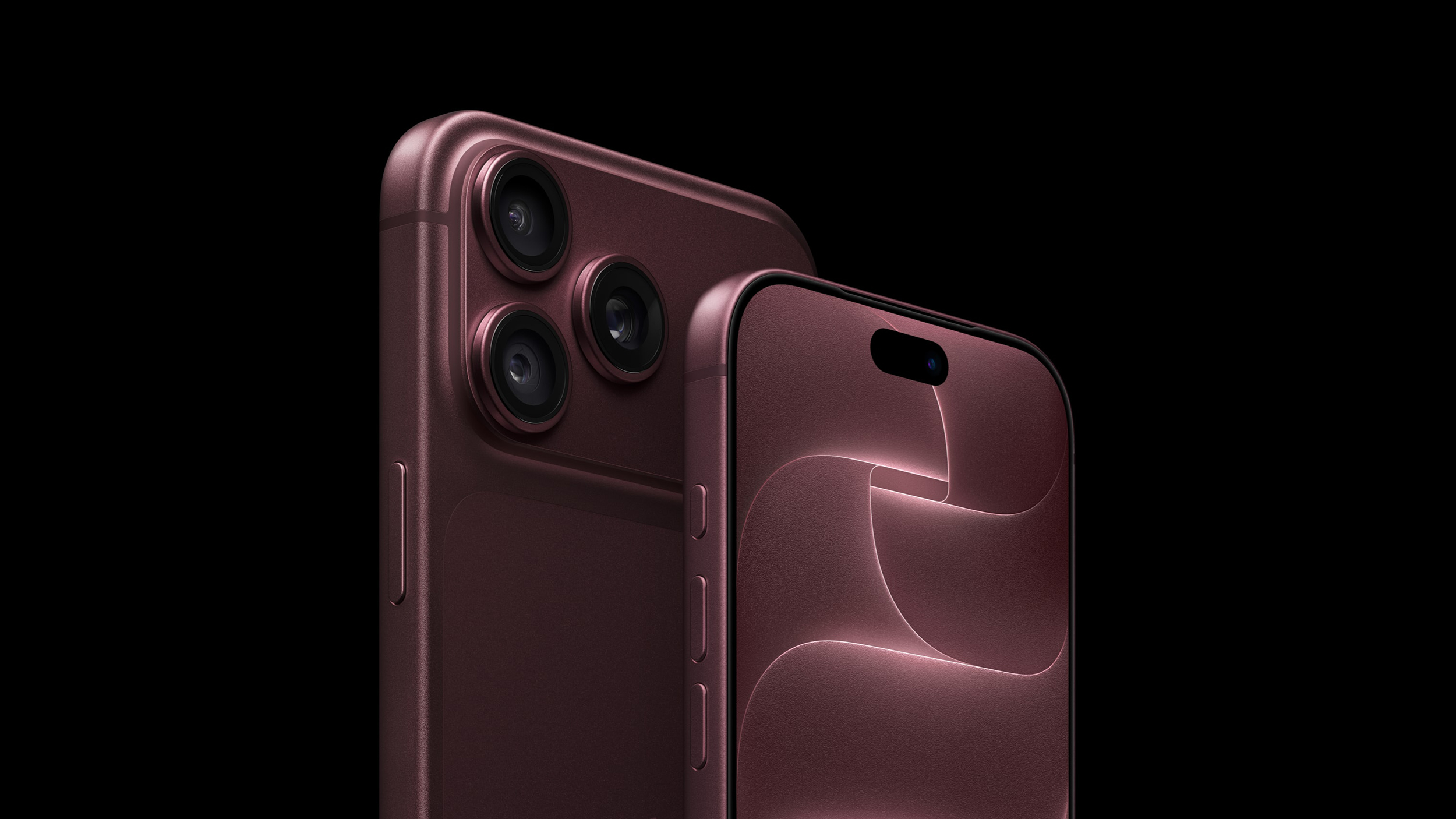
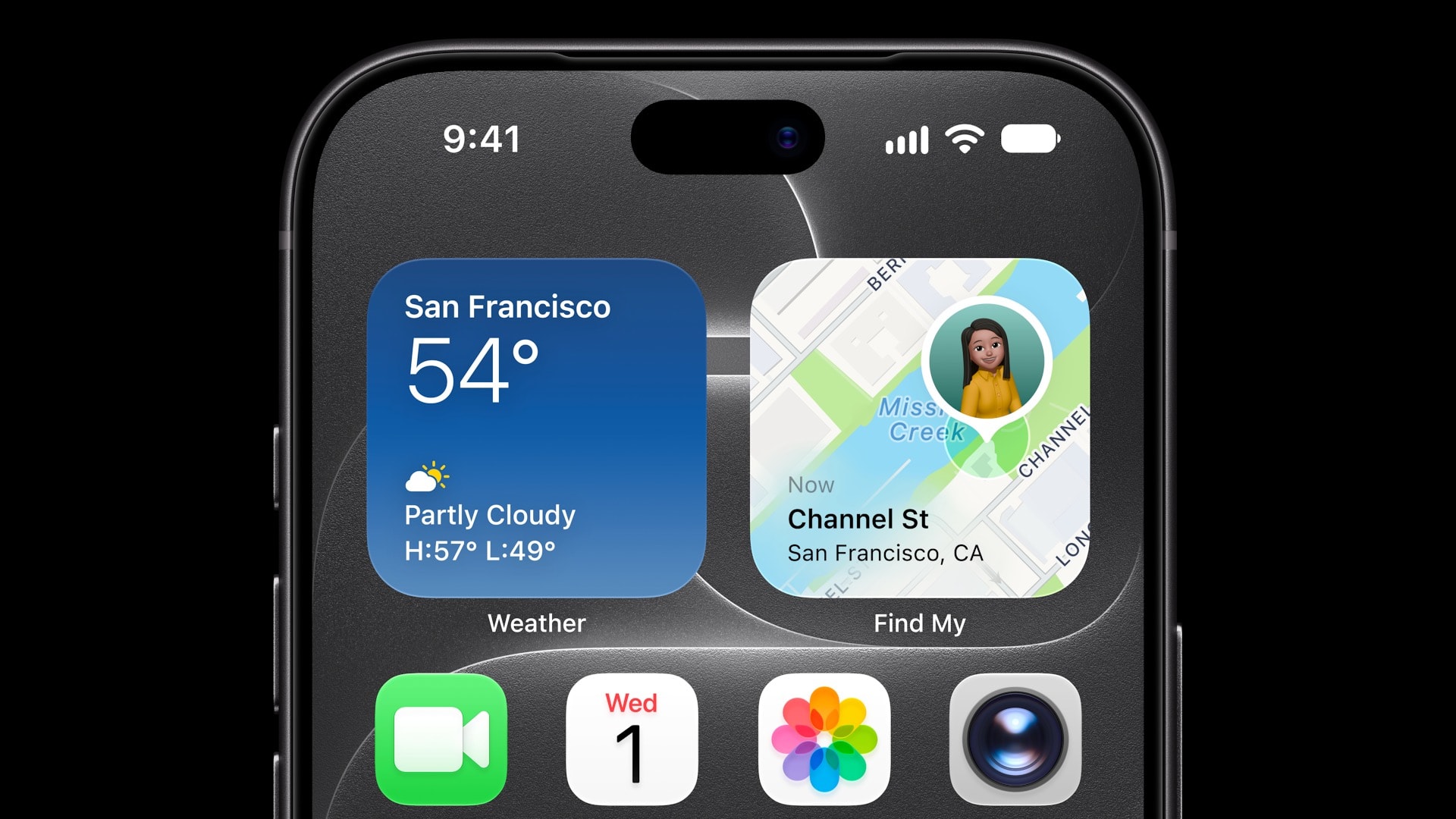
Both the iPhone 18 Pro and Pro Max retain the OLED Super Retina XDR panel, now featuring an always‑on display, Pro Motion refresh rates up to 120 Hz, and an expanded dynamic range for the Dynamic Island. The Pro Max’s 6.7‑inch panel offers a marginally higher peak brightness (up to 2,000 nits) compared with the 6.1‑inch Pro, which tops out at 1,800 nits. These improvements enhance HDR content consumption and reduce eye strain during prolonged use.
48‑Megapixel Pro Fusion Camera System
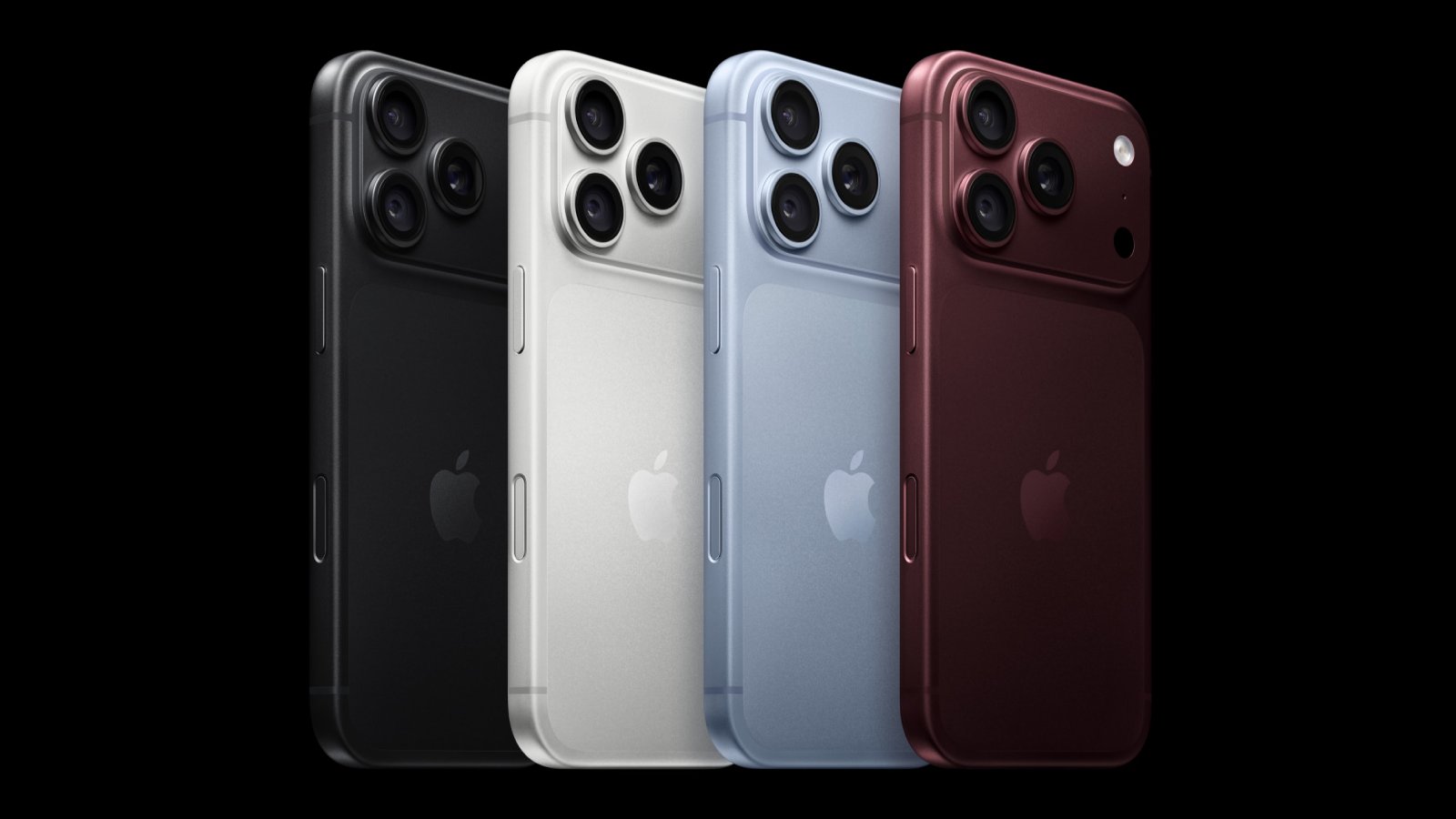
The camera architecture is identical across the two models: a 48‑megapixel primary sensor paired with a 12‑megapixel ultra‑wide and a 12‑megapixel telephoto lens. Apple’s “Pro Fusion” algorithm merges multiple exposures to deliver superior low‑light performance and a new variable‑aperture capability on the primary lens. For a deeper technical analysis, see the dedicated guide on the variable aperture lens: https://ltdeveloperblogs.github.io/posts/iphone-18-pro-using-the-new-variable-aperture-lens .
The camera stack also supports 8K video capture at 30 fps, ProRes RAW, and a revamped Action Button that toggles the new “Cinematic Mode” on demand. Developers interested in leveraging the updated camera APIs can reference the iPhone 18 Pro feature overview: https://ltdeveloperblogs.github.io/posts/iphone-18-pro-the-new-features-you-should-try-first .
Supply Chain, Wait Times, and Same‑Day Pickup Mechanics
Regional Wait Times
Apple’s logistics data indicates a 2‑3 week wait for any iPhone 18 Pro configuration in the United States, while the larger Pro Max faces a 3‑4 week horizon. In the United Kingdom, shipments are projected to arrive during the first week of October for the Pro and the second week for the Pro Max. These timelines reflect a combination of component lead times—particularly the high‑capacity NAND for the 2 TB models—and the ramp‑up of final‑assembly lines in China and India.
Same‑Day Pickup Availability
The same‑day pickup program is operational in the U.S., Canada, the U.K., Australia, China, India, Japan, Malaysia, Mexico, South Korea, Türkiye, and the UAE. However, the online store’s inventory grid has not yet been fully synchronized, leading to occasional “out‑of‑stock” messages even when a nearby store holds units. Apple advises customers to:
- Refresh the product page every 5‑10 minutes.
- Use the Apple Store app’s “Reserve” feature, which pushes a real‑time inventory check to the nearest store.
- Consider selecting a nearby city’s store if the preferred location shows no stock.
Walk‑in customers should be prepared for a possible lower‑priority queue, as Apple’s internal policy states: “Walk‑in customers may be placed into a separate queue with lower priority upon arrival to the store.”
Market Implications and Competitive Landscape
Apple’s decision to introduce a 2 TB storage tier on the smaller Pro model signals a strategic pivot toward power users who previously gravitated toward the Pro Max for its larger battery and screen. By compressing the storage hierarchy, Apple hopes to retain high‑spending customers who might otherwise consider Android flagships offering comparable storage at lower price points.
The $100 price hike aligns with industry trends of incremental cost increases to offset rising component prices, especially for advanced camera modules and 5G RF components. Competitors such as Samsung and Google have already priced their premium flagships above $1,200, making Apple’s pricing competitive despite the premium.
From an ecosystem perspective, the A20 Pro’s enhanced Neural Engine will likely accelerate the adoption of on‑device AI features in iOS 27, reinforcing Apple’s differentiation from Android’s reliance on cloud‑based processing. The expanded storage also prepares the device for future AR/VR workloads, a sector Apple has hinted at investing heavily in through its Vision Pro platform.
Future Outlook and Consumer Expectations
Looking ahead, the iPhone 18 Pro line sets a technical baseline that Apple will iterate upon in the next generation. The inclusion of a variable‑aperture lens, a 48‑MP sensor, and a 2 TB storage option suggests that Apple is positioning its flagship as a “mobile workstation” rather than a mere communication device. Consumers can expect:
- Longer software support – Apple typically offers five years of iOS updates; the iPhone 18 Pro should receive iOS 27 through at least 2031.
- Enhanced AR capabilities – The A20 Pro’s Neural Engine and larger RAM pool (6 GB) will enable more complex on‑device spatial mapping.
- Potential price normalization – As 2 TB SSDs become cheaper, future models may see a reduction in the storage premium, making high‑capacity devices more accessible.
Developers eager to explore the new camera capabilities can also check out an Easter‑egg that showcases the iPhone 18 Pro’s zoom functionality: https://ltdeveloperblogs.github.io/posts/apple-stores-have-a-new-hello-easter-egg-heres-why .
Frequently Asked Questions
Q1: Can I change my pickup location after placing an order?
A: Yes. Within 24 hours of order confirmation, you can modify the store location via the Apple Store app or by contacting Apple Support.
Q2: Are the iPhone 18 Pro Max’s battery life improvements significant?
A: Apple claims up to 2 hours longer video playback compared with the iPhone 17 Pro Max, thanks to a larger 4,800 mAh cell and the efficiency gains of the A20 Pro.
Q3: Will the 2 TB model be available for same‑day pickup?
A: Availability varies by store. High‑capacity models are typically allocated to online orders first, but some flagship locations may hold limited stock for walk‑ins.
Q4: How does the new Action Button differ from the previous mute switch?
A: The Action Button is programmable via iOS 27 Settings, allowing instant access to camera, voice memos, or third‑party shortcuts, replacing the static mute function.
Q5: Is there a trade‑in program for the iPhone 17 Pro models?
A: Apple continues its trade‑in program globally; eligible devices can fetch up to $800 credit toward a new iPhone 18 Pro, depending on condition and storage.
The iPhone 18 Pro and Pro Max launch demonstrates Apple’s commitment to pushing hardware boundaries while fine‑tuning its retail logistics. Whether you’re a developer eyeing the A20 Pro’s AI potential, a photographer craving 2 TB of on‑device storage, or a casual consumer simply wanting the latest iOS experience, the current rollout offers multiple pathways to get your hands on the device—especially through the newly expanded same‑day pickup network.
Source: Original Article