






Incident Overview
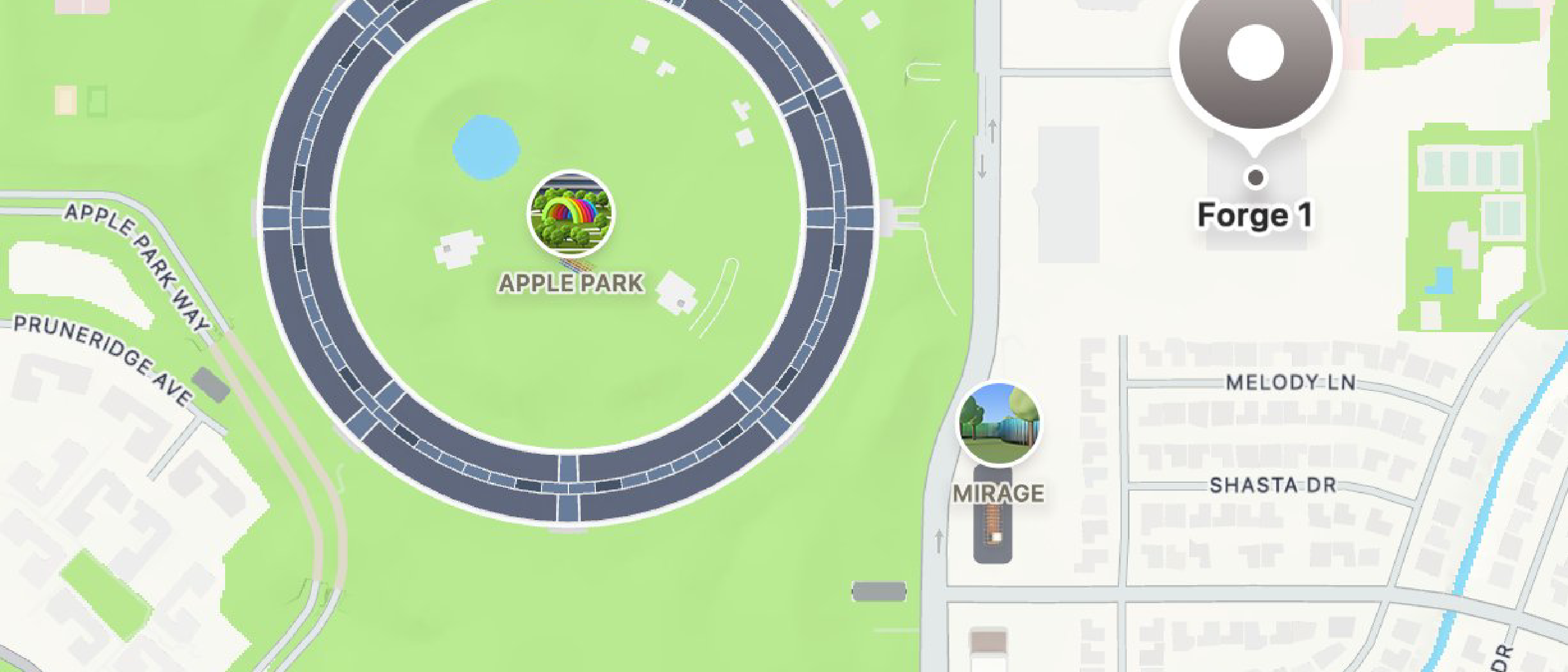
On Thursday at approximately 5:30 p.m. local time, the Santa Clara County Fire Department responded to a fire reported near Apple Park in Cupertino, California. The blaze originated outside Apple Forge 1, an Apple‑leased structure located at 18920‑18922 Forge Drive, directly adjacent to the corporate campus. Firefighters arrived within minutes, contained the flames, and declared the incident closed after roughly 45 minutes.
Social‑media users posted photos showing the fire’s impact limited to a section of the property’s fencing. One commentator described the damage as “huge,” though visual evidence suggests the structure itself remained intact. No official word has confirmed injuries, and Apple has not yet issued a public statement despite outreach from reporters.
The rapid containment underscores the effectiveness of local emergency services, but it also raises questions about fire‑safety protocols for high‑value corporate real‑estate.
Technical Assessment of Damage
While the fire did not engulf the building’s interior, the incident offers a case study in how peripheral infrastructure can affect operational continuity:
- Fencing and Perimeter Security: The damaged fencing serves as the first line of physical security. Replacement will involve material that meets fire‑resistance standards (e.g., ASTM E84 Class A rating) to prevent future breaches.
- Electrical Systems: Preliminary reports indicate no electrical faults triggered the blaze, but a thorough inspection of external power conduits, lighting, and backup generators is standard practice after any fire event.
- Fire‑Suppression Infrastructure: Apple campuses typically employ advanced sprinkler and gas‑based suppression systems. The quick extinguishment suggests these systems functioned as designed, though a post‑incident audit will verify coverage gaps.
- Operational Impact: Even a short‑term evacuation of adjacent facilities can disrupt logistics, deliveries, and employee commutes. The 45‑minute closure window likely had minimal impact on core production, but it highlights the need for contingency planning.
The incident’s limited physical damage does not diminish its relevance to Apple’s broader risk‑management strategy.
Why It Matters to Apple and Stakeholders
Reputation Management
Apple’s brand is built on precision, reliability, and safety. Any public safety incident, however minor, can ripple through consumer perception. Prompt communication—whether through a press release or a brief statement on Apple’s newsroom—helps control the narrative and reassures investors, employees, and the local community.
Insurance and Liability
Corporate campuses are heavily insured, but insurers scrutinize incident reports for patterns. Repeated fire‑related claims could affect premium rates or trigger policy adjustments. Apple’s legal and risk teams will likely review the incident to ensure compliance with local fire codes and insurance requirements.
Operational Continuity
Apple’s supply‑chain and R&D operations are tightly interwoven across multiple sites. A fire at a peripheral building could affect:
- Logistics: Delivery trucks may need to reroute, causing minor delays.
- Data Centers: While Forge 1 is not a data hub, adjacent utilities could be impacted, prompting redundancy checks.
- Employee Safety Protocols: The event may trigger a review of evacuation drills and emergency communication channels.
These considerations echo themes explored in our earlier coverage of Apple’s legal battles over hardware vulnerabilities, where risk assessment and corporate governance were central topics. See the analysis of the Boot ROM Vulnerability case for parallels in how Apple manages high‑stakes technical risk: https://ltdeveloperblogs.github.io/posts/unpatchable-iphone-11-exploit-sparks-legal-battle .
Industry Impact and Security Considerations
Physical Security Meets Cybersecurity
Apple’s campuses are renowned for layered security—both physical and digital. A breach in the physical perimeter, even if limited to fencing, could provide an entry point for more sophisticated attacks (e.g., tailgating, hardware tampering). The incident reinforces the need for integrated security policies that bridge the gap between facilities management and information security teams.
Supply‑Chain Resilience
Manufacturers and tech firms watch Apple’s operational incidents closely because they often set industry benchmarks. A fire at a leased building may prompt other corporations to reassess the fire‑rating of their own leased assets, especially those housing critical infrastructure.
Regulatory Scrutiny
California’s stringent building and fire codes mean that any deviation can attract regulatory attention. Apple’s response will likely be examined by local authorities to ensure compliance, setting a precedent for how tech giants handle similar events.
Our recent piece on Apple’s Siri‑AI delay settlement highlighted how regulatory pressure can shape corporate behavior. The fire incident may similarly drive Apple to adopt more transparent safety reporting: https://ltdeveloperblogs.github.io/posts/siri-settlement-approved-apple-to-pay-owners-of-some-iphone-models .
Future Outlook and Operational Lessons
Enhanced Monitoring
- IoT Sensors: Deploying temperature, smoke, and gas sensors with real‑time alerts can reduce response times.
- AI‑Driven Video Analytics: Leveraging computer vision to detect abnormal heat signatures could pre‑empt fires.
Infrastructure Upgrades
- Fire‑Resistant Materials: Upgrading fences, roofing, and exterior cladding to meet higher fire‑rating standards.
- Redundant Power Paths: Ensuring
redundant power paths are in place to prevent cascading failures during emergencies.
Employee Training and Drills
- Regular Fire Drills: Conducting unannounced evacuation drills to ensure employees are familiar with emergency protocols.
- First Responder Coordination: Partnering with local fire departments for joint training exercises, ensuring seamless collaboration during real incidents.
- Safety Ambassadors: Designating employees as safety liaisons to disseminate best practices and report potential hazards.
Communication Protocols
- Real-Time Alerts: Implementing a mass notification system to inform employees, contractors, and local authorities of incidents within minutes.
- Transparent Reporting: Establishing a public-facing dashboard or incident log to provide updates on safety events, reinforcing trust with stakeholders.
- Post-Incident Reviews: Conducting a thorough debrief with all involved parties to identify lessons learned and implement corrective actions.
Conclusion
The fire at Apple Forge 1, while contained quickly, serves as a reminder of the fragility of even the most meticulously designed corporate campuses. For Apple, the incident is an opportunity to reinforce its commitment to safety, operational resilience, and transparent communication. By leveraging advanced technologies, upgrading infrastructure, and prioritizing employee preparedness, Apple can mitigate future risks while setting a benchmark for the tech industry.
As the company continues to expand its global footprint, incidents like these underscore the importance of proactive risk management. Whether through enhanced monitoring, regulatory compliance, or cross-functional collaboration, Apple’s response to this event will shape its approach to safety for years to come.
FAQ
1. Was anyone injured in the fire?
As of the latest reports, it remains unclear whether there were any injuries. The Santa Clara County Fire Department has not released details on casualties, and Apple has not issued a public statement addressing the matter.
2. What caused the fire at Apple Forge 1?
The exact cause of the fire has not been officially determined. Preliminary reports suggest no electrical faults were involved, but a full investigation is likely underway to identify the origin and contributing factors.
3. How does this incident affect Apple’s operations?
While the fire was contained quickly and did not damage the building’s interior, the incident may prompt a review of evacuation protocols, perimeter security, and supply-chain logistics. Apple’s operational continuity teams will assess any potential disruptions to adjacent facilities.
4. Will Apple upgrade its fire-safety measures after this incident?
It is standard practice for corporations to conduct post-incident audits and implement corrective actions. Apple may enhance its fire-suppression systems, upgrade perimeter infrastructure, and expand employee training programs to prevent similar events in the future.
5. How does this compare to other tech campus incidents?
Fires at tech campuses are relatively rare but not unheard of. For example, in 2018, a fire at a Tesla Gigafactory in Nevada caused minor damage but highlighted the importance of robust safety protocols. Apple’s rapid response and limited damage suggest its existing measures were effective, though the incident will likely prompt further refinements.
6. What should employees or visitors do if a similar incident occurs?
Apple employees and visitors should:
- Follow all evacuation instructions from emergency personnel.
- Use designated assembly points to account for all individuals.
- Avoid re-entering the area until authorities declare it safe.
- Report any hazards or concerns to Apple’s safety teams.
7. Where can I find updates on this incident?
For the latest information, check:
- Apple’s official newsroom: https://www.apple.com/newsroom
- Santa Clara County Fire Department: https://www.sccfd.org
- MacRumors: https://www.macrumors.com
Source: Original Article