






Introduction: The Rise of Interactive Design Tools
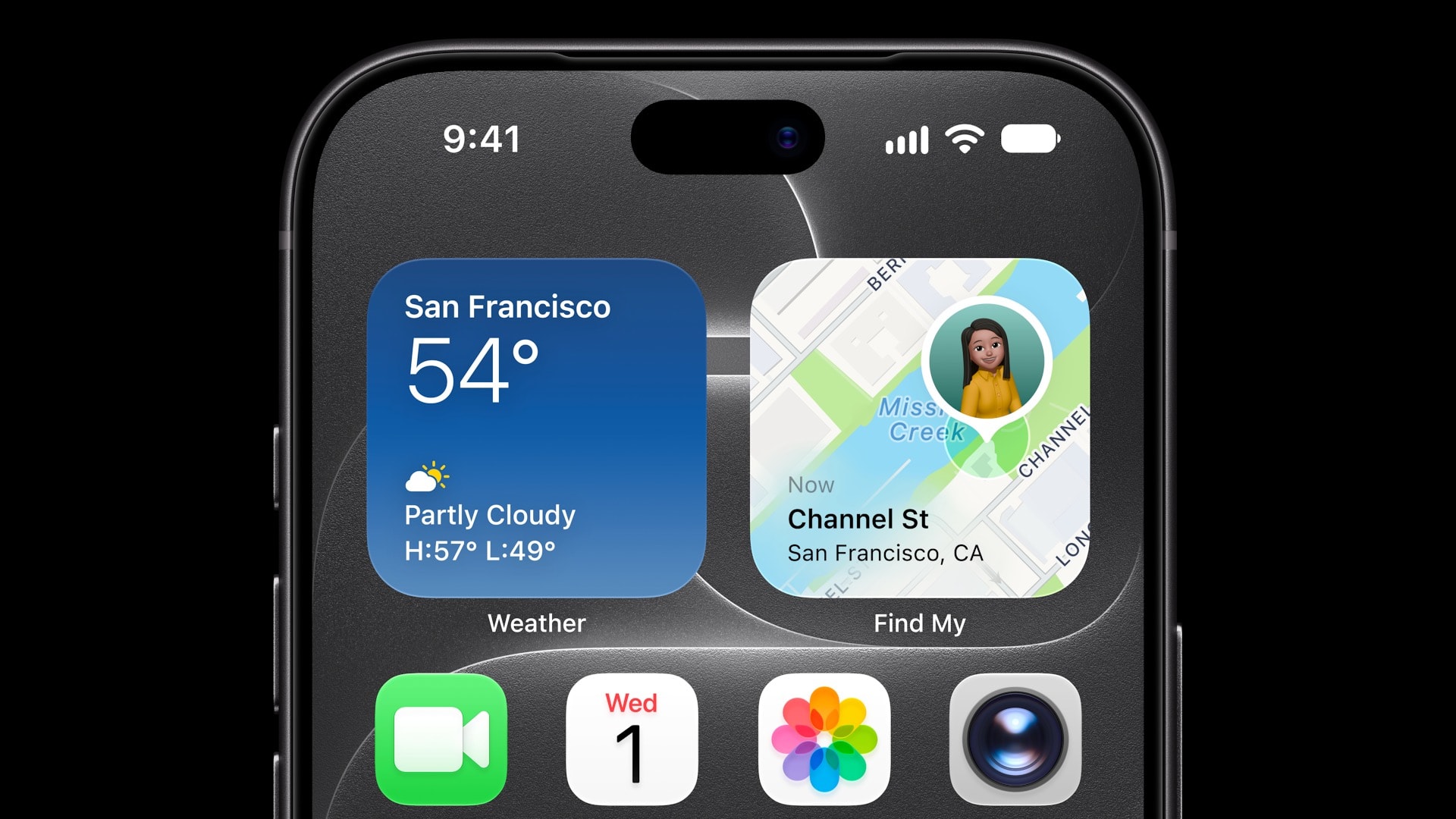
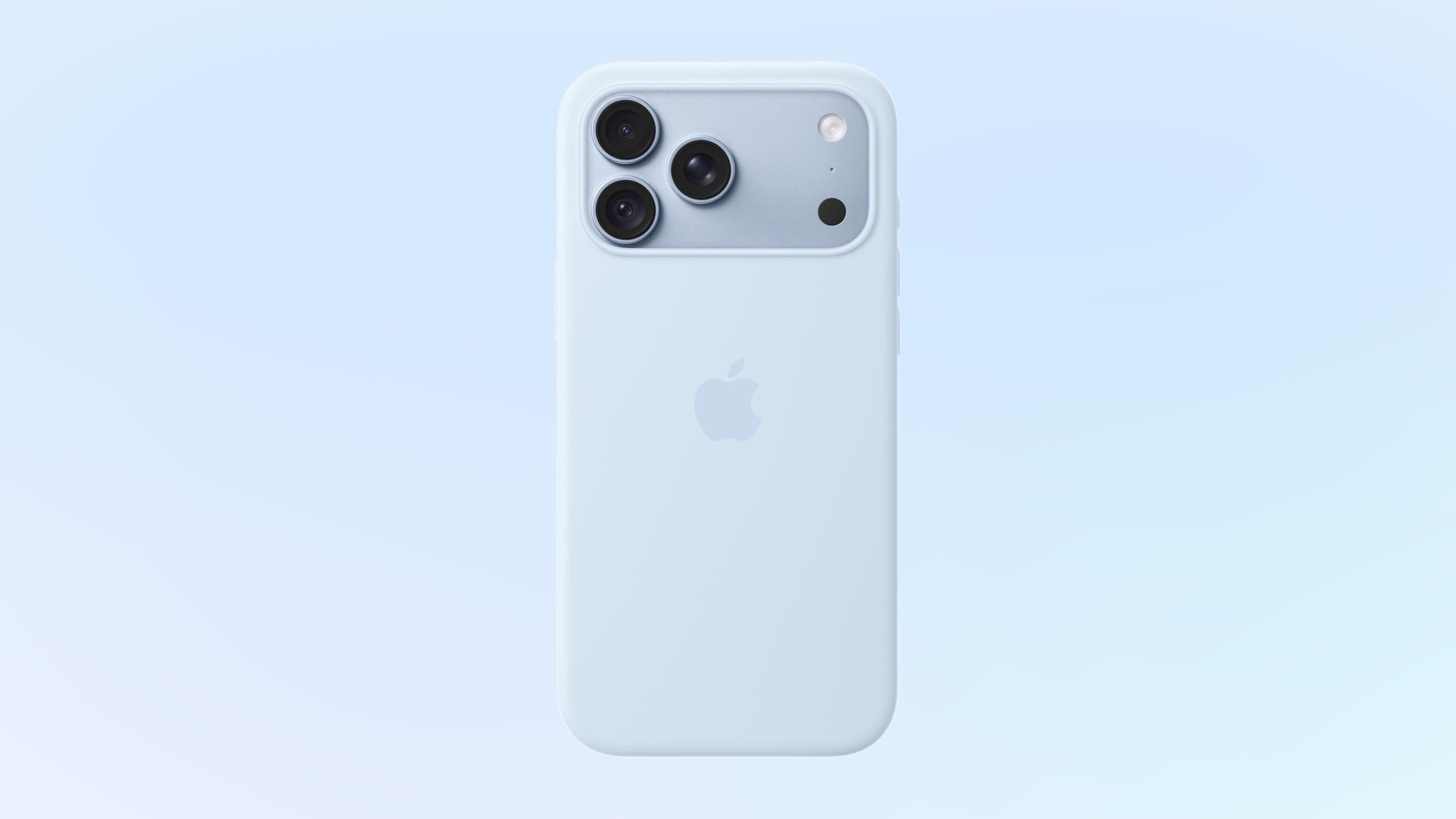
In an era where user‑generated content dominates social media, a new wave of interactive web applications is reshaping how we envision consumer electronics. Neal Agarwal’s “Design the Next iPhone” invites anyone with a browser to become a product designer, offering a drag‑and‑drop interface that overlays virtual components onto a 3‑D iPhone model. The site’s playful premise—complete with a “Present” mode that simulates an Apple launch—has sparked curiosity among tech enthusiasts and industry observers alike. It is a testament to how accessible web technologies can democratize design, turning a casual fan into a prototype creator.
Why It Matters: Democratizing Hardware Innovation
The ability to customize a smartphone’s hardware in real time has implications that extend far beyond a novelty website. Historically, hardware design has been the domain of engineers and corporate R&D teams, constrained by tooling, manufacturing knowledge, and intellectual property. Agarwal’s platform removes those barriers:
- Creative Exploration: Users can experiment with legacy ports (headphone jack, HDMI) or absurd add‑ons (steering wheel, joystick) without needing a CAD environment.
- Rapid Ideation: Designers can iterate on form factors, component placement, and aesthetics in seconds, accelerating the conceptual phase of product development.
- Community Feedback: By sharing designs, creators can gather instant reactions, creating a feedback loop that mirrors early beta testing.
This shift echoes the broader trend of maker culture, where individuals use accessible tools to prototype and iterate. It also aligns with Apple’s own history of encouraging third‑party developers to build on its ecosystem, now extended to hardware imagination.
Technical Breakdown: How the 3D Drag‑and‑Drop Engine Works
Behind the site’s slick interface lies a sophisticated stack of web technologies:
3‑D Rendering Engine
- WebGL: The core rendering is powered by WebGL, allowing the browser to draw a textured, rotating iPhone model in real time.
- Three.js: A popular JavaScript library abstracts WebGL complexities, handling scene graph management, lighting, and camera controls.
- Model Optimization: The iPhone mesh is decimated to reduce polygon count, ensuring smooth performance on mid‑range devices.
Component Library
- Texture Mapping: Each component (camera, port, logo) is a separate 3‑D mesh with UV‑mapped textures, enabling realistic placement.
- Physics‑Based Placement: Dragging a component triggers a hit‑test against the iPhone surface, snapping it to the nearest valid attachment point.
- Layering System: Multiple copies of a component can coexist; the engine manages z‑ordering to prevent visual artifacts.
Pricing Engine
- Component Cost Matrix: Each item has an assigned price value. The engine sums these values to generate a fictional retail price during “Present” mode.
- Dynamic Adjustments: Adding legacy ports or absurd accessories increases the price, reflecting perceived complexity.
Export Functionality
- Canvas Capture: The 3‑D canvas is recorded frame‑by‑frame using the MediaRecorder API.
- Video Encoding: The resulting stream is encoded into an MP4 file, allowing users to download a rotating video of their custom iPhone.
The combination of these technologies results in a seamless, responsive experience that feels native rather than web‑based.
Industry Impact: From Fan Art to Product Prototyping
While the site is primarily a fan‑centric experiment, its ripple effects touch several industry segments:
- Consumer Engagement: Apple’s brand thrives on community involvement. A tool that lets fans envision future devices can deepen emotional investment, potentially boosting pre‑order momentum for upcoming releases.
- Design Inspiration: Product teams may scan the site’s public designs for emerging trends—such as the resurgence of headphone jacks or the popularity of retro logos—informing feature roadmaps.
- Competitive Intelligence: Rivals can analyze the most requested components to gauge consumer sentiment, especially when the site includes alternative branding like Android or Pear logos.
- Educational Use: Engineering curricula can incorporate the platform to teach students about component placement, ergonomics, and cost analysis without the overhead of professional CAD software.
The site’s “Present” mode, complete with a fictional Tim Cook endorsement, blurs the line between fan art and mock marketing, offering a low‑cost way to prototype launch videos.
Future Outlook: What This Means for Apple and the Mobile Ecosystem
Looking ahead, several trajectories emerge:
- Official Collaboration: Apple could partner with fan sites to crowdsource design concepts, similar to how the company has leveraged the App Store for software innovation.
- Enhanced Tooling: Integrating more realistic physics, thermal simulation, or manufacturing constraints would elevate the platform from a creative playground to a viable prototyping tool.
- Cross‑Platform Expansion: Porting the engine to mobile or VR could provide immersive design experiences, aligning with Apple’s focus on ARKit and spatial computing.
- Marketplace Integration: Allowing users to order custom hardware accessories based on their designs could create a new revenue stream for third‑party manufacturers.
These possibilities underscore a broader shift: the boundary between consumer and creator is eroding, and companies that embrace this fluidity may gain a competitive edge.
FAQ
What browsers support the “Design the Next iPhone” tool?
The site relies on WebGL and modern JavaScript APIs, so it runs on the latest versions of Chrome, Firefox, Safari, and Edge. Older browsers lacking WebGL support will display a compatibility warning.
Can I export my design to a 3‑D printable file?
Currently, the export feature generates a rotating video. However, the underlying 3‑D models are available in GLTF format, which can be downloaded and converted to STL for printing with a compatible slicer.
Is the pricing algorithm realistic?
The pricing is purely fictional, intended to mimic an Apple launch narrative. It assigns arbitrary values to components and sums them; it does not reflect actual manufacturing costs.
Can I share my design on social media?
Yes. After generating a video, the site provides direct links to share on platforms like Twitter, Facebook, and Instagram, along with a unique URL that preserves the design state.
Will Apple ever incorporate fan‑generated designs into official releases?
While Apple has historically kept design decisions internal, the company has occasionally cited fan feedback in marketing. Whether fan‑generated concepts will influence hardware releases remains speculative.
Source: Original Article